

Baby car seats expire because plastics and parts weaken and safety rules change over time.
I’ve studied child passenger safety for years and tested dozens of seats, so I know exactly how and why baby car seats expire. This guide explains how do baby car seats expire, where to find expiration dates, what risks expired seats pose, and practical steps you can take to keep your child safe. Read on for clear, friendly advice and real-world tips you can use today.
Why baby car seats expire
Manufacturers set expiration dates because materials break down. Over time plastics, foam, straps, and buckles lose strength. That makes the seat less able to absorb crash forces. Safety standards also change. Newer seats often include better protection and improved harness systems.
Car seats can also be weakened by heat, sunlight, and frequent use. A seat that looks fine can still fail in a crash. Knowing how do baby car seats expire helps parents decide when to replace a seat for safety and peace of mind.

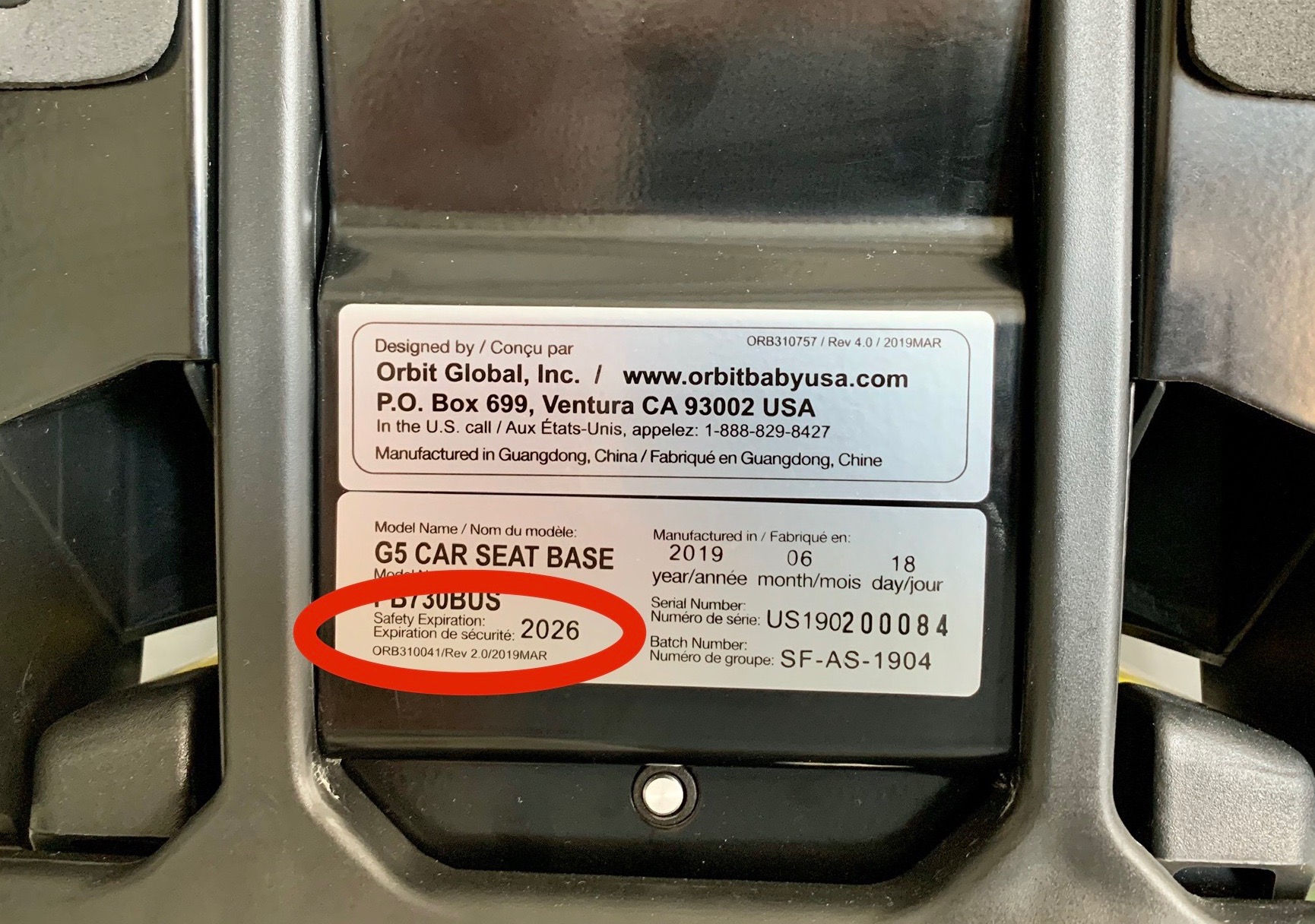
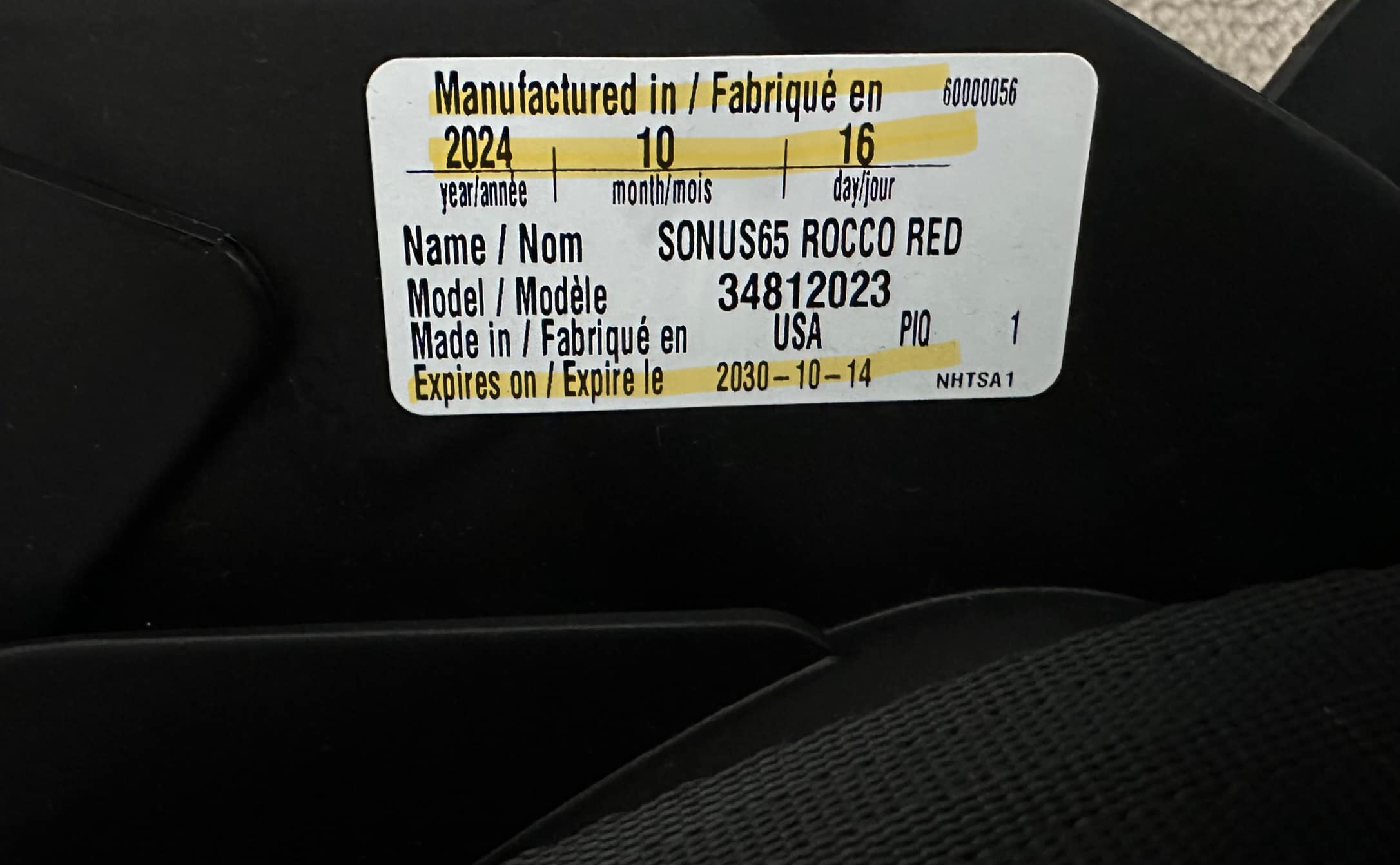
How to find an expiration date on a car seat
Look for a label on the shell, near the belt path, or on the bottom. The label usually lists a manufacture date and an expiration date in years. If there’s no date, check the owner’s manual or the manufacturer’s website using the model number. Registering the seat with the maker adds a safety net: you’ll get recall and expiration notices.
If you can’t find any info, contact customer service. If they can’t verify age or authenticity, treat the seat as expired and replace it. This is a key step when buying used seats or getting a hand-me-down.
Typical lifespan: how long do baby car seats last?
Most car seats expire between 6 and 10 years from the manufacture date. Infant carriers often expire around 6 years. Convertible and booster seats often last 7 to 10 years. These ranges vary by brand and model. Always use the specific date printed on the seat.
Why such a range? Different plastics and designs age differently. Some seats include replaceable parts but most do not. Knowing how do baby car seats expire gives you a realistic window for safe use and helps you plan replacements.

What happens when a car seat expires — the risks
Expired seats may fail during a crash. Weak plastics can crack, buckles may stick, and foam can lose energy absorption. Even without a crash, expired straps and anchors can fray or stretch. Older seats also may not meet modern testing for side impact or anti-rebound features.
Using an expired seat increases injury risk. If you need to sell or give away a seat, be honest about its age and condition. Remember, an expired seat is not worth the potential cost in safety.

Signs your car seat may be expired or unsafe
- Label shows an expiration date that has passed or will pass soon.
- Missing or unreadable manufacture date and model number.
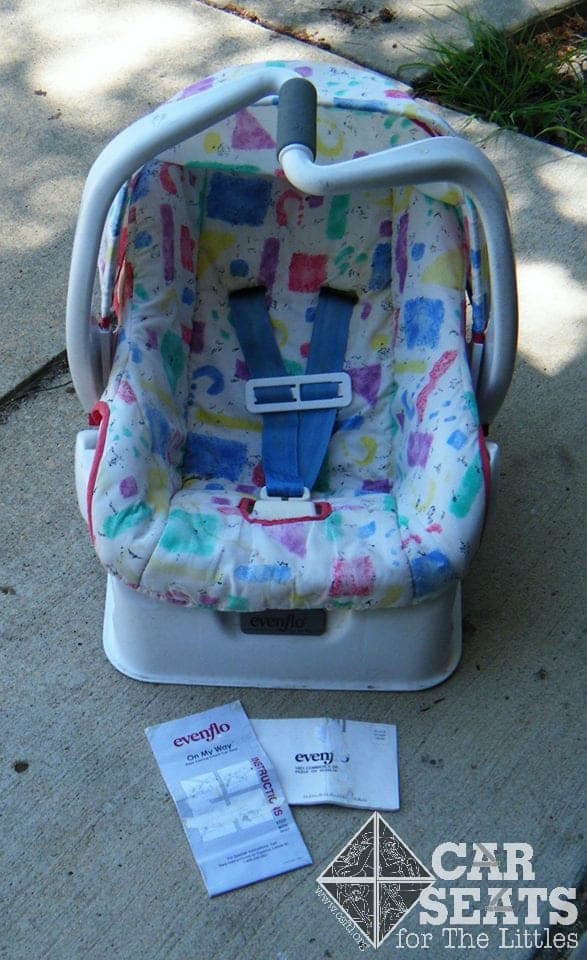
- Visible cracks, brittle plastic, or warped shell.
- Buckles that stick, fray, or won’t latch smoothly.
- Seat was in a crash, even a minor one — treat it as expired.
If any of these appear, replace the seat promptly. These checks are part of knowing how do baby car seats expire and when to stop using them.

What to do with an expired car seat
- Recycle where possible — some programs accept car seats for recycling.
- Dispose responsibly — cut the straps and mark the shell “expired” to prevent reuse.
- Donate only to organizations that accept and refurbish seats professionally.
- Use parts creatively — non-safety uses like planters or pet beds, after disabling straps and marking as unsafe for children.
I once replaced an old convertible seat and cut the harness before recycling the shell. It felt responsible and reduced the chance someone else would use that seat for a child.

Buying tips: avoid expired or unsafe seats
- Always check the manufacture date and expiration date before buying.
- Prefer new seats from a reputable retailer when you can.
- If buying used, get written proof of purchase or registration and the seat’s full history.
- Avoid seats without labels or unknown crash history.
- Register the seat with the manufacturer after purchase to receive alerts.
Knowing how do baby car seats expire helps you make smarter buying choices. I’ve learned to treat older, unlabeled seats as risks and to budget for replacement sooner rather than later.
PAA-style common questions
How do I know if my baby car seat is expired?
Check the label on the shell for an expiration date or manufacture date. If you can’t find a date, consult the manual or contact the manufacturer with the model number.
Can a car seat still be used after the expiration date?
No. Once a car seat has reached its expiration date, replace it. Materials and safety performance can degrade and no longer protect effectively in a crash.
Does a car seat that was in a minor crash expire?
Yes. Even minor crashes can weaken the shell or structure. Most manufacturers say to replace a car seat after any moderate or severe crash, and often after a minor crash too.
How often should I replace an infant carrier?
Infant carriers commonly expire around 6 years from manufacture, but check your seat’s label. Replace earlier if it shows damage or has been in a crash.
Can I reuse parts from an expired seat?
Do not reuse safety-critical parts like harnesses or buckles. Non-safety parts may be repurposed, but first disable and clearly mark the seat as unsafe for children.
Frequently Asked Questions of how do baby car seats expire
What is the main reason car seats have expiry dates?
Manufacturers set expiry dates because plastics, foam, and straps degrade over time, reducing crash protection. Standards and technology also evolve, making older seats less safe.
Is there a universal expiration period for all car seats?
No. Expiration varies by brand and model, commonly from 6 to 10 years. Always use the date printed on your specific seat.
Can sunlight and heat make a car seat expire faster?
Yes. Prolonged exposure to heat and sun can speed material breakdown, which contributes to how do baby car seats expire. Store seats out of direct sunlight when not in use.
Are recalled seats always unsafe regardless of expiration?
Recalls address specific defects. A recall may make a seat unsafe even if it is not expired. Follow recall instructions and get repairs or replacements from the manufacturer.
How should I store a spare or backup car seat?
Store it in a cool, dry place away from sunlight and chemicals. Keep it in its original box and avoid stacking heavy items on it to prevent deformation.
Conclusion
Understanding how do baby car seats expire keeps your child safer and your mind calmer. Check labels, register seats, replace after crashes, and discard expired seats responsibly. My practical rule: if you doubt a seat’s history or age, replace it — safety is worth the investment.
Take action today: inspect your current seats, note their expiration dates, and plan replacements. Share your experience or questions below, and subscribe for more practical child-safety tips.