

Yes — Babies should ride rear-facing as long as possible for maximum head and neck protection.
As a parent and child-safety writer with years of hands-on experience fitting car seats, I can say clearly that should baby car seat be rear facing is a critical safety question every caregiver must answer. This guide covers the why, when, and how of keeping your child rear-facing, with step-by-step tips, practical examples, and easy rules you can use today. Read on to learn clear, research-backed advice and simple actions to keep your little one safer in the car.
Why rear-facing matters
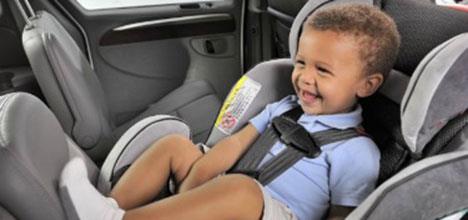
Should baby car seat be rear facing? Yes, because rear-facing seats support a baby’s head, neck, and spine in a crash. A young child’s bones and neck muscles are still soft. In a crash, a forward-facing child’s head can whip forward. Rear-facing spreads crash forces over the whole back of the seat. This lowers the risk of serious head and neck injury.
- Rear-facing cushions and holds a baby’s fragile neck and head.
- It reduces forward movement and absorbs crash forces more evenly.
- Younger children have proportionally larger heads and weaker necks, so rear-facing helps protect them.
How long should baby car seat be rear-facing?
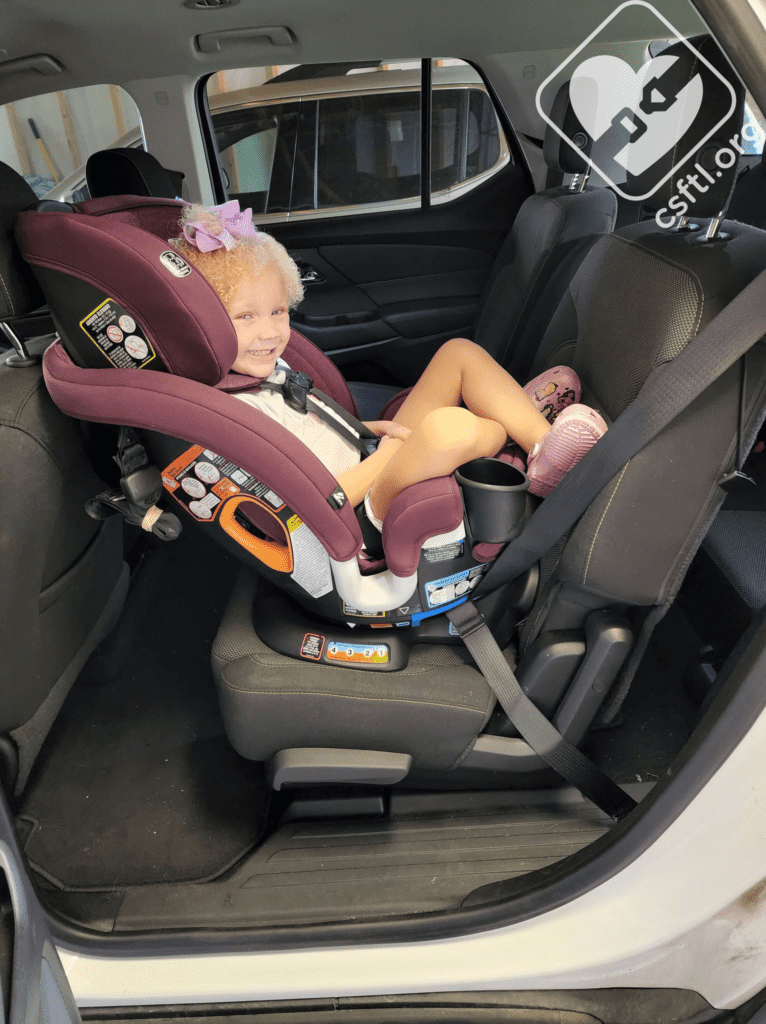
Should baby car seat be rear facing for months or years? The short answer is: keep your child rear-facing as long as the car seat allows. Most safety experts advise rear-facing until at least age 2, and many recommend keeping children rear-facing until they outgrow the seat’s height or weight limits. Modern convertible car seats often allow rear-facing well past age 2, sometimes up to age 4.
Practical timelines
- Infant-only seats: rear-face until the seat’s weight limit (often 20–35 pounds).
- Convertible seats: many allow rear-facing to 40 pounds or more.
- Always follow the car seat’s max rear-facing height and weight limits.
Why this matters
- Legal minimums can be lower than safety recommendations. Aim to exceed legal minimums and follow manufacturer guidance and safety research.

Choosing the right rear-facing seat
When deciding which seat to buy, think about long-term rear-facing use. Ask: how high and heavy can the child be while rear-facing? A seat with higher rear-facing limits gives you more time in the safest position.
What to look for
- High rear-facing weight and height limits.
- A deep, supportive shell and good side impact protection.
- Easy-to-adjust harness and clear recline indicators.
- Fits well in your car’s back seat, especially the center if possible.
Convertible vs infant-only
- Infant-only seats are light and easy to move, but have low rear-facing limits.
- Convertible seats are heavier but let you keep a child rear-facing longer.
Installation tips and common mistakes
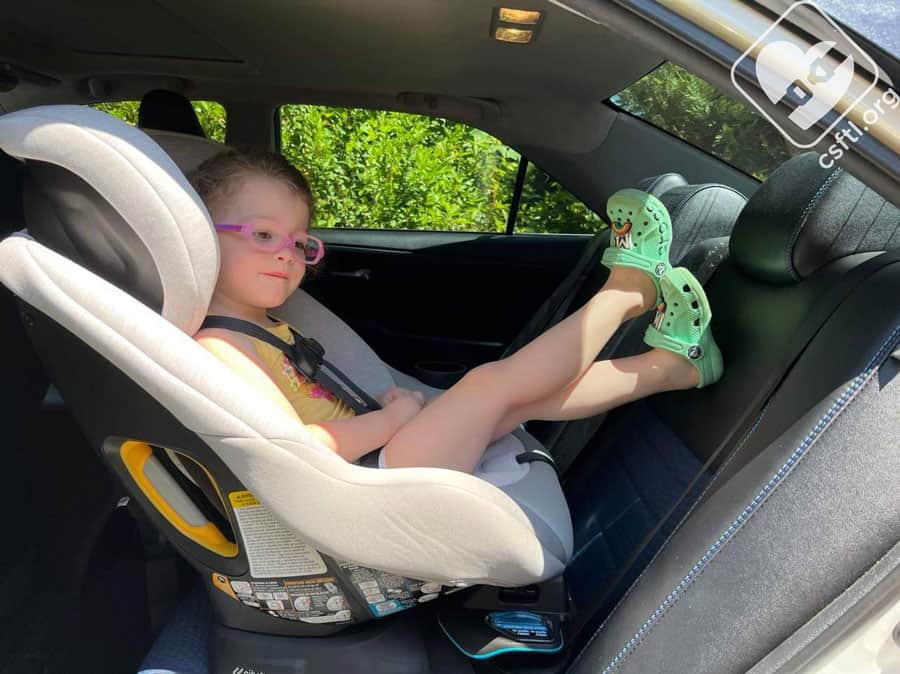
Proper installation is as important as choosing the right seat. Many injuries come from incorrect installation or harnessing.
Step-by-step basics
- Place the seat in the back seat. The center is safest if it fits.
- Install using LATCH or seat belt. Use only one method unless the car seat instructions allow both.
- Tighten the seat so it moves less than 1 inch side-to-side at the belt path.
- Recline the seat to the angle recommended for your child’s age and weight.
- Harness straps should be at or below the shoulders when rear-facing.
- Chest clip should be at armpit level.
- No bulky coats under the harness; use a blanket over the harness if cold.
Common mistakes to avoid
- Switching to forward-facing too early.
- Loose installation or loose harness straps.
- Using a seat with expired or recalled parts.

When to switch to forward-facing
Should baby car seat be rear facing until age two? Yes, and often longer. Only switch to forward-facing when your child exceeds the rear-facing height or weight limit on the car seat label. Do not switch because of age alone if the seat still fits your child in rear-facing mode.
Exceptions and tips
- If your child’s head is within the top 1 inch of the seat shell, it’s time to move to a larger seat.
- If your child’s shoulders are above the rear-facing harness slots, change to a forward-facing seat.
- Medical or vehicle constraints may require special guidance; consult a certified child passenger safety technician if unsure.

Travel and special situations
Travel raises extra questions about should baby car seat be rear facing. Air travel, taxis, and ride-shares each have rules to consider.
Airplanes
- Many airlines allow FAA-approved car seats. Check labels and airline rules first.
- Use rear-facing when possible on aircraft for toddlers, but follow the aircraft seat and airline rules.
Ride-shares and taxis
- Some drivers don’t have car seats. Bring a portable, FAA-approved toddler seat or plan for a vehicle that can accommodate a proper rear-facing seat.
- Consider a compact convertible seat that still allows extended rear-facing.
Carpooling and grandparents
- Teach others how to install and use the seat. A seat may be safe only when installed correctly.
Personal experience and lessons learned
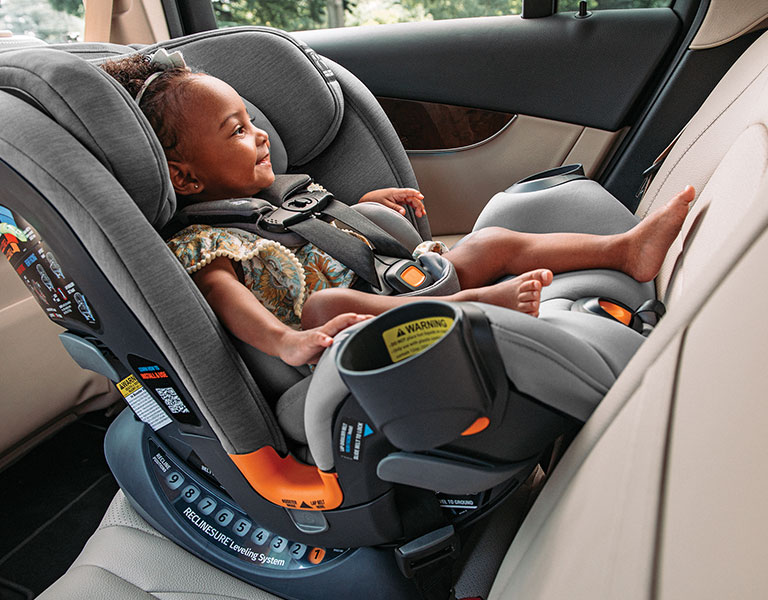
I installed dozens of seats for friends and family over the years. One lesson stands out: simple mistakes are common but fixable. I once found a seat installed with slack in the belt path. Tightening it properly reduced movement instantly. I also kept my first child rear-facing until nearly 3 years old. That extra time brought peace of mind and no major downsides. The seat was bulky, but the safety gain was worth it.
Practical tips I use
- Practice installing the seat a few times before your first long trip.
- Keep a small mirror to check the baby in a rear-facing seat while driving.
- Join a local car seat check event for expert help.

People also ask
What if my car doesn’t fit a long rear-facing seat?
- Test different seats in your car before buying. Some narrow convertible seats fit many cars better than others.
Can older infants ride rear-facing in a stroller car seat?
- Many infant car seats click into compatible strollers and can stay rear-facing until they exceed the seat’s limits. Always confirm stroller compatibility.
Is rear-facing required by law?
- Laws vary by state. Many states set minimums, but safety groups recommend rear-facing beyond legal minimums.
Frequently Asked Questions of should baby car seat be rear facing
What ages should a baby be rear-facing?
Most safety experts recommend keeping a child rear-facing until at least age 2 and ideally until they reach the car seat’s rear-facing height or weight limit.
Can I use the LATCH system and seat belt together for rear-facing?
Use either LATCH or the vehicle seat belt unless the car seat maker explicitly permits using both at once. Check the car seat manual for guidance.
Is it unsafe for a toddler to ride rear-facing for a long time?
No. It is safe and often safer for toddlers to stay rear-facing longer, provided they fit under the seat’s limits and can breathe comfortably.
How tight should the harness be when rear-facing?
The harness should be snug enough that you cannot pinch extra webbing at the shoulder. It should lie flat and not be twisted.
When should I stop using a rear-facing-only infant seat?
Stop when your child exceeds the seat’s height or weight limit. Consider moving to a convertible seat that allows extended rear-facing.
Conclusion
Keeping your child rear-facing is one of the best things you can do to reduce the risk of serious injury in a crash. Follow the seat manufacturer’s limits, install the seat tightly, and keep your child rear-facing as long as the seat allows. Small steps—checking harness fit, avoiding bulky coats, and choosing a high-limit seat—make a big difference. Try one action today: recheck your car seat installation or schedule a car seat inspection. Leave a comment with your questions or share your car seat experience to help other parents.
