

Power of attorney for an elderly parent is a legal tool that helps a trusted person handle health, finances, or both when support is needed. The best time to set it up is before a crisis, with clear family communication and legal guidance.
When families start looking into a power of attorney for an elderly parent, they are usually trying to solve a very practical problem: who can step in when bills, medical decisions, or paperwork become too much for one person to handle alone. The topic can feel heavy at first, but the goal is usually simple—make life easier, protect the parent’s wishes, and reduce confusion for everyone involved.
This guide explains what power of attorney means in real family life, how to set it up thoughtfully, and how to talk about it without turning a serious conversation into a full-blown family standoff. It also looks at how to share the message clearly in caregiving, school, and community settings, where plain language matters more than legal jargon.
- Purpose: POA helps a trusted person act for an aging parent in approved situations.
- Timing: It is best discussed early, before urgent decisions force a rushed choice.
- Types: Financial and health care POAs serve different needs and may both be useful.
- Family fit: Clear communication can reduce sibling conflict and confusion.
- Safety: Legal advice matters because institutions usually require formal documents.
What “Power of Attorney for Elderly Parent” Means in Real Family Life
Power of attorney, often shortened to POA, is a legal arrangement that lets one person act for another in specific situations. For an aging parent, that may mean allowing an adult child or another trusted person to handle finances, sign documents, or make health-related decisions if the parent cannot do so easily.
In everyday family life, this is less about legal theory and more about practical support. It can help when a parent is recovering from illness, dealing with memory changes, traveling less, or simply finding it harder to keep up with accounts and appointments.
Why adult children search for this in 2026: caregiving, bills, and decision-making
Many adult children start searching for this topic when they are already juggling caregiving tasks. They may be helping with doctor visits, managing household mail, or noticing overdue bills that no one intended to miss.
In 2026, families often want a clearer plan before a crisis forces one. A POA can make it easier to keep utilities on, pay insurance premiums, speak with banks, and coordinate care without delay.
What readers usually want: clarity, confidence, and less family chaos
Most readers are not looking for a legal textbook. They want a plain explanation of what the document does, when it becomes useful, and how to avoid confusion between siblings or other relatives.
They also want reassurance. A well-planned POA can reduce stress by making responsibilities clear before emergencies, which often prevents last-minute arguments about who is “allowed” to act.
POA laws vary by location, and the details matter. Families should treat general articles as a starting point and confirm the rules with a qualified legal professional in their area.
How to Set Up Power of Attorney Without Turning It Into a Family Drama
The best time to discuss power of attorney is before a crisis. That gives everyone room to ask questions, compare options, and focus on the parent’s wishes rather than reacting under pressure.
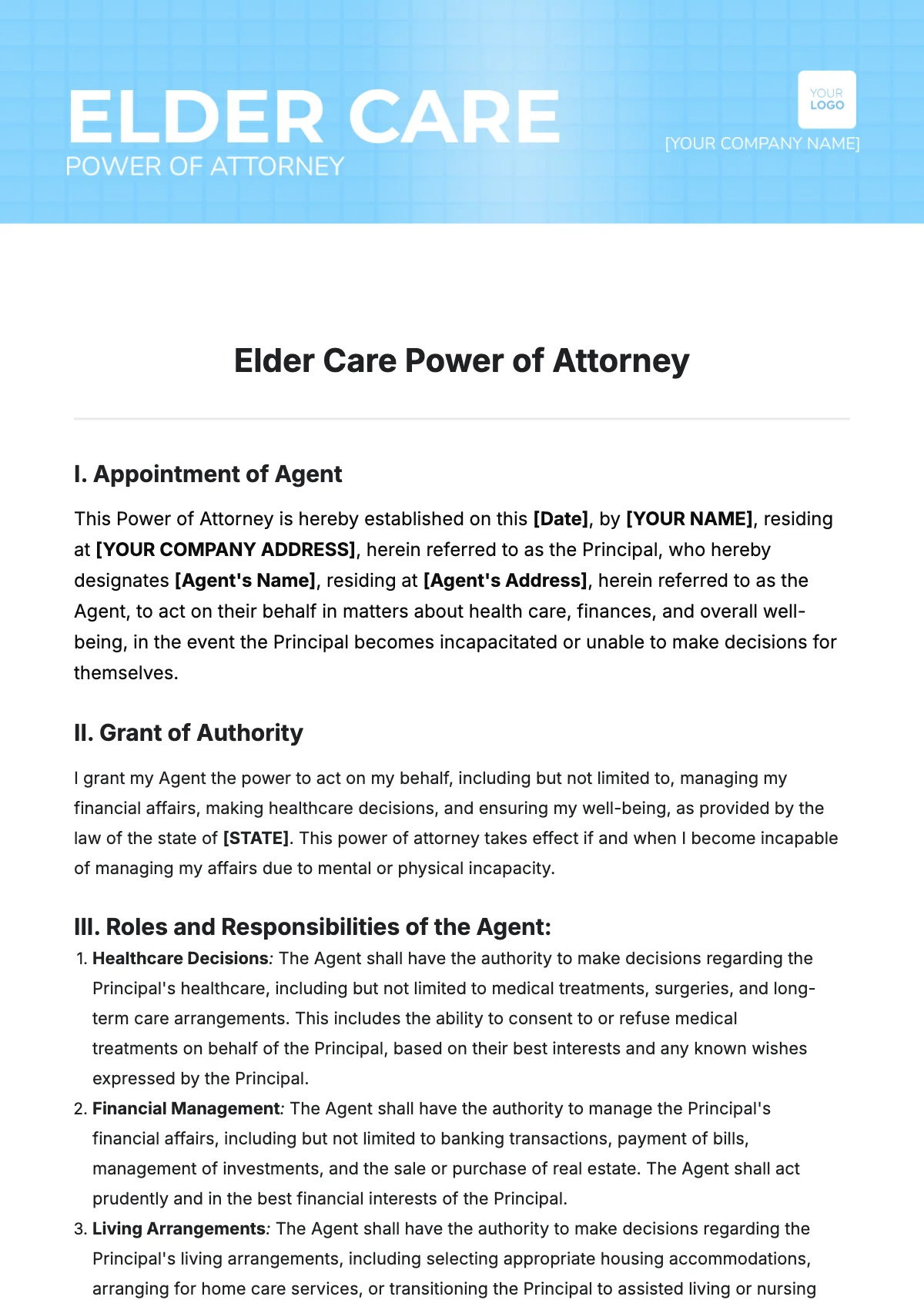
A calm conversation works better when it centers on support, not control. The message should be that POA is a tool for help and continuity, not a sign that a parent is losing all independence.
Choosing the right type of POA for health, finances, or both
Families usually need to decide whether the POA should cover finances, health care, or both. A financial POA can help with banking, taxes, insurance, and property matters, while a health care POA or medical proxy can help with treatment decisions and communication with doctors.
Some families choose a durable POA, which stays in effect if the parent later becomes incapacitated. Others use limited authority for a specific task or time period. The right choice depends on the parent’s situation and local legal rules.
Write down the practical tasks first: paying bills, speaking to doctors, managing mail, or handling benefits. That list makes it easier to decide which POA type fits the family’s real needs.
Signs it may be time to start the conversation with an aging parent
Common signs include missed payments, repeated confusion about documents, trouble keeping appointments straight, or a parent asking for help more often with paperwork. A major diagnosis, surgery, or move to assisted living can also be a natural time to bring it up.
The conversation does not need to mean something is wrong immediately. It can simply mean the family is planning ahead, the same way parents plan for school forms, emergency contacts, or childcare backups.
Why legal guidance matters even when the family “already agrees”
Family agreement is helpful, but it does not replace a valid legal document. Banks, hospitals, and government offices may require specific wording, signatures, witnesses, or notarization before they accept a POA.
Legal guidance can also prevent future problems. If the document is unclear, outdated, or incomplete, the family may still face delays when they need help most.
Do not assume that a verbal promise, a family text thread, or a handwritten note will be enough for financial or medical authority. Institutions usually need formal documentation.
Jamie Reed’s Humor Angle: Keeping the Topic Light Without Losing the Point
Even serious family topics benefit from careful tone control. Humor can help people stay engaged, but it should never distract from the practical purpose of the conversation or make an older parent feel dismissed.
For PunRealm readers, the best approach is not joke-heavy writing. It is a warm, family-friendly style that uses familiar situations to make the subject feel less intimidating while staying respectful and clear.
Best joke styles for this topic: gentle puns, relatable parent jokes, and calm observational humor
When humor is used in a sensitive topic like this, the most effective style is usually gentle and observational. A light comment about paperwork, sibling coordination, or “the family group chat becoming a project manager” can feel relatable without being harsh.
Relatable parent humor works because it reflects real life. It should sound like a shared family moment, not a roast of an aging parent or a joke at someone’s expense.
What makes the humor work for PunRealm readers in a family setting
Family readers respond best to humor that feels safe to share. If a line could be read aloud at a kitchen table, a caregiver meeting, or a newsletter, it is usually on the right track.
The strongest humor in this setting is subtle. It supports the advice by easing tension, not by competing with it. [Source: NASA Science]
How to avoid jokes that make aging, memory loss, or independence feel like a punchline
Some subjects should stay off-limits. Memory loss, declining health, and loss of independence can be deeply personal, and turning them into a joke can damage trust fast.
Good editorial judgment means knowing when to keep the tone warm and when to leave humor out entirely. If the family is in the middle of a medical crisis, practical clarity should come first.
In sensitive family topics, humor works best when it points at the situation, not the person. That keeps the message inclusive and prevents the tone from feeling cruel.
Where This Topic Fits Best: School Talks, TikTok Clips, Newsletters, and Family Assemblies
Power of attorney is not only a legal topic. It can also be part of caregiver education, family resource events, school community newsletters, and multigenerational support talks where adults are trying to handle real responsibilities.
Each setting needs a different delivery style. The core message stays the same, but the language, pace, and level of detail should change depending on the audience.
How to adapt the message for a school or community info session
For a school or community session, keep the explanation simple and practical. Focus on why families might need POA, what it helps with, and where to get legal advice rather than trying to define every legal term.
That approach works well for caregivers, teachers, and staff who may support families facing elder care decisions. It keeps the conversation useful without overwhelming the room.
Short-form delivery tips for TikTok or reels: quick hook, simple wording, no legal jargon overload
Short-form video needs a fast, clear opening. A strong hook might point to a common problem, such as “Who handles Mom’s bills if she cannot?” and then move quickly into a simple explanation.
For these platforms, avoid dense legal language. Viewers are more likely to stay with content that sounds human, direct, and easy to follow.
Newsletter and assembly-friendly framing for caregivers, teachers, and multigenerational audiences
Newsletter writing should be calm and organized. A brief explanation, a few practical examples, and a reminder to seek legal guidance usually work better than a long legal overview.
For assemblies or broader family audiences, the framing should be respectful and inclusive. The goal is to help people understand planning, not to pressure them into a one-size-fits-all solution.
In family communication, simple wording often performs better than technical wording because it lowers stress and makes follow-up questions easier to ask.
Joke Craft Tips for a Sensitive Caregiving Topic
If a writer chooses to use humor in this kind of article, the craft has to be careful. The joke should support understanding, not distract from the legal and caregiving information readers actually need.
The most shareable tone is usually the one that feels like a calm, knowing nod rather than a performance. That matters especially when the audience includes siblings, spouses, and adult children with different levels of comfort around elder care.
Use everyday parent scenarios instead of legal-heavy wordplay
Everyday scenarios are easier to connect with than legal wordplay. A line about sorting paperwork, chasing signatures, or trying to find the “important folder” can feel familiar without being confusing.
Legal-heavy jokes often fail because readers have to decode them before they can enjoy them. In a sensitive topic, that extra effort usually weakens the message.
Build a clean setup-and-payoff structure that supports the advice
Good humor needs structure. Start with a recognizable problem, then land on a simple twist that highlights the value of planning or communication.
If the setup is too long or the payoff is too clever, the advice gets buried. Clean structure keeps the article useful and readable.
Use humor as a bridge into the advice, not as the main event. One short, relevant line is usually enough to soften the topic without reducing its seriousness.
Keep the tone warm, respectful, and easy to share with siblings or spouses
Shared family topics travel fast. If the tone is respectful, one sibling is more likely to forward it to another without worrying that it sounds accusatory or dismissive.
That is one reason calm, warm writing tends to work well in parenting and caregiving spaces. It helps families talk about hard things without creating new tension.
Common Humor Mistakes to Avoid When Writing About Elder Care
Humor fails quickly when it crosses into mockery, confusion, or emotional insensitivity. In elder care topics, the wrong joke can make the reader feel less supported instead of more informed.
The safest approach is to stay grounded in the family experience and avoid anything that turns vulnerability into entertainment.
Overdoing sarcasm or making the parent look incapable
Sarcasm can easily sound cold in writing, especially when the subject involves aging or health changes. A parent should never be framed as a burden or a joke simply because they need help. [Source: Mayo Clinic]
Respect matters more than punchlines here. Readers need to feel that the article understands both the practical challenge and the parent’s dignity.
Using insider legal terms that kill the joke and confuse the reader
Too much legal vocabulary can flatten the tone and leave non-lawyer readers behind. Terms should be explained in plain language, especially when the audience includes adult children who are learning as they go.
If a joke depends on a legal term, it may not land. Clear writing is usually stronger than clever wording in this setting.
Forgetting that some readers may be in crisis, stressed, or grieving
Not every reader is browsing casually. Some are dealing with hospital decisions, sudden changes in capacity, or the emotional strain of watching a parent struggle.
That means the article should remain steady and compassionate. Humor, if used at all, should be gentle enough to step aside when the situation is serious.
A joke that would feel harmless in a casual parenting article may feel deeply out of place in an elder care context. Always check whether the reader needs comfort more than entertainment.
Age-Appropriateness and Family Sensitivity Notes for 2026 Audiences
In 2026, family audiences are often mixed. A single article may be read by adult children, spouses, grandparents, caregivers, and even teens who are helping with family communication.
That mix makes tone choices important. The writing should stay accessible to adults while remaining respectful to older readers who may be directly affected by the topic.
What works for adult caregivers versus mixed-age family audiences
Adult caregivers usually want direct, practical information. Mixed-age audiences may need even simpler wording, fewer assumptions, and a more explanatory tone.
If the audience includes younger readers, avoid references that depend on deep legal context or inside family politics. Clarity will serve the message better than cleverness.
How to keep the content respectful for older adults while still being funny
Respectful humor focuses on shared family behavior, not age itself. Paperwork piles, missed messages, and the challenge of coordinating schedules are all fair game because they describe the situation rather than the person.
That balance helps older adults feel included instead of targeted. It also makes the content easier for families to discuss together.
When to shift from humor-first to practical-first messaging
Shift to practical-first messaging when the reader is likely dealing with an urgent issue. If there is a hospitalization, a cognitive decline concern, or a time-sensitive legal question, the tone should become more direct and supportive.
Humor can still appear in small doses, but it should never slow down the path to useful action. In urgent situations, readers want the next step, not a detour.
- Gentle family observations
- Plain-language explanations
- Respectful, supportive tone
- Sarcasm about aging
- Legal jargon as a joke
- Anything that feels mocking
Final Recap: Making Power of Attorney Feel Manageable, Not Intimidating
A power of attorney for an elderly parent is best understood as a planning tool. It helps families organize responsibility, protect a parent’s wishes, and reduce confusion when important decisions need to be made.
The process works best when families talk early, choose the right type of authority, and get legal guidance instead of relying on assumptions. If humor is used in related content, it should stay gentle, respectful, and secondary to the advice.
Key takeaways on clarity, timing, respectful humor, and delivery
Clear language builds trust. Good timing makes the conversation easier. Respectful humor can lower tension, but only when it does not make the parent or the situation feel smaller than it is.
Closing line direction that leaves readers informed, reassured, and ready to act
The strongest finish is one that encourages a calm next step: start the conversation, gather the right documents, and ask a qualified professional for help so the family can move forward with confidence.
- POA helps families manage health, finances, and decision-making for an aging parent.
- Starting early reduces stress and lowers the chance of family confusion later.
- Legal guidance matters because verbal agreements are usually not enough.
- Humor should be gentle, respectful, and secondary to the practical advice.
Frequently Asked Questions
It lets a trusted person handle specific tasks such as finances, medical communication, or both, depending on the document. The exact authority depends on the type of POA and local law.
It is best to talk about it before a crisis, while the parent can still share preferences clearly. Early planning gives everyone time to ask questions and reduce stress.
Sometimes, but not always. Families may need separate financial and health care documents, and the rules depend on where they live.
Usually no. Banks, hospitals, and other institutions often require a formal legal document with the proper signatures and witness requirements.
It often helps to keep siblings informed, even if only one person is named on the document. Clear communication can prevent confusion and tension later.
Yes, if it is gentle, respectful, and not aimed at the parent’s age, health, or independence. In urgent or emotional situations, practical guidance should come first.

