

When parents are fighting, the first job is to help kids feel safe and remind them the conflict is not their fault. After that, use age-right coping tools and gentle repair to restore calm.
When parents are fighting, kids often need one thing first: reassurance that they are safe and not responsible. This guide explains how children experience conflict, what to say in the moment, and how to use calm, age-right support without making the situation feel bigger than it already is.
- Safety first: Reassure children before trying humor or explanations.
- Age matters: Younger kids need simple comfort; teens need honesty and respect.
- Skip blame: Never ask kids to choose sides or carry messages.
- Use calm tools: Breathing, drawing, and trusted adult check-ins can help.
- Repair teaches: Apologies and calm follow-up show kids how conflict can be resolved.
Understanding the “Parents Fighting” Keyword: What Readers Really Need in 2026
People searching for parents fighting are usually not looking for theory. They want calm, practical help for a child who has heard yelling, sensed tension, or seen an argument unfold at home.
The best advice is simple: reduce fear, avoid blame, and give children a clear next step. That means focusing on safety, reassurance, and routines that help a child settle emotionally before anything else.
Search intent: calming advice, kid reassurance, and practical next steps
In 2026, readers want guidance that works in real life, not just in a perfect parenting moment. They need language for the car ride after an argument, the bedtime conversation, and the school drop-off when a child is still upset.
They also want to know what not to do. A child does not need a lecture, a family meeting in the heat of the moment, or pressure to “be mature” about adult conflict.
Why this topic matters for PunRealm’s family-humor audience
PunRealm’s audience often appreciates lightness, but this topic calls for care first. Humor can help later, once a child feels secure, but it should never be used to brush off fear or pretend the conflict did not matter.
That balance fits a family-humor site well: keep the tone warm, human, and practical, while still respecting that conflict can feel huge to a child.
How Kids Experience Parents Fighting at Different Ages
Children do not all hear conflict the same way. Age changes how they interpret raised voices, slammed doors, silence, and the mood that follows.
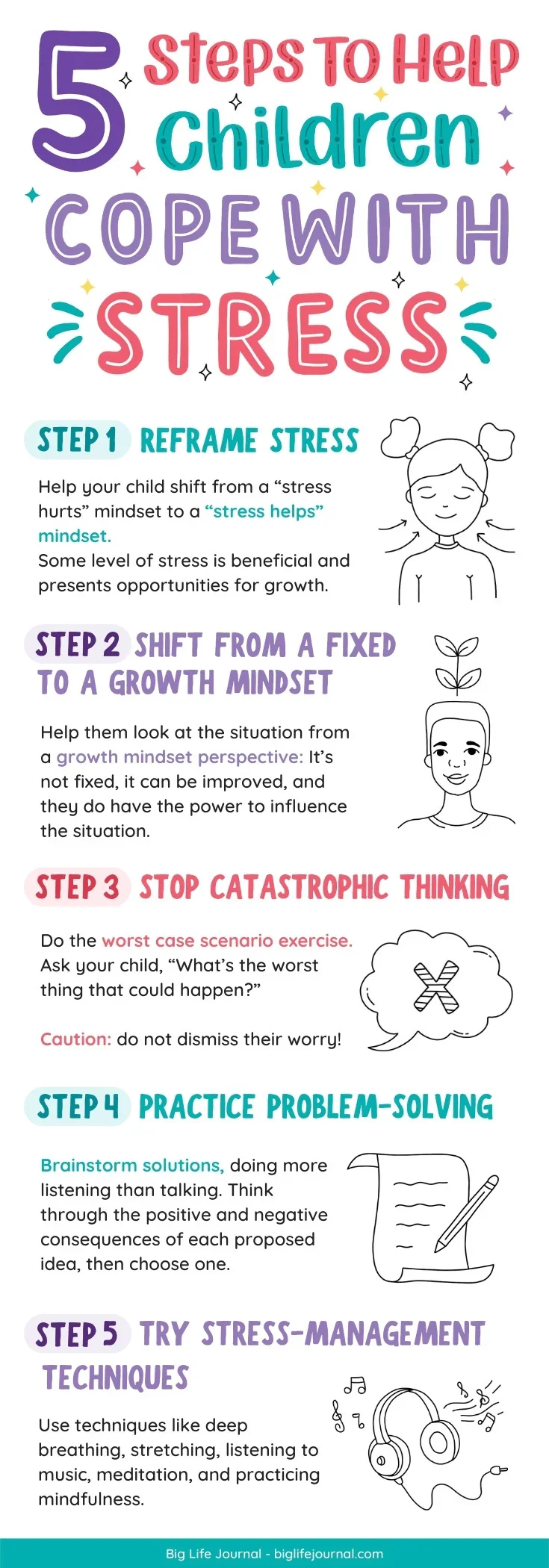
Knowing the difference helps parents respond in a way that fits the child instead of assuming one message works for everyone.
Toddlers and preschoolers: confusion, clinginess, and big feelings
Very young children often do not understand the words of an argument. They notice tone, facial expressions, and the emotional shift in the room.
After parents are fighting, toddlers and preschoolers may become clingy, cry more, regress in behavior, or seem extra sensitive at bedtime. They usually need comfort, routine, and simple sentences.
Elementary-age kids: self-blame, worry, and “fix-it” behavior
School-age children often understand enough to worry, but not enough to place the conflict in context. They may assume they caused it, especially if the argument happened after a request, mistake, or discipline moment.
Some children try to become peacekeepers. They may apologize too much, monitor adult moods, or try to “fix” the family by acting extra helpful. That can look responsible, but it is often anxiety in disguise.
Teens: anger, withdrawal, and skepticism toward adult humor
Teens are more likely to notice patterns and inconsistencies. They may feel angry if conflict seems repetitive, unfair, or unresolved.
Some withdraw, some challenge parents directly, and some respond with dry skepticism when adults try to soften the moment with humor. That does not mean humor is always wrong; it means timing and tone matter more with teens.
Age-appropriateness notes for comfort language and jokes
Use short, concrete comfort language with younger children: “You are safe,” “This is not your job,” and “We will handle this.”
With older kids and teens, you can be more direct and honest, but still avoid oversharing marital or relationship details. If you use humor, keep it gentle, not sarcastic, and never aimed at the other parent.
When children are upset, the goal is not to make the conflict disappear. The goal is to help them feel grounded enough to cope with it.
First Priority: Help Kids Feel Safe Before You Try to Make Them Laugh
Humor can be useful, but safety comes first. A child who feels scared will not hear reassurance if the adults around them seem emotionally out of control.
Start with calm voice, simple words, and predictable actions. That creates the emotional space where coping can begin.
What to say in the moment when voices get loud
Use brief, steady phrases that do not add more intensity. Examples include: “We are having an adult disagreement,” “You are safe,” and “We are taking a break and will come back to this.”
If the child is nearby, guide them to a quieter room, a trusted adult, or a familiar activity. The message should be: the adults are handling it, and the child does not need to solve it.
What not to say: minimizing, blaming, or asking kids to choose sides
Avoid comments like “It was nothing,” “Don’t be dramatic,” or “Tell your father/mother what you think.” Those statements can make a child feel dismissed or trapped.
Do not ask children to interpret adult motives or carry messages between parents. That turns them into messengers instead of children.
Calm-down routines kids can use at home, school, or in a car ride
Simple routines work best because they are easy to remember when emotions are high. Try slow breathing, counting objects in the room, holding a comforting item, or naming five things they can see.
These tools can travel with the child, which matters when parents are fighting and the child is in a car, at school, or staying with another caregiver.
Teach coping tools during calm moments, not only after conflict. Kids use a skill more easily when they have practiced it before they need it.
Using Humor Carefully: How Family Jokes Can Reduce Tension Without Trivializing Conflict
Humor can help children reset, but only if it does not dismiss what they feel. The best family humor in stressful moments is gentle, familiar, and emotionally safe. [Source: Education.com]
In practice, that means using humor to lower the temperature, not to erase the problem. A child should feel comforted, not mocked or hurried.
Jamie Reed’s joke-craft tips for gentle, non-sarcastic humor
Keep the joke about the situation, not the person. A light observation about a noisy door, a forgotten grocery list, or everyone needing a “pause button” works better than teasing one parent.
Neutral wording matters. If a joke sounds like criticism, kids may hear it as taking sides.
Gentle humor works best when it creates a shared reset. The child should feel invited to breathe, not pressured to laugh on command.
Best joke styles for stressed kids: silly wordplay, goofy observations, and reset lines
For younger children, silly wordplay or a goofy observation can be enough to interrupt the stress spiral. For example, a parent might point out that the family needs a “volume dial” instead of a lecture.
For older kids, a reset line can be more effective: “We are taking a break and returning with better brain power.” The point is to signal calm, not to perform comedy.
Common humor mistakes: sarcasm, teasing, inside jokes, and “too soon” punchlines
Sarcasm often lands as contempt when a child is already worried. Teasing can make the child feel like their fear is being minimized.
Inside jokes can also backfire if the child does not fully understand them. A joke that depends on adult context may leave kids more confused, not less.
Do not use humor to win the argument, embarrass the other parent, or pressure a child to “cheer up.” If the child is still tense, stop the joke and return to reassurance.
Delivery advice: tone, timing, body language, and knowing when to stop
Soft tone and relaxed body language matter more than clever wording. A joke delivered with a tight jaw or sharp voice can sound like another argument.
Know when to stop if the child is not responding. Humor should be an option, not an expectation.
Where the Advice Lands Best: School, TikTok, Newsletter, and Assembly Contexts
Different settings need different levels of detail. A coping message that works in a private conversation may need to be shortened, softened, or reframed for a group.
That is especially true when the audience includes children of mixed ages or adults who are reading quickly between tasks.
School setting: teacher-friendly reassurance and classroom-safe language
In school, teachers and counselors need language that is calm, neutral, and easy to repeat. Phrases like “You are safe here” and “We can take a quiet break” are usually more useful than long explanations.
School messages should avoid guessing about family conflict. The goal is support, not investigation.
TikTok setting: short, shareable coping tips with clear emotional boundaries
Short-form video works best when the message is simple and specific. A quick breathing cue, a one-sentence reassurance script, or a reminder to seek a trusted adult can be effective.
Even in a fast format, the boundary should stay clear: the content is support, not diagnosis, and not a replacement for professional help when needed.
Newsletter setting: warm, reflective guidance for parents and caregivers
A newsletter can go a little deeper because readers have more time. This is a good place to explain why children may blame themselves and how repair helps them learn what healthy conflict resolution looks like.
It is also a strong format for practical examples, such as what to say after the house is calm and how to check in the next morning.
Assembly setting: age-safe, inclusive messaging for groups of kids
In assemblies, the message should be broad, reassuring, and inclusive. Avoid details that might single out children whose family situations are private or complicated.
Keep the focus on coping tools, trusted adults, and the idea that feelings can be big without being dangerous.
Children often remember the emotional tone of a conflict more clearly than the exact words. That is one reason calm repair matters so much.
Practical Coping Tools Kids Can Use When Parents Fighting Happens
Kids do better when they have a few concrete tools they can use on their own. The best tools are simple enough to remember and gentle enough to use anywhere.
Think of them as emotional first aid: small actions that help the body settle so the mind can catch up.
Breathing, counting, and “quiet corner” resets
Slow breathing helps many children regulate after stress. Counting backward, counting objects by color, or sitting in a quiet corner can also help them regain a sense of control.
For some children, a comfort object or blanket works well. For others, a short walk with an adult is better than sitting still. [Source: Britannica]
Journaling, drawing, and naming feelings without pressure
Not every child wants to talk right away. Drawing, writing, or using feeling words on paper can help children express what they cannot say out loud yet.
The key is not to force a full explanation. A child may only be able to say, “I felt scared,” and that is enough to start.
Trusted adult check-ins and when to ask for extra support
Children should know which adults they can go to if they feel overwhelmed. That might be a parent after things calm down, a grandparent, a teacher, a school counselor, or another caregiver.
If conflict is frequent, intense, or frightening, extra support may be needed. A child who seems persistently anxious, withdrawn, or physically affected by stress may benefit from a conversation with a pediatrician or mental health professional.
Simple scripts kids can repeat to themselves for reassurance
Short self-talk can be helpful when a child is trying to stay calm. Examples include: “This is not my fault,” “The adults are handling this,” and “I can ask for help if I need it.”
These phrases work best when adults have already used them consistently. Familiar words are easier to trust.
- Short reassurance
- Gentle reset lines
- Age-right coping tools
- Sarcasm
- Side-taking
- Pressure to laugh
What Parents Can Do After the Argument to Repair and Reassure
The conversation after the conflict often matters more than the conflict itself. Children learn from repair: how adults calm down, take responsibility, and reconnect.
That repair does not need to be perfect. It needs to be honest, brief, and child-centered.
Apologizing in kid-friendly language
Use plain language such as, “I’m sorry you heard us arguing,” or “We were upset, and we should have handled that more calmly.”
A child does not need a full adult explanation. They need to hear that the adults recognize the impact.
Explaining that conflict is not the child’s fault
Say it directly, and more than once if needed. Children often need repetition before they truly believe it.
Clear reassurance sounds like: “You did not cause this,” “This is between the adults,” and “You are not responsible for fixing it.”
Showing healthy repair so kids learn what calm resolution looks like
When possible, let children see the repair process in a mild, age-appropriate way. That might include an apology, a calmer voice, or a plan for handling the issue later.
This teaches an important lesson: conflict can happen without breaking the family’s sense of safety.
Repair works best when it is specific. Instead of “sorry for everything,” name the behavior, name the impact, and name the plan for next time.
Final Recap: Keep It Calm, Keep It Honest, Keep It Age-Right
When parents are fighting, kids need safety first, honesty second, and humor only when it truly helps. The right response depends on the child’s age, the intensity of the conflict, and how quickly the adults can restore calm.
Used carefully, humor can be a small bridge back to ease. Used poorly, it can feel dismissive, confusing, or unfair.
Key takeaways for helping kids cope with parents fighting
Focus on reassurance, not performance. Give children simple words, predictable routines, and a clear reminder that the conflict is not their fault.
Then, when the moment is right, use gentle, non-sarcastic humor only if it lowers stress rather than hiding it.
How PunRealm’s humor-first approach supports comfort without making light of pain
PunRealm’s family-friendly style works best here when it respects the emotional reality of the moment. The goal is not to turn a hard experience into a punchline.
The goal is to help families stay calm, stay connected, and move toward repair with care, clarity, and age-right support.
Frequently Asked Questions
Keep it short and reassuring. Say that they are safe, the argument is not their fault, and the adults will handle it.
Only if the child already feels calmer. Gentle humor can help reduce tension, but it should never dismiss fear or pressure the child to cheer up.
Toddlers may cling or cry, elementary-age kids may blame themselves, and teens may withdraw or become angry. Age changes how they interpret conflict and what kind of comfort helps most.
Avoid blaming, minimizing, asking kids to choose sides, or using them as messengers. Those responses can make children feel responsible for adult conflict.
Breathing, counting, journaling, drawing, and checking in with a trusted adult can all help. The best tools are simple, repeatable, and easy to use anywhere.
If conflict is frequent, intense, or frightening, or if a child seems persistently anxious or withdrawn, extra support may help. A pediatrician, counselor, or trusted school professional can be a good starting point.

