
Choosing Best Water for Baby Formula comes with more questions than most parents expect. Tap water works fine in many areas, but some households prefer bottled options for travel, well water concerns, or a doctor’s specific recommendation. Bottled water made for formula prep removes some of that guesswork.
Nursery water, distilled water, and purified water are not identical products. Distilled water goes through a process that removes minerals entirely, which some pediatricians prefer for mixing formula. Purified water may have a small amount of minerals added back for taste, and some nursery waters include fluoride-free labeling since the American Academy of Pediatrics has noted that added fluoride is not needed for infants under six months. The right choice depends on what a pediatrician recommends and how the water fits into daily routines, whether that means small bottles for travel or gallon jugs for home use.
Bottle size, portability, and cost per ounce matter just as much as purification method. A single-serve bottle prevents waste and contamination once opened, while bulk formats save money for households mixing several bottles a day. This roundup compares nursery waters, distilled options, and one water warmer accessory to help parents match a product to their routine.
Best for travel and diaper bags: Pure Life Baby Purified Water
Best for daily formula mixing at home: Bay Bay Water Distilled Water for Babies
Best for international travel: ABC Baby Water Distilled Water
Best for nighttime feedings: AQUAWAWA Nursery Water
Best value for large families: 365 by Whole Foods Market Distilled Water
Best for babies with sensitive stomachs: Snugell 20oz Distilled Water for Babies
Best for households sharing water across uses: Snugell 16.9oz Distilled Water
Best for bulk home storage: Deer Park Distilled Water Gallon Jug
Best for stocking up on a budget: Generic Distilled Water 1 Gallon 6-Pack
Best accessory for warming formula water: Momcozy Instant Water Warmer
Pure Life Baby Purified Best Water for Baby Formula
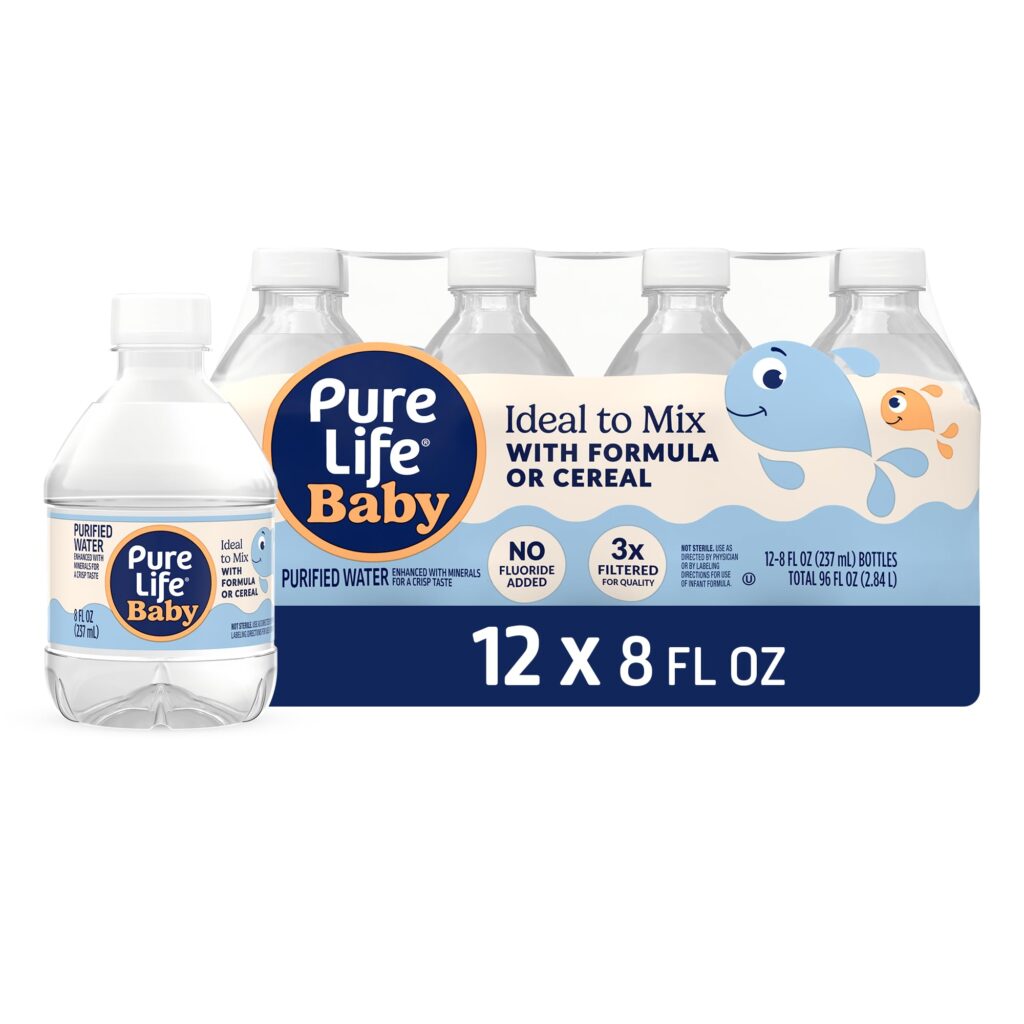
This is a solid pick for parents who want small, grab-and-go bottles for diaper bags and car rides.
Pros
- Compact 8 fl oz bottles fit cupholders and diaper bags
- No fluoride added, with minerals included for taste
- 3x filtered and meets FDA bottled water standards
Cons
- Contains added minerals, which some pediatricians advise against for formula
- Not sterile, so it requires following formula label instructions
- Smaller bottles mean more packaging waste over time
Pure Life Baby markets itself specifically for formula and cereal prep, with a 12-pack of 8 fl oz bottles sized for travel. The added Potassium Bicarbonate improves taste but means this water is not mineral-free, which matters for parents whose pediatrician recommends distilled water instead. Reviewers note the bottles fit well in bags and hold up during outings. It works best as a travel companion rather than a primary at-home water source for daily formula batches.
Bay Bay Water Distilled Water for Babies

This 24-pack of 16.9 fl oz bottles suits families who mix several formula bottles daily and want mineral-free water without buying gallons.
Pros
- Distilled water free of minerals, fluoride, and contaminants
- Larger 16.9 fl oz size reduces the number of bottles needed per day
- Third-party tested to FDA standards
Cons
- Priced higher than some jug-based distilled water
- Bottles are heavier and bulkier than 8 oz nursery water
- Multiple reviewers mention the cost feels steep for the size
Bay Bay Water goes through a multi-step distillation process, which removes minerals some pediatricians prefer to avoid in infant water. The 16.9 oz bottle size hits a middle ground between tiny travel bottles and gallon jugs, making it practical for daily formula prep at home. Reviewers who use it for newborns report no digestive issues, though several mention the price as a drawback compared to buying water in bulk.
ABC Baby Water Distilled Water

This water suits parents preparing for international travel or trips where local tap water is a concern.
Pros
- 9-step distillation removes minerals, sodium, and fluoride
- Bottled and sourced in the USA under FDA guidelines
- 16.9 fl oz bottles pack easily into luggage or a diaper bag
Cons
- No minerals means it should only be used as directed for formula, not as a general drink for older kids without guidance
- Reviewers note the price adds up for larger families
- Cute animal labels are a nice touch but do not affect performance
ABC Baby Water appeals to parents who want documented purification steps and a product made specifically with infants in mind. Several reviewers used it while traveling internationally and reported no issues getting it through airport security once sealed. The lack of minerals and fluoride aligns with some pediatric guidance for infants under six months, though parents should still confirm preparation instructions with their formula brand and doctor.
AQUAWAWA Nursery Water
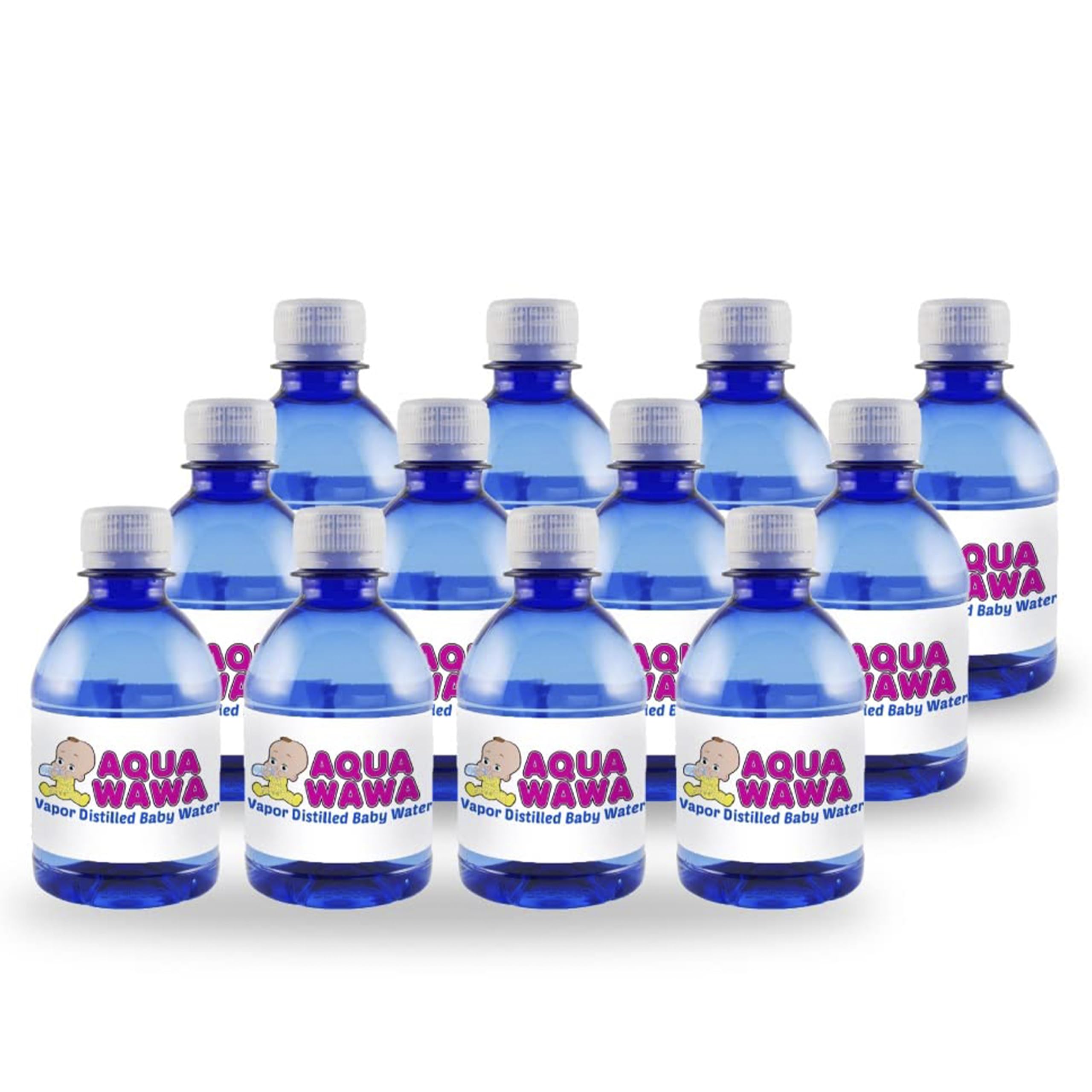
This nursery water works well for late-night feedings thanks to its small, single-serve 8 oz bottles that reduce measuring and mess.
Pros
- Vapor distilled and free of fluoride, BPA, and added minerals
- Small 8 oz size limits waste once opened
- Made in the USA with a straightforward ingredient list
Cons
- Limited review history compared to larger competing brands
- 8 oz size means more bottles needed for full-day formula prep
- Higher per-ounce cost than gallon-format distilled water
AQUAWAWA positions its nursery water as a mom-developed option built around simplicity: no minerals, no fluoride, and no unnecessary additives. The 8 oz bottles work well for nighttime feedings when a full 16.9 oz bottle would go to waste. Feedback is limited so far, but early reviewers describe it as convenient for travel and for keeping on hand when grandchildren visit.
365 by Whole Foods Market Distilled Water

This large 128 fl oz jug offers an economical way to keep distilled water on hand for formula prep and other household needs.
Pros
- Steam-distilled with no minerals or additives
- Large 128 fl oz size lowers cost per ounce
- Widely reviewed with consistent feedback on taste and quality
Cons
- Not marketed specifically for babies, so labeling omits infant-specific claims
- Large jug is less portable than single-serve bottles
- Requires transferring to smaller containers for travel
This distilled water is a general household product, not one marketed for infants specifically, though its mineral-free composition matches what many pediatricians recommend for formula. It works well for parents who go through a lot of water for mixing bottles and also use it for humidifiers or other appliances. The large format saves money over nursery-specific brands, provided a clean pouring routine is used to avoid contamination.
Snugell 20oz Distilled Water for Babies
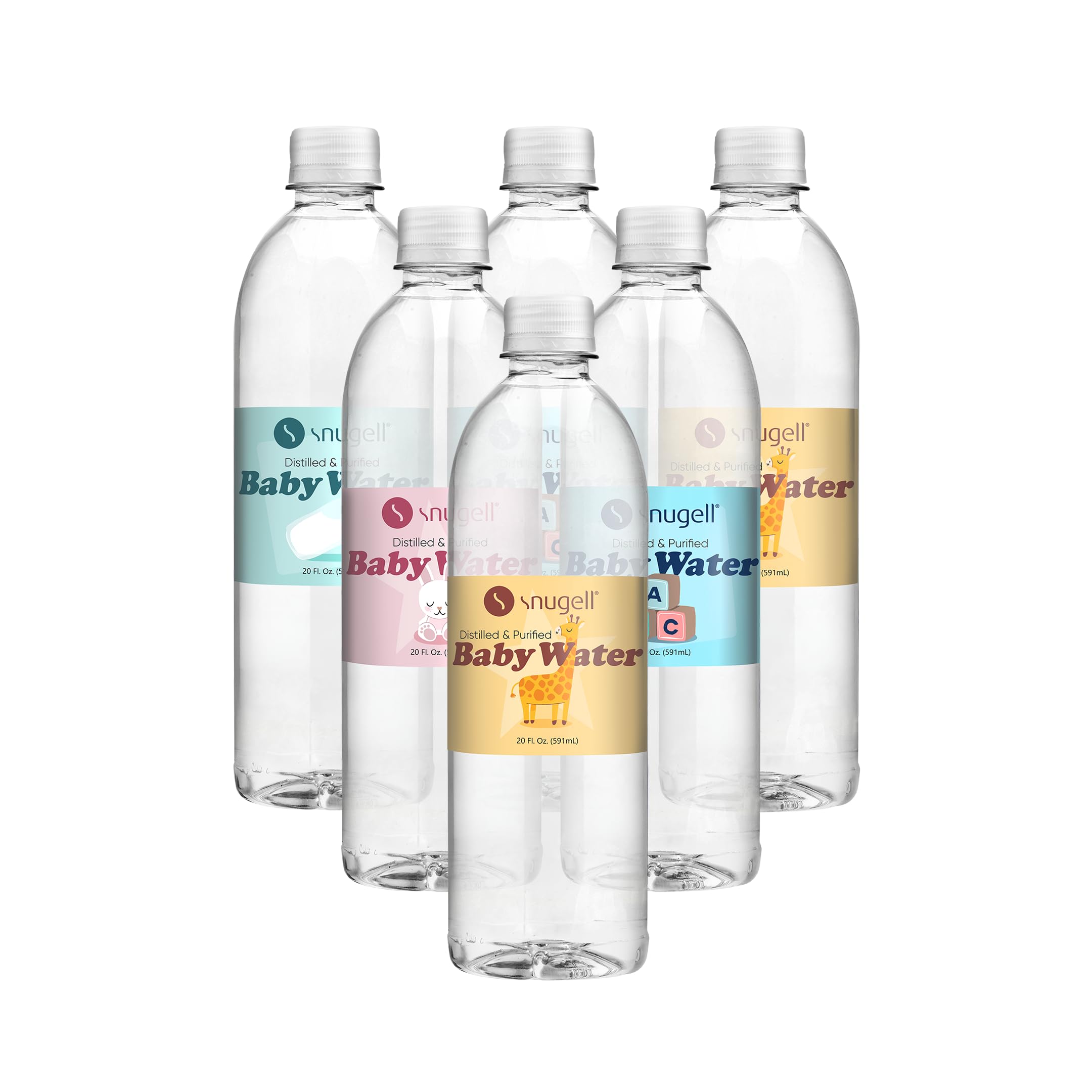
This water suits parents whose pediatrician recommends strictly mineral-free water due to a baby’s sensitive digestion.
Pros
- Multi-step distillation removes minerals and impurities
- 20 fl oz size offers more water per bottle than standard nursery water
- Marketed specifically for ages 0 to 12 months
Cons
- Some reviewers feel the price is high compared to buying gallons and dividing at home
- Six-pack means fewer bottles per case than 12- or 24-packs
- Mixed reviews on overall value for the size offered
Snugell’s baby-specific line targets infants directly, with labeling for ages 0 to 12 months and a distillation process meant to avoid stomach discomfort linked to mineral content. The 20 oz bottle size is a bit larger than typical nursery water, which can mean less frequent repurchasing. A few reviewers say the cost outweighs the convenience compared to buying a gallon and refilling smaller containers at home.
Snugell 16.9oz Distilled Water

This option works for households that need distilled water for more than just formula, including CPAP machines or humidifiers.
Pros
- Free from fluoride, chloride, and common contaminants
- Resealable bottles help limit waste
- Doubles as safe water for medical devices, not just formula
Cons
- Not labeled specifically for infants
- One reviewer notes the taste felt less crisp than expected
- 12-pack of 16.9 oz bottles is bulkier than baby-specific brands
Snugell’s general distilled water is built for shared household use, appealing to parents who also run a CPAP machine or humidifier and want to buy one type of water for multiple purposes. It carries the same mineral-free purification as baby-specific brands without infant marketing on the label. That makes it a practical, lower-cost alternative for formula prep once a caregiver confirms it meets their pediatrician’s guidance.
Deer Park Distilled Water Gallon Jug
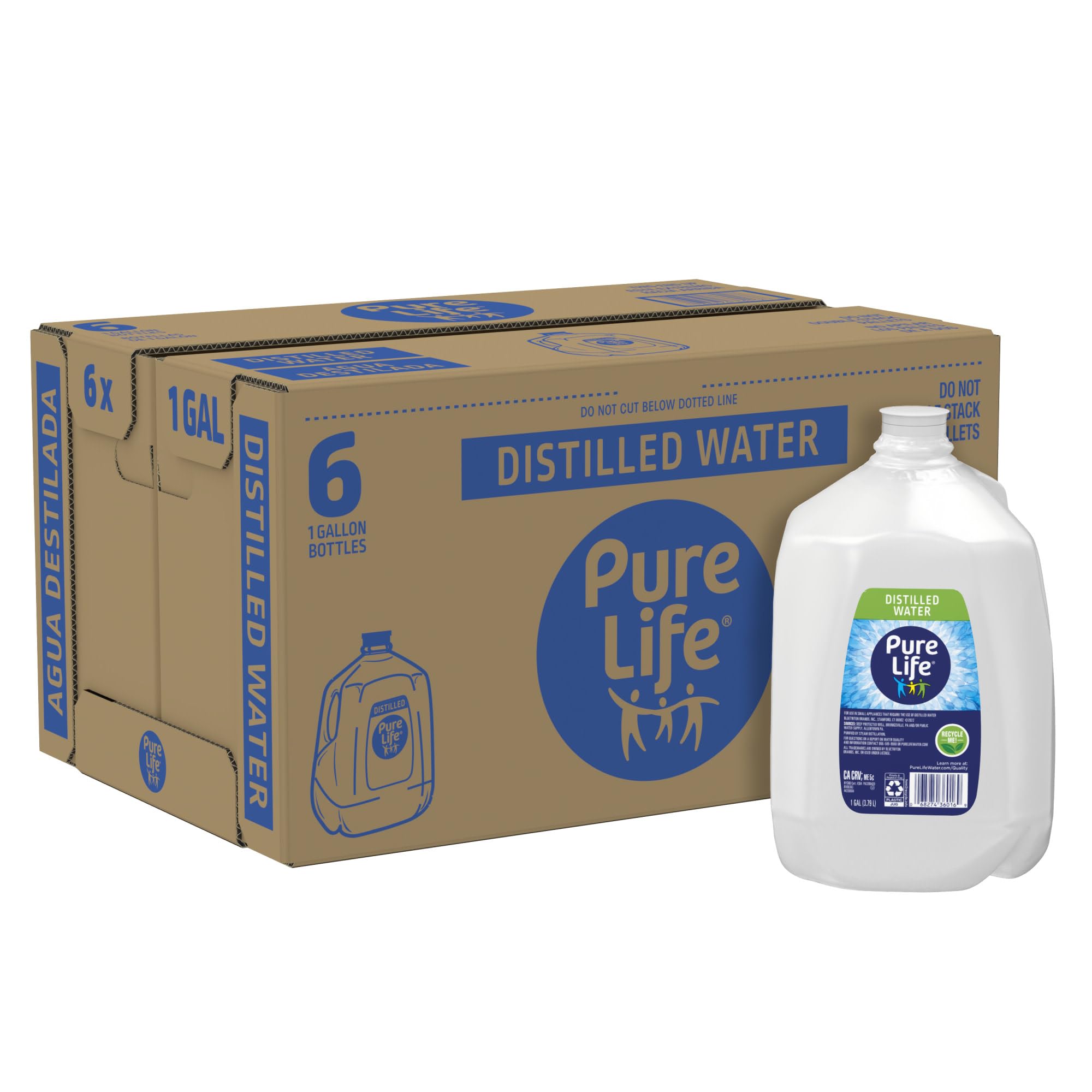
This gallon jug fits homes that go through a lot of distilled water and want to minimize trips to the store.
Pros
- Large 1-gallon size reduces the need for frequent restocking
- Easy-pour bottle design simplifies daily use
- Distilled process avoids mineral buildup in appliances too
Cons
- Heavy and bulky compared to smaller bottled formats
- Some reviewers mention pricing is steep for the volume
- Not marketed with infant-specific claims
A gallon jug of distilled water works well as a backup supply, especially for parents who also use distilled water for a humidifier or steam appliance. The easy-pour design helps when transferring water into bottles for formula prep. Reviewers mostly praise the convenience of having it delivered rather than hauling jugs from a store, though a few flag the price as high for a basic jug of water.
Generic Distilled Water 1 Gallon 6-Pack
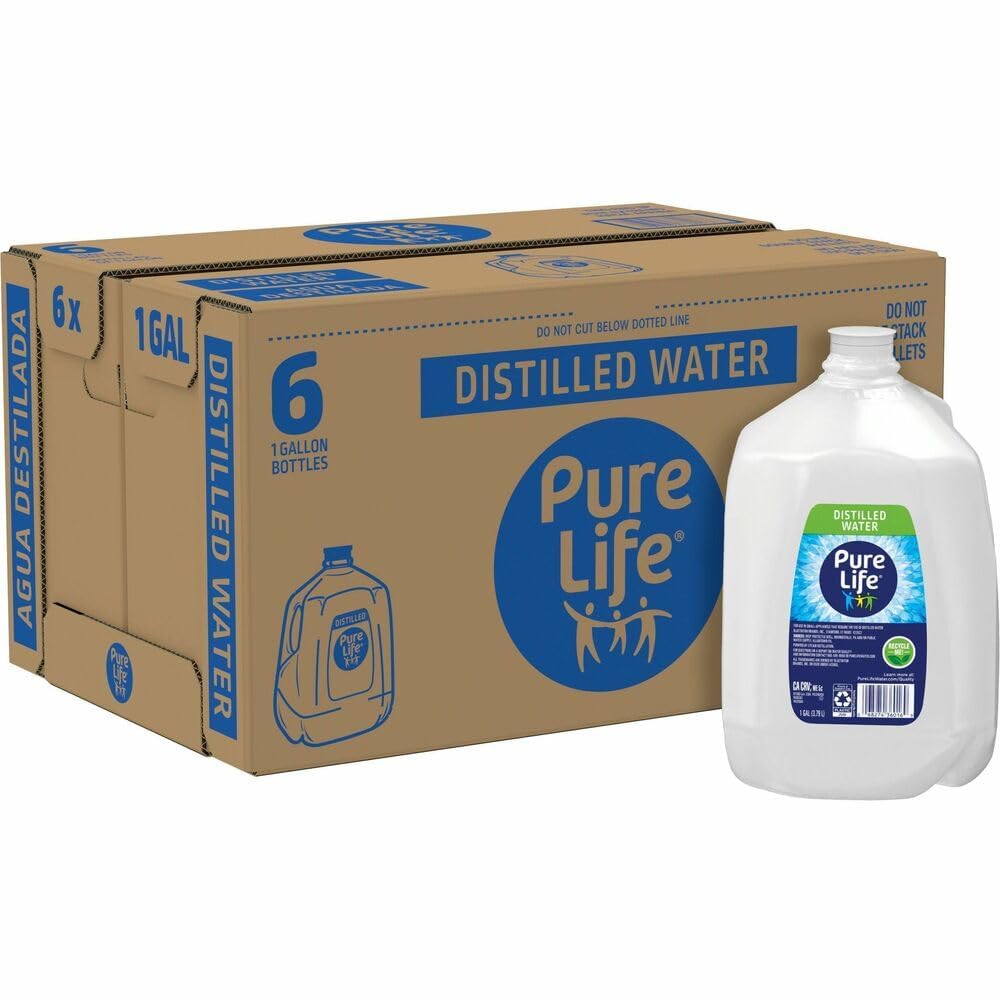
This 6-pack of gallon jugs offers a budget-friendly way to stock up on distilled water for formula prep and other household needs.
Pros
- Six 1-gallon jugs provide a large supply at once
- BPA-free bottles with secure caps for storage
- Suitable for formula, CPAP machines, and general household use
Cons
- Very limited review history to confirm consistency
- Bulk weight makes storage and handling less convenient
- Not a baby-specific product, so labeling is general purpose
This bulk option targets parents who want to stock up once rather than repurchase small bottles weekly. Each gallon works for formula mixing, appliance use, or emergency water storage, giving it flexibility beyond the nursery. Since it carries limited customer feedback so far, first-time buyers may want to confirm freshness and packaging quality upon arrival before committing to repeat orders.
Momcozy Instant Water Warmer
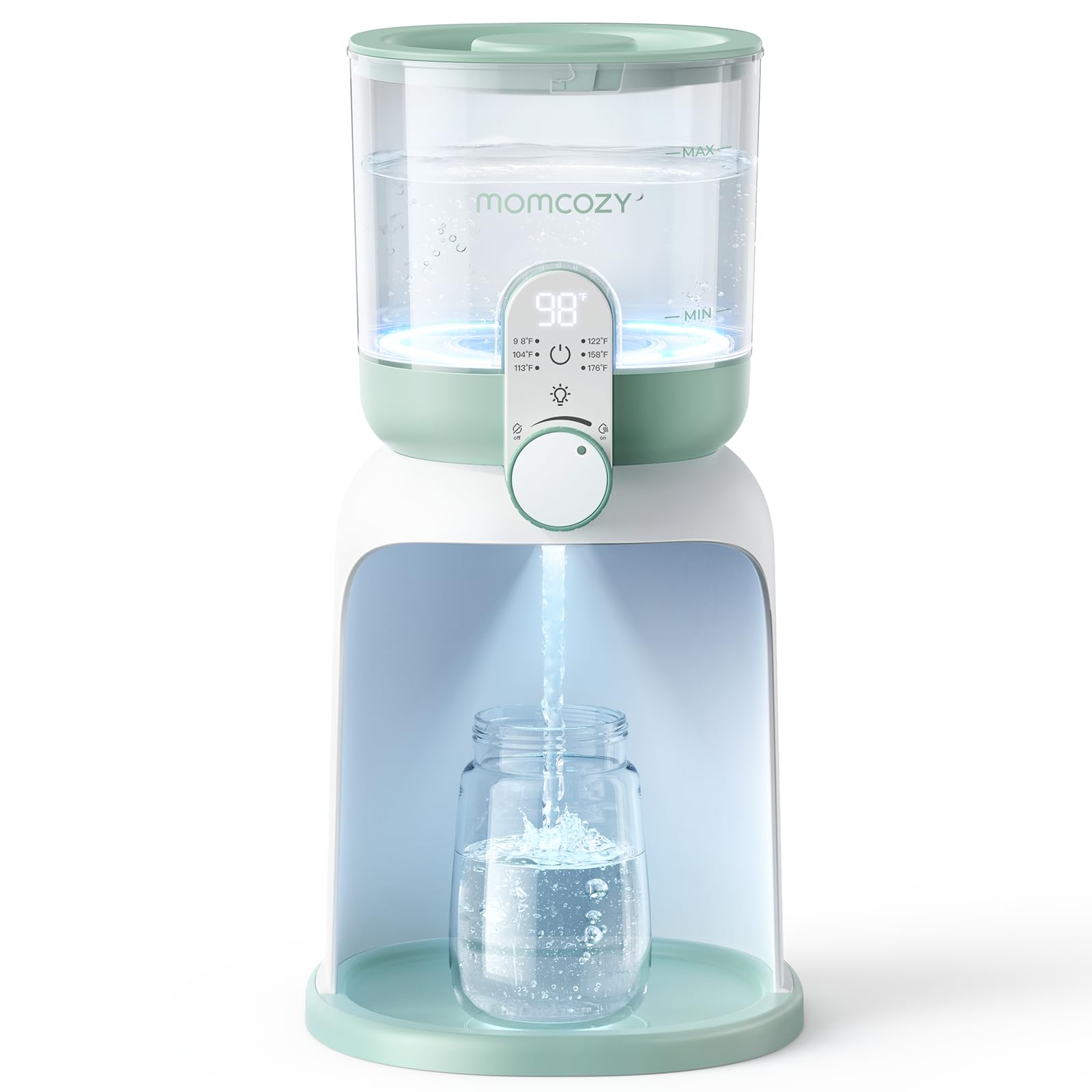
This is a formula preparation accessory, not a source of drinking water, and it pairs with any of the bottled waters above.
Pros
- Six adjustable temperature settings from 98.6°F to 176°F
- 57 fl oz tank makes multiple bottles before refilling
- Dual night lights help with feedings in the dark
Cons
- Some units reported as defective on arrival
- Tank is plastic, which a few reviewers wish were glass
- Requires the caregiver to still supply their own water
The Momcozy warmer heats water that parents pour in themselves, so it works alongside bottled nursery water, distilled water, or filtered tap water depending on what a pediatrician recommends. It does not filter or purify anything; it only maintains temperature and dispenses on demand. Parents managing overnight feedings appreciate the constant-warmth feature and low-glow lights, though a small number of reviewers report inconsistent heating from a defective unit.
Buying Guide
Understand the Purification Method First
Distilled water goes through a process that removes virtually all minerals, along with contaminants like lead, chlorine, and bacteria. Purified water may go through filtration but sometimes has minerals added back for taste. Nursery water is a marketing term, not a regulated category, so checking the label for “distilled” or “purified” tells more than the words “baby” or “nursery” alone.
| Type | Minerals | Common Use |
|---|---|---|
| Distilled | None | Preferred by some pediatricians for formula |
| Purified with minerals added | Small amount | General hydration, taste preference |
| Nursery water (varies) | Depends on brand | Marketed for infants, check label |
Check Fluoride Content
Fluoride content matters because the American Academy of Pediatrics has noted that infants under six months do not need added fluoride. Many products marketed for babies advertise “no fluoride added,” while general bottled water may not mention fluoride at all. A pediatrician can advise on local tap water fluoride levels and whether that affects the choice of bottled water.
Match Bottle Size to How the Water Will Be Used
Bottle size affects both convenience and waste.
- 8 oz bottles suit single feedings and reduce leftover water going unused after opening.
- 16.9 to 20 oz bottles work for parents making two or more bottles at a time.
- Gallon jugs offer the lowest cost per ounce but require careful, clean pouring habits to avoid contaminating the water.
Factor In Portability and Storage
Small bottles travel well in diaper bags and cupholders, while gallon jugs are better suited to staying at home near a bottle prep station. Families who travel often may want a mix of both formats: a case of small bottles for outings and a jug for daily use at home.
Weigh Cost Against Convenience
Bulk formats generally lower the price per ounce, while single-serve bottles cost more but reduce prep time and the risk of using water that has sat open too long. A simple way to compare is to calculate cost per ounce across brands rather than judging by the sticker price of a multipack.
Confirm the Product Is Actually Meant for Drinking
Water warmers, bottle sterilizers, and formula dispensers are accessories, not water sources. They heat or dispense water that a caregiver provides, so the safety and purification questions above still apply to whatever water goes into the device. Checking product descriptions carefully avoids confusing a preparation tool with the water itself.
When in Doubt, Ask a Pediatrician
Local tap water quality, fluoride levels, and a baby’s individual health needs vary by household. A pediatrician or local public health department can offer guidance specific to a family’s water supply and formula brand, which is more reliable than any general label claim on a bottled water product.