

The first feces of a newborn is usually meconium, a dark sticky stool that appears in the first day or two. It is normal at first, but parents should watch for feeding problems, no stool passage, or unusual colors.
The first feces of a newborn is called meconium, and it is usually a normal sign that your baby’s digestive system is starting to work. In most cases, it appears within the first day or two after birth and then changes as feeding begins.
- Meconium is normal: The first newborn stool is usually dark, sticky, and thick.
- Timing matters: Many babies pass it in the first 24 hours, though some take longer.
- Watch the transition: Black should move toward green and then yellow as feeding begins.
- Track the whole picture: Wet diapers, feeding, and behavior matter as much as stool color.
- Know the red flags: No stool, poor feeding, vomiting, blood, or a swollen belly needs medical advice.
What the First Feces of a Newborn Is and Why It Matters
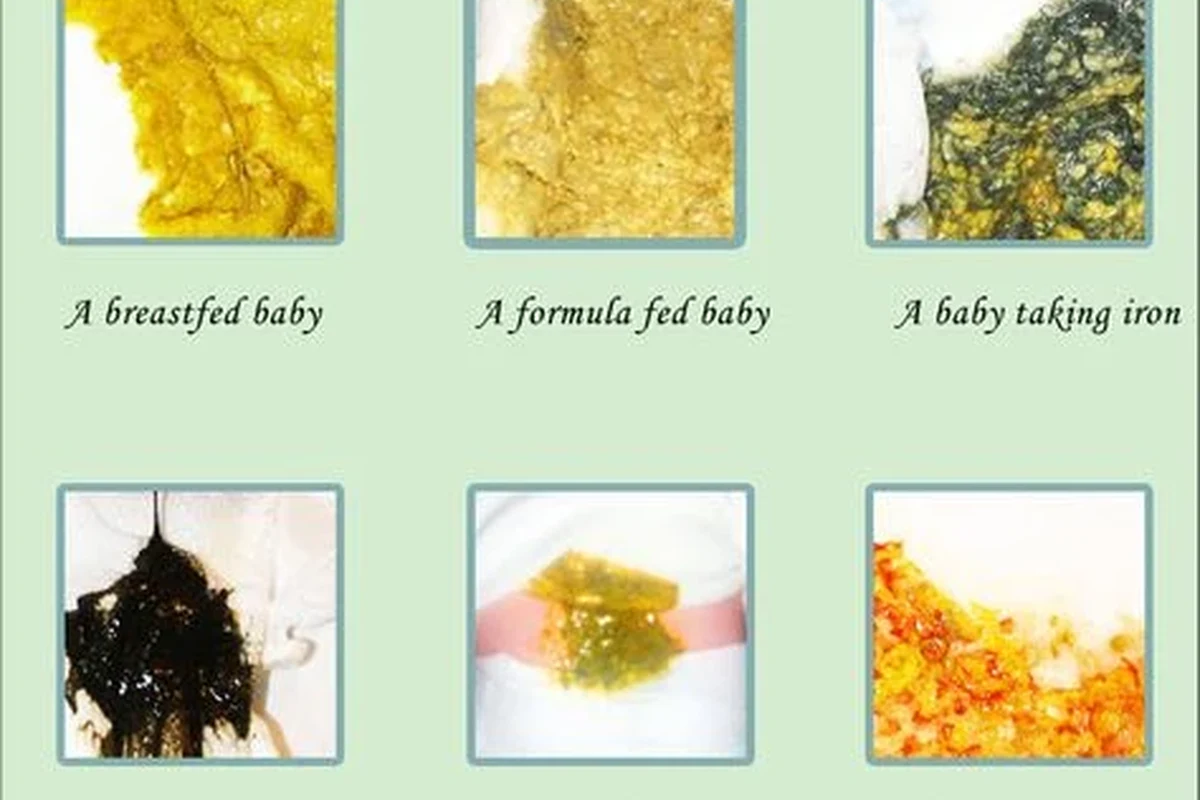
Meconium is the sticky, dark first stool a baby passes after birth. It matters because it helps parents and clinicians confirm that the baby is eliminating waste and beginning the transition from womb life to feeding outside the womb.
Meconium vs. later newborn stools
Meconium is not the same as the stools that come later. It is made up of materials the baby swallowed before birth, including amniotic fluid, skin cells, mucus, and other substances that built up in the intestines during pregnancy.
As feeding starts, stool usually shifts away from black and tar-like meconium and becomes greener, then yellow or mustard-colored, depending on feeding type. That transition is one of the clearest signs that digestion is moving in the expected direction.
What parents should expect in the first 24–48 hours
Many newborns pass their first stool within the first 24 hours, though some take longer. In the first 24–48 hours, parents may see one or more dark, sticky diapers before the stool begins to change color and texture.
The timing can vary by birth history, feeding progress, and whether the baby was born full-term or preterm. If your baby has not passed stool within the expected window, a pediatric clinician can help decide whether it needs attention.
Normal Appearance, Texture, and Timing in the First Days
New parents are often surprised by how different the first stool looks from later diapers. The good news is that meconium has a very recognizable pattern, and most changes over the first several days are part of normal newborn transition.
Typical color, thickness, and smell
Meconium is usually dark green, black, or very deep brown. It is thick, sticky, and sometimes hard to wipe away, which is why it can look alarming even when it is normal.
It usually has little odor compared with later stools. That is because it has not yet been shaped by regular feeding and gut bacteria in the way later stools are.
Meconium is often so sticky that it can cling to the diaper more like tar than typical baby poop, which is why gentle wiping matters.
How long it can take to pass the first stool
Some babies pass meconium shortly after birth, while others need more time. A delay can happen for reasons that are harmless, but it can also be a clue that feeding is not yet well established or that a baby needs medical assessment.
If the baby seems well, is feeding, and is producing wet diapers, a short delay may not be an emergency. Still, it is worth telling the care team if the first stool has not appeared in the expected timeframe.
Signs that are usually normal vs. worth monitoring
Usually normal: dark sticky stool in the first days, gradual color change, and increasing stool frequency as feeds increase. Worth monitoring: no stool passage, very hard belly, repeated vomiting, weak feeding, or fewer wet diapers than expected.
Seek prompt medical advice if the baby has a swollen abdomen, green vomit, blood in stool, or seems unusually sleepy and hard to wake for feeds.
Who This Applies To: Newborn Stage and Feeding Context
This topic applies to the newborn period, especially the first days after birth when stool patterns are changing quickly. Feeding method and gestational age can affect both the timing and the look of the first stool.
Full-term vs. preterm babies
Full-term babies often pass meconium within the first day, but preterm babies may have more variation in timing and stool pattern. Preterm infants may also be monitored more closely because their digestive systems can be less mature.
That does not mean a preterm baby’s first stool is automatically concerning. It does mean parents should follow the nursery or NICU team’s guidance closely and ask about expected diaper patterns.
Breastfed, formula-fed, and mixed-fed newborns
Feeding type influences how quickly stool changes from meconium to transitional stool. Breastfed babies often move toward looser, yellow stools, while formula-fed babies may have stools that are a bit firmer and tan or yellow-brown.
Mixed-fed babies may show a blend of patterns. What matters most is not one perfect stool color, but the overall trend toward regular feeding, wet diapers, and normal stool progression.
For new parents, the first stool is less about “cleaning up a mess” and more about reading a basic sign that feeding and digestion are getting started.
How the first stool changes as feeding begins
Once milk or formula intake increases, the stool usually becomes less sticky and lighter in color. This transition can happen over a few days, and it often goes from black to green to yellow.
That shift is one of the most useful things parents can observe at home. It tells you, in simple terms, that the baby is no longer passing only prenatal waste and is now processing nourishment.
Key Things to Watch for in the First Week
The first week is a good time to watch patterns rather than isolated diapers. A single unusual stool is often less important than the combination of stool, urine output, feeding, and the baby’s overall behavior.
Number of wet and dirty diapers by day
Wet and dirty diaper counts usually increase as feeding improves. Exact expectations vary, but a baby should generally have more frequent wet diapers over the first several days and a gradual rise in stool output as milk comes in.
- Keep a simple diaper log for the first week.
- Track wet diapers, dirty diapers, and feeding times together.
- Share the pattern with your pediatrician if you have concerns.
When stool color should transition from black to green to yellow
Many babies start with black meconium, then move through greenish transitional stools, and eventually reach yellow stools once feeding is established. The exact pace depends on how quickly the baby is taking in milk or formula.
If the stool stays black beyond the expected transition period, or if it never seems to lighten at all, bring it up with a clinician. The same is true if stool becomes pale, white, or clay-colored, which is not a typical newborn pattern.
Warning signs that may need pediatric advice
Call a pediatric clinician if the baby is not feeding well, has very few wet diapers, has no stool passage, or seems uncomfortable in a way that does not improve. Also ask for advice if you see blood, persistent vomiting, or a belly that seems unusually distended.
If you are unsure whether a diaper change is normal, take a photo for your clinician and note the time, color, and feeding history. That can make a phone call or visit more useful.
Common Mistakes Parents Make When Interpreting Newborn Stool
It is easy to overread newborn diapers, especially when you are tired and seeing something unfamiliar. A calm, pattern-based approach usually works better than reacting to one diaper in isolation.
Confusing meconium with later digestive issues
Meconium can look dramatic, but by itself it is usually just the normal first stool. Parents sometimes worry that the dark color means something is wrong when it is actually the expected starting point.
What matters is whether the stool progresses as feeding progresses. If the diaper stays stuck in the meconium stage, that is when it becomes more important to ask for guidance.
Overreacting to color changes that are part of normal transition
Black turning to green is usually part of the normal newborn transition. Some babies even have a few mixed-color diapers before things settle into a more typical feeding stool pattern.
It helps to remember that newborn stool is not supposed to look “normal” right away. The first week is often a transition period, not a finished pattern.
Missing red flags like no stool passage or poor feeding
The bigger concern is not a messy diaper but a baby who is not feeding, not producing wet diapers, or not passing stool at all. Those signs can point to dehydration, feeding difficulty, or another issue that deserves attention.
Parents sometimes focus so much on color that they miss the overall picture. The baby’s feeding behavior and diaper count are often more informative than the appearance of one stool.
Safe Care and Cleanup for the First Feces of a Newborn
Meconium is messy, but cleanup is straightforward when you use gentle, skin-friendly habits. The goal is to protect the baby’s delicate skin while keeping the diaper area clean and dry.
Diapering, wiping, and skin protection basics
Use soft wipes or a damp cloth and clean gently, especially because meconium can stick to the skin. If the stool is very tacky, it may help to use a little warm water rather than rubbing repeatedly.
Pat the area dry before putting on a fresh diaper. A thin barrier ointment may help protect skin if the diaper area is getting irritated, but follow the product label and your clinician’s advice if the skin is broken or unusually red.
How to reduce diaper rash and irritation
Frequent diaper changes matter, especially during the first days when stool can be frequent and messy. Letting the skin sit in moisture for too long is one of the main reasons irritation develops.
- Change diapers promptly after stooling.
- Use gentle wiping motions.
- Allow a little air-dry time when practical.
- Scrubbing the skin hard.
- Using fragranced products that sting or irritate.
- Ignoring worsening redness or open skin.
If your baby’s skin is getting red, blistered, or very sore, check with a clinician. Severe rash can sometimes need more than basic diaper care.
When to call a clinician instead of waiting it out
Call instead of waiting if the baby has no stool, poor feeding, fewer wet diapers than expected, repeated vomiting, or a swollen abdomen. Also seek advice if the stool is white, red, or otherwise unusual in a way that does not match the normal transition pattern.
When in doubt, it is better to ask early than to guess. Newborns change quickly, and small differences can matter more in the first week than they do later.
Practical Value for New Parents: What This First Stool Tells You
The first stool gives you a useful snapshot of how your baby is adjusting after birth. It is one of the earliest signs that digestion is beginning and that feeding is starting to influence the gut.
How it reflects digestion, hydration, and feeding progress
Meconium passing suggests the intestines are moving waste along. As stool becomes lighter and more frequent, it often reflects improving intake and a better-established feeding routine.
Wet diapers matter here too, because stool alone does not tell the whole story. A baby who is stooling but not peeing enough still needs attention.
What it can and cannot tell you
The first stool can tell you that the digestive tract is active and transitioning. It cannot tell you everything about overall health, and it cannot replace a medical assessment if something seems off.
It is best used as one part of a larger picture that includes feeding, urine output, alertness, and weight checks at follow-up visits. That broader view is more reliable than trying to interpret one diaper on its own.
Limits of self-assessment without medical guidance
Parents can observe color, timing, and diaper counts, but they should not try to diagnose a problem from stool alone. Newborn issues can overlap in ways that are hard to distinguish without a clinician’s input.
If you are unsure, document what you see and ask for help. That is especially important in the first week, when feeding patterns are still settling and small concerns can grow quickly.
Final Recommendation: What to Do Next After the First Stool
After the first stool, the best next step is simple monitoring. Watch for the expected color transition, keep track of wet and dirty diapers, and make sure feeding is going as advised by your care team.
Simple next steps for monitoring and documentation
Write down when the first stool happened, what color it was, and how often diapers change over the next few days. If you need extra context on early baby gear for the nursery, the right setup can make diaper changes easier, whether you are comparing whether you need a baby bathtub, looking at newborn bath options, or planning ahead with a newborn-to-toddler car seat for safe travel routines.
Keep the note brief and practical. A few timestamps and observations are usually enough for a pediatrician to understand the pattern if you later need advice.
When reassurance is enough and when follow-up matters
Reassurance is usually enough when the baby is feeding, has wet diapers, and the stool is moving through the normal color changes. Follow-up matters when stool does not appear, stays unusual, or comes with feeding problems or other warning signs.
For most families, the first feces of a newborn is a normal milestone rather than a crisis. The main job is to observe, clean gently, and know when to ask for help.
Common Questions
It is usually dark green, black, or very deep brown. The exact shade can vary, but the sticky meconium texture is common.
Some babies do take longer to pass the first stool. If the delay seems longer than expected or comes with other symptoms, contact a clinician.
Feeding type can affect how quickly stool changes, but every baby is different. The general trend should still move away from meconium as feeds increase.
Usually it has little odor compared with later stools. A strong smell is not the main thing to watch in the first days.
One odd diaper is often less important than the overall pattern. Keep watching feeds, wet diapers, and stool changes, and ask your pediatrician if you are unsure.
Frequently Asked Questions
Meconium is usually dark green, black, or very dark brown. It is thick, sticky, and can be hard to wipe away.
Many newborns pass it within the first 24 hours, but some take longer. If the first stool is delayed, let a clinician know.
It often changes from black to green and then to yellow as feeding becomes established. The timing varies by baby and feeding method.
White, clay-colored, or red stool should be discussed with a clinician. No stool passage, repeated vomiting, or a swollen abdomen also needs attention.
Use gentle wiping with soft wipes or a damp cloth and avoid scrubbing. Pat the skin dry and change diapers often to help prevent irritation.
Yes, especially if the baby is not feeding well or has few wet diapers too. Early guidance is better than waiting when newborn patterns are unclear.