

Yes, foster parents usually receive financial support, but it is meant to help cover child-related costs rather than act like a salary. The exact amount and the services included depend on the state, agency, and the child’s needs.
Do foster parents get paid? The short answer is yes, but the money is usually meant to help cover the cost of caring for a child, not to function like a salary. The details vary a lot by state, agency, and the child’s needs, which is why this question often leads to more questions than answers.
- Payment purpose: Foster care funds usually cover child-related expenses, not wages.
- Variation: Rates differ by state, agency, age, and care needs.
- Out-of-pocket costs: Families often still pay for extras and small everyday items.
- Support matters: Training, respite, and caseworker help can be as important as money.
Do Foster Parents Get Paid? The Short Answer and the Bigger Picture
When people ask whether foster parents get paid, they are usually trying to understand two things at once: how foster care support works and whether it can realistically fit into a family budget. The answer is not a simple yes or no, because foster care payments are structured more like support for child care than income for a job.
That distinction matters. Foster parenting involves time, energy, transportation, appointments, school communication, and daily caregiving, but the payment system is generally designed to help with the child’s needs rather than compensate adults for their time the way an hourly job would.
What readers usually mean when they ask this in 2026
In 2026, most families asking this question are looking for practical clarity before they decide whether to pursue licensing. They want to know if foster care is financially possible, what expenses are covered, and whether they should expect a consistent monthly amount.
They may also be trying to separate foster care from adoption, kinship care, or private guardianship. Those arrangements can have very different support systems, so the phrase “do foster parents get paid” often reflects a broader question about how public child welfare support actually works.
Why “paid” can mean reimbursement, stipends, or support services
“Paid” can mean several different things in foster care. Some agencies provide a daily care rate or monthly stipend, while other supports may include medical coverage, training, respite care, or help with specific child-related expenses.
Because of that, it is more accurate to think in terms of reimbursement and support rather than wages. A foster parent may receive money to offset food, clothing, transportation, school supplies, and routine care, but that amount is not usually intended to cover every cost or create profit.
How Foster Parent Payments Work in Real Life
Foster care payment systems are built to support the child’s placement and day-to-day needs. The structure can feel confusing at first because the money may arrive as a daily rate, a weekly amount, or a monthly stipend depending on the program.
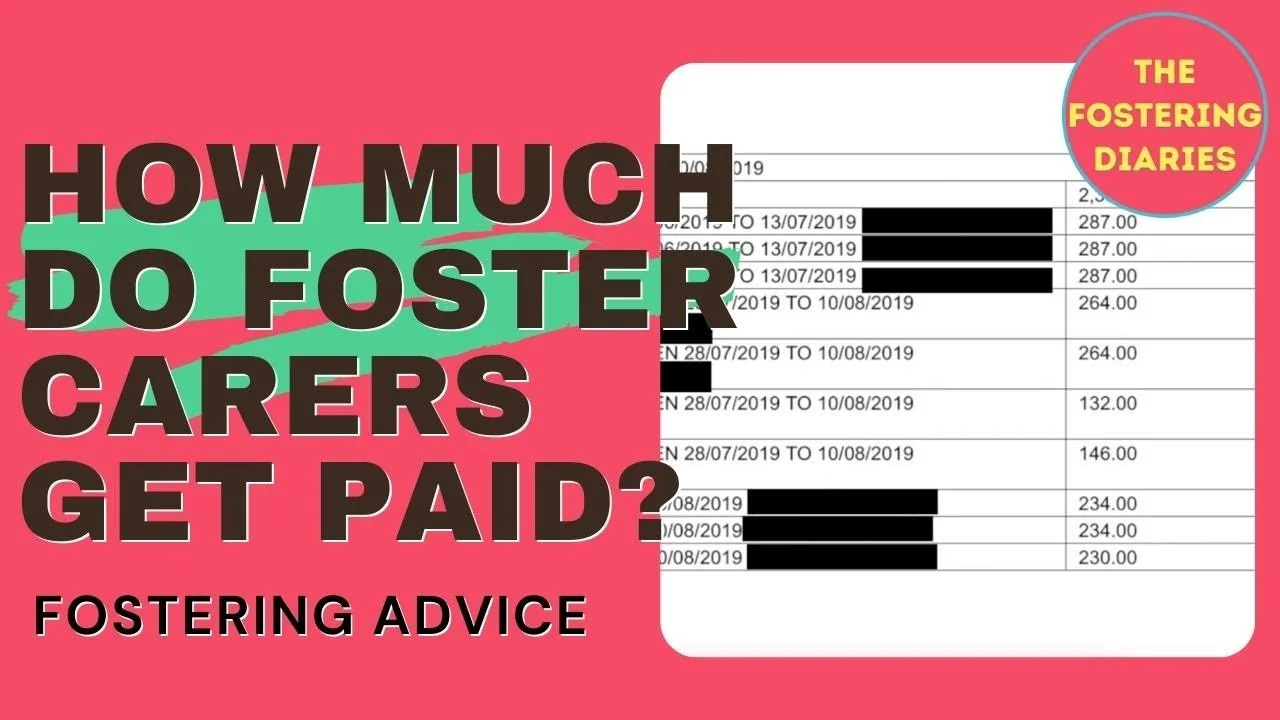
Families often discover that the payment system is only one part of the support picture. The practical reality is usually a mix of cash support, service access, and rules about what the funds are expected to cover.
Daily care rates, monthly stipends, and what they are meant to cover
Many foster care programs use a per diem, or daily rate, that is translated into a monthly payment. The purpose is to help cover ordinary expenses such as meals, clothing, toiletries, local transportation, and other everyday needs that come with caring for a child.
The exact structure depends on the agency. Some placements may also qualify for additional support if the child has medical, behavioral, developmental, or sibling-group needs that require more time, coordination, or resources.
Why payments vary by state, agency, child age, and needs
There is no single national foster parent payment amount. State rules, county systems, private agencies, and the child’s age or level of need all influence what a family receives.
A teen’s needs may look different from a toddler’s, and a child with medical appointments or therapy may require more support than a child with fewer scheduled services. That is one reason it is important to ask for the specific rate and support package before accepting a placement.
What foster parents usually pay out of pocket anyway
Even with support payments, foster parents often spend some money out of pocket. Common examples include special snacks, school event fees, birthday gifts, replacement items, gas for extra appointments, and the small purchases that happen in normal family life.
Some families also choose to spend more than the reimbursement covers because they want the child to have a comfortable, stable experience. That choice is generous, but it also means foster care should not be approached as a way to make money.
User Intent: What Families Want to Know Before They Say Yes
Before saying yes to foster care, families usually want a realistic picture of the commitment. The emotional demands, scheduling changes, and financial expectations can all affect whether a placement is a good fit.
This is where clear questions matter. The more specific the answers are, the easier it is for a family to decide whether they can provide consistent care without feeling overwhelmed.
Budget concerns, time commitment, and emotional expectations
Budget concerns are completely normal. Families want to know whether they can handle extra laundry, appointments, school needs, and the possibility of short-notice changes without creating stress at home.
Time commitment matters too. Foster care can involve meetings with caseworkers, court dates, therapy sessions, school contacts, and transitions that affect the whole household. Emotional expectations are just as important, because children entering care may be dealing with loss, uncertainty, or trauma.
How prospective foster parents compare support across programs
Prospective foster parents often compare programs by asking what the rate covers, whether there are extra funds for higher-needs placements, and what services come with the placement. Some families also compare how quickly reimbursement arrives and how easy it is to get help when something unexpected comes up.
It can be helpful to read program materials carefully and talk with multiple licensed agencies if that is an option. The best fit is not always the highest payment; it is the support structure that matches the family’s ability to provide safe, stable care.
What to ask a caseworker before accepting a placement
Before agreeing to a placement, ask what the payment amount is, when it is issued, and what it is expected to cover. Also ask whether the child qualifies for medical coverage, therapy support, transportation help, or additional needs-based funding.
It is wise to ask about respite care, emergency contact procedures, and how reimbursement works for school or medical expenses. Clear answers now can prevent confusion later. [Source: Scholastic]
Where This Topic Shows Up: School Talks, TikTok, Newsletters, and Community Events
This topic comes up in many public settings because foster care is both personal and community-based. The challenge is to explain it clearly without oversimplifying or turning it into a punchline.
Different settings call for different levels of detail. A school assembly, a short video, and a family newsletter each need a careful tone that respects children and caregivers.
Explaining foster care payments in a school assembly without oversimplifying
In a school assembly, the message should be simple and respectful: foster parents receive support to help care for children, but the money is not a salary. That framing keeps the focus on child well-being rather than adult income.
If the audience is younger, avoid technical language and avoid discussing private family finances. School settings work best when the explanation is brief, accurate, and centered on kindness, stability, and support.
Turning the topic into a TikTok or short-form video without sounding flippant
Short-form video can be useful for explaining foster care basics, but the tone matters. A helpful format is to use a calm voice, simple text overlays, and a direct answer that does not minimize the seriousness of the topic.
For example, you can explain that foster care payments help cover child-related costs, then point viewers to official state or agency resources for exact numbers. Avoid anything that makes the system sound like a money-making shortcut.
Using the subject in a family newsletter or parenting column with sensitivity
In a newsletter or parenting column, this topic works best when it is framed as a community education issue. Readers appreciate clear definitions, practical examples, and a reminder that foster parenting involves both support and responsibility.
If you include a light tone, keep it gentle and respectful. The goal is to make the information approachable, not to reduce foster care to a financial talking point.
Jamie Reed’s Humor Rules: How to Make Foster Care Money Talk Funny Without Getting It Wrong
Even when the main goal is education, humor can help people stay engaged. The safest humor in this topic comes from everyday confusion, paperwork, and the gap between what people assume and how systems actually work.
That said, foster care is not a topic for careless jokes. Any humor should support understanding, not mock children, caregivers, or the system itself.
Best joke angles: confusion, paperwork, and everyday parenting costs
The strongest humor angles are the ones most adults recognize: forms, approvals, receipts, and the surprising cost of ordinary child care items. Those themes are relatable without being mean-spirited.
A useful writing approach is to point the joke at the bureaucracy or the misunderstanding, not at the child or the foster family. That keeps the tone human and safe.
Delivery tips for warm, respectful family humor
Warm delivery works better than exaggerated delivery. A calm, matter-of-fact tone can make a line funnier because it feels grounded in real life rather than performed for shock value.
Example of a safe angle: “People hear ‘support payment’ and think it covers everything. In real life, it covers part of the grocery bill and introduces you to a lot of forms.”
If you are writing or speaking about foster care finances, make the joke about the paperwork or assumptions, not the child’s circumstances. That keeps the message kind and credible.
Common humor mistakes to avoid: sarcasm, stereotypes, and “free money” jokes
Sarcasm can land badly here because it can sound dismissive of a serious child welfare system. Stereotypes are even riskier, especially if they suggest foster parents are in it for profit or that children are burdens.
“Free money” jokes should be avoided entirely. Foster care support is meant to offset costs, and framing it as a cash grab can spread misinformation and disrespect families doing difficult work.
Do not use foster care payment humor that implies exploitation, greed, or neglect. That kind of framing can harm trust and misrepresent how the system works.
Age-Appropriateness and Sensitivity Notes for Different Audiences
How you explain foster care payments should change based on the audience. Children need simplicity, teens can handle more nuance, and adults usually want practical details and policy context.
In every case, the language should stay supportive and accurate. If the setting is public, avoid anything that could expose a child’s personal situation.
How to handle the topic with kids, teens, and adult audiences
With young children, keep it basic: foster parents get help to care for children who need a safe home. With teens, you can add that the money helps with food, clothing, and appointments, but it is not payment for adoption or a salary.
Adult audiences can usually handle more detail, including how rates vary and what services may be included. The key is to match the depth of explanation to the listener’s maturity and context. [Source: Healthline]
When a joke should be softened, skipped, or reframed
If the room is emotional, formal, or full of younger children, skip the joke entirely. Foster care is often connected to loss and transition, so timing matters as much as wording.
When humor is appropriate, soften any edge that could sound cynical. A small, gentle observation works better than a sharp line that might be misunderstood.
Language choices that keep the message supportive and accurate
Use phrases like “support payment,” “daily care rate,” or “reimbursement for child-related costs” when possible. These terms are more accurate than “getting paid” if the goal is clarity.
Avoid language that suggests profit, reward, or charity in a simplistic way. Foster care is a structured support system, and the wording should reflect that complexity.
What Foster Parent Support Can Include Beyond Money
Money is only one part of foster parent support. Many families rely just as much on services, guidance, and practical help that make daily care possible.
When people ask whether foster parents get paid, they often miss how much the system depends on non-cash support. Those supports can make the difference between a placement that feels manageable and one that feels impossible.
Training, respite care, medical coverage, and caseworker support
Foster parents may receive training before and during placement to help them understand trauma-informed care, communication, and safety requirements. Some children also have medical coverage through the system, which can reduce the burden of routine and specialized care.
Respite care may be available in some programs, giving caregivers a short break when needed. Caseworker support is also essential because families often need help with school issues, appointments, transitions, and paperwork.
Why non-cash support matters as much as reimbursement
Non-cash support can be just as valuable as a stipend because it reduces stress and helps families stay stable. A reimbursement check is useful, but so is having someone answer questions, coordinate services, or help with a difficult placement issue.
That broader support system is part of why foster care should be discussed as a service model, not just a payment arrangement.
How support services affect the humor angle and the overall message
When you talk about foster care humorously, the strongest angle often comes from the contrast between what people think the job is and what support actually looks like. The reality is usually more paperwork, planning, and coordination than anyone expects.
That contrast can be useful in a family-friendly column or community talk, but only if it stays respectful. The message should leave readers better informed, not more cynical.
Final Recap: The Real Answer to “Do Foster Parents Get Paid?”
Foster parents usually receive financial support, but it is designed to help cover the cost of caring for a child rather than to serve as a salary. The amount and structure vary by location, agency, and the child’s needs, and families should also expect non-cash support such as training and caseworker help.
If you are considering foster care, ask detailed questions about payment, covered expenses, and support services before you accept a placement. That is the clearest way to understand what your family can realistically provide.
Clear takeaway on payment, purpose, and expectations
The payment exists to support the child’s care, not to create income for the caregiver. Families should plan for a mix of reimbursement, service support, and some out-of-pocket costs.
One-sentence summary for readers who want the quick version
Yes, foster parents get financial support, but it is best understood as child-care reimbursement and services, not a paycheck.
Frequently Asked Questions
Usually no. Foster parent payments are generally meant to help cover the cost of caring for a child, not to function as a salary or wage.
They often help with food, clothing, toiletries, transportation, and other everyday child-related expenses. Some placements may also include extra support for higher needs.
Payment amounts can differ by state, agency, child age, and the child’s level of need. That is why families should always ask for the specific rate and support package.
Yes, many do. Common out-of-pocket costs can include school fees, special treats, gas, gifts, and small everyday items that go beyond the support payment.
Ask about the payment amount, what it covers, when it is issued, and whether the child qualifies for medical, therapy, transportation, or respite support.
Only with care. Keep humor focused on paperwork, confusion, or everyday parenting costs, and avoid jokes about free money, exploitation, or stereotypes.