

Infant massage can be a gentle, low-cost way to comfort your baby and build a calm routine. It works best when your baby is relaxed, healthy, and receptive to touch.
Infant massage is a gentle, hands-on way to comfort your baby, support relaxation, and build a calm routine at home. It can be a good fit for many families, but the best approach depends on your baby’s age, skin sensitivity, and cues.
- Best fit: Calm, awake babies who enjoy gentle touch and predictable routines.
- Main benefit: It may support bonding and relaxation, but results vary by baby.
- Safety first: Use light pressure, baby-safe products, and stop if your baby seems uncomfortable.
- Setup matters: A warm room, clean surface, and simple routine are usually enough.
Infant Massage: What It Is and Whether It’s Right for Your Baby
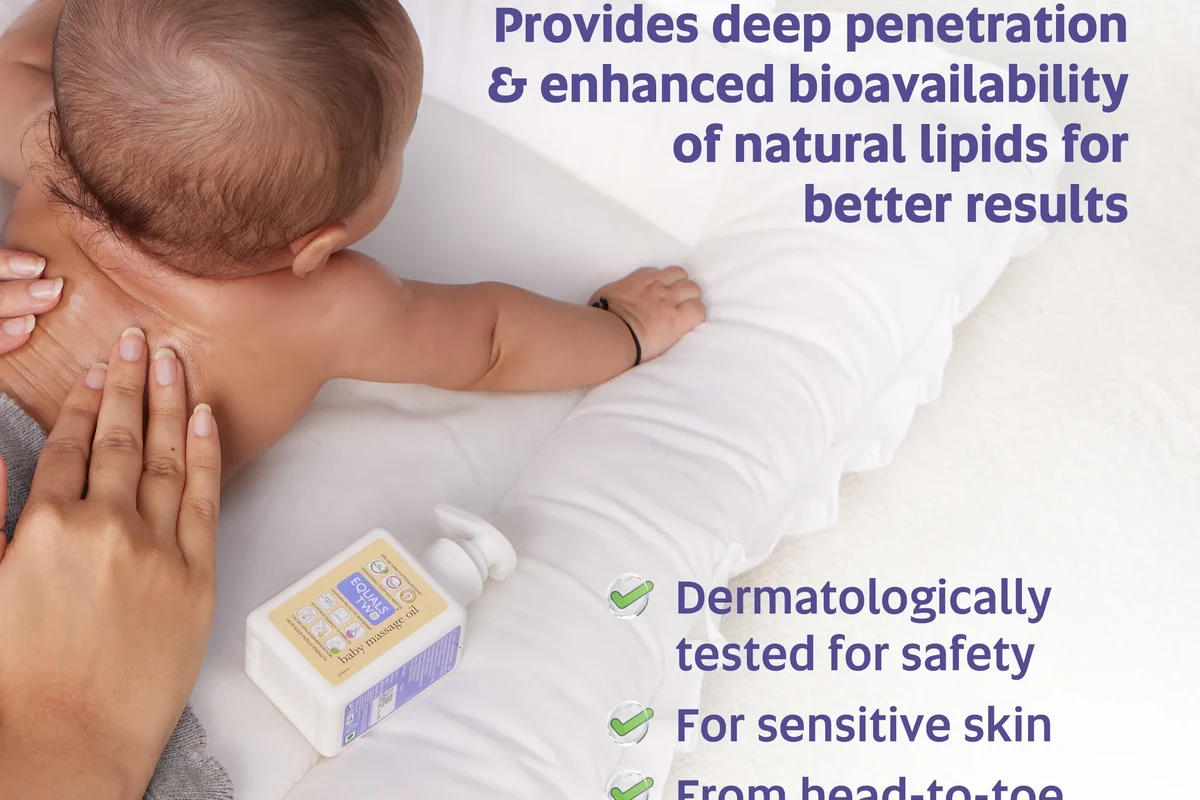
Infant massage is the practice of using soft, controlled strokes on a baby’s body, usually with bare hands and sometimes with a small amount of baby-safe oil or lotion. It is not a medical treatment, and it should never be forced; think of it more as a soothing caregiving routine than a required baby-care task.
For many parents, the appeal is simple: it can be a quiet way to slow down, connect, and help a baby settle after a busy day. If you’re already building a newborn routine, it may fit naturally alongside diapering, bathing, and other basic care steps described in our guide to infant care essentials for new parents.
Key Benefits of Infant Massage for Babies and Caregivers
The biggest value of infant massage is usually comfort and connection. Some babies seem to enjoy the rhythm and touch, while caregivers often appreciate having a predictable, low-cost routine that encourages a calmer bedtime or wind-down period.
Physical comfort, digestion, and sleep support
Gentle massage may help some babies relax their muscles and ease general fussiness, especially when paired with other soothing steps like burping, swaddling only when appropriate for age and sleep safety, or a quiet room. Some parents also use massage around the tummy area to support comfort after feeds, but it should stay very light and should not replace medical evaluation for persistent crying, constipation, vomiting, or feeding concerns.
Sleep is another common reason families try infant massage, although results vary. It may help create a bedtime cue, but it does not guarantee longer sleep or solve every sleep issue.
Bonding, routine, and emotional regulation
Massage can be a meaningful one-on-one moment that helps caregivers slow down and notice baby cues more closely. That matters because babies communicate readiness and discomfort through movement, facial expression, and tone of cry long before they can use words.
Over time, a consistent routine may help some babies feel more secure because they begin to recognize what happens next. The routine itself can be more valuable than any single technique, especially in the early months when predictability is comforting.
Many baby care routines work best when they are short and repeatable. A few calm minutes can be more effective than a long session that pushes past your baby’s comfort zone.
Who Infant Massage Fits Best: Age Range, Development Stage, and When to Wait
Infant massage is not one-size-fits-all. The right timing depends less on a strict age number and more on whether your baby is medically stable, alert enough to engage, and comfortable with touch.
Newborns, preemies, and older infants
Healthy newborns may enjoy very brief, very gentle touch, but their sessions should usually be shorter and simpler than those for older infants. Premature babies or infants with medical needs may need extra caution and should only receive massage in ways approved by their pediatrician or care team.
Older infants often tolerate a wider range of movements because they are more alert, more expressive, and sometimes more interested in interaction. Still, every baby is different, and a technique that works one week may be rejected the next.
If your baby has a medical condition, recent surgery, skin irritation, reflux concerns, or a history of feeding problems, ask a pediatrician before starting any massage routine.
Signs your baby is ready versus overstimulated
Readiness usually looks like soft eyes, relaxed limbs, a calm face, and a baby who stays engaged without arching away. Overstimulation can show up as crying, finger splaying, turning away, stiffening, hiccups, yawning, or fussing that escalates during touch.
If your baby is giving mixed signals, pause and try again later. A successful massage is defined by your baby’s comfort, not by completing a full routine.
- Choose a calm, awake window after a diaper change or a short play session.
- Stop when your baby turns away, cries, or stiffens.
- Keep the first sessions brief and simple.
- Do not massage right after a full feed if your baby seems uncomfortable.
- Do not continue if your baby appears overstimulated.
- Do not use pressure that feels like rubbing an adult muscle ache.
What to Look For Before You Start: Oils, Tools, and Massage Space
You do not need fancy equipment to begin. A safe, warm, comfortable space and a baby-friendly product choice matter more than accessories.
Choosing baby-safe ingredients and materials
If you use oil or lotion, choose a simple, baby-safe option without strong fragrance or unnecessary additives. Many families prefer products made for sensitive skin, but even those can cause irritation in some babies, so a small patch test is wise.
A soft blanket, towel, or play mat is usually enough for the surface. If you’re shopping for nursery basics that support everyday baby care, keep materials easy to wash and free of loose parts or small pieces.
Room setup, temperature, and comfort considerations
Pick a room that feels warm enough for brief undressed time, with no draft from a fan or vent. Keep the area quiet and uncluttered so you can focus on your baby instead of reaching for supplies.
Have a diaper, wipes, and a change of clothes nearby in case your baby spits up or has a diaper leak. That simple setup helps you stay relaxed, which often helps your baby stay relaxed too.
- Warm your hands first so the first touch feels gentle.
- Keep the session short at the start, then adjust based on baby’s cues.
- Use just enough oil to reduce friction; too much can make your grip slippery.
How to Perform Infant Massage Safely: Step-by-Step Setup and Technique Basics
Safe infant massage is slow, light, and responsive. You should be watching your baby as much as you are touching your baby.
Timing, pressure, and reading baby cues
Choose a time when your baby is awake, fed enough to be content, and not in the middle of crying from hunger or exhaustion.
Rest your hands gently on your baby before moving them. This gives your baby a moment to adjust.
Try smooth motions on the legs, arms, back, or tummy with very light pressure. Avoid pressing on joints, the spine, or the face unless you know exactly what is appropriate and your baby accepts it.
Look for relaxed hands, steady breathing, and a soft expression. If your baby pulls away or fusses, stop and try another time.
Common mistakes to avoid during massage
One common mistake is treating infant massage like adult massage with deeper pressure. Baby tissue is delicate, and the goal is comfort, not muscle work.
Another mistake is turning a soothing routine into a performance. If you are rushing, talking loudly, or trying to finish a full sequence no matter what, your baby may become more tense instead of calmer.
Do not massage over rashes, bruises, swelling, open skin, or areas that seem painful. If your baby has fever, unusual lethargy, persistent vomiting, or signs of illness, contact a qualified health professional instead of trying to massage the problem away.
Safety, Hygiene, and Skin Care Considerations
Because infant skin is sensitive, safety and hygiene matter as much as technique. A gentle routine can still cause problems if the product or environment is wrong.
Allergies, sensitive skin, and when to stop
Watch closely for redness, hives, unusual dryness, or increased fussiness after using a lotion or oil. Even products marketed for babies can irritate sensitive skin, especially if they contain fragrance or botanical extracts.
Stop immediately if your baby seems uncomfortable or if touch seems to make a skin issue worse. For ongoing skin concerns, check with your pediatrician before trying new products.
Stop using any lotion, oil, blanket, or accessory that causes irritation, has loose threads, or is damaged. Follow manufacturer care instructions and keep recalled products out of use.
Cleaning blankets, mats, and massage accessories
Wash blankets, towels, and mats regularly according to the care label, especially if they come into contact with oil, drool, or diaper leaks. If you use a reusable mat, let it dry fully before storing it to reduce odor and moisture buildup.
Keep bottles of oil or lotion tightly closed and stored out of direct heat. A clean, simple setup is easier to maintain and less likely to collect dust or spills.
Value and Practicality: Building a Simple Infant Massage Routine
Infant massage is usually more about consistency than cost. A basic routine can be built with very little gear, which makes it practical for many homes and budgets.
Budget-friendly options versus premium products
Budget-friendly setups often use items you already have: a soft towel, a safe room, and a simple unscented moisturizer or oil if needed. Premium products may offer nicer packaging, specialty ingredients, or bundled accessories, but those extras are not required for a good routine.
If you are comparing baby-care purchases, remember that the most useful items are usually the ones that are easy to clean, easy to store, and comfortable for everyday use. That same logic applies when choosing other nursery or travel essentials, including items like the best infant car seat mirror or a car-seat setup for a specific vehicle, such as the best infant car seat for Audi Q5.
What matters most for long-term use
The best long-term setup is one you can repeat without stress. That means choosing a time of day that fits your routine, a product that does not irritate your baby, and a space that is easy to reset after each session.
For families who want to keep things simple, the goal should be a calm habit that supports caregiving—not a complicated regimen with too many steps. If you prefer a more structured baby-care approach, you may also find it helpful to review broader newborn gear planning in our article on infant care essentials for new parents.
Product labels, ingredient lists, and care instructions vary by brand. If you are unsure about an oil, lotion, or mat, check the packaging and confirm suitability with your pediatrician when needed.
Final Recommendation: Is Infant Massage Worth Adding to Your Baby Care Routine?
For many families, infant massage is worth trying because it is low-cost, flexible, and easy to tailor to your baby’s comfort level. It may be especially helpful if you want a calm bonding routine and your baby tends to enjoy gentle touch.
The main limitation is that it is not universally soothing, and it should never be forced or treated as a fix for medical or sleep concerns. If your baby has sensitive skin, prematurity, or health issues, get guidance from a pediatrician first and keep the routine simple.
Infant massage is a practical baby-care add-on for families who want a gentle bonding routine, but it works best when your baby is calm, healthy, and receptive to touch. If your baby is medically fragile, has irritated skin, or dislikes massage, skip it or ask your pediatrician about safer alternatives.
Common Questions
No. Babies with medical issues, skin problems, or prematurity may need pediatric guidance first.
Not necessarily, but you should keep it gentle, simple, and responsive to your baby’s cues.
Only if your baby seems comfortable. If your baby is gassy, spit-up prone, or fussy, wait a bit.
A simple, fragrance-free baby-safe option is usually the safest place to start, but patch test first.
Stop if your baby cries, stiffens, turns away, or seems overstimulated.
Frequently Asked Questions
Many families begin with very gentle touch in the newborn stage, but timing depends on the baby’s health and comfort. Premature babies or infants with medical concerns should only start with pediatric guidance.
Short sessions are usually best, especially at the beginning. Stop as soon as your baby shows fussiness, turning away, or overstimulation.
No, oil is optional. If you use one, choose a simple baby-safe product and patch test it first for sensitive skin.
Avoid massage if your baby has fever, open skin, a worsening rash, obvious pain, or signs of illness. Also pause if your baby is crying, overstimulated, or uncomfortable after feeding.
It may help some babies settle into a calmer bedtime routine, but it does not guarantee better sleep. Think of it as a soothing cue, not a sleep solution.
Wash blankets, towels, and mats according to the care label, especially if oil or drool gets on them. Let items dry fully before storing them and stop using anything damaged or irritating.