

Place your baby rear-facing, secure the base tightly, snug the harness, and check the 1-inch rule.
I’ve installed and used dozens of car seats, taught new parents, and checked setups at clinics. This guide on how to put baby in car seat walks you through choosing the right seat, installing it securely, buckling your child correctly, and avoiding the common mistakes I’ve seen in real life. Read on for clear, step-by-step instructions and practical tips that keep your baby safe and calm on every trip.
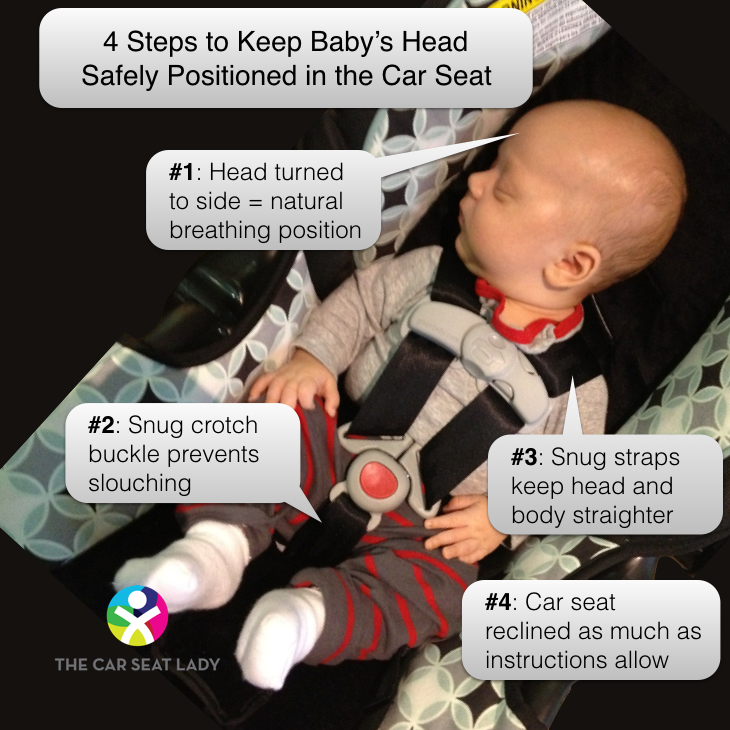
Why proper car seat use matters
Every ride has risk. A correctly installed car seat reduces severe injury risk in a crash. Simple steps in how to put baby in car seat make a big safety difference.
I’ve seen short cuts that looked fine but left straps loose or clips in the wrong spot. Those small issues matter. Learning the right procedure now saves stress and protects your child later.

Types of car seats and picking the right one
Knowing seat types helps you decide how to put baby in car seat for safety and comfort.
- Infant-only seats
- Rear-facing only and usually come with a base. Good for newborns and small infants.
- Convertible seats
- Can be rear-facing then forward-facing. They last longer as your child grows.
- All-in-one seats
- Convert from rear-facing to booster. Good for long-term use.
- Booster seats
- For older kids who outgrow harness seats. Use the vehicle belt properly.
Match the seat to your baby’s age, weight, and height. For most safety experts, keep your child rear-facing until they reach the seat’s rear-facing limits. This is a key part of how to put baby in car seat correctly.
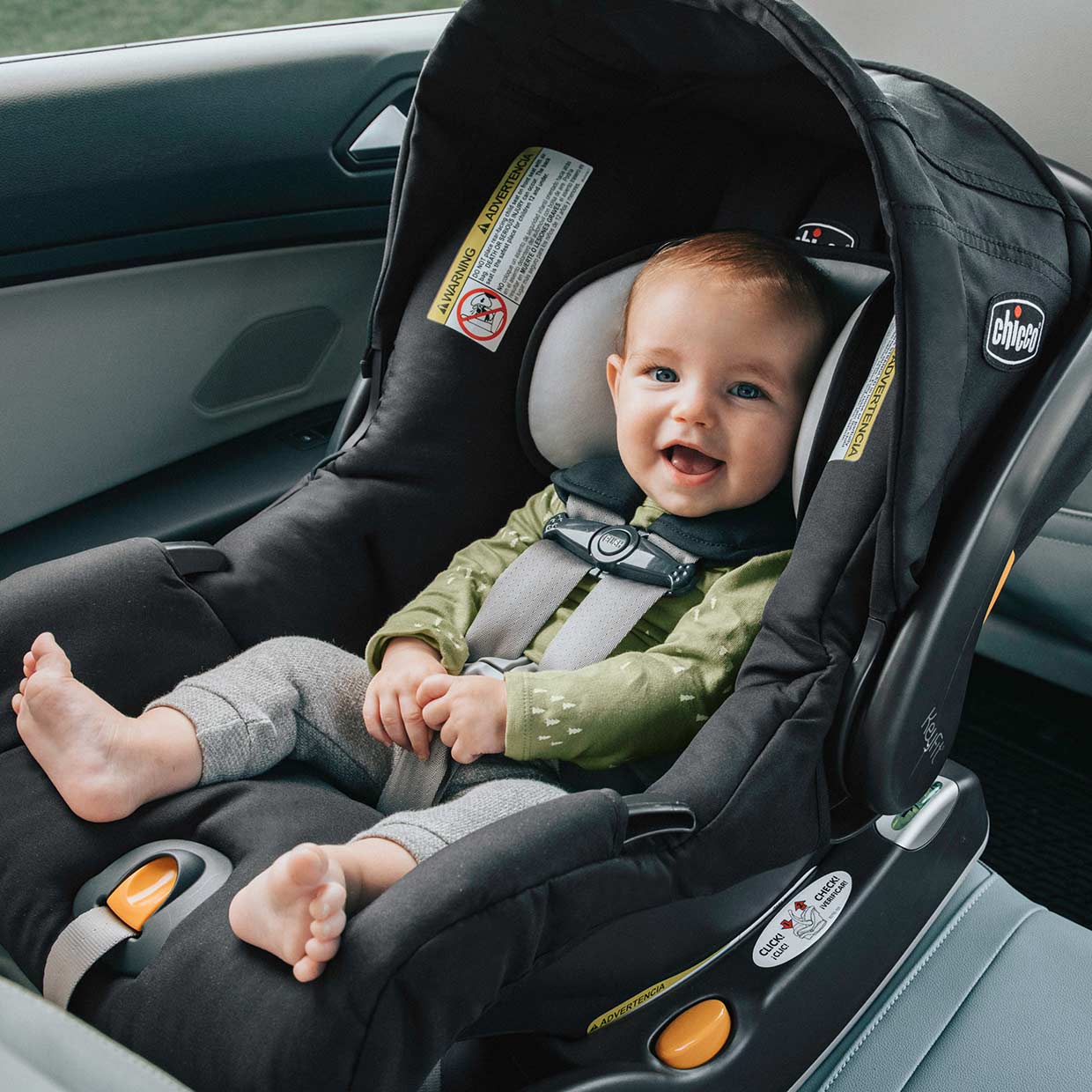
Step-by-step: How to put baby in car seat (installation and buckling)
Use these steps every time you travel. Repeat them until the process becomes routine.
-
Prepare the car and seat
- Read both the vehicle manual and the car seat manual. They tell you which belt path to use and the correct angle.
- Choose the back seat, ideally the middle seat if it fits properly.
-
Install the base or seat
- For a seat with a base, click the base into place. For a convertible seat, place it on the vehicle seat.
- Use LATCH anchors or the vehicle seat belt. Do not use both unless the car seat manual allows it.
- Tighten so the seat moves less than 1 inch side-to-side or front-to-back at the belt path.
-
Check the angle for newborns
- Most infant seats have an angle indicator or adjuster. Keep the head from flopping forward.
- A correctly angled seat helps breathing and support.
-
Place your baby and position straps
- Put the baby in the seat with no thick coats on. Thin layers or a blanket over the harness is safer.
- Position the harness straps at or just below the baby’s shoulders for rear-facing seats.
-
Buckle and tighten the harness
- Buckle the harness and chest clip. Slide the chest clip to armpit level.
- Pull the harness tight. Use the pinch test: you should not be able to pinch excess webbing at the shoulder. The strap should be snug and lie flat.
-
Final checks every trip
- Ensure the base is tight and the seat angle is correct.
- Verify the chest clip sits at armpit level and straps are secure.
- Re-check after any long drive, or if you remove and re-install the seat.
How to put baby in car seat correctly often comes down to consistency. I make a habit of doing a quick 60-second check before each drive. It saved me from a loose installation once during a rush hour trip.
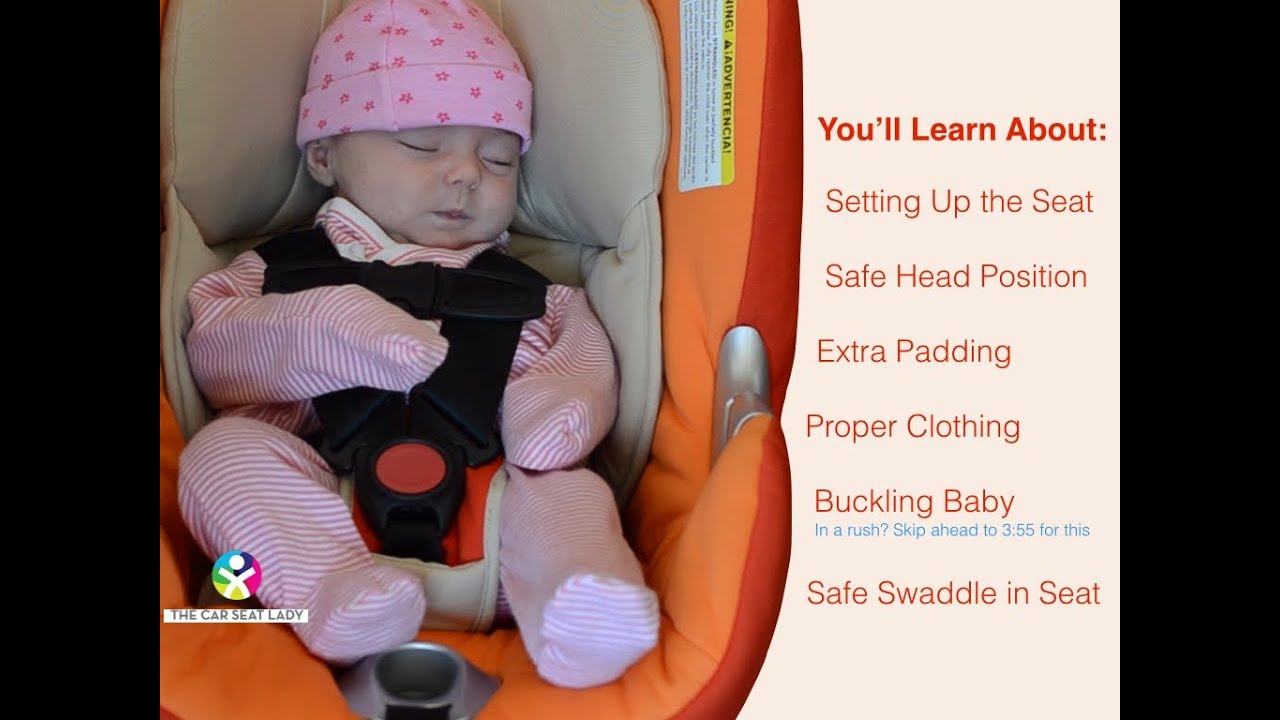
Common mistakes and how to avoid them
Knowing common errors helps you avoid them when you put baby in car seat.
-
Loose installation
- Fix: Re-tighten LATCH or seat belt until the seat moves less than 1 inch.
-
Chest clip too low
- Fix: Move chest clip to armpit level every time you buckle.
-
Harness too loose
- Fix: Pull straps snug and use the pinch test.
-
Bulky coats under straps
- Fix: Remove coats and use a blanket over the harness.
-
Using expired or damaged seats
- Fix: Check the seat label for an expiration date and recall notices.
-
Second-hand seats without history
- Fix: Avoid or verify that the seat was never in a crash and has the manual.
When you learn how to put baby in car seat, check these items often. They’re easy to miss when you’re tired or in a hurry.
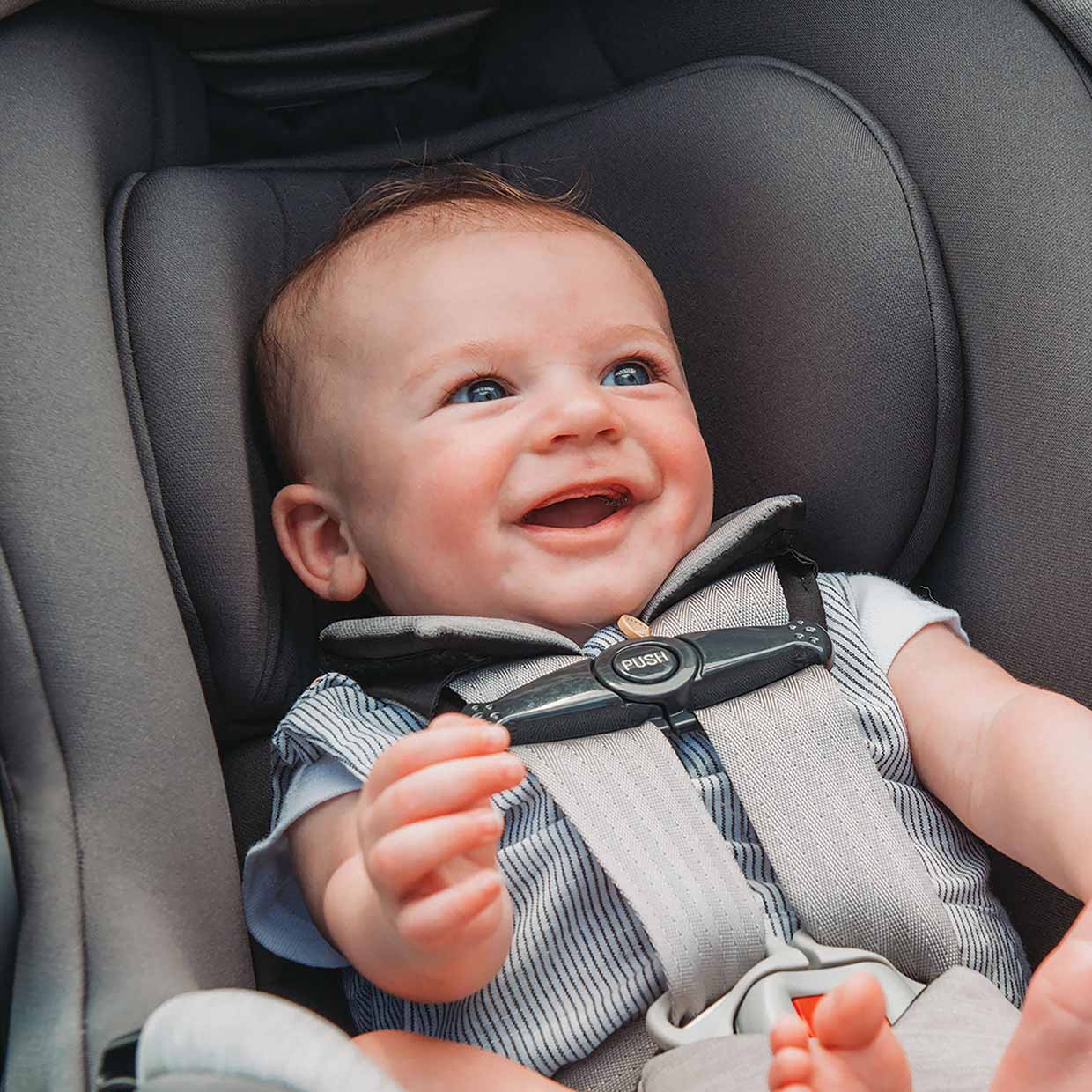
Travel tips and real-life advice
Travel changes how you put baby in car seat. Here are practical tips I use on the road.
- For taxis and rideshares, carry a portable car seat or a travel vest approved for your child’s age.
- At airports, many airlines allow gate check of car seats. Gate checking can be easier than carrying the seat through the terminal.
- Bring a familiar toy or small blanket to keep baby calm. A calm baby makes correct harnessing easier.
- Keep an emergency kit in the car with a spare blanket, bottle, and wipes. You’ll thank yourself on long trips.
One personal tip: I mark the car seat base with a small dot so I know which side faces the vehicle door. That small habit cut my setup time in half and reduced mistakes when I swapped seats between cars.

Safety checks and maintenance
Regular checks keep your car seat reliable. Here’s what I inspect monthly.
- Check for recalls and expiration dates.
- Inspect webbing for frays and buckles for damage.
- Clean the cover per the manual. Harsh cleaners can weaken straps.
- Re-tighten installation after long trips or seasonal temperature changes.
- Store the seat indoors and dry to avoid mildew and sun damage.
Being proactive about maintenance is part of how to put baby in car seat safely and confidently.

Frequently Asked Questions of how to put baby in car seat
When should a baby go rear-facing until?
Most safety groups recommend rear-facing until at least age 2 or until the child reaches the seat’s rear-facing height or weight limit. Staying rear-facing longer provides better protection for the head, neck, and spine.
How tight should car seat straps be?
Straps should be snug with no slack. Use the pinch test: you should not be able to pinch any webbing at the shoulder once the harness is tightened.
Can I use the LATCH system and seat belt together?
Usually you should use either LATCH or the vehicle seat belt, not both, unless the car seat manual specifically allows using both together. Check both manuals to be sure.
Is it safe to put a coat on the baby while buckled?
No. Bulky coats compress in a crash and create slack in the straps. Use thin layers and place a blanket over the harness if needed for warmth.
What if I travel with more than one car and multiple seats?
Label seats and bases, and always follow each vehicle’s manual and the car seat manual during installation. Practice transferring seats between vehicles to stay confident and consistent.
Conclusion
Putting your baby in a car seat the right way is a short routine that protects your child every time you drive. Follow the steps: choose the right seat, install it tightly, position the harness correctly, and make routine checks. Small habits—like a quick 60-second safety check—make a big difference.
Try the tips in this guide on your next trip. If you found this useful, share your experience, subscribe for more safety tips, or leave a comment with questions.