

Acrylic tubs are best for most people: affordable, warm, lightweight, and easy to repair.
Choosing which bathtub material is best can feel confusing. I’ve spent years helping homeowners pick tubs for remodels and rentals. In this guide I break down each common bathtub material, compare durability, cost, and care, and show you which bathtub material is best for different needs. Read on for clear advice you can use when you shop, measure, or plan a bathroom upgrade.
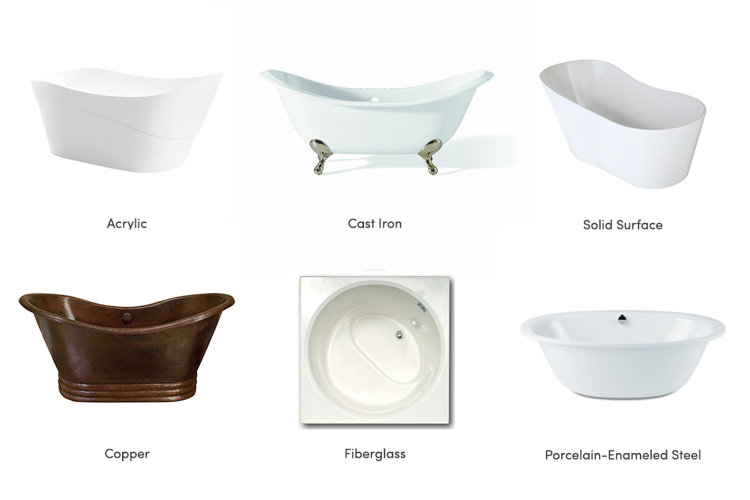
Popular bathtub materials explained
Here are the main bathtub materials you will see when shopping. I describe each, with pros and cons, so you can learn which bathtub material is best for your project.
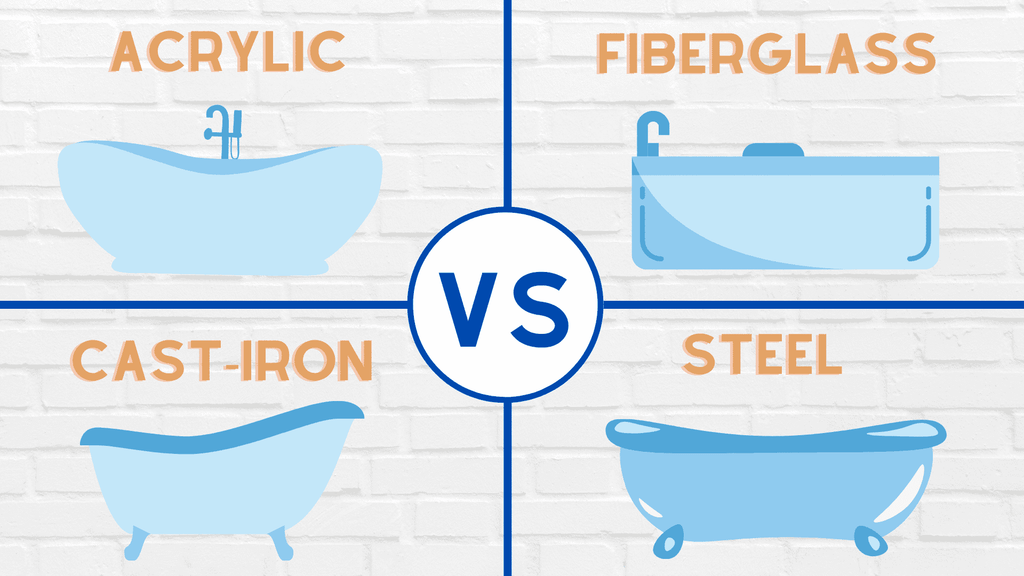
Acrylic
Acrylic is a molded plastic sheet formed over a fiberglass or foam backing. It is lightweight and comes in many shapes and colors.
- Pros: Warm to the touch, easy to repair, affordable, wide style choices.
- Cons: Scratches easier than metal, may fade over time, can flex if not well supported.
- Best use: Home bathrooms, freestanding tubs, budget remodels.
Fiberglass (gelcoat)
Fiberglass tubs are made with a gelcoat surface over fiberglass. They are the most budget-friendly option.
- Pros: Very affordable, light, easy to replace.
- Cons: Prone to scratches and cracks, short lifespan, can look cheap.
- Best use: Rental units, temporary solutions, low-cost remodels.
Cast iron (enameled)
Cast iron tubs are metal cores coated in porcelain enamel. They are heavy and long-lasting.
- Pros: Extremely durable, excellent heat retention, classic look.
- Cons: Very heavy, high cost, requires strong floor support.
- Best use: Vintage-style bathrooms, high-use family homes, long-term value.
Enameled steel
Steel tubs are thin steel formed and coated with porcelain enamel. They are mid-range in cost.
- Pros: Affordable, durable surface, less heavy than cast iron.
- Cons: Can chip to expose metal, retains less heat than cast iron.
- Best use: Mid-range remodels, bathrooms with moderate use.
Solid surface (mineral composite)
Solid surface tubs are made from blended minerals and resins. They feel high-end and can be shaped.
- Pros: Seamless look, easy to repair, warm feel, modern styles.
- Cons: More expensive, can scratch, weight varies by formulation.
- Best use: Custom baths, spa-like builds, modern designs.
Cultured marble and stone resin
These are composite materials that mimic stone. They offer luxury looks without full stone weight.
- Pros: Attractive grain patterns, lower cost than real stone, repairable.
- Cons: Can stain or chip, variable quality across manufacturers.
- Best use: Luxury look on a budget, designer baths.
How to choose which bathtub material is best for you
Decide by matching material traits to your needs. Think about budget, use, and the room itself.
- Budget: Set a total tub and install budget. Acrylic and fiberglass suit tight budgets.
- Durability: For a long life pick cast iron or high-quality solid surface.
- Heat retention: Cast iron and stone resin keep water hot longer.
- Weight and structure: Heavy tubs need floor reinforcement. Check joist specs before buying.
- Maintenance: If you want low care choose enamel or acrylic. Avoid porous stone unless sealed regularly.
- Style: Match the tub finish and shape to the bathroom’s design.
- Resale: Durable materials like cast iron and quality solid surface appeal to buyers.
- Timeline: Fiberglass and acrylic have fast lead times. Custom stone takes longer.
Personal tip: I once recommended acrylic for a mid-century bathroom because the client wanted a warm tub that didn’t require floor upgrades. It stayed sturdy for years and was easy to recoat when scratched.
Material-by-material comparison and best uses
This section compares common materials across key metrics. Use it to answer which bathtub material is best for a given priority.
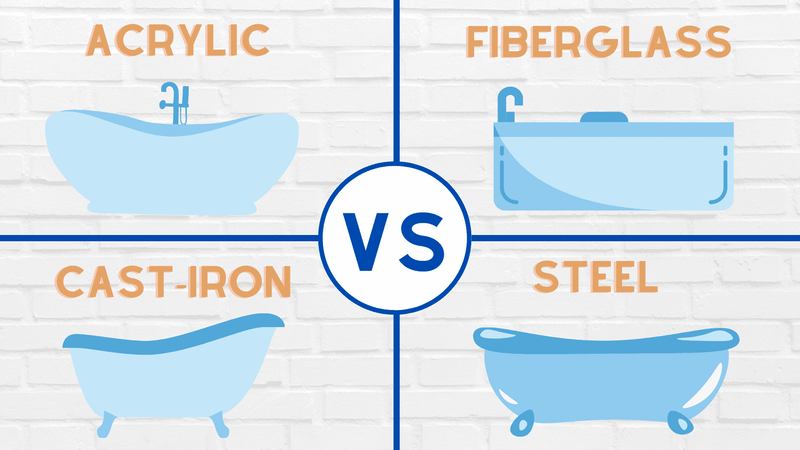
Acrylic
- Cost range: Low to mid.
- Weight: Light.
- Lifespan: 10–20 years with care.
- Maintenance: Use nonabrasive cleaners. Small scratches can be buffed.
- Best for: Affordable, warm, flexible design.
Fiberglass
- Cost range: Very low.
- Weight: Very light.
- Lifespan: 5–10 years.
- Maintenance: Avoid harsh cleaners. Replace rather than repair often.
- Best for: Short-term, budget projects.
Cast iron
- Cost range: High.
- Weight: Very heavy.
- Lifespan: 50+ years.
- Maintenance: Gentle cleaners; enamel can chip but is long lasting.
- Best for: Classic, long-term value, excellent heat retention.
Enameled steel
- Cost range: Low to mid.
- Weight: Moderate.
- Lifespan: 20–30 years.
- Maintenance: Careful with impacts to avoid chipping.
- Best for: Durable option where cast iron is too heavy.
Solid surface and stone resin
- Cost range: Mid to high.
- Weight: Moderate to heavy.
- Lifespan: 20+ years.
- Maintenance: Can be repaired or refinished. Use recommended cleaners.
- Best for: Modern, seamless designs and custom shapes.
Key takeaway: If you ask which bathtub material is best overall, acrylic offers the best balance for most homeowners. If longevity and heat are top priorities, cast iron wins. If budget is the main limit, fiberglass works.
Cost, installation, and lifespan expectations
Budget and installation affect which option is truly best. Read this before you buy.

- Cost breakdown: Expect to pay for the tub plus installation. Low-cost tubs start around a couple hundred dollars. Mid-range runs from a few hundred to a few thousand. High-end stone or cast iron tubs can be several thousand.
- Installation considerations: Freestanding tubs and cast iron require secure floors and more labor. Alcove tubs are easier and cheaper to install.
- Lifespan estimates: Fiberglass 5–10 years, acrylic 10–20 years, enameled steel 20–30 years, cast iron 50+ years. Solid surface varies but often 20+ years.
- Long-term value: Investing in a durable tub can reduce lifetime costs. But new homes and trends sometimes favor modern looks over old heavy materials.
Environmental and health considerations
Think about sustainability and safety when choosing a tub material.
:max_bytes(150000):strip_icc()/best-bathtub-material-2718999-hero-d8fa6e6452834cbbab3332c1996757e2.jpg)
- Eco impact: Natural stone and cast iron have high embodied energy but last long. Acrylic and fiberglass are plastic-based and harder to recycle.
- Off-gassing: New acrylic and resin tubs can emit small VOCs early on. Good ventilation helps.
- Toxicity: Most tub materials are inert once cured. Avoid porous stone without sealant if mold risk exists.
- Reuse and recycling: Cast iron can often be recycled. Plastic tubs may end up in landfills.
I favor materials with long life spans. A durable tub that lasts decades often has a smaller environmental footprint than repeatedly replacing a cheap tub.
Personal experience and practical tips
I’ve helped homeowners, contractors, and landlords pick tubs for over a decade. Here are lessons I learned that help answer which bathtub material is best for you.

- Measure twice: Heavy tubs need joist checks. I once ordered a cast iron tub before checking the floor. It added a costly reinforcement phase.
- Support matters: Even acrylic needs solid subfloor and support to prevent flexing and cracks.
- Match use to material: For rental units, pick resilient, low-cost options. For a family bathroom, choose durability.
- Refinishing works: Scratched or dated tubs can often be refinished for a fraction of replacement cost.
- Shop local for big pieces: Heavy tubs add delivery costs. Local stock often saves money.
Which bathtub material is best — quick decision guide
If you want a short plan to choose now, use this.

- Best for most homeowners: Acrylic.
- Best for heat and durability: Cast iron.
- Best for low budget: Fiberglass.
- Best for modern luxury: Solid surface or stone resin.
- Best for balance of cost and look: Enameled steel.
Frequently Asked Questions of which bathtub material is best
What bathtub material lasts the longest?
Cast iron tubs typically last the longest. With proper care, an enameled cast iron tub can serve for decades, often over 50 years.
Is acrylic a good choice for a family bathroom?
Yes. Acrylic is warm, affordable, and repairable, making it a practical choice for family bathrooms with regular use.
Are stone or solid surface tubs worth the extra cost?
They are worth it for a refined look and custom shapes. Expect higher cost and longer lead times, but good durability and repair options.
Can I refinish a chipped tub instead of replacing it?
Yes. Many tub materials, including acrylic, fiberglass, and cast iron enamel, can be refinished to look like new, often at lower cost than replacement.
Do heavy tubs need special floor support?
Yes. Cast iron and some stone tubs are very heavy and usually require reinforced floors or structural assessment before installation.
Conclusion
Choosing which bathtub material is best comes down to your priorities. Match budget, durability, and style to daily use and structural limits. For most homes, acrylic gives the best mix of comfort, cost, and ease of care. If you want heat and legacy value, pick cast iron. If budget is tight, fiberglass works as a short-term option.
Take action: measure your space, set a clear budget, and test a tub finish in person if you can. If you’re unsure, consult a contractor for a quick floor load check. Share your plans or questions below, and I’ll help pick the right tub for your home.