

Weekend parenting works best when you keep the plan loose, the routines simple, and the humor age-appropriate. Small repeatable moments can make family time calmer without forcing anyone to be funny.
Weekend parenting can feel simple on paper and surprisingly crowded in real life. Between meals, chores, sibling energy, and everyone needing a reset, the goal is not perfection. It is creating family time that feels calmer, more connected, and easier to repeat.
- Loose structure: Plan a few anchor activities and leave room for flexibility.
- Right-time humor: Use jokes to ease transitions, not to fix conflict.
- Age fit: Match humor to toddlers, school-age kids, teens, and mixed-age settings.
- Chore support: Turn tasks into short missions without overdoing the jokes.
- Repeatable routines: Use simple weekly rituals to make weekend humor stick.
What “Weekend Parenting” Means in 2026: Family Time, Real Life, and a Little Sanity
Weekend parenting is the art of managing family time when the usual weekday structure is gone. It often includes slower mornings, shared errands, sports, house tasks, and a lot of switching between rest and activity.
For many readers, the main question is not how to fill every hour. It is how to make weekends feel good without turning them into a second work schedule.
User intent: what readers want from weekend parenting tips
People searching for weekend parenting tips usually want practical help they can use right away. That may mean smoother mornings, fewer power struggles, better sibling cooperation, or a way to keep the day enjoyable without overplanning.
They also want advice that fits normal family life. That means ideas that work for different ages, different energy levels, and different levels of patience.
Why weekends are the hardest and best time for family humor
Weekends are harder because there is more unstructured time. That can create more opportunities for boredom, conflict, and negotiation.
They are also the best time for family humor because people are together longer and the tone is usually less formal. A small joke, a light routine, or a playful phrase can make transitions easier when used at the right moment.
PunRealm angle: keeping it playful, practical, and parent-real
PunRealm’s approach is to keep humor useful, not loud. In family settings, the best humor supports connection, reduces tension, and gives parents a simple tool they can repeat.
That means focusing on timing, age fit, and context. A joke that works in a kitchen during breakfast may not work in a formal assembly or during a tense bedtime routine.
1. Start With a Loose Plan, Not a Military Schedule
A weekend plan works best when it provides structure without pressure. If every hour is assigned, the family can feel rushed before the day even starts.
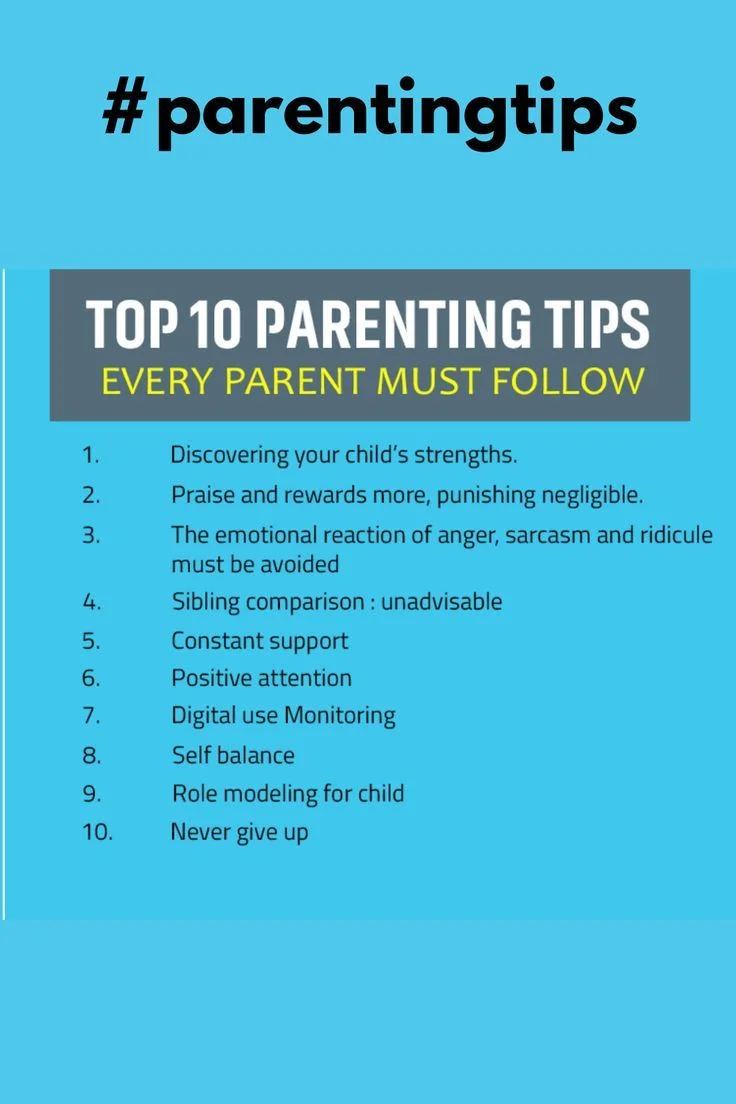
A loose plan gives children predictability while leaving room for fatigue, weather changes, and spontaneous downtime.
Why overplanning kills the weekend vibe
Overplanning often creates more reminders, more transitions, and more disappointment when something takes longer than expected. Children can also resist a schedule that feels too rigid after a week of school routines.
A better approach is to choose a few anchor points and let the rest stay flexible.
How to build in “fun pockets” for jokes, snacks, and resets
Fun pockets are short breaks built into the day for connection and recovery. They can be as simple as a snack pause, a 10-minute game, or a quick walk around the block.
These pauses are also the best time for a little humor, because nobody feels cornered by it. A light comment is more likely to land when the family is already settling down.
Family-friendly example: the 3-activity rule
One useful structure is the 3-activity rule: one must-do, one fun thing, and one open block. The must-do might be laundry, groceries, or cleaning the kitchen. The fun thing might be a park visit or board game. The open block stays unscheduled.
This approach keeps the weekend productive without making it feel packed. It also leaves room for the kind of family moments that happen naturally.
Choose the three activities before the day gets busy. When the plan is decided early, parents spend less time negotiating and more time moving through the day calmly.
2. Use Humor to Smooth Transitions, Not Solve Everything
Humor is useful in weekend parenting, but it is not a fix for every problem. It works best as a transition tool, a tension reducer, or a way to shift attention gently.
When a child is overtired, hungry, or upset, keep the humor light and brief. The goal is to support the moment, not to perform through it.
Where jokes help most: mornings, cleanup, car rides, bedtime prep
Some of the easiest places to use humor are predictable friction points. Morning routines, cleanup time, and car rides often benefit from a simple line that changes the mood without adding a big conversation.
Bedtime prep can also use humor, especially if it helps children move from high energy to calm behavior. In that setting, short and reassuring works better than elaborate.
Simple joke craft tips for parents: short setup, clear punchline, easy repeatability
Good family humor is usually easy to understand on the first try. A short setup keeps attention, a clear punchline makes the point, and repeatability helps kids enjoy it again later.
If a child has to think too hard about the joke, the moment may pass. That is why simple wordplay and familiar situations often work best at home.
Delivery advice: timing, tone, and the power of a deadpan dad face
Timing matters more than the joke itself. A well-timed line during a calm pause can land much better than a clever line dropped in the middle of conflict.
Tone matters too. A deadpan expression can help a simple line feel funny, but only if the child already trusts the tone. If the room is tense, keep the delivery gentle and low-pressure.
Family humor works best when it lowers stress, not when it demands a reaction. If nobody laughs, the line can still be useful if it helps the group move on peacefully.
3. Match the Joke to the Age Group Before You Hit “Send”
Age fit is one of the most important parts of weekend parenting humor. What delights a preschooler may confuse a teen, and what amuses an older child may overwhelm a toddler. [Source: EPA]
Matching the joke to the age group makes the humor feel more natural and less forced.
Toddler and preschool humor: repetition, sound effects, and silly labels
Young children often enjoy repetition, exaggerated sounds, and simple silly labels. They respond well to familiar patterns and obvious physical cues.
For this age group, the humor should be concrete and easy to follow. A parent repeating a funny sound or using a playful label for a snack can be enough.
Elementary-age humor: puns, wordplay, and light exaggeration
Elementary-age children usually begin enjoying wordplay and simple puns. They also appreciate mild exaggeration, especially when it is clearly playful.
This is a good age for jokes that connect to daily life, such as chores, school items, or family routines. If you want more examples of clean wordplay, PunRealm’s space jokes and funny space jokes for school show how simple setups can stay kid-friendly.
Older kids and teens: avoid trying too hard; keep it quick and self-aware
Older kids and teens usually notice when a parent is trying too hard. Short, self-aware humor tends to work better than long explanations or overly enthusiastic delivery.
A brief remark that acknowledges the situation without lecturing often feels more respectful. That matters in weekend parenting, where independence and mood can change quickly.
Age-appropriateness notes: what to skip in mixed-age family settings
In mixed-age settings, avoid humor that depends on inside knowledge, sarcasm, or complicated references. Those can leave younger children out and frustrate older ones.
It is also wise to skip teasing that could sound mean when younger siblings are present. Mixed-age family humor should be easy to understand and safe for everyone in the room.
Do not use sarcasm as your main family humor tool. In weekend parenting, sarcasm can sound like criticism, especially to younger children or tired siblings.
4. Turn Weekend Chores Into Mini Bits Without Making It Feel Like Work
Weekend chores are easier to manage when they feel predictable and brief. A small amount of structure can make cleaning, organizing, and reset tasks less resistant.
Humor can help, but only if it supports the task instead of distracting from it.
Cleaning games, “mission” language, and playful countdowns
Many families respond well to mission language. Calling a quick cleanup a “reset” or “five-minute mission” gives the task a clear shape.
Playful countdowns can also help children start. The key is to keep the language simple and then actually follow through.
How to avoid sarcasm that sounds like criticism
If a child is already reluctant, sarcasm may feel like a judgment rather than a joke. Even mild teasing can backfire if the child hears blame in the tone.
Use neutral language with a playful edge instead of comments that point out failure. The goal is cooperation, not embarrassment.
Common humor mistakes: too much teasing, too many jokes, and no actual follow-through
One common mistake is turning every chore into a joke. That can make the parent sound less clear and make the task take longer.
Another mistake is joking so much that the family never gets to the actual work. In weekend parenting, humor should support action, not replace it.
The best family humor often works like a cue, not a performance. It signals what is happening next, which helps children shift faster and with less resistance.
5. Pick the Right Setting for the Right Kind of Humor
Context changes everything. The same line can work well in the kitchen and fall flat in the car, or it may be fine with one child and too much in front of a group.
Weekend parenting gets easier when humor is matched to the setting.
Kitchen humor vs. car humor vs. outdoor humor
Kitchen humor usually works best when the family is already gathered and settled. It is a good place for simple banter, food-related wordplay, and short routines.
Car humor should stay brief because attention is split. Outdoor humor can be more physical and energetic, which suits games or repeated phrases better than long setups.
School-related weekend moments: lunch prep, backpacks, Sunday-night routines
School-related weekend moments often create the most friction, especially on Sunday evenings. Lunch prep, backpack checks, and early bedtime routines can feel like the weekend is ending too soon.
That is a good time for calm, familiar humor rather than big jokes. A steady routine can make the transition feel less abrupt.
Platform/context note: what works for a family newsletter, a TikTok-style clip, or an assembly-style crowd moment
Context matters outside the home too. A joke that works in a family newsletter may feel too mild for a short video, while a TikTok-style clip may be too fast or visual for a mixed-age group.
An assembly-style crowd moment needs even more caution. In that setting, the humor should be universally clear, brief, and appropriate for children who may not know one another well.
Simple wordplay often travels better across age groups than niche references. That is one reason clean, familiar puns can work in both homes and classrooms. [Source: Healthline]
6. Keep the Weekend Inclusive for Different Personalities and Energy Levels
Not every child wants the same kind of interaction. Some enjoy being the center of attention, while others prefer quiet participation.
Weekend parenting works better when humor and routines leave room for both.
How to include shy kids, high-energy kids, and tired parents
Shy children may prefer observing before joining. Give them a low-pressure role, such as choosing the joke jar or voting on the family activity.
High-energy children may need movement before humor lands. Tired parents may need shorter routines and fewer interruptions so they can stay patient.
When to dial humor down for overstimulation or conflict
If a child is overstimulated, humor can feel like one more input. In those moments, reduce noise, simplify language, and focus on calm direction.
When there is conflict, avoid using humor to bypass the issue. First address the need or limit, then return to humor once the mood has settled.
Using shared rituals instead of constant performance comedy
Shared rituals are often more sustainable than constant jokes. A small repeated phrase, a weekly game, or a predictable family check-in can create connection without making anyone perform.
That approach is especially helpful for parents who want warmth but do not want to be “on” all weekend.
7. Build a Repeatable Family Humor Routine That Actually Sticks
Humor becomes easier when it is part of a routine. Families do not need a full comedy plan; they need a few repeatable moments that feel natural.
A simple structure can make weekend parenting feel lighter without adding pressure.
Friday-night kickoff, Saturday silliness, Sunday reset
A Friday-night kickoff can set the tone for the weekend with a simple family check-in or shared snack. Saturday can hold the lightest humor and the most flexible activity.
Sunday is often best for a reset that is calm and predictable. That helps the family prepare for the week ahead without turning the day into a lecture.
Easy recurring bits: joke jar, pun-of-the-day, or “best bad joke” vote
A joke jar gives children a place to contribute humor without having to invent something on the spot. A pun-of-the-day can become a short family tradition if it stays brief.
A “best bad joke” vote works well because it keeps the tone playful without requiring perfection. If you want inspiration for clean, family-safe wordplay, PunRealm’s space jokes 2026 collection shows how a simple theme can support repeatable family humor.
Delivery advice for consistency: one host voice, one family rule, no joke hijacking
Consistency matters more than cleverness. It helps when one adult leads the routine, the family knows the rule, and the moment stays focused long enough to land.
Try not to let every person interrupt the joke before it is finished. A little structure gives the humor a better chance to work.
- Use a loose plan so the weekend stays structured without feeling crowded.
- Keep humor short, age-appropriate, and tied to the moment.
- Match the joke to the setting, especially during chores, car rides, and bedtime.
- Use repeatable family rituals instead of constant performance comedy.
- Put connection first and let the punchline support the parenting, not replace it.
Weekend Parenting Recap: Happier Family Time Without Forcing the Laughs
The strongest weekend parenting habits are usually the simplest ones. A loose plan, a few easy routines, and humor used at the right time can make family time feel calmer and more connected.
Jamie Reed’s practical view is straightforward: keep it light, keep it clear, and keep it kind. If a joke helps the family move together, it has done its job.
The biggest takeaways for practical, funny weekend parenting
Start with structure, not rigidity. Use humor as a bridge, not a fix. And always match the tone to the age, setting, and mood of the room.
How Jamie Reed would sum up the best family humor habits
The best family humor habits are repeatable, brief, and respectful. They help children feel included and help parents avoid turning the whole weekend into a management project.
Final reminder: connection first, punchline second
Weekend parenting works best when the family feels seen before it feels entertained. If the connection is strong, the humor has a much better chance of landing naturally.
Frequently Asked Questions
Weekend parenting is the way families manage time, routines, chores, and connection when the weekday schedule is less structured. It often includes both rest and responsibilities, so balance matters.
Humor can ease transitions, reduce tension, and make repeated tasks feel less heavy. It works best when it is short, age-appropriate, and used at calm moments.
Young children usually respond well to repetition, sound effects, and simple silly labels. The joke should be easy to follow and should not depend on complicated wordplay.
Sarcasm is usually not the best choice for family routines because it can sound like criticism. Clear, gentle humor is easier for children to understand and trust.
Use a loose plan with a few anchor points instead of a packed schedule. Leave room for snacks, breaks, and flexible downtime so the day can adjust naturally.
A joke jar, pun-of-the-day, or best bad joke vote can work well because they are easy to repeat. Keep the routine short and predictable so it feels fun instead of forced.

