

A 2 month old baby usually needs safe sleep, regular feeding, and simple soothing more than fancy gear. The best products at this stage are easy to clean, age-appropriate, and used exactly as directed.
A 2 month old baby is usually still in the newborn-to-early-infant transition, so the big priorities are safe sleep, steady feeding, soothing, and simple age-appropriate stimulation. At this stage, the best “gear” is the kind that supports those basics without adding clutter, confusion, or safety risks.
- Safety first: Use a firm, flat sleep surface and follow current safe sleep guidance.
- Keep it simple: Choose feeding and soothing products that are easy to clean and repeat daily.
- Check fit: Make sure every item matches your baby’s current age, size, and stage.
- Read labels: Follow manufacturer instructions and watch for recalls before using gear.
2 Month Old Baby: What Parents Need to Know Right Now
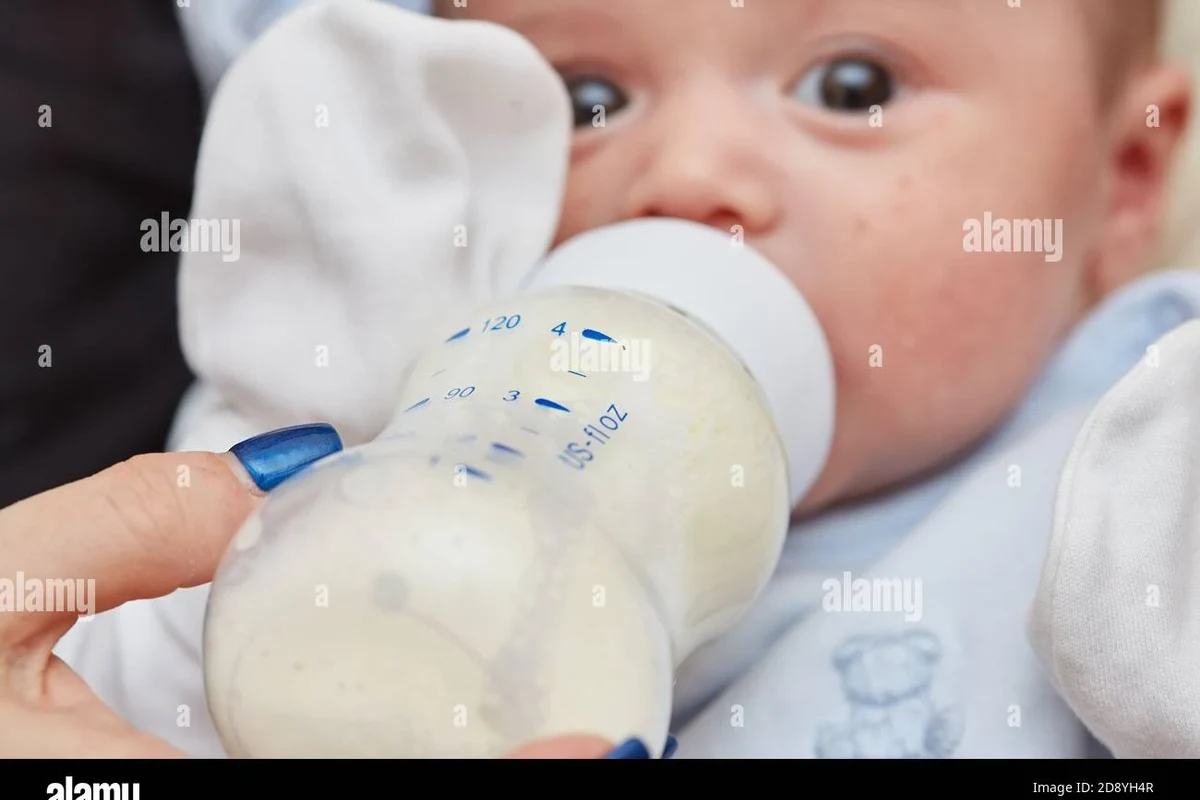
By 2 months, many babies are starting to stay awake a little longer, show more alertness, and respond more to voices and faces. That can make daily care feel more interactive, but it also means parents often need routines that are flexible rather than rigid.
The main goal in 2026 is not to rush milestones or buy every new item marketed for infants. It is to choose safe, easy-to-clean essentials that fit your home, your feeding plan, and your sleep setup while following current guidance from trusted safety sources like the AAP and CPSC.
For a 2 month old baby, the most useful products are usually the simplest ones: safe sleep gear, reliable feeding supplies, and soothing tools that are easy to clean and use consistently.
What a 2 Month Old Baby Typically Needs and How This Stage Differs
This stage is different from the first few newborn weeks because babies often become a little more alert, a little more expressive, and a little less sleepy at random times. Still, they are far from “settled,” and many care patterns remain variable from day to day.
Age range and developmental stage: newborn transition to early infancy
A 2 month old baby is usually in early infancy, which means the body and brain are developing quickly but unevenly. Some babies are already smiling socially or tracking faces, while others are still mainly focused on eating, sleeping, and adjusting to life outside the womb.
This is also a time when parents may notice more predictable periods of wakefulness, but not necessarily predictable schedules. If you are comparing baby gear, look for items that work well for a baby who is still small, still needs close supervision, and may outgrow newborn-specific products soon.
Common milestones, sleep patterns, feeding frequency, and wake windows
Many 2 month old babies begin to show early social responses, hold their heads up a bit better during brief tummy time, and become more interested in light, sound, and faces. These are common patterns, not guarantees, and there is a wide normal range.
Sleep is still fragmented for many families. Wake windows are usually short at this age, and feeding remains frequent for breastfed and formula-fed babies alike. If you want a deeper age-based toy guide, our best educational toy for 4 month old article can help you think ahead without buying too early.
At this age, short supervised tummy time is often more useful than flashy toys because it supports head and upper-body practice in a simple, low-cost way.
Key Care Priorities for a 2 Month Old Baby in 2026
When parents feel overwhelmed, it helps to narrow the focus to three areas: feeding, sleep safety, and soothing. Those are the places where daily routines matter most and where product choice can either reduce stress or create it.
Feeding choices: breast milk, formula, and hybrid routines
At 2 months old, feeding may still be on demand or on a loose schedule, depending on the baby and the family’s plan. Breast milk, formula, and combination feeding can all be appropriate, but the best routine is the one that is safe, sustainable, and supported by your pediatrician or lactation professional when needed.
For bottle-feeding families, the main product priorities are flow control, easy cleaning, and a shape that is comfortable for the caregiver to hold. For mixed feeding, consistency matters more than fancy features, especially if multiple adults will prepare bottles.
Choose feeding gear that is easy to sterilize or thoroughly wash, especially if you are preparing multiple bottles per day and need a routine you can repeat without extra steps.
Sleep safety, swaddling limits, and crib setup basics
Safe sleep remains the most important sleep-related issue at this age. The safest setup is typically a firm, flat sleep surface with no loose blankets, pillows, bumpers, or soft items in the sleep area. If you are unsure whether a product is appropriate, check manufacturer instructions and current guidance from the AAP or CPSC.
Swaddling can be helpful for some babies, but it should be used carefully and stopped as soon as there are signs of rolling or attempts to roll. A sleep sack or wearable blanket may be a better long-term option once swaddling is no longer appropriate.
Do not place a 2 month old baby to sleep on soft surfaces, in inclined products, or with loose bedding. Follow safe sleep guidance and stop using any sleep product that no longer matches the baby’s age, size, or movement level.
Soothing, tummy time, and sensory stimulation
At 2 months, soothing often works best when it is simple and repeatable: holding, gentle rocking, white noise at a safe volume, diaper changes before feeding, and calm lighting. Babies this age do not need complicated entertainment.
Short supervised tummy time, brief face-to-face interaction, and high-contrast visuals are usually enough for sensory stimulation. If you want ideas for age-appropriate play later in infancy, see our best educational toy for 6 month old guide for a more developmentally active stage.
Essential Baby Care Products That Fit This Age
For a 2 month old baby, the best products are the ones that support feeding, sleep, and soothing without adding maintenance headaches. Because babies grow quickly, it is usually smarter to buy for current needs rather than for “what might be useful later.”
What to look for in bottles, pacifiers, swaddles, bassinets, and carriers
Bottles should be easy to hold, easy to clean, and compatible with the feeding rhythm you actually use. Pacifiers should be age-appropriate and made from materials you can clean regularly. Swaddles should fit securely without restricting the hips or becoming loose around the face.
Bassinets and bedside sleepers can be useful only if they meet current safety standards and are used exactly as directed. Carriers can be helpful for hands-free soothing, but they must support the baby’s airway and positioning correctly. If you need a broader nursery-safety reference, our why do you need a baby bathtub article shows how to think about simple, purpose-built baby gear.
Materials, ease of use, cleaning, and durability considerations
At this age, easy cleaning matters more than decorative extras. Smooth surfaces, fewer small parts, and machine-washable or dishwasher-safe components can save time and reduce frustration.
Durability also matters because feeding and soothing items get used often. A product that looks stylish but is hard to dry, traps milk in creases, or needs complicated disassembly may become inconvenient fast. That is especially true in busy homes or when caregivers are sharing tasks.
Certifications, safety standards, and age-appropriate sizing
For sleep and baby gear, look for products that clearly state their intended age or weight range and any relevant safety standard. Where applicable, check for recognized standards from groups such as ASTM or JPMA, but remember that a label alone is not a substitute for reading the instructions.
Age-appropriate sizing matters because a product that is too large, too small, or designed for a different stage can create safety or comfort issues. If a product does not clearly match your baby’s current stage, skip it and choose something simpler.
- Confirm the product is intended for your baby’s current age, size, and developmental stage.
- Read the manufacturer’s instructions before first use.
- Check for recalls and safety notices from the CPSC or your local authority.
- Make sure cleaning and storage fit your real daily routine.
How to Choose the Right Products for Your Home and Routine
The right baby gear depends less on brand hype and more on how your household actually functions. A product that works in a large nursery may be awkward in a small apartment, and a travel-friendly item may not be worth it if you rarely leave home.
Best options for small spaces, frequent travel, and busy parents
In small spaces, compact items that fold, stack, or store easily are often the best choice. For frequent travel, lightweight gear with simple setup is usually more practical than multi-piece systems. Busy parents often benefit from products with minimal assembly and straightforward cleaning steps.
If you are building a home setup around bathing and cleanup routines too, you may also find our where to bathe baby guide useful for organizing a safe, practical space without overbuying.
Budget considerations and when premium features are worth it
Premium features can be worth paying for when they save time, improve cleaning, or support safety and comfort in a meaningful way. For example, a better-latching bottle shape or a more breathable, easy-to-adjust swaddle may be worth it if it fits your routine.
But expensive does not automatically mean better. At 2 months old, many parents get the most value from reliable basics rather than from gear with extra modes, lights, apps, or add-ons they will not use.
Common buying mistakes to avoid at 2 months old
One common mistake is buying ahead too aggressively. Babies change quickly, so products meant for later stages may sit unused or become inappropriate before you need them.
Another mistake is choosing items based on appearance instead of cleaning and safety. A beautiful product that is hard to wash or unclear in its instructions can create more work than it solves.
- Choose the simplest product that solves the actual problem you have now.
- Check whether parts are dishwasher-safe, machine-washable, or easy to dry.
- Prefer clear instructions and known safety standards over extra features.
- Keep receipts and packaging until you confirm the item fits your routine.
Safe Use, Setup, and Daily Care for 2 Month Old Baby Essentials
Even good products can become unsafe if they are used incorrectly. Setup, positioning, supervision, and regular inspection matter just as much as the product itself.
Proper installation, positioning, and supervision guidelines
Follow the manufacturer’s instructions exactly for assembly and positioning. Do not modify straps, remove safety parts, or use a product outside its intended age or weight range. For carriers, keep the baby’s face visible and airways clear; for sleep products, keep the sleep space free of loose items.
Supervision is essential for anything that is not designed for independent sleep. If a product requires you to stay within arm’s reach, treat that instruction as non-negotiable.
Cleaning and sanitizing routines for feeding and sleep gear
Feeding items should be cleaned promptly after use according to the manufacturer’s instructions. Some parts may need sterilizing in early infancy, while others only require careful washing; the correct method depends on the product and your pediatrician’s guidance.
Sleep gear should also be kept clean, but avoid adding aftermarket pads, inserts, or accessories that were not designed for the item. If you are storing gear between uses, make sure it is fully dry to reduce odor and moisture buildup.
- Inspect gear regularly for cracks, loose parts, or wear.
- Wash and dry items according to the label.
- Stop using recalled or damaged products right away.
- Using homemade modifications or unapproved add-ons.
- Ignoring age, size, or weight limits.
- Assuming a product is safe just because it looks sturdy.
Signs a product is no longer a good fit
When a baby starts outgrowing a product, the signs are usually practical: poor fit, frequent slipping, difficult positioning, or the need to force the baby into it. For sleep and restraint-related products, any sign that the baby is too active, too large, or no longer positioned as intended means it is time to stop using that item.
Also stop using any product that is cracked, loose, torn, recalled, or difficult to clean safely. If you are in doubt, follow the manufacturer’s guidance rather than trying to make the item last longer than intended.
Real-World Benefits, Limitations, and What Actually Matters Most
The right baby-care choices can make day-to-day life smoother, but they do not need to be complicated. A calm routine usually comes from a few dependable products used well, not from a fully stocked nursery.
How the right baby-care choices can reduce stress and improve consistency
When feeding gear is easy to clean, sleep gear is simple and safe, and soothing tools are within reach, parents spend less time improvising. That consistency can make the day feel more manageable, especially during the unpredictable weeks of early infancy.
Practicality matters because parents are often tired, distracted, and short on time. The best baby-care setup is one you can repeat safely even on a rough day.
Limitations of product claims and evidence-based expectations
Many baby products promise better sleep, easier feeding, or faster development, but those claims should be treated cautiously. A product may help with convenience, but it cannot guarantee a baby will sleep longer, feed better, or develop faster.
That is why it helps to separate marketing language from actual function. Look for clear intended use, recognized safety guidance, and a product that fits your routine rather than one that promises outcomes it cannot control.
Alternatives for parents who want simpler or minimalist setups
Minimalist setups can work very well at 2 months old. A safe sleep space, a few feeding essentials, a small number of soothing tools, and easy-to-wash basics are often enough for many families.
If you prefer fewer products, focus on multipurpose items and avoid duplicates. For example, one good swaddle or sleep sack, a manageable number of bottles, and a simple carrier may be more useful than a larger collection of specialized gear.
Final Recommendation: Best Approach for Caring for a 2 Month Old Baby
The best approach for a 2 month old baby is to keep the setup simple, safe, and easy to maintain. Prioritize feeding tools that clean easily, sleep gear that follows current safety guidance, and soothing items that support your routine without creating extra work.
Who this stage and product setup is best suited for
This setup is best for parents and caregivers who want practical, low-drama baby care during a stage that changes quickly. It also fits families who need gear that works in small spaces, shared spaces, or busy households with multiple caregivers.
Transparent verdict on value, safety, and practicality
For a 2 month old baby, value comes from safety, fit, and simplicity more than from premium extras. If a product is easy to clean, clearly age-appropriate, and supported by recognized safety guidance, it is usually a better choice than a more complicated alternative that only looks more advanced.
Choose the simplest safe setup that supports feeding, sleep, and soothing in your real home. If a product is hard to clean, unclear in its instructions, or not a good fit for your baby’s current stage, a simpler alternative is usually the better buy.
Common Questions
Many babies are a little more alert, more expressive, and still very dependent on feeding and sleep. The stage varies a lot from baby to baby.
Safe sleep matters most: a firm, flat surface with no loose items. Follow current AAP and CPSC guidance.
They do not need many toys. Simple visual contrast, faces, and short supervised tummy time are usually enough.
Feeding supplies, a safe sleep setup, and easy soothing tools are usually the most useful. Pick items that fit your routine.
Usually no, unless it clearly fits your baby’s current stage. Buying too far ahead can waste money and space.
Frequently Asked Questions
Look for age-appropriate sizing, easy cleaning, and clear instructions. For sleep and restraint-related items, check recognized safety guidance and recall status before use.
No. At 2 months old, simple and reliable often matters more than premium extras. A product is only worth extra cost if it genuinely improves safety, cleaning, or daily convenience.
Check the label for age, size, and rolling guidance. Stop using swaddles as soon as the baby shows signs of rolling and follow the manufacturer’s instructions carefully.
Buying too far ahead, choosing hard-to-clean items, and ignoring safety instructions are common mistakes. It is usually better to buy for the current stage and routine.
Follow the product label for washing or sterilizing instructions. Different materials may need different care, so do not assume all parts can be cleaned the same way.
Confirm the item is not recalled, not damaged, and still within the recommended age or weight range. If anything seems unclear, check the manufacturer’s guidance before using it.