

A 2 month old baby usually needs frequent feeding, short wake windows, and very safe sleep routines. The best support at this stage is simple, responsive care and age-appropriate products that are easy to use correctly.
A 2 month old baby is still very young, but you may already notice longer alert periods, stronger head movement, and more predictable feeding and sleep patterns. This guide explains what is typical at this stage, what usually helps at home, and when to check in with a pediatrician.
- Development: More alert moments, better eye contact, and stronger head movement are common around 2.
- Care: Responsive feeding, gentle skin care, and simple routines matter more than strict schedules.
- Safety: Use a firm, flat sleep surface and keep loose items out of the sleep.
- Buying: Choose infant products that match current age and size, with clear instructions and easy.
2 Month Old Baby: What to Expect and How to Support This Stage
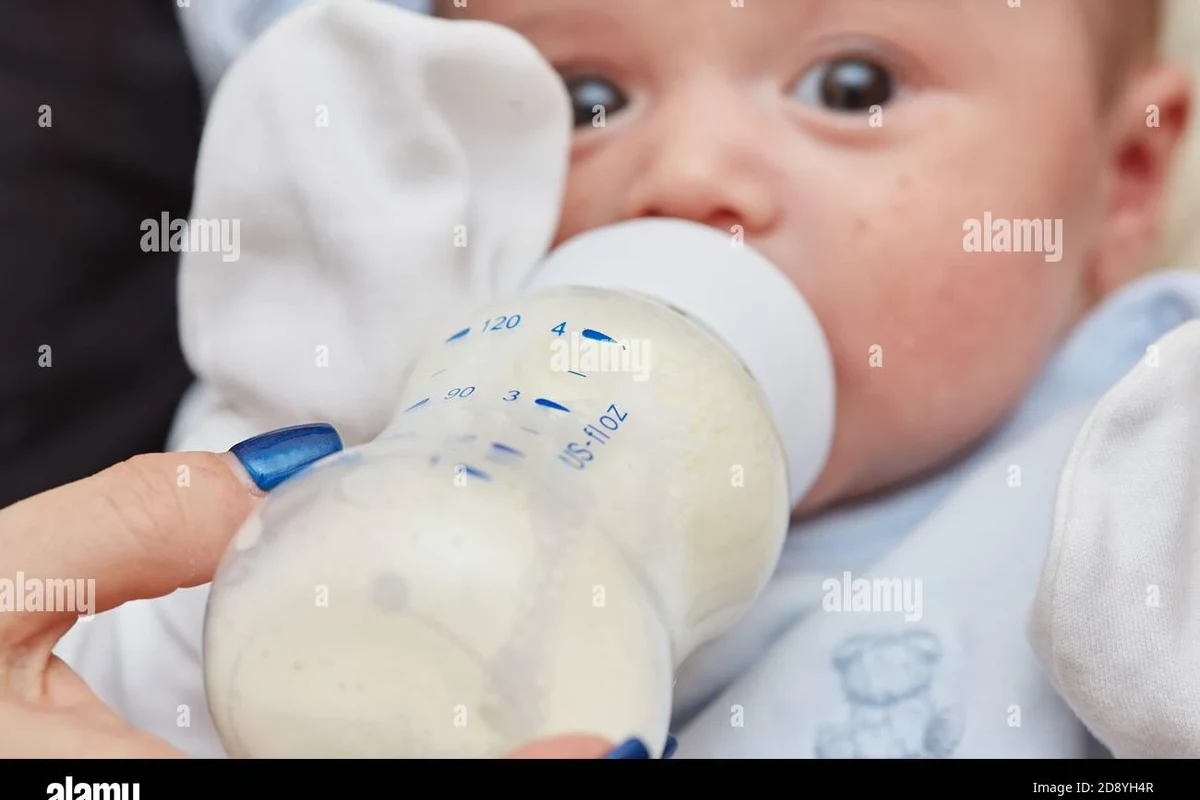
At around 2 months, babies are still adjusting to life outside the womb, but their routines often start to feel a little less random. Some parents notice more eye contact, more interest in faces, and brief calm periods that are easier to build around feeding, diapering, and rest.
This is also a stage where small changes matter more than big ones. A calm room, a safe sleep space, and consistent handling can make daily care easier for both baby and caregiver.
Who This Guide Is For: Age Range, Development Stage, and Parent Needs
This guide is for babies who are about 8 weeks old, give or take a little. Development varies widely, so some babies will look more alert or coordinated than others, and that can still be normal.
Parents at this stage usually want help with three things: understanding what is typical, choosing safe baby products, and knowing what signs should prompt a call to the doctor. For broader feeding and sleep routines, you may also find related guides like baby toys for 4-month-olds and why some babies dislike baths useful as your baby grows.
Newborn vs. 2-Month Milestones
Compared with the first weeks, many 2 month old babies spend a little more time awake and may briefly track movement with their eyes. They may also show stronger reflexes, more facial expressions, and a greater ability to settle with a familiar voice or gentle motion.
That said, “milestones” at this age are broad patterns, not pass-or-fail tests. A baby who is feeding well, growing, and gradually becoming more alert may be right on track even if they are not doing everything you see online.
The American Academy of Pediatrics emphasizes that safe sleep should start from birth and continue through infancy, including during naps and nighttime sleep.
When to Seek Extra Support from a Pediatrician
Contact your pediatrician if feeding is consistently difficult, your baby seems unusually sleepy or hard to wake, has fewer wet diapers than expected, or seems to be losing skills rather than slowly gaining them. You should also ask for guidance if crying is extreme and persistent, or if you are worried about weight gain, jaundice, or breathing.
If a baby has trouble breathing, turns blue, has a fever in a very young infant, or is difficult to wake, seek urgent medical care right away rather than waiting for a routine visit.
Key Developmental Changes in a 2 Month Old Baby
At this age, development is often easiest to notice in everyday routines. Sleep, feeding, movement, and social response usually change gradually, not all at once.
Sleep, Feeding, and Wake Windows
Sleep is still fragmented for most babies at 2 months. Many will sleep in short stretches day and night, and wake windows are usually brief, which means a baby may only stay comfortably alert for a little while before needing rest again.
Feeding is often frequent, especially during growth spurts. Whether a baby is breastfed, formula-fed, or combination-fed, the main goal is steady intake and a feeding pattern that supports growth and hydration.
- Watch for early sleepy cues like staring off, yawning, or fussing before overtired crying starts.
- Offer feeds responsively rather than waiting for a rigid clock schedule.
- Keep nighttime care quiet and low-stimulation when possible.
Movement, Senses, and Early Social Cues
Many 2 month old babies begin lifting their head a little better during tummy time, opening their hands more, and turning toward sound or familiar voices. Vision is still developing, but many babies can focus better on faces and high-contrast objects than they could as newborns.
You may also notice early social cues such as brief eye contact, a start of social smiling, or calmer behavior when held and spoken to gently. These are encouraging signs, but they still vary a lot from baby to baby.
Essential Care Decisions for the 2-Month Stage
The best care choices at this age are usually the simplest ones: feed in a way that works for your family, protect sensitive skin, and keep the environment clean and safe. If you are buying supplies, choose items that match your baby’s current size and your own daily routine.
Feeding Options: Breastfeeding, Formula, or Combination Feeding
There is no single “best” feeding method for every family. Breastfeeding, formula feeding, and combination feeding can all be appropriate depending on health needs, milk supply, caregiver support, and pediatric guidance.
If you use formula, follow the manufacturer’s mixing instructions exactly and use safe water and clean bottles. If you breastfeed, comfort, latch, and milk transfer matter more than comparing yourself to other parents. If you are unsure whether your baby is getting enough, your pediatrician or lactation consultant can help assess feeding and growth.
Feeding concerns are one of the most common reasons parents seek extra help at this age, and early support can prevent a lot of stress later.
Diapering, Skin Care, and Bathing Basics
Frequent diaper changes help reduce irritation, especially if your baby has sensitive skin. A plain, fragrance-free barrier cream may help some babies, but if a rash is severe, spreading, or not improving, ask a clinician for advice.
For bathing, gentle and infrequent baths are often enough at this stage. Many parents find it easier to bathe a baby in a small infant tub or sink setup, as long as the space is stable and the baby is never left unattended. If you are still figuring out bath setup, you may want to read what a baby bathtub is and where to bathe a baby safely.
Keep bath supplies within arm’s reach before you start, so you never need to step away for a towel, soap, or clean diaper.
Safety Guide for a 2 Month Old Baby
Safety is especially important at 2 months because babies cannot protect themselves, roll reliably, or sit independently. That means safe sleep, careful handling, and age-appropriate gear matter every day.
Safe Sleep Setup and SIDS Prevention Basics
Use a firm, flat sleep surface with a fitted sheet only. Keep pillows, blankets, bumpers, stuffed toys, and loose bedding out of the crib, bassinet, or play space during sleep.
Room-sharing without bed-sharing is commonly recommended for infants, because it keeps baby close while reducing unsafe sleep risks. If you use a swaddle, follow current safe-swaddling guidance and stop once baby shows signs of rolling.
Stop using any sleep item that is recalled, damaged, loose, or not intended for infant sleep, and follow the manufacturer’s instructions exactly.
Car Seat, Home, and Handling Safety
At this age, a rear-facing car seat is the correct choice for travel, but it must be installed and used according to the seat manual and vehicle instructions. Harness straps should fit snugly, and bulky clothing should not interfere with proper restraint.
In the home, keep small objects, cords, strings, and loose batteries away from reach. Even before babies can crawl, they can be exposed to hazards during diaper changes, feeding, and time on the floor.
- Use age-appropriate gear only and check recall information before first use.
- Keep one hand on baby during elevated changes or baths.
- Read the manual for every product, even simple-looking ones.
- Do not modify cribs, seats, or bath supports to make them “work better.”
- Do not leave baby unattended on changing tables, couches, or in water.
- Do not ignore age, weight, or fit limits on baby products.
What to Look for in Baby Products at 2 Months
At 2 months, the best products are usually the ones that are easy to clean, easy to store, and clearly designed for infant use. Whether you are shopping for a bassinet, bath support, swaddle, bottle, or toy, the same basic rules apply: fit, safety, and simplicity first.
Age-Appropriate Features, Materials, and Certifications
Look for products that state an age or stage range on the label, and check whether that range matches your baby’s current development rather than a future milestone. For sleep and travel gear, prioritize recognized safety standards and follow the manufacturer’s instructions exactly.
For toys, choose simple, high-contrast, easy-to-clean items with no loose parts. For bath and care items, look for stable construction, non-slip details where appropriate, and materials that can be cleaned without trapping moisture or mildew.
- Confirm the age range and intended use.
- Check for recall notices and missing parts.
- Review cleaning instructions and storage needs.
- Make sure the product fits your home and routine.
Budget, Value, and Common Buying Mistakes
Good value at this age usually means a product that does one job safely and well, not a gadget with extra features you may never use. Parents often overspend on items that are too advanced, too bulky, or hard to clean.
A common mistake is buying for the baby you imagine months from now instead of the baby you have today. Another is assuming all infant products are automatically safe just because they are sold for babies; age grading, assembly, and proper use still matter.
Simple infant basics
Choose straightforward products with clear instructions, easy cleaning, and a fit that matches your baby’s current stage. The main limitation is that these items may not include advanced features.
Multi-use gear
This can work for families with limited space, but only if the product still meets safety guidance and does not become harder to maintain or use correctly.
Real-World Benefits, Limitations, and Common Challenges
Life with a 2 month old baby is often about managing small wins: one better nap, one calmer feed, one easier diaper change. The right routine helps, but it will not make every day predictable.
What Helps Most in Everyday Routines
Consistency helps more than complexity. Repeating the same order for feeding, diapering, and sleep cues can make the day feel more manageable for both baby and caregiver.
Simple tools also help: a safe place to put baby down, a clean feeding setup, and a bath routine that keeps everything within reach. If you are still choosing bathing gear, you may want to compare options in which bathtub is best for baby and how to clean a baby bathtub.
What Typically Does Not Work Well at This Age
Rigid schedules often fail because 2 month old babies still change quickly from day to day. Products that require too much setup, too many accessories, or frequent adjustment can also become frustrating in a real home.
It is also common for parents to expect a baby to “self-soothe” for long stretches this early. At 2 months, most babies still need active support from a caregiver, and that is normal.
Final Recommendation: The Best Way to Support a 2 Month Old Baby
The best way to support a 2 month old baby is to keep care simple, safe, and responsive. Focus on safe sleep, steady feeding, gentle skin care, and age-appropriate products that are easy to use correctly every day.
If something feels off, trust your instincts and ask a pediatrician rather than trying to guess. For most families, the right answer at this stage is not more gear or a perfect schedule, but a calm routine that protects safety and supports gradual growth.
Common Questions
Sleep is still broken into short stretches, day and night. Most babies at this age need frequent rest and may not stay awake for long.
Some babies begin to show social smiles around this time, but timing varies. Brief facial expressions and eye contact are also common early signs of social development.
Simple, high-contrast toys without loose parts are usually the best fit. Keep toys easy to clean and always check that they are meant for infants.
Many babies do not need a daily bath. Gentle bathing a few times a week is often enough unless your pediatrician suggests otherwise.
Use a firm, flat surface with a fitted sheet only. Keep pillows, blankets, bumpers, and stuffed toys out of the sleep area.
Frequently Asked Questions
Many 2 month old babies have short awake periods, frequent feeds, and sleep that still feels unpredictable. You may also notice more eye contact, facial expressions, and brief moments of calm alertness.
Feeding patterns, diaper output, and growth are all part of the picture, but no single sign tells the whole story. If you are unsure, your pediatrician can help assess intake and weight gain.
The most useful items are usually simple ones that support feeding, diapering, sleep, and bathing. Look for products that are easy to clean, stable, and clearly intended for infant use.
Avoid products that are too advanced, hard to clean, or not clearly meant for infants. Also avoid anything with unclear instructions, missing parts, or unresolved recall issues.
Follow the manufacturer’s cleaning instructions for each item, especially for bottles, bath gear, and sleep products. If a product traps moisture or has damaged parts, stop using it until it is fully cleaned or replaced.
Reach out if your baby seems to be losing skills, feeding poorly, or is unusually hard to wake. It is always appropriate to ask a pediatrician when something feels different from your baby’s usual pattern.