

A 2 month old is still in the early infant stage, so safe sleep, feeding cues, and gentle routines matter most. Normal development varies widely, but steady feeding, alert moments, and gradual head control are encouraging signs.
A 2 month old is still very much in the early infant stage, and most parents are focused on feeding, sleep, and learning what feels normal for their baby. At this age, the biggest priorities are safe sleep, steady feeding, and watching for early developmental progress without expecting every baby to follow the same timeline.
- Development: A 2 month old may show better head control, brief tracking, and early social.
- Feeding: Watch hunger cues, wet diapers, and growth instead of relying on one exact feeding.
- Sleep: Short sleep cycles are normal; safe sleep setup matters more than sleep hacks.
- Safety: Use age-appropriate gear, avoid loose items in the crib, and follow manufacturer instructions exactly.
2 Month Old: What to Expect and How to Support This Stage
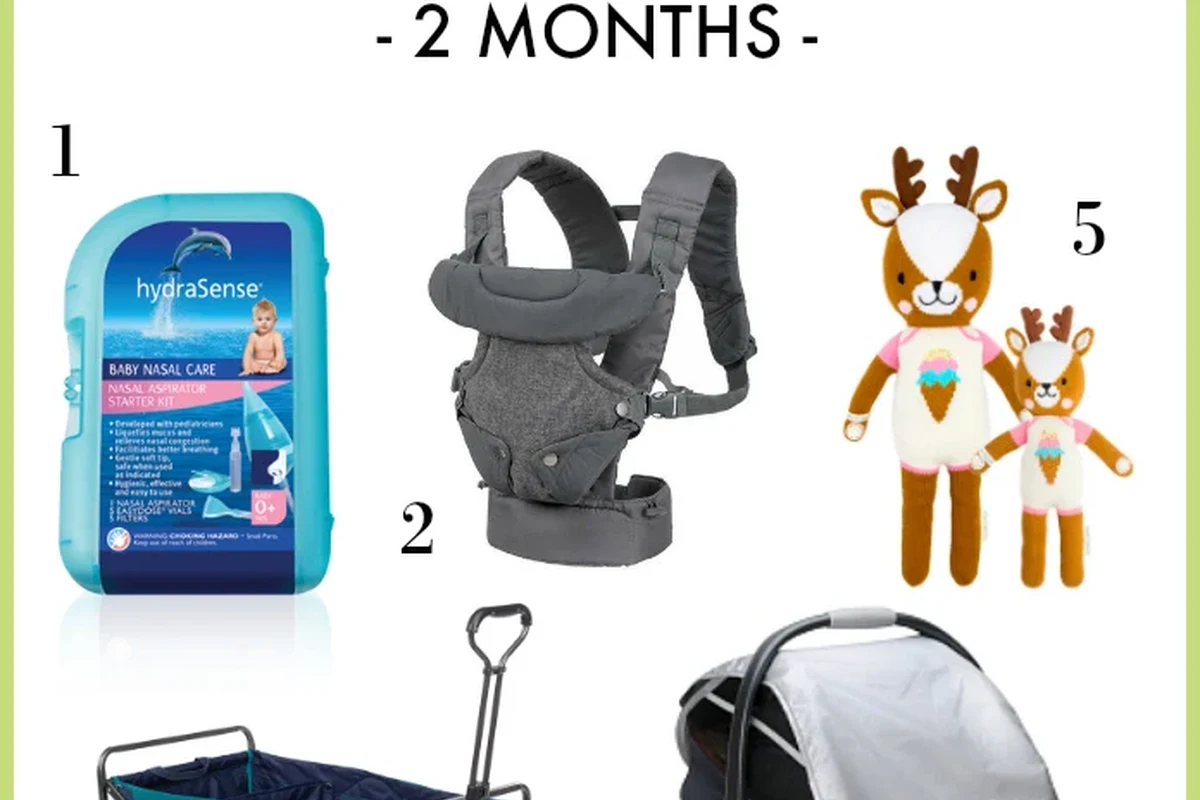
By two months, many babies are a little more alert, a little more responsive, and a little less sleepy than they were in the first weeks. That said, this stage still varies a lot from baby to baby, so it helps to think in ranges rather than fixed rules.
Is a 2 Month Old Still Newborn?
Yes, in everyday parenting terms, many families still think of a 2 month old as a newborn or “new baby,” even though medically the newborn period is usually the first 28 days of life. In practical terms, the care needs are still very similar: frequent feeds, close monitoring, gentle handling, and lots of sleep.
The main difference is that a 2 month old may start spending a little more time awake and may show more interest in faces, voices, and movement. Those small changes can make daily routines feel more interactive, even if the baby still needs constant support.
Why This Stage Matters for Feeding, Sleep, and Development
Two months is often when parents start noticing patterns. Feedings may become a little more predictable, sleep may begin to stretch in short bursts, and the baby may show clearer cues for comfort or interaction.
This is also a good time to build habits that support safety and consistency. For example, choosing age-appropriate sleepwear, keeping the sleep space clear, and paying attention to hunger and tiredness cues can make day-to-day care easier.
At this age, the best “routine” is usually a simple one: feed, burp, diaper, soothe, sleep, repeat. Predictability matters more than strict scheduling.
2 Month Old Development: Key Milestones and Normal Variation
Development at two months is often subtle. Some babies are already showing stronger head control or social smiles, while others are still working toward those skills. Both can be normal.
Physical Growth and Head Control
Many 2 month olds are gaining weight steadily and moving a little more smoothly than they did in the first weeks. You may notice stronger neck muscles during tummy time or when the baby is held upright against your chest.
Head control is still limited, though, and babies this age usually need full support of the head and neck when being picked up, carried, or moved. Brief tummy time while awake and supervised can help build strength, but it should always be done safely and only when the baby is alert.
Vision, Hearing, and Early Social Responses
At two months, babies often begin focusing on faces, tracking movement briefly, and turning toward familiar voices. Some may also start to give early social smiles, which are exciting but not guaranteed on a specific schedule.
These early responses are important because they show your baby is beginning to engage with the world. Talking, singing, and making eye contact can support that interaction, even though the baby is still far from understanding language.
Many babies begin to show social smiles somewhere around 6 to 8 weeks, but the timing can vary widely and still be normal.
When to Watch for Red Flags
It is wise to mention concerns to a pediatrician if your baby is not feeding well, seems unusually floppy or stiff, does not respond to sound, or seems to have very limited eye contact over time. One sign alone does not always mean something is wrong, but patterns matter.
If your baby is hard to wake for feeds, has fewer wet diapers than expected, or seems increasingly unwell, seek medical advice promptly. For developmental concerns, the safest next step is to ask the pediatrician rather than trying to self-diagnose.
Call a pediatrician right away for breathing trouble, bluish skin, fever in a young infant, repeated vomiting, poor feeding, or unusual lethargy. If something feels urgent, do not wait for a routine appointment.
Feeding a 2 Month Old: Breastfeeding, Formula, and Hunger Cues
Feeding is one of the biggest concerns at this stage, and it is normal for parents to wonder whether the baby is eating enough. The exact amount and frequency vary by baby, feeding method, and growth pattern.
How Much and How Often Babies Commonly Eat
Breastfed babies often feed on demand, which may mean frequent sessions throughout the day and night. Formula-fed babies also vary, but many still eat several times in 24 hours rather than on a strict adult-style schedule.
Instead of focusing only on ounces or minutes, pay attention to hunger cues such as rooting, lip smacking, hand-to-mouth movement, and waking to seek feeding. A baby who is calm after feeding and continues to gain weight appropriately is often doing well.
Signs Baby Is Getting Enough
Common signs include regular wet diapers, steady weight gain, and a baby who seems satisfied after most feeds. Your pediatrician can help interpret weight checks and growth patterns, especially if your baby was born early or has special feeding needs.
It is also helpful to notice whether your baby has periods of alertness between sleeps and feeds. A baby who is consistently too sleepy to feed, however, should be discussed with a medical professional.
Common Feeding Mistakes and Safety Notes
One common mistake is assuming every cry means hunger. Babies also cry because they are tired, overstimulated, gassy, cold, warm, or simply wanting closeness.
Another mistake is pushing feeds too quickly or ignoring burping and pacing cues, which can lead to more spit-up or discomfort. If bottle-feeding, follow the formula label and bottle instructions carefully, and never dilute formula or prepare it in an unsafe way.
- Check that bottles, nipples, and formula instructions match your baby’s age and feeding needs
- Follow manufacturer directions for cleaning, mixing, and storage
- Review recall notices from official safety sources when buying feeding gear
Sleep Patterns for a 2 Month Old: What’s Typical and What Helps
Sleep at two months is still highly fragmented. Many babies sleep a lot overall, but not in long stretches, and day-night confusion is still common.
Expected Sleep Windows and Wake Periods
Some 2 month olds sleep for short naps during the day and wake frequently at night for feeds. Wake windows are usually brief, and many babies become overtired faster than parents expect.
Rather than waiting for a baby to become fussy, try watching for early sleepy signs such as staring off, yawning, reduced movement, or glazed eyes. Short wake periods can make the next sleep easier.
Safe Sleep Setup and SIDS Prevention Basics
Safe sleep matters more than sleep “tricks” at this age. The safest setup is a firm, flat sleep surface with no loose blankets, pillows, bumpers, or stuffed items, and the baby should be placed on the back for every sleep unless a doctor gives different instructions.
Keep the crib, bassinet, or play yard clear and follow the manufacturer’s age, weight, and use instructions. If you are shopping for sleep-related items, verify current guidance from the CPSC and your pediatrician rather than relying on old advice.
Stop using any sleep item that is recalled, damaged, or no longer appropriate for your baby’s size or development stage, and always follow the manufacturer’s instructions exactly.
Soothing Strategies That Fit This Age
Gentle motion, swaddling only if it is still appropriate and done safely, white noise at a reasonable level, and a calm feeding-and-sleep routine can help some babies settle. What works one day may not work the next, so flexibility is normal.
If your baby seems hard to soothe, check the basics first: hunger, diaper, temperature, burping, and overstimulation. For parents looking for age-appropriate play ideas later in infancy, guides like the best educational toy for 4 month old can help frame what comes next developmentally.
Best Baby Care Essentials for a 2 Month Old
At two months, the most useful baby care items are usually the ones that make feeding, diapering, sleep, and outfit changes easier. Comfort and safety matter more than decorative extras.
What to Look For in Clothing, Swaddles, and Sleepwear
Choose clothing that is easy to open for diaper changes and soft enough for sensitive skin. Many parents prefer simple layers that can be adjusted as room temperature changes.
If you use swaddles, make sure they are appropriate for your baby’s current stage and that you stop swaddling once the baby shows signs of rolling. Sleepwear should fit well and should not be loose enough to cover the face.
Diapering, Bathing, and Skin Care Must-Haves
A 2 month old usually benefits from a small, practical diapering setup: diapers, wipes, a safe changing surface, and a barrier cream if recommended for irritation. Bathing needs are usually simple and do not require a lot of products.
Gentle, fragrance-free skin care is often a good default for babies with sensitive skin, but always check with your pediatrician if your child develops a rash, eczema, or persistent irritation. For families planning ahead on infant gear, a guide like the best educational toy for 6 month old can also be useful for understanding future age stages.
Materials, Comfort, and Ease-of-Use Considerations
When choosing baby essentials, look for soft materials, secure closures, and items that are easy to wash. Parents often underestimate how much time gets spent on laundry, spit-up cleanup, and quick changes.
Simple products tend to be easier to manage in the middle of the night. If an item is complicated to fasten, hard to clean, or uncomfortable against the skin, it may not be worth the hassle.
- Keep a small backup set of clothes in the diaper bag and near the changing area.
- Choose easy-care fabrics that hold up to frequent washing.
- Label or separate items by size if your baby is growing quickly.
Safety Guide for a 2 Month Old at Home and On the Go
Safety at two months is mostly about preventing avoidable risks and using baby gear exactly as intended. This includes safe transport, safe sleep, and careful handling of small or loose items.
Car Seat Fit, Stroller Use, and Travel Readiness
Your baby should ride in a rear-facing car seat that fits their size and is installed correctly according to the manufacturer and vehicle instructions. If you are unsure about fit or installation, a certified child passenger safety technician or local safety program can help.
Strollers should be used only as directed, with harnesses fastened properly and brakes engaged when stopped. For future car-seat planning as your child grows, you may also find our best baby car seat for 2 year old guide helpful later on.
Choking Hazards, Temperature, and Handling Tips
At two months, babies should not be given small objects, loose accessories, or anything that could block the airway. Keep cords, plastic bags, and tiny toy parts well out of reach.
Also pay attention to temperature. Babies can overheat more easily than adults, so dress in light layers and check the chest or back of the neck rather than judging by cold hands alone.
Cleaning, Sanitizing, and Everyday Hygiene
Good hygiene is especially important because babies this age put everything into their mouths and have developing immune systems. Wash hands before feeding, clean bottles and nipples carefully, and follow the care instructions for pacifiers, pump parts, and other feeding items.
For nursery or bath items that are no longer in use, it is worth storing them safely or repurposing them only if they still meet current safety standards. If you are wondering what to do with older baby gear, our guide to old baby bathtub ideas may help with safe, practical decisions.
Common Challenges With a 2 Month Old and How to Troubleshoot Them
Many of the hardest parts of this stage are temporary, but they can still feel intense. Fussiness, gas, and irregular sleep are common reasons parents start looking for answers.
Fussiness, Gas, and Colic-Like Symptoms
Some babies cry more in the evening, seem hard to settle, or arch and squirm after feeds. This can happen for many reasons, including normal immaturity, gas, or sensitivity to routine changes.
Try a calm environment, burping during and after feeds, and a slower pace when feeding. If your baby’s crying seems extreme, persistent, or paired with feeding problems, talk with the pediatrician.
Overtiredness, Feeding Struggles, and Sleep Regressions
At this age, being awake too long can backfire quickly. An overtired baby may cry more, feed less efficiently, and have a harder time settling.
Feeding struggles can also show up as short feeds, frequent unlatching, or seeming frustrated at the breast or bottle. If this becomes a pattern, ask a pediatrician or lactation professional for help rather than assuming it is just a phase.
When to Call the Pediatrician
Call your pediatrician if your baby is not feeding well, has fewer wet diapers than usual, seems unusually sleepy, or has a fever or other signs of illness. You should also reach out if you are worried about development, head shape, muscle tone, or persistent crying.
Parents do not need to wait until a concern becomes severe. In many cases, a quick call can clarify whether the issue is normal variation or something that deserves an exam.
Final Recommendation: What Parents Should Prioritize at 2 Months
The best approach for a 2 month old is simple: focus on safe sleep, responsive feeding, and close attention to your baby’s cues. You do not need a complicated routine to do well at this stage.
Best Value Choices for Different Budgets and Lifestyles
For most families, the best value comes from a few reliable basics: a safe sleep space, easy-care clothing, a practical diapering setup, and feeding supplies that are easy to clean. If your home is small or your schedule is busy, prioritize items that store easily and wash quickly.
Families who travel often may want gear that folds compactly and is simple to sanitize. Families who stay mostly at home may prefer comfort and convenience over portability, as long as the product still meets safety guidance.
What Matters Most at This Stage
What matters most is not buying the most expensive baby care items; it is using age-appropriate, safe, and easy-to-manage essentials consistently. If you are ever unsure about sleep safety, feeding, or development, the pediatrician and official safety guidance should come before product trends or online opinions.
At 2 months, parents should prioritize safe sleep, responsive feeding, and simple baby care essentials that are easy to clean and use. If your baby has feeding, sleep, or developmental concerns that feel beyond normal variation, choose medical guidance over guesswork.
Common Questions
Often yes in everyday conversation, even though the medical newborn period is usually the first 28 days. Care needs are still very similar.
Many babies are becoming more alert, showing better head control, and starting to respond more to voices and faces. Variation is normal.
It depends on the baby and feeding method. Hunger cues, diaper output, and growth are more useful than a strict schedule.
Sleep is usually broken into short stretches with frequent waking. Brief wake windows are common.
Always place the baby on the back for sleep unless a doctor says otherwise. Keep the sleep space clear and flat.
Frequently Asked Questions
Expect a lot of variation in feeding, sleep, and alertness. Many babies are beginning to smile, track faces, and hold their heads up a little better.
Look for regular wet diapers, steady weight gain, and contentment after feeds. If you are unsure, your pediatrician can help interpret growth and feeding patterns.
Simple, easy-care essentials are usually best: safe sleep gear, practical clothing, diapering supplies, and feeding items that are easy to clean. Comfort and safety matter more than extras.
Avoid products that are not age-appropriate, hard to clean, or unclear on safety instructions. Always check recall status and follow weight or age limits.
Follow the manufacturer’s cleaning instructions for bottles, pacifiers, swaddles, and sleep items. Good hand hygiene before feeding is also important.
Call for poor feeding, fewer wet diapers, fever, breathing trouble, unusual sleepiness, or concerns about development. It is better to ask early than wait and worry.