Most babies can start using a regular bathtub once they sit steadily, commonly around 6–12 months.
I’ve guided many parents through the bath transition and tested safe setups for infants and toddlers. This article explains exactly when can baby use regular bathtub, the readiness signs to watch for, step-by-step transition tips, safety rules, useful products, and real-life lessons I learned. Read on for clear, practical advice to help your family switch to a regular tub confidently and safely.
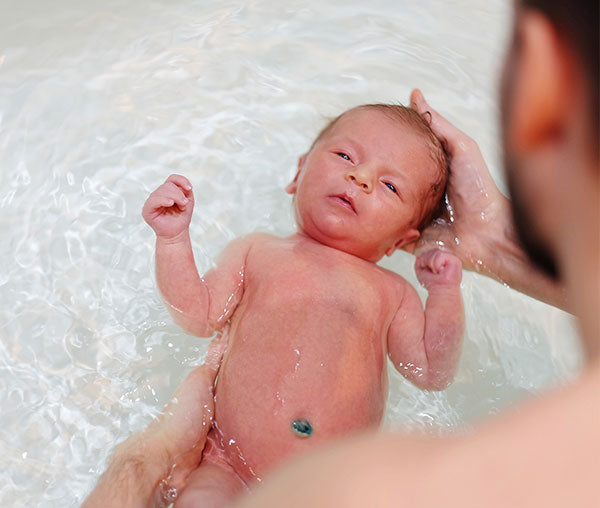
When can a baby use a regular bathtub?
Deciding when can baby use regular bathtub depends on skills, safety, and comfort. Most pediatricians and child-safety experts say the right time is when a baby can sit up unassisted and has good head control. For many babies, that happens around 6 to 12 months. Some parents wait longer for confidence or space reasons.
Factors that affect timing:
- Physical development. Sitting steady and upright is key to prevent slipping.
- Temperament. An anxious baby may need more gradual exposure.
- Bath setup. A non-slip surface and low water depth make early transitions safer.
- Supervision. The caregiver must always be within arm’s reach.
When can baby use regular bathtub is not a fixed date. It’s a readiness decision. Trust what your baby shows you and take steps to reduce risk.
-c144fc.png&w=3840&q=75)
Signs your baby is ready to use a regular bathtub
Look for clear signs before attempting the switch. These show when can baby use regular bathtub safely.
Key readiness signs:
- Sits unassisted for several minutes without wobbling.
- Keeps head steady and can control neck movements.
- Reaches for toys and reacts calmly to water play.
- Can follow simple cues like “sit” or “stay” a little.
- Shows no fear of water when briefly placed in shallow tub water.
If your baby meets most of these signs, try short supervised baths in the tub. If not, keep using an infant tub or sink until skills improve.

Safety rules and bathing checklist
Safety is the main issue when thinking about when can baby use regular bathtub. Follow a checklist every time.
Before bath
- Gather supplies. Keep towel, soap, shampoo, and clothes within reach.
- Set water temperature. Aim for about 98°F to 100°F (37°C to 38°C). Use a thermometer.
- Prepare the tub. Use a non-slip mat and plug the drain only to a shallow level.
- Remove hazards. Cover faucets and remove sharp objects and small items.
During bath
- One adult responsible. Stay within arm’s reach at all times.
- Keep water shallow. For infants and young toddlers, 2 to 4 inches is enough.
- Maintain contact. Keep one hand on your baby until they’re steady and confident.
- Watch for cold or overheating. Babies lose heat fast when wet.
After bath
- Drain water immediately and dry your baby thoroughly.
- Put on diaper and clothes in a warm spot.
- Store products out of reach.
These rules answer critical parts of when can baby use regular bathtub and keep baths enjoyable and safe.

How to transition: step-by-step guide
A gentle step-by-step plan helps answer when can baby use regular bathtub without stress.
- Start with the infant tub inside the regular tub. Sit the infant tub on the tub floor so your baby gets used to the space.
- Short, supervised trials. Try 5 to 10 minute sessions and increase time as they feel secure.
- Move to sitting in shallow tub water. Support your baby behind the back with one hand while they sit.
- Use toys and soothing talk. Familiar toys help the baby associate the tub with fun.
- Reduce support gradually. As your baby sits more steady, provide less support but keep your hand nearby.
- Practice safety routines. Teach basic cues like “sit” or “hold” as your child grows.
Transition pace varies. Some babies adapt in days. Others take weeks. Keep sessions positive and stay patient.

Common mistakes and how to avoid them
Avoiding pitfalls helps answer when can baby use regular bathtub safely.
Common mistakes
- Leaving the baby unattended, even for a moment. Never step away.
- Using water that is too deep or hot. Always test the water temperature.
- Rushing the transition. Moving too fast can cause fear or slips.
- Relying on bath seats as safety devices. Bath seats are not substitutes for supervision.
- Skipping a non-slip mat. Wet tubs are slippery and increase fall risk.
How to avoid them
- Keep supplies within reach so you never have to leave the baby.
- Use a reliable thermometer and set hot water heater below 120°F to prevent scalds.
- Move slowly and watch your baby’s cues during each step.
- Treat bath seats and rings as comfort tools only, not safety devices.
- Add a textured mat and keep the tub clean to reduce slips.
These practices directly shape the answer to when can baby use regular bathtub.

Products and gear that help
Choosing the right gear makes the transition smoother and safer when considering when can baby use regular bathtub.
Useful items
- Baby bath tub or insert. Use these early and inside a regular tub for practice.
- Non-slip bath mat. Adds traction for small feet and toddler knees.
- Faucet cover. Protects from bumps and heats caused by metal taps.
- Bath thermometer. Gives quick, accurate water readings.
- Handheld shower or cup. Helps rinse gently and reduces splashing.
Products to avoid or be cautious with
- Bath rings and inflatable seats. They may give a false sense of security.
- Unverified novelty gadgets. Stick to basic safety-tested items.
Pick simple, safe tools. They help you answer when can baby use regular bathtub with less worry.

Personal experience and lessons learned
I helped friends and family transition their babies to regular tubs. One child sat steady at 7 months and loved the tub right away. Another resisted until nearly 15 months and needed short, playful sessions.
Lessons I learned
- Start early but slowly. A few minutes now avoids fear later.
- Keep a hand on the baby until they show clear stability.
- Use bath time to bond, not rush. Smiles and songs work wonders.
These real examples show that when can baby use regular bathtub is flexible. It depends on the child, not the calendar.
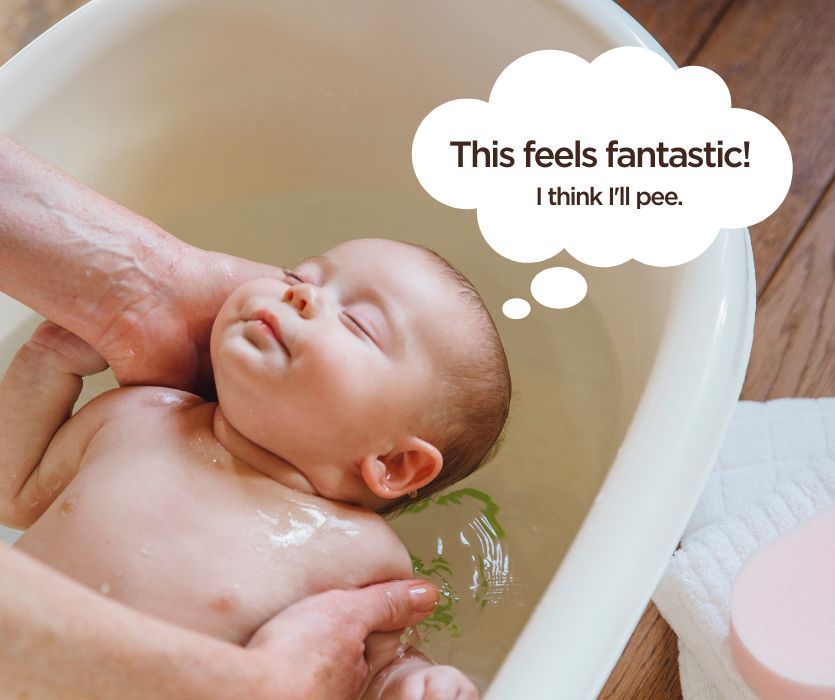
Expert tips and additional recommendations
Simple, consistent habits make baths safe and fun as you decide when can baby use regular bathtub.
Top tips
- Check with your pediatrician for special medical concerns.
- Keep hot water heater set below 120°F to reduce burn risk.
- Teach simple rules as toddlers grow, like “sit down” and “no running.”
- Store bath toys clean and dry to prevent mold and germs.
- Practice quick emergency steps: if needed, know how to drain quickly and call for help.
Follow these tips and you’ll feel more confident about the day you switch to a regular tub.
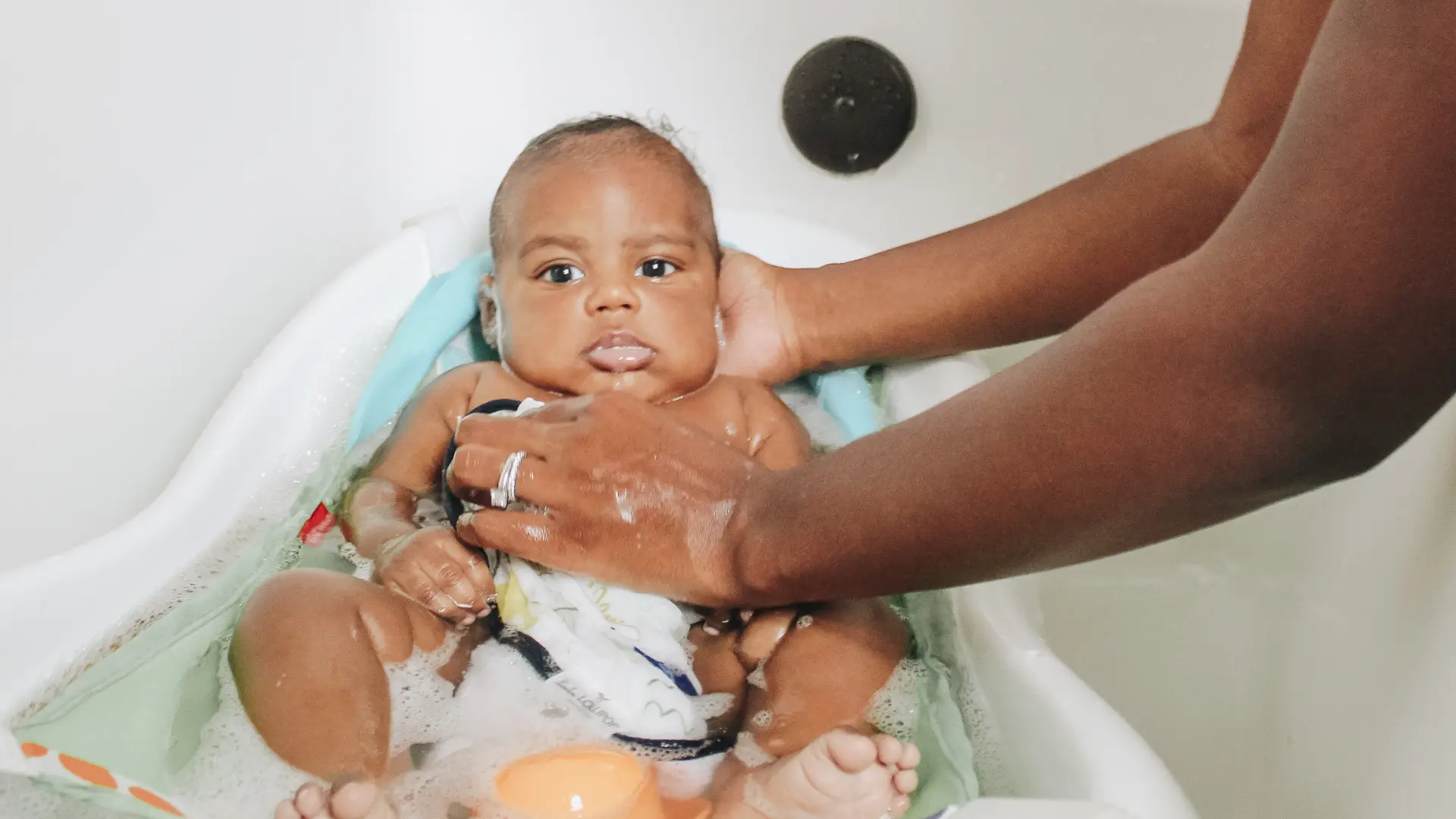
Common quick questions
What age is best for a baby to use a regular bathtub?
Most babies are ready between 6 and 12 months once they can sit unassisted and control their head.
How deep should the water be for a baby in a regular tub?
Keep it shallow. Two to four inches is enough for infants and young toddlers to play safely.
Is a bath seat safe to use in a regular bathtub?
Bath seats are not safety devices and should never replace adult supervision. Use them with caution and always watch your child.
Frequently Asked Questions of when can baby use regular bathtub
When exactly can baby use regular bathtub without an infant tub?
When your baby can sit steadily and has strong head control, most parents transition. This often occurs between 6 and 12 months, but every baby is different.
Can I use bath toys when transitioning to a regular tub?
Yes. Toys help distract and comfort babies. Rinse toys and store them dry to prevent mold.
How long should the first regular tub session last?
Start with 5 to 10 minutes. Increase time gradually as your baby becomes more comfortable.
What water temperature is safe for baby baths?
Aim for about 98°F to 100°F (37°C to 38°C). Always test with a thermometer or your elbow before placing the baby in.
Should I sit in the tub with my baby during the transition?
Sitting near the tub and keeping one hand on your baby is ideal. Some parents sit on the tub edge or kneel beside the tub for better support.
Are bath rings or seats recommended for beginners?
They can provide comfort but are not safety devices. Never leave a baby unattended while using them.
When should I teach my child to get in and out of the tub alone?
Only when they are older, steady, and can follow instructions—typically toddler years. Always supervise until they are independent and safe.
Conclusion
Knowing when can baby use regular bathtub hinges on your child’s development, your set-up, and careful supervision. Watch for sitting ability, steady head control, and calm reactions to water. Start slowly, use shallow water, and keep one hand on your baby until they prove steady. Implement the safety checklist, pick a few helpful products, and practice short sessions to build confidence.
Takeaway: trust your baby’s cues and move at their pace. If you found this guide useful, try the steps this week and share your experience below or subscribe for more practical parenting tips.