

Most babies are ready to move from sponge baths to a small tub around 6–12 months with support.
As a pediatric caregiver and parent who has bathed dozens of infants, I’ll walk you through exactly when to transition baby to bathtub, what signs to watch for, and how to do it safely. This guide blends clinical guidance, real-life tips, and simple steps so you can feel confident making the switch at the right time.
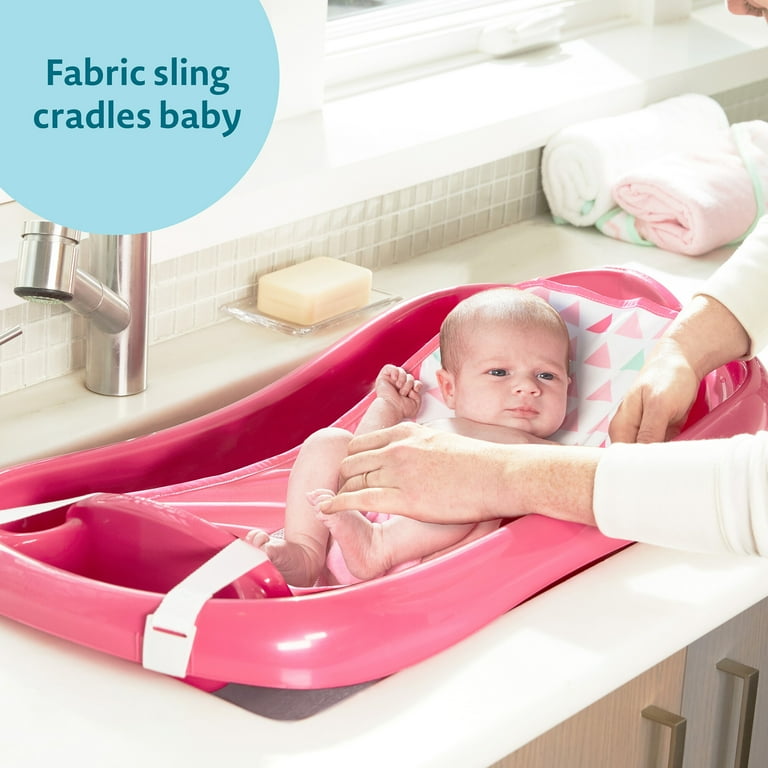
Typical age ranges and developmental milestones
Most parents ask about age first. Age gives a general window, but milestones matter more. Generally:
- 0–3 months: Best for sponge or sink baths while supporting the head and neck.
- 4–6 months: Many babies show improved head control and may enjoy assisted tubs.
- 6–12 months: This is the most common window to consider a transition to a small baby bathtub or supported tub seat.
- 12+ months: Most toddlers can sit well on their own and can use a regular bathtub with supervision.
When deciding when to transition baby to bathtub, use both age and skills. Look for steady head control, ability to sit up with minimal support, and interest in water play. These markers help reduce risk and make bath time easier.

Clear signs your baby is ready
Milestones tell you more than the calendar. Look for these signals before you transition:
- Steady head and neck control that lasts several minutes.
- Ability to sit unaided or with minimal hands-on stabilization.
- Strong core control and fewer sudden flops or backward falls.
- Calm reaction to water and curiosity rather than fear.
- Reduced startle reflex and better ability to follow instructions.
If you see these signs, you likely know when to transition baby to bathtub. If not all signs are present, wait and keep using sponge or sink baths until ready.

Safety checklist before moving to the tub
Safety must guide every bath step. Before you transition, complete this checklist:
- Water depth: Keep water shallow, about 2–4 inches for infants. Adjust as the child gets bigger.
- Water temperature: Test with your wrist or a accurate bath thermometer. Aim for 98–100°F (37–38°C).
- Non-slip surface: Use a tub with a textured base or add a non-slip mat.
- Support plan: Choose a tub or insert that supports the baby’s back and keeps the head above water.
- Grab supplies first: Have soap, towel, and toys within arm’s reach. Never turn away from the baby.
- One adult only: An adult should always be within arm’s reach during the entire bath.
- Emergency prep: Keep a phone nearby but out of reach. Know basic infant CPR.
These steps answer safety aspects of when to transition baby to bathtub and make every bath session calmer and safer.
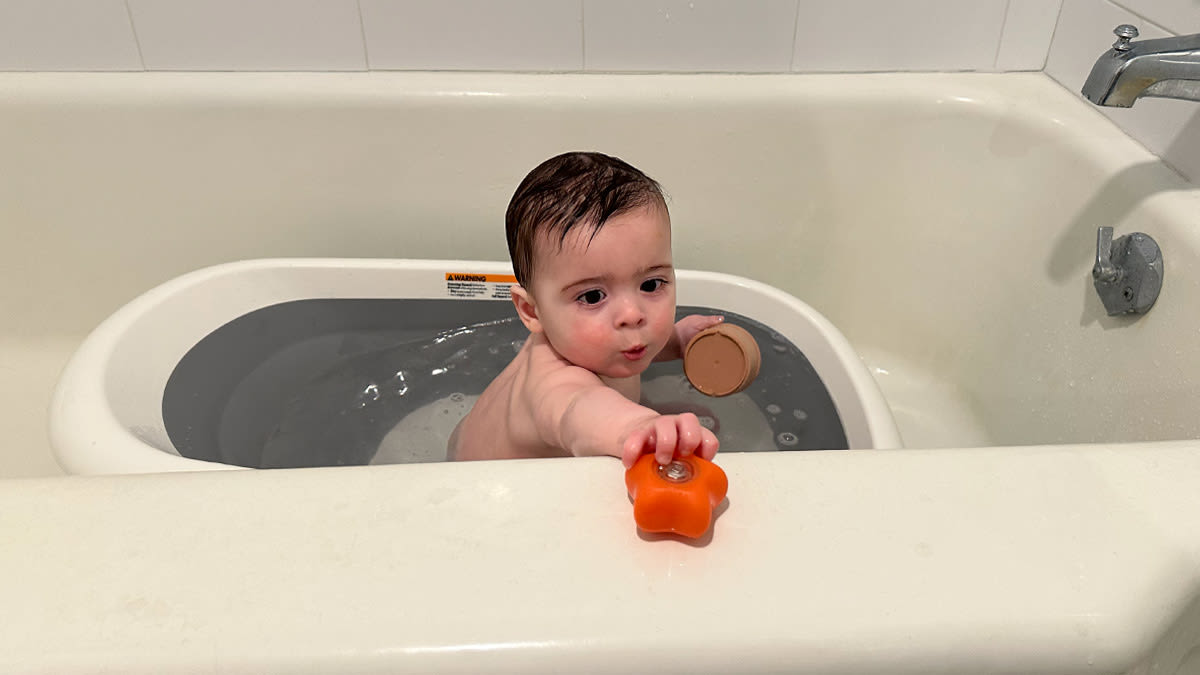
How to transition step-by-step
Use gentle steps. A gradual plan helps babies adapt and builds confidence.
- Start in a shallow infant tub inside your sink or tub with a liner.
- Practice short sessions: 3–5 minutes of water play to build trust.
- Support the baby’s head with one hand while washing with the other.
- Use calm talk and favorite toys to create positive associations.
- Increase time slowly as the baby grows more comfortable.
- Move to a larger baby bathtub only when the baby can sit with minimal support.
- Once sitting unaided, switch to a regular tub but keep water shallow and stay within arm’s reach.
I learned from experience to avoid big leaps. My first child moved from sink baths directly to a large baby tub at 7 months. The second needed small steps. Both approaches worked when paced to the child’s comfort. This practical practice helps you judge when to transition baby to bathtub safely.

Bathtub options and gear
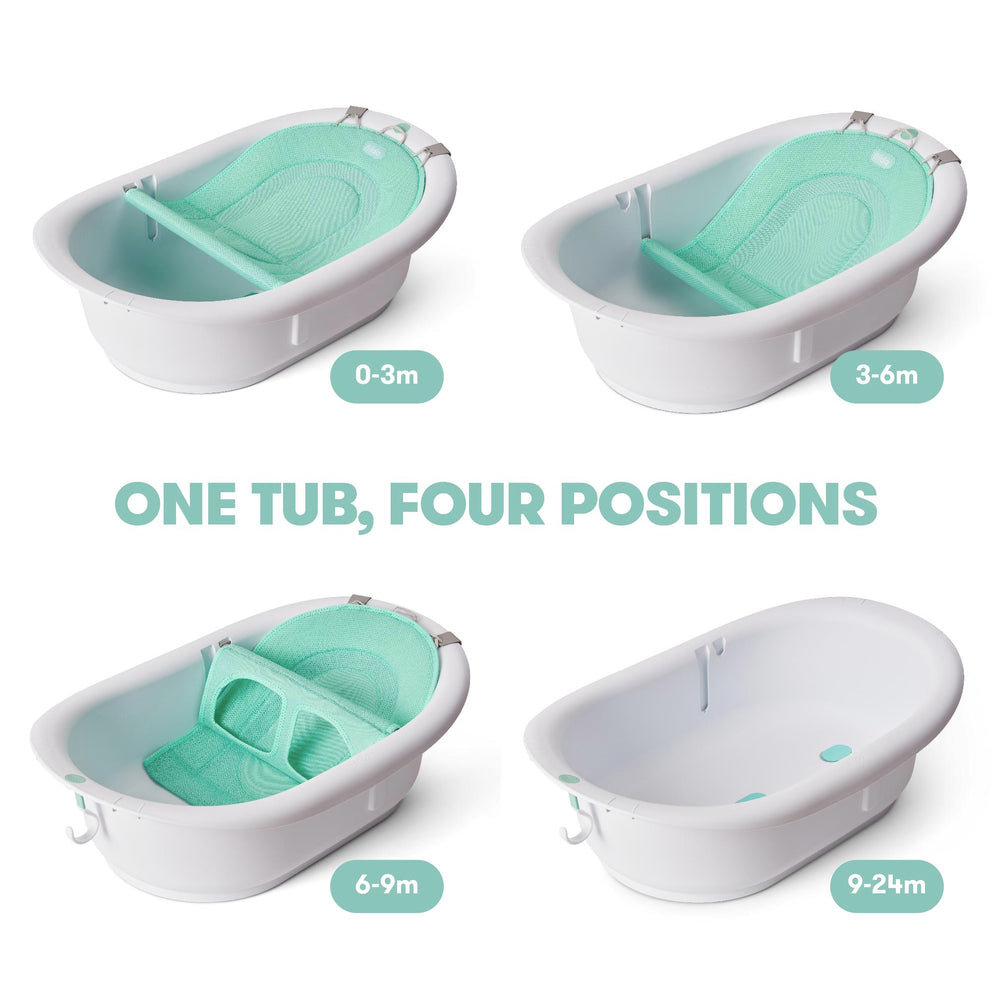
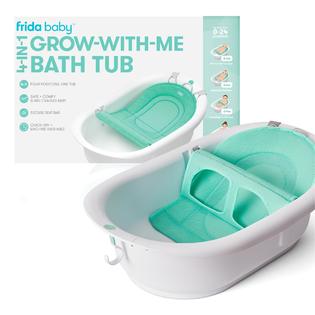
Choosing the right gear makes the change smoother. Options include:
- Sink bath with a cushioned insert: Good for early months.
- Small plastic baby tub: Lightweight and portable for 4–9 months.
- Padded tub seats or recliners: Use only when infants have enough head control.
- Inflatable or foldable tubs: Space-saving and gentle, but keep an eye on stability.
- Regular tub with non-slip mat: Best once the toddler can sit independently.
- Bath thermometer and faucet cover: Simple safety tools to prevent burns and bumps.
When to transition baby to bathtub often depends on which option fits your home and how comfortable your baby is with water.
Common mistakes and how to fix them
Parents often rush or try unsafe shortcuts. Watch for these pitfalls:
- Mistake: Leaving baby unattended even briefly.
- Fix: Always bring everything you need to arm’s reach before starting.
- Mistake: Using tub seats as a substitute for supervision.
- Fix: Treat a seat as support only; stay within arm’s reach.
- Mistake: Water too hot.
- Fix: Test temperature each time with a thermometer or wrist test.
- Mistake: Switching too fast.
- Fix: Take tiny steps and follow the baby’s cues.
Avoiding these errors helps ensure the transition goes smoothly and safely.
Personal tips and lessons from experience
Here are a few practical tips I use and recommend:
- Keep baths fun but short at first. Two to three minutes can build comfort.
- Use the same warm towel ready on your lap so the baby feels warm immediately.
- Bring a favorite toy that only appears at bath time to create positive routines.
- If your baby resists, return to sponge baths for a while and try again in a few weeks.
- Trust instincts. If something feels off, slow the pace.
I once tried a new tub too early and the baby panicked. Moving back to a small sink bath for a few weeks reduced stress and rebuilt trust. Small adjustments like that answer the delicate question of when to transition baby to bathtub in real life.

Frequently Asked Questions of when to transition baby to bathtub
When is the safest age to switch to a baby bathtub?
Most babies can safely begin using a small baby bathtub between 6 and 12 months, depending on head control and sitting. Always wait until the baby can sit with minimal support.
Can I use a tub seat for a 4-month-old?
Tub seats are not recommended for very young infants because they rely on the baby’s core strength. Only use them once the baby has steady head control and can sit with little help.
How deep should the water be when I transition?
Keep water shallow—about 2–4 inches for young babies. As the baby grows, increase depth slightly but always keep the baby’s chest and head well above water.
What if my baby hates tubs at first?
Take it slow and return to sponge baths or sink baths. Use warm water, a favorite toy, and short sessions to rebuild positive associations before trying a tub again.
Is a bath seat safe to leave the baby in while I step away?
No. Never leave a baby alone in a tub seat, even for a moment. An adult must stay within arm’s reach at all times.
Final thoughts and next steps
Deciding when to transition baby to bathtub is a mix of timing and observation. Follow developmental signs like steady head control and sitting ability, use a safety checklist, and move in short steps. Keep baths calm and supervised, and choose the tub option that suits your home and baby’s comfort.
Try one small change this week: test your bath temperature with a thermometer and do a 3-minute shallow-tub session to see how your baby reacts. If it goes well, you’ll know you’re ready to slowly increase time and space.
If this guide helped, leave a comment with your baby’s age and how bath time is going, or subscribe for more practical parenting tips.