

Most babies can stop using a baby bathtub around 6 to 12 months, once they sit securely.
As a parent and child-care writer with years of hands-on experience, I’ll walk you through exactly when to stop using baby bathtub, what signs to watch for, and how to make a safe, smooth transition to the regular tub or sink. This guide draws on pediatric safety principles, practical tips, and real-life examples so you can decide with confidence and keep bath time safe and fun.
Signs your baby is ready to stop using baby bathtub
Look for physical and behavioral milestones that show your child can handle a larger tub space. These signals matter more than strict age limits.
- Sits steadily without support
- If your baby can sit upright for minutes at a time, they can often handle moving out of the infant tub.
- Can control head and neck
- Good head control reduces the risk of slipping and water entering the airway.
- Shows interest in splashing and exploring
- Comfort in water and curiosity are signs they may prefer more space.
- Reaches or leans beyond tub sides
- If your baby tries to climb or lean over the baby bathtub edge, it’s time to transition.
Watching these signs helps you decide when to stop using baby bathtub based on your child, not just a calendar. From my own experience, my baby began to prefer the big tub at nine months after gaining stable sitting and stronger neck control.

Age guidelines and developmental milestones
Age can guide you, but milestones tell the real story. Most caregivers follow this rough roadmap.
- Newborn to 3 months
- Use a baby bathtub or sink with full support and never leave the infant unattended.
- 3 to 6 months
- Many babies still benefit from a baby bathtub until they can sit with stable balance.
- 6 to 12 months
- Most infants begin sitting independently and may be ready to stop using baby bathtub during this window.
- After 12 months
- Many toddlers are comfortable in a larger tub with supervision and safety aids.
Remember the phrase when to stop using baby bathtub is not a strict timeline; it depends on development. In practice, I found many families switch around 8–10 months and feel safer using a slip-resistant mat and shallow water.

Safety considerations before you stop using baby bathtub
Safety must be the priority when deciding when to stop using baby bathtub. Address risks proactively.
- Supervision
- Babies should never be left alone in a tub. Keep all supplies within reach so you never turn away.
- Water depth and temperature
- Use 2–4 inches of water for infants and check water temperature before placing baby in the tub.
- Non-slip surfaces
- Use a non-slip mat or a textured tub to prevent sliding.
- Support aids
- Consider a bath seat only for short, supervised use and not as a replacement for hands-on supervision.
- Bath toys and distractions
- Keep toys simple and avoid anything that blocks vision or causes slipping.
If you worry about the transition, practice in a shallow sink or shower area first. I once switched my little one to a shower basin with a thin, soft mat and found it eased nerves for both of us.

How to transition from baby bathtub to regular tub
A calm, staged transition reduces risk and keeps bath time fun. Use these steps.
- Test baby’s ability to sit and balance outside the bath first.
- Start with short baths in the big tub using 2 inches of water and a non-slip mat.
- Stay within arm’s reach, kneeling at the tub side and keeping one hand on the baby.
- Use a shallow infant-friendly bath seat only for extra stability, never as a substitute for supervision.
- Increase bath time gradually as the baby gains confidence.
Small wins matter. My tip: play a favorite song or use a warm towel to make the new routine comforting. The phrase when to stop using baby bathtub should be guided by comfort and capability.

Alternatives and tools for safe bathing after the baby bathtub
If you stop using baby bathtub, several options help maintain safety and comfort.
- Sink baths
- Good for small babies who fit comfortably; easier on the caregiver’s back.
- Regular tub with mat
- Use low water, a textured mat, and a flexible spout cover.
- Bath seat or ring
- Helpful for short, supervised periods; avoid prolonged unsupervised use.
- Hand support and knee pads for caregiver
- Make it comfortable for you to lean in and supervise.
Choosing the right tool depends on space, budget, and your child’s size. I recommend testing a few methods to see what your baby prefers.

Cleaning, care, and when to retire a baby bathtub
Proper care extends the life of any tub, but also know when the infant tub no longer fits safety needs.
- Clean and dry after each use
- Prevent mold by rinsing, drying, and keeping the tub in a dry spot.
- Inspect for cracks or loose parts
- Replace the tub if it shows wear or becomes unstable.
- Store safely when not in use
- A stored baby bathtub can be kept for siblings or donated if it’s in good condition.
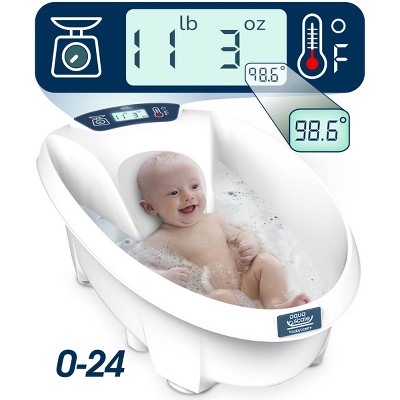
- Retire when too small or worn
- If baby’s knees or head hit the sides, it’s time to stop using baby bathtub.
I kept our infant tub for occasional use until a younger cousin arrived, but I stopped daily use once it no longer fit safely.
When to keep using baby bathtub longer
Some babies need more time. Consider extended use if any of the following apply.
- Delayed sitting or weak head control
- Keep using the baby bathtub until milestones are met.
- Medical or developmental concerns
- Consult your pediatrician for personalized guidance.
- Cold homes or small caregivers
- Baby tubs make handling and warming easier for caregivers with mobility issues.
Extend usage as needed, but always reassess regularly. Safety and comfort for both baby and caregiver should guide the decision.

People also ask
When is it safe to stop using a baby bathtub?
Most babies are ready between 6 and 12 months when they can sit steadily and control their head. Always make sure you can supervise closely and use shallow water.
Can a baby use a regular tub at 6 months?
Yes, if the baby sits steadily and you use a non-slip mat and shallow water, supervised baths in a regular tub can be safe. Start with short sessions to check comfort and balance.
Is a baby bathtub necessary for newborns?
A baby bathtub or sink bath offers support and safety for newborns, making it easier to hold and clean them without strain. For the first months, it’s a practical choice.
How much water should be in the tub after switching?
Use 2 to 4 inches of water for infants and toddlers, keeping the water level low and the caregiver within arm’s reach. Adjust based on your child’s size and comfort.
Are bath seats safe as a replacement for baby bathtubs?
No, bath seats are not a replacement for hands-on supervision and should only be used briefly with active supervision. Never leave a baby unattended in a bath seat.
Frequently Asked Questions of when to stop using baby bathtub
What age do most parents stop using baby bathtub?
Most parents stop between 6 and 12 months, guided by their baby’s ability to sit and control their head.
How do I know my baby is ready for the big tub?
Your baby can sit up steadily without support, has good head control, and shows curiosity about a larger space.
What if my baby is still wobbly at 12 months?
Keep using the baby bathtub or consider supervised sink baths until your baby gains stable sitting and balance.
Should I use a bath seat in the regular tub?
You can use a bath seat for extra stability, but never as a substitute for being within arm’s reach and fully supervising the baby.
How can I make the transition less scary?
Start with short, shallow baths, use familiar toys or songs, and stay close to reassure your baby during the first few sessions.
Conclusion
Deciding when to stop using baby bathtub comes down to your baby’s milestones, safety needs, and comfort. Watch for steady sitting, good head control, and calm behavior in water, and move slowly with short, supervised baths in a larger tub. Trust your observations, use safety tools like non-slip mats and shallow water, and ask your pediatrician if you have concerns.
Try one small change this week: test a short, shallow bath in the regular tub while staying within arm’s reach. If it goes well, build on it. Share your experience, subscribe for more practical baby-care tips, or leave a comment with your bath-time wins and questions.