

Acrylic tubs are often the best choice for most homeowners due to their light weight, heat retention, and cost-effectiveness.
Choosing which bathtub material is best can feel confusing. I’ve renovated bathrooms and tested tubs in real homes, so I know what matters. This guide explains the trade-offs clearly. You’ll learn which bathtub material is best for durability, cost, comfort, and style. Read on to pick the right tub with confidence.
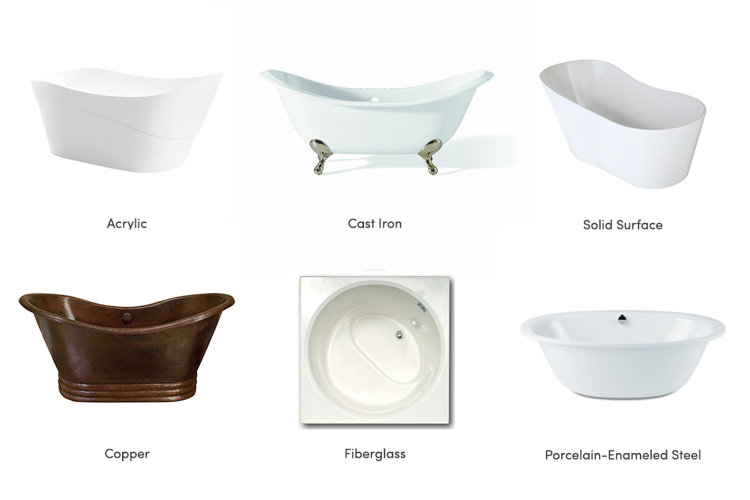
Common bathtub materials and how they compare
When deciding which bathtub material is best, think about weight, warmth, cost, and maintenance. Each material has strengths and limits. Below is a quick snapshot to help you match a material to your needs.
- Acrylic
- Pros: Lightweight, warm to the touch, easy to shape, affordable.
- Cons: Can scratch and fade over time; may flex if unsupported.
- Fiberglass (gelcoat)
- Pros: Very affordable and lightweight.
- Cons: Prone to scratching, chipping, and discoloration.
- Cast iron with enamel
- Pros: Extremely durable, excellent heat retention, classic look.
- Cons: Very heavy and costly to install.
- Steel (enameled)
- Pros: Durable and cost-effective; thinner than cast iron.
- Cons: Can feel cold; enamel can chip.
- Cultured marble and solid surface
- Pros: Seamless look, repairable, varied styles.
- Cons: Can be expensive; some require special care.
- Natural stone (stone resin)
- Pros: Luxurious, heavy, retains heat well.
- Cons: Very expensive and high maintenance.
- Copper and specialty metals
- Pros: Unique look, antibacterial properties, long-lasting.
- Cons: Very costly and rare.
If you want a single rule of thumb for which bathtub material is best for most people: acrylic balances cost, comfort, and performance well. For heavy-duty longevity and heat retention, cast iron often wins. For a luxe statement, stone or copper may be best.
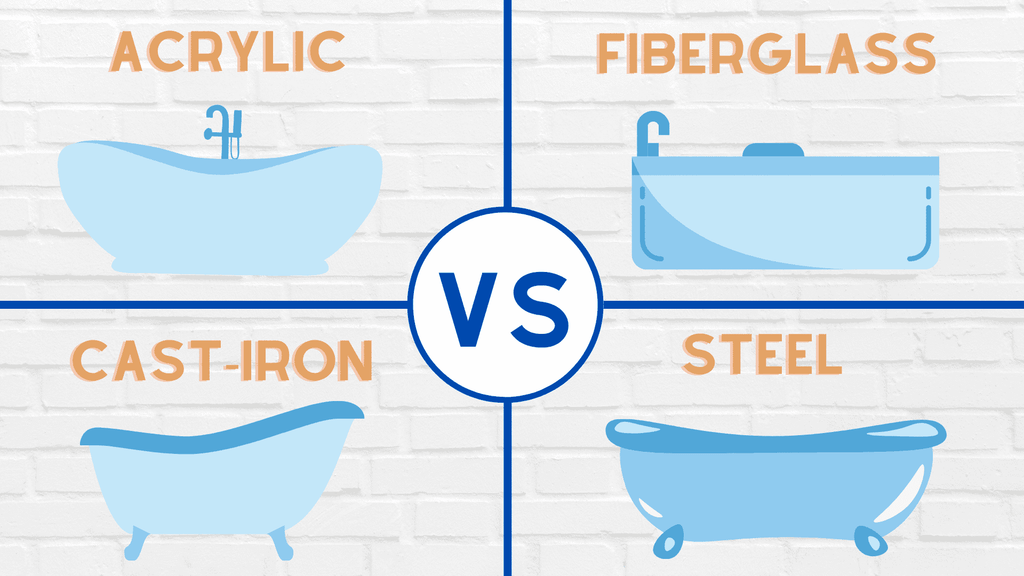
Material-by-material breakdown: pros, cons, and use cases
Acrylic
- What it is: A plastic shell reinforced with fiberglass or resin.
- Benefits: Keeps water warm, is lightweight, and comes in many shapes. Easy to install and repair.
- Drawbacks: Scratches more easily than metal. Low-end acrylic can warp if not supported.
- Best for: Remodels, freestanding tubs, and budget-conscious shoppers.
Fiberglass (gelcoat)
- What it is: Fiberglass shell coated with a gel layer.
- Benefits: Very cheap and easy to install.
- Drawbacks: Shorter lifespan. The gel coat can craze. Repairs are visible.
- Best for: Rental properties and tight budgets.
Cast iron with enamel
- What it is: A cast iron core with a porcelain enamel finish.
- Benefits: Unmatched durability. Keeps bath water hot for longer. Timeless look.
- Drawbacks: Extremely heavy. Requires floor reinforcement and higher installation cost.
- Best for: Long-term homes where durability and heat retention matter.
Enameled steel
- What it is: Thin steel shell with enamel coating.
- Benefits: Sturdy and less costly than cast iron. Resists impact better than acrylic.
- Drawbacks: Feels cold. Enamel can chip and rust if damaged.
- Best for: Mid-range budgets that want a classic tub at lower cost.
Cultured marble and solid surface
- What they are: Resin-based composites formed to look like stone.
- Benefits: Smooth, seamless look. Easy to maintain and repair.
- Drawbacks: Can stain or discolor if harsh cleaners are used.
- Best for: Integrated bath surrounds and modern bathrooms.
Natural stone and stone resin
- What they are: Marble, granite, or stone-like composite.
- Benefits: Premium look and feel. Excellent heat retention.
- Drawbacks: Price and weight. Needs sealing and regular care.
- Best for: Luxury bathrooms and statement pieces.
Copper and specialty metals
- What they are: Hand-formed copper or custom metals.
- Benefits: Unique patina, antibacterial traits, and artisan appeal.
- Drawbacks: Very high cost. Requires special plumbing and care.
- Best for: High-end bespoke projects.
Which bathtub material is best depends on your priorities. If you want a balance of value and comfort, acrylic is usually the winner. If you want ultimate longevity and warmth, choose cast iron.
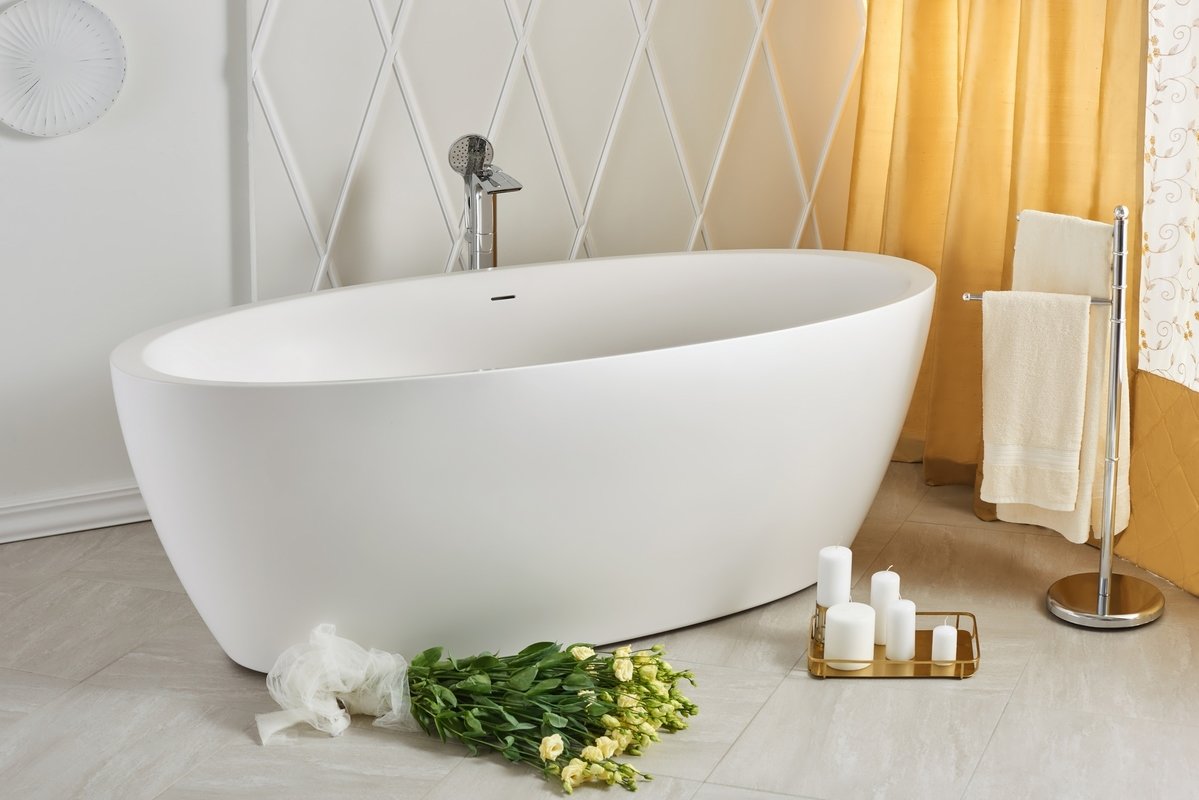
How to choose the best bathtub material for your needs
Follow a simple decision path to find which bathtub material is best for you.
- Start with your budget
- Low budget: Fiberglass or basic acrylic.
- Mid budget: Higher-grade acrylic or enameled steel.
- High budget: Cast iron, stone, or copper.
- Think about installation limits
- Can your floor handle heavy weight? If not, avoid cast iron and stone.
- Do you need a freestanding tub? Acrylic and solid surface are easier.
- Consider use and care
- Do you want low maintenance? Acrylic and enameled steel are simple.
- Want long-term durability? Cast iron or a solid surface works well.
- Match your style
- Modern: Solid surface or acrylic.
- Classic: Cast iron.
- Luxurious: Stone or copper.
From my renovation work, I found that homeowners often pick acrylic for a repeatable balance of cost and style. When clients are investing for life, they often opt for cast iron despite the extra work to reinforce floors.
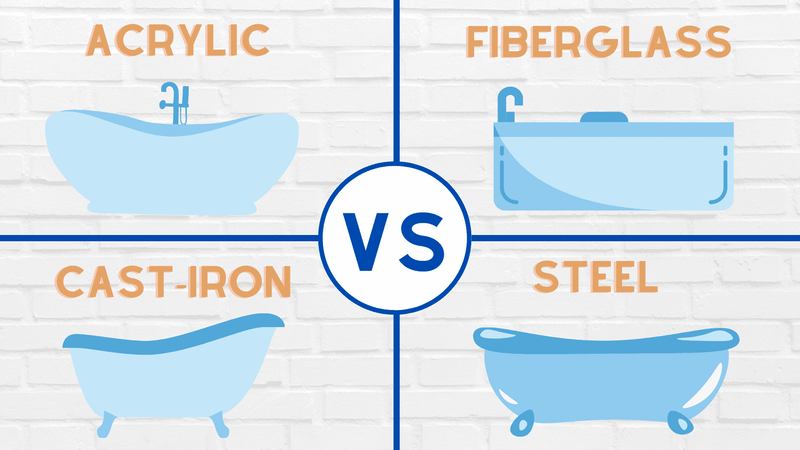
Installation, cost, and long-term value
Costs and installation affect which bathtub material is best in practice.
- Price ranges (typical)
- Fiberglass: Low ($)
- Basic acrylic: Low to mid ($-$$)
- Steel/enamel: Mid ($$)
- Cast iron: High ($$$)
- Stone/copper: Very high ($$$$)
- Installation factors
- Weight matters. Cast iron and stone need strong floors and more labor.
- Plumbing layout can add cost if you switch tub types.
- Long-term value
- A cheap fiberglass tub may need replacement in 5–10 years.
- Cast iron tubs often last decades with proper care.
- Acrylic can last 15–20 years if well supported.
Which bathtub material is best for long-term value depends on how long you plan to stay in the home. For short-term flips, acrylic or fiberglass may make sense. For a forever home, cast iron or solid surface can be worth the investment.

Care and maintenance tips by material
Small habits extend tub life. Here’s easy care advice to help decide which bathtub material is best for your lifestyle.
- Acrylic
- Use non-abrasive cleaners and soft cloths.
- Avoid harsh solvents and heavy scrubbing.
- Fiberglass
- Clean spills quickly to avoid staining.
- Repair chips with a gelcoat repair kit.
- Cast iron and enamel
- Use gentle cleaners to protect enamel.
- Fix chips promptly to prevent rust.
- Stone and solid surface
- Seal natural stone yearly.
- Use cleaners safe for composite surfaces.
- Copper
- Decide if you want the patina or prefer to polish it.
- Avoid acidic cleaners.
In my experience, simple gentle cleaning prevents most problems. I learned this the hard way after using an abrasive cleaner on an acrylic tub. The scratch was noticeable and needed professional repair.
:max_bytes(150000):strip_icc()/best-bathtub-material-2718999-hero-d8fa6e6452834cbbab3332c1996757e2.jpg)
PAA-style questions (People also ask)
Which bathtub material is best for heat retention?
- Cast iron and natural stone are best for holding heat. Acrylic also keeps water warm well but less so than cast iron.
Which bathtub material is best for tight budgets?
- Fiberglass and basic acrylic offer the lowest upfront cost. They are easy to install and replace.
Which bathtub material is best for resale value?
- Cast iron and quality solid-surface tubs add a premium look. Well-installed acrylic can also be acceptable for many buyers.
Is there a bathtub material that is eco-friendly?
- Solid-surface composites and reclaimed stone can be eco-friendlier. Production impacts vary, so check manufacturer claims.
How often do tubs need to be replaced?
- Lifespan varies: fiberglass 5–10 years, acrylic 15–20 years, cast iron 50+ years with care.

Frequently Asked Questions about which bathtub material is best
Which bathtub material is best for a small bathroom?
Acrylic and slim-profile steel tubs work well in small spaces. They are lightweight and come in compact sizes that fit tight layouts.
Which bathtub material is best for a freestanding tub?
Solid-surface, acrylic, and cast iron are common for freestanding tubs. Each offers a distinct look; choose based on weight limits and style.
Which bathtub material is best for keeping water warm?
Cast iron and stone hold heat the longest. Acrylic also retains warmth better than thin steel or fiberglass.
Which bathtub material is best to avoid scratches?
Cast iron with enamel and solid surfaces resist scratches better than acrylic and fiberglass. Acrylic can scratch but can be buffed out.
Which bathtub material is best for a rental property?
Fiberglass and cost-effective acrylic are top picks for rentals. They are cheap to replace and simple to install.
Conclusion
Choosing which bathtub material is best comes down to balancing budget, weight limits, maintenance, and how long you plan to keep the tub. Acrylic often offers the best mix for many homeowners. Cast iron and stone win on durability and warmth but cost more and need stronger floors. Think about your priorities, test how a tub feels in person, and factor installation costs before you buy.
Take action: list your top priorities, measure your space, and consult a pro about structural needs. If you found this helpful, leave a comment with your budget and style—I'll help you narrow the choices.