

Dealing with a narcissistic parent starts with calm boundaries, less oversharing, and trusting your own perception of what is happening. Humor can help if it is gentle, observational, and used to support your well-being rather than hide the harm.
If you are searching for how to deal with a narcissistic parent, you are probably trying to do two things at once: protect your emotional well-being and keep family conflict from getting worse. That is a difficult balance, especially when every conversation can feel loaded.
This guide focuses on practical, calm strategies for setting boundaries, choosing what to share, and staying grounded in your own identity. It also looks at where humor can help, where it can cause harm, and how to use a light touch without minimizing real pain.
- Notice patterns: Focus on repeated behavior, not one-off conflicts.
- Use short boundaries: Calm, brief scripts often work better than long explanations.
- Share less: Privacy can reduce criticism and control.
- Use humor carefully: Keep it observational, not cruel or minimizing.
- Get support: Outside help can strengthen self-trust and reduce stress.
Understanding What “Narcissistic Parent” Means in Real Life
The phrase narcissistic parent is often used online to describe a parent who centers their own needs, dismisses feelings, or reacts badly to boundaries. In real life, the pattern matters more than the label.
Spotting the patterns without turning every disagreement into a diagnosis
Not every difficult parent is narcissistic, and not every conflict means you are dealing with a personality disorder. What readers usually mean is a parent who regularly makes conversations about themselves, struggles to apologize, or uses guilt, control, or comparison to stay in charge.
It helps to notice repeated behavior instead of focusing on one bad day. Look for patterns like emotional invalidation, boundary pushing, rewriting events, or making support feel conditional.
You do not need to prove a diagnosis to justify protecting yourself. If the pattern is harmful, your response can be based on the behavior you see.
Why this topic matters to readers searching “how to deal with a narcissistic parent”
People searching this topic are often looking for language they can use, not just a description of the problem. They may be adult children, teens, or college students trying to stay connected without being pulled into constant emotional drama.
That is why the most useful advice is specific: how to answer, how to pause, how to limit what you share, and how to decide what level of contact is healthy for you. If you are also looking for lighter family content, PunRealm usually keeps things clean and readable, as in our funny space jokes for school and other family-friendly posts.
How to Protect Your Sense of Self Without Escalating the Drama
When a parent tends to dominate emotional space, the goal is not to “win.” The goal is to stay clear, steady, and less available for manipulation.
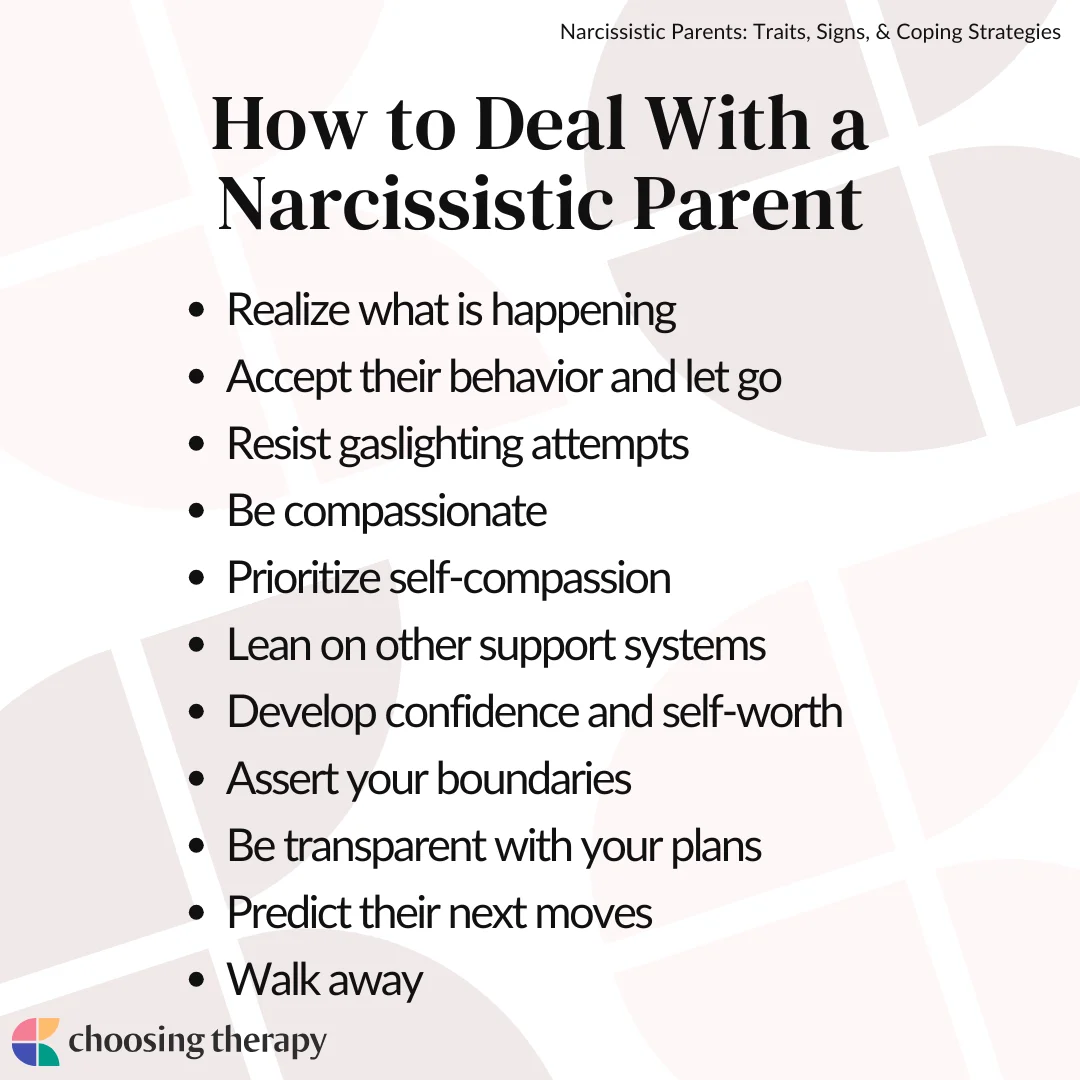
Setting emotional boundaries that still sound calm and respectful
Boundaries work best when they are short, specific, and not over-explained. Instead of debating the parent’s motives, focus on what you will do: end the call, leave the room, or revisit the topic later.
Keep it simple: “I am not discussing that right now” is clearer than a long explanation.
If the conversation keeps going, repeat the same sentence instead of adding new reasons.
If needed, end the call, change the subject, or leave the situation calmly.
Calm boundaries often work better than emotional ones. A steady tone gives less material for a parent to twist into a bigger conflict.
Choosing what to share, what to deflect, and what to keep private
One of the most practical ways to protect yourself is to share less. You do not owe every detail of your plans, relationships, finances, or feelings to a parent who uses information as leverage.
Try sorting topics into three groups: safe to share, safe to deflect, and best kept private. For example, you might share school logistics, deflect questions about dating, and keep therapy or money matters private.
Over-explaining often backfires. The more detail you give, the more room there is for criticism, guilt, or argument.
Humor as a Coping Tool: When a Joke Helps and When It Hurts
Humor can reduce tension, help you feel less trapped, and give you a small sense of control. But it only helps when it supports your reality instead of covering it up.
How Jamie Reed’s family-humor lens can lighten tension without minimizing pain
At PunRealm, family humor works best when it points at a shared situation rather than at a person’s worth. That same rule applies here: a light, observant tone can help you describe the absurdity of a difficult interaction without pretending it was harmless.
For example, it is safer to joke about the endless loop of the same conversation than to mock a parent’s appearance, mental health, or personal failures. If you want to use humor, make the situation the target, not the person.
Observational humor lands better than attack humor because it gives the audience something recognizable to hold onto. In sensitive family topics, recognition builds connection; humiliation usually builds distance.
Age-appropriateness notes: what works for teens, college readers, and adult children
Teens often need simple, non-escalating lines that help them survive daily interactions. College readers may use humor in texts or group chats, but they still need to avoid turning private pain into public performance. [Source: Healthline]
Adult children usually have more freedom to set limits, but they may also carry more history. A joke that feels healing in a private note may feel cruel if posted publicly or shared in a family group where the parent can see it.
Humor is most useful when it helps you name the pattern. It is less useful when it pressures you to act like the situation is less serious than it really is.
Joke Craft Tips for Sensitive Family Content on PunRealm
Even when the topic is serious, the way you frame it matters. Good humor craft keeps readers engaged without making them feel exposed or dismissed.
Use observational humor, not humiliation
Observational humor works because it describes a recognizable pattern: the repeated interruption, the shifting rules, the conversation that somehow becomes your fault. That style invites readers to nod along.
Humiliation-based humor, by contrast, tries to win by making someone small. In family content, that usually creates more discomfort than laughter.
Build punchlines around absurd situations, not personal attacks
The strongest family jokes often come from the situation itself. A parent changing the subject every time accountability appears is absurd on its own; you do not need to add cruelty to make the point.
- Point out the pattern.
- Use a neutral, clever angle.
- Keep the focus on the interaction.
- Mock personal traits.
- Use cruelty to get a laugh.
- Turn private pain into a spectacle.
Keep the tone warm, clever, and self-aware
Warmth matters because it signals that the speaker understands the difference between coping and minimizing. Self-aware humor can say, in effect, “This is hard, and I am still here,” which is often more powerful than a sharp insult.
If the joke sounds like contempt, it may alienate readers who are looking for validation, not a performance. Tone is part of trust.
Delivery Advice for Different Platforms and Settings
The same line can land very differently depending on where you say it. A private text, a classroom discussion, and a public video all require different levels of caution.
School conversations: staying neutral and non-performative
In school settings, keep the language factual and age-appropriate. If a student is talking about family stress, the safest approach is to avoid dramatic details and focus on general coping skills, support systems, and respectful boundaries.
Non-performative language is important here. The goal is not to entertain the room; it is to communicate clearly and protect the student’s dignity.
TikTok and short-form video: quick hooks, clear boundaries, no oversharing
Short-form video rewards speed, but sensitive family content still needs restraint. A quick hook can name the pattern, but the rest should avoid identifying details, escalating conflict, or inviting viewers to diagnose someone they have never met.
For creators who want a lighter family-humor angle, the trick is to keep the situation universal. That is why clean, clearly framed content tends to work better than messy oversharing.
If a post could be understood without naming the parent’s behavior in a cruel way, it is usually safer and stronger.
Newsletter or article format: balancing empathy, humor, and readability
Longer writing gives you room to explain context, define boundaries, and acknowledge mixed feelings. That makes newsletters and articles a good home for thoughtful humor, because readers can follow the setup and understand the emotional nuance.
If you want a family-friendly example of clean, readable humor formatting, PunRealm’s lighter posts like clean space jokes captions show how a simple structure can keep content approachable without losing personality.
Assembly or group setting: avoiding jokes that put family members on the spot
In assemblies or group talks, jokes about parents can land badly if they sound like a public callout. Even if the audience laughs, the person being described may feel embarrassed, defensive, or targeted.
When in doubt, step back from personal detail and lean into broad themes such as respect, communication, and emotional safety. That keeps the message useful without making anyone the center of attention.
Common Humor Mistakes to Avoid When Talking About a Narcissistic Parent
Humor can support healing, but it can also become a shortcut that skips over the actual hurt. These are the most common mistakes to watch for.
Turning pain into a “relatable” bit too soon
Some experiences need validation before they need a punchline. If you jump to humor before naming the harm, readers may feel like you are asking them to laugh at something they are still processing. [Source: Mayo Clinic]
Using sarcasm that sounds like contempt
Sarcasm can be sharp, but it often reads as bitterness when the topic is family trauma. If your tone suggests that you have already written the person off entirely, the content may feel more hostile than helpful.
Making the parent the punchline in a way that can backfire
There is a difference between pointing out a behavior and trying to shame a whole person. When a joke depends on cruelty, it can invite the same kind of escalation the writer is trying to avoid.
Ignoring readers who need validation more than comedy
Not every reader is ready for humor. Some are still trying to understand whether their experience is real, and they need calm language, not cleverness, to feel safer.
- Clear, calm, observational tone
- Humor that points to a pattern
- Language that leaves room for feelings
- Public shaming
- Heavy sarcasm
- Jokes that erase the harm
Practical Coping Moves That Pair Well with a Light Touch
Humor is only one tool. The most effective approach usually combines emotional distance, clear scripts, and support from people who understand what you are dealing with.
Scripts for redirecting conversations
Prepare a few short responses ahead of time so you are not improvising under pressure. Examples include: “I am not discussing that,” “That does not work for me,” and “I need to end this conversation now.”
- Keep one or two boundary phrases ready.
- Use a neutral tone and short sentences.
- Do not argue every false claim.
- Exit when the conversation becomes unsafe or repetitive.
How to pause, document, and seek support when needed
If interactions leave you confused or doubting yourself, pause before responding. Writing down what happened can help you notice patterns and reduce the urge to rewrite the event in your head.
Support can come from a therapist, a trusted friend, a school counselor, or another stable adult. You do not have to handle repeated emotional pressure alone.
Why self-trust matters more than winning the argument
People who search for how to deal with a narcissistic parent are often hoping for the perfect sentence. In practice, the more important skill is trusting your own perception and deciding what protects your well-being.
Winning the argument rarely changes the deeper pattern. Choosing your response, protecting your time, and staying aligned with your values usually matters more.
The best coping humor is often private, not public. A private note, a safe group chat, or a journal entry can give you relief without turning a painful family dynamic into content.
Final Recap: Staying Grounded, Using Humor Wisely, and Not Losing Yourself
Dealing with a narcissistic parent is less about finding the perfect comeback and more about protecting your sense of reality. Boundaries, selective sharing, and calm exits are often more effective than confrontation.
Key takeaways for readers, parents, and humor fans
Humor can help when it is observant, respectful, and used in the right setting. It should support clarity, not replace it, and it should never pressure someone to laugh at what still hurts.
If you want more light family content that stays clean and readable, PunRealm also covers playful topics like space jokes and other family-friendly formats that keep tone and audience in mind.
Closing note from Jamie Reed on keeping the joke—and your identity—intact
As Jamie Reed would frame it, the point is not to become smaller so someone else feels bigger. The point is to stay steady, keep your boundaries, and use humor only when it helps you remain yourself.
If laughter is part of your coping style, keep it thoughtful, keep it gentle, and keep it on your side.
Frequently Asked Questions
Start by noticing repeated behavior instead of arguing about labels. Calmly identify what is harmful and decide what boundary you need.
Sometimes direct language helps, but it can also escalate conflict. Short, steady boundaries are often safer than long confrontations.
Yes. Sharing less can protect your privacy and reduce opportunities for criticism, guilt, or control.
Yes, if it is used privately or in a careful, observational way. Humor should never minimize the harm or pressure you to act like everything is fine.
Repeat the boundary once, then follow through with the action you said you would take. That may mean ending the call, leaving the room, or taking space.
Seek support if you feel unsafe, constantly doubting yourself, or unable to manage the stress alone. A counselor, therapist, or trusted adult can help you think clearly and stay grounded.