

A 6 weeks old infant usually needs safe sleep, frequent feeding support, and simple baby gear that is easy to clean and use. The best choices are age-appropriate basics that reduce stress without overstimulating the baby.
A 6 weeks old infant usually needs three things most right now: steady feeding support, safe sleep, and calm, responsive care. At this stage, the best baby products are the ones that make those basics easier without adding clutter, overstimulation, or safety risk.
- Safe sleep first: Use a firm, flat sleep space and avoid loose bedding or soft extras.
- Keep care simple: Feeding, diapering, and soothing matter more than fancy gadgets.
- Check age fit: Make sure every product matches the baby’s current stage and label guidance.
- Prioritize cleanup: Washable, durable items are easier to manage during frequent newborn messes.
What a 6-Week-Old Infant Needs Most Right Now
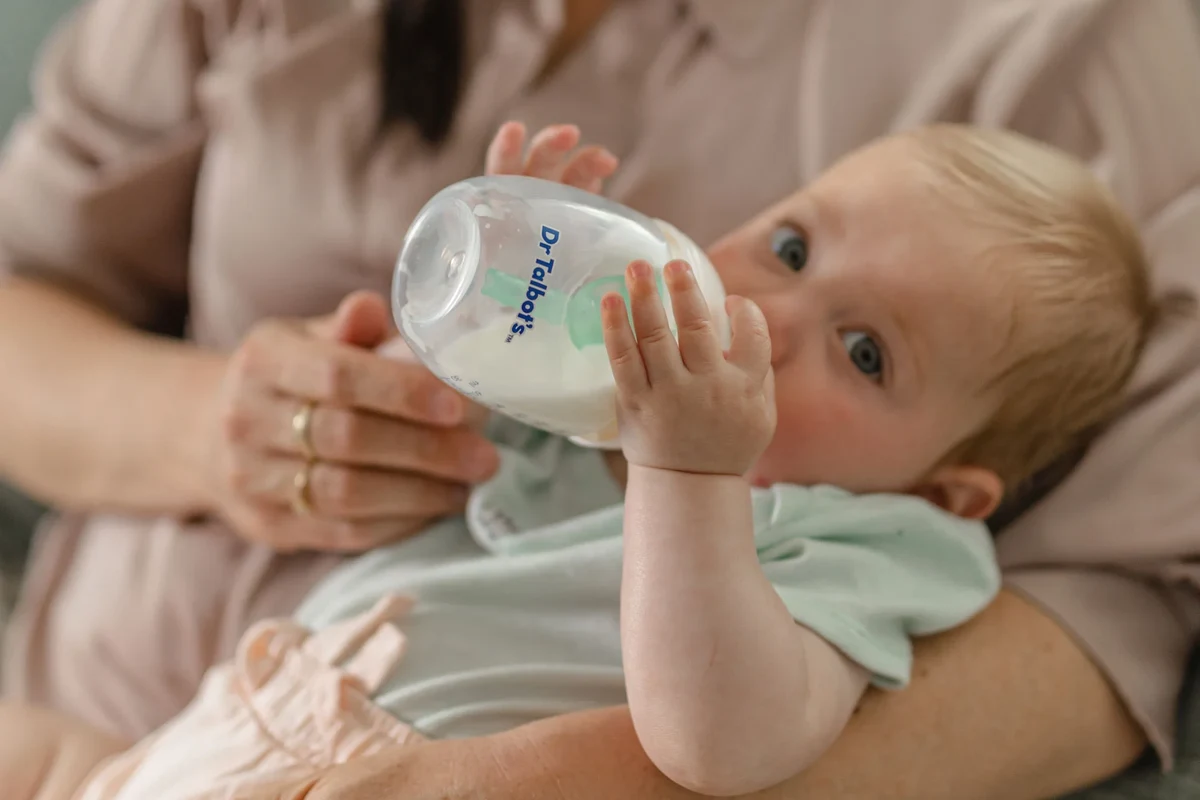
At six weeks, your baby is still very young, and daily life tends to revolve around feeding, sleeping, soothing, and diaper changes. Many parents are surprised by how much variation is normal, so it helps to focus on patterns rather than expecting a strict schedule.
The most useful items for this age are usually the ones that support comfort and consistency: reliable diapers, easy-to-layer clothing, a safe sleep space, and feeding gear that matches your baby’s needs. If you are building a starter list, a guide like infant care essentials for new parents can help you separate true necessities from nice-to-have extras.
6 Weeks Old Infant Development: What’s Normal at This Stage
Development at six weeks is still early and uneven. Some babies are more alert for short stretches, while others still sleep heavily and wake mainly to eat. Both can be normal, as long as your pediatrician is not concerned about feeding, weight gain, or overall health.
Feeding, Sleep, and Wake Windows
Feeding often remains frequent at this age, whether your baby is breastfed, formula-fed, or doing a combination of both. Wake windows are usually short, and many infants need to be fed, changed, and soothed before they are ready to sleep again.
Sleep can still be fragmented, with day and night blending together. Rather than chasing a perfect routine, look for repeatable cues: rooting, fussing, turning away, yawning, or becoming less coordinated. A calm, predictable sequence is often more helpful than a rigid clock-based schedule.
Wake windows and feeding patterns vary widely by baby. If feeding seems difficult, painful, or unusually slow, check with a pediatrician or lactation professional.
Early Social, Sensory, and Motor Milestones
Many 6-week-olds begin to show brief social responses, such as looking toward a face, calming to a familiar voice, or making more eye contact for short moments. You may also notice small motor changes, like slightly stronger head control during tummy time or more active arm and leg movements.
These early milestones are important, but they are not a checklist to rush through. Short, gentle interaction is usually enough. A baby does not need lots of toys or constant stimulation to be developing normally.
For young infants, simple face-to-face interaction often matters more than elaborate toys because babies are still learning to focus, track, and respond to human voices.
How to Care for a 6-Week-Old Infant Safely and Comfortably
Care at this stage should prioritize basic safety, gentle handling, and reducing stress for both baby and caregiver. That means following manufacturer instructions for gear, using age-appropriate products, and keeping the sleep environment as simple as possible.
Feeding Safety and Burping Basics
Whether you are bottle-feeding or breastfeeding, keep the baby’s head and neck supported and avoid forcing a feed. If using a bottle, choose a nipple flow that matches your baby’s feeding pace, since a flow that is too fast can lead to coughing, gulping, or excess spit-up.
Burping after feeds may help some babies release swallowed air, but not every infant needs the same approach every time. Gentle upright holding is usually more useful than vigorous patting. If your baby has frequent choking, poor weight gain, or major feeding stress, contact a pediatrician promptly.
Never prop a bottle, leave a baby unattended during feeding, or use damaged feeding gear. Check nipples, rings, and bottle parts for cracks, wear, or loose pieces.
Sleep Safety, Temperature, and Swaddling Considerations
Safe sleep matters especially at this age. Use a firm, flat sleep surface that meets current safe-sleep guidance, and keep the crib or bassinet free of loose blankets, bumpers, pillows, and soft toys. If you are unsure whether a sleep product is appropriate, check the manufacturer’s instructions and recognized safety guidance from the CPSC or AAP.
Room temperature should feel comfortable to a lightly clothed adult, and babies usually need one more light layer than an adult would wear. Swaddling can be appropriate for some newborns if done correctly and if the baby is not showing signs of rolling, but once there is any rolling attempt, swaddling should stop and you should transition to a safer sleepwear option.
- Place baby on the back for every sleep.
- Use sleepwear that fits snugly but does not restrict breathing or movement.
- Follow the product’s exact swaddling instructions.
- Loose blankets or padded sleep accessories.
- Overheating the room or bundling too heavily.
- Using any sleep product outside its intended age or stage.
Essential Products for a 6 Weeks Old Infant: What to Look For
For this stage, the best products are usually simple, washable, and sized correctly. The goal is to support daily routines without creating extra work or safety concerns.
Diapers, Clothing, and Sleepwear
Diapers should fit well around the legs and waist without leaving deep marks or causing leaks. Clothing should be easy to change, soft against the skin, and practical for frequent diaper changes. Sleepwear should be appropriate for safe sleep and easy to layer rather than bulky or restrictive.
Parents often do better with a small rotation of basics than with a large pile of novelty items. If you are choosing between styles, prioritize fit, ease of use, and washability over decorative details.
- Keep a few backup outfits in a diaper caddy or nursery drawer.
- Choose zipper or snap access that makes nighttime changes easier.
- Wash new clothing before first use to remove manufacturing residue.
Bottles, Pacifiers, and Soothing Gear
If you use bottles, look for parts that are easy to clean and assemble correctly. Pacifiers can be soothing for some babies, but the right shape and size depend on the baby’s age and the product labeling. Soothing gear should be simple enough to use consistently and clean thoroughly.
For age-appropriate toy ideas later on, you can also compare options in best educational toy for 4 month old and best funny toy for 6 month old, since both stages are closer to the point where babies begin to interact more intentionally with objects.
Baby Care Tools and Nursery Essentials
A practical baby-care setup often includes a thermometer, burp cloths, a diaper-changing area, a night light, and storage that keeps essentials within reach. These are not exciting purchases, but they usually save time during overnight care and reduce the chance of fumbling in the dark.
How to Choose Baby Products for This Age: Fit, Materials, and Certifications
At six weeks, the most important buying criteria are fit, simplicity, and safety. A product can look helpful online but still be awkward in a real home if it is hard to wash, too bulky for your space, or not suitable for a young infant.
Age Range and Stage Suitability
Always check the age range on the label and make sure the item is actually intended for a 6-week-old infant. Some products are for newborns, some are for infants only after certain developmental milestones, and some are not appropriate until much later.
Stage suitability matters more than marketing language. For example, a toy that seems “educational” may still be too visually complex or physically unsafe for a baby this young. If you are looking ahead, a page such as best educational toy for 6 month old is more relevant once your baby is closer to active reaching and grasping.
Safe Materials, Ease of Cleaning, and Durability
Choose materials that are easy to wipe, machine-wash, or sanitize according to the label. For infant items, durability matters because frequent washing, drool, spit-up, and repeated assembly can wear out weak seams or cheap parts quickly.
Soft items should still hold their shape and not shed stuffing, fibers, or small components. Hard items should not crack easily or leave sharp edges. If a product is difficult to clean, it may become inconvenient fast in real daily use.
- Confirm the product is intended for your baby’s age and stage.
- Check whether it can be cleaned safely in your home routine.
- Review the manufacturer’s instructions for assembly, use, and storage.
- Look up recalls or safety notices before first use.
Certifications and Safety Standards to Check
For baby gear, look for recognized standards that apply to the category, such as ASTM or JPMA references where relevant, and follow the manufacturer’s own safety instructions. Not every product carries the same certifications, and some categories rely more on compliant design and proper labeling than on a single badge.
When a product involves sleep, restraint, or transport, be especially careful. The safest choice is the one that clearly matches the intended age, weight, and use case and that can be used exactly as directed.
Stop using any item that is cracked, loose, recalled, or past its recommended age or weight limit, and follow the manufacturer’s safety guidance.
Common Mistakes Parents Make With a 6-Week-Old Infant
Most mistakes at this age come from trying to do too much too soon. New parents often buy gear that is too advanced, misread normal newborn behavior, or assume more stimulation will help when the baby actually needs calm and rest.
Overstimulating, Overhandling, and Misreading Cues
A 6-week-old can become overwhelmed quickly. Bright lights, loud toys, constant visitors, and too much movement can make it harder for the baby to settle. Short, quiet interactions are often more effective than long play sessions.
It is also easy to mistake fussiness for boredom. In many cases, the baby is tired, hungry, gassy, or simply done with stimulation. Watching for patterns in crying, turning away, rooting, and arching can help you respond more accurately.
Using Gear That Is Too Large, Too Loose, or Age-Inappropriate
Loose swaddles, oversized sleepers, and gear meant for older babies can create safety and comfort problems. The fit should be snug where needed and never so loose that fabric can ride up around the face or interfere with breathing.
Age-inappropriate toys are another common issue. Anything with detachable parts, hard edges, or small components should stay out of reach. If you are comparing future toy options, articles like best funny toy for 6 month old are better suited to a baby who can engage more actively.
Real-World Value: What Helps Most in Daily Life
The most valuable baby products at this stage are the ones that make repeated tasks easier. In a real home, that usually means fewer steps, faster cleanup, and less searching for supplies during nighttime wakeups.
Convenience for New Parents
Convenience matters because parents of a 6-week-old are often sleep-deprived and multitasking. Products that are easy to open, wash, refill, or store can make a bigger difference than flashy gadgets with many features.
Think in terms of workflow: where the diaper changes happen, where bottles are prepared, where clean clothes are stored, and how quickly you can reset the room after a messy feed. A tidy, simple setup is often more useful than a heavily decorated nursery.
Budget Considerations and Where to Spend vs. Save
It usually makes sense to spend more on items that affect safety, daily comfort, or repeated use, such as sleep gear, a good feeding setup, or a reliable diaper-changing station. You can often save on decorative items, novelty toys, and duplicate accessories that do not solve a real problem.
Since prices and availability change by brand and retailer, confirm current details before buying. A lower-cost item can still be a good value if it is easy to clean, fits well, and meets the right safety requirements.
Ideal for families who want dependable diapers, sleepwear, and feeding essentials without complicated features. The main limitation is that basic items may lack premium extras like advanced fabrics or modular designs.
Best for smaller homes or parents who want fewer trips between rooms. These help with daily convenience, but they should not replace proper safe-sleep or feeding gear.
Final Recommendation for Caring for a 6 Weeks Old Infant in 2026
For a 6 weeks old infant, the best approach in 2026 is still the simplest one: prioritize safe sleep, responsive feeding, and products that fit the baby’s current stage. If a product makes daily care easier, is easy to clean, and clearly matches the label’s age guidance, it is usually more useful than something trendy or overly complex.
When in doubt, check manufacturer instructions, review current recall information, and ask your pediatrician about any feeding or developmental concerns. A calm, practical setup is usually the best support for both baby and caregiver.
Choose newborn-safe basics that support feeding, sleep, and cleanup, and skip gear that is oversized, overstimulating, or hard to maintain. If you want to plan ahead for more interactive baby items, save those purchases for later stages when your infant is developmentally ready.
Common Questions
Safe sleep, frequent feeding, and calm comfort usually matter most. Simple essentials often work better than complicated baby gear.
Yes, irregular sleep is common at this age. Many babies still sleep in short stretches around the clock.
Soft, easy-change clothing that fits well is usually best. Look for items that are comfortable and practical for diaper changes.
Not really. Face-to-face interaction and gentle talking are often more useful than toys at this stage.
Read the label, follow the manufacturer’s instructions, and check for recalls. Make sure the item is meant for your baby’s age and size.
Frequently Asked Questions
A simple routine built around feeding, diaper changes, short wake time, and sleep is usually enough. At this age, consistency matters more than a strict schedule.
Signs can include turning away, fussing, crying, or becoming harder to settle. Reducing noise, light, and handling often helps.
Useful basics usually include diapers, sleepwear, burp cloths, feeding supplies, and a safe sleep setup. Items that are easy to wash and store tend to be the most practical.
Most babies this age do not need toys yet. If you buy anything, choose age-appropriate items later and avoid small parts or loose pieces.
Choose products that can be wiped down or machine-washed according to the label. Frequent cleaning matters because newborns spit up and need many diaper changes.
Check the age range, recall status, and manufacturer instructions. If the item is damaged, loose, or unclear in its labeling, do not use it.
