

The best baby carriers for breastfeeding offer secure support, easy access, comfort, and room to grow from newborn to toddler.
You finally get your baby settled, then hunger strikes during a walk, a store trip, or a busy day at home. A good carrier can keep your hands free while helping you nurse with more privacy and less stress. I reviewed these seven listed options for fit, adjustability, baby support, ease of use, and value. The best baby carrier for breastfeeding should hold your baby close without pressing on the airway or forcing an unsafe position. Always follow the carrier manual, keep your baby’s face visible, and move your baby to a safe feeding position before nursing.
Biabyio Baby Sling Carrier

The Biabyio Baby Sling Carrier uses a compact design for babies from 10 to 30 pounds. Its adjustable strap helps the wearer set the carrier closer to the body. The non-slip feature may help keep the sling in place during short walks and daily tasks. Its black color also hides small marks well.
This carrier makes the most sense for parents who want a smaller option than a full structured carrier. The half-wrapped hip style can make quick nursing access easier once the baby has good head and trunk control. Still, a sling does not replace careful positioning. I would lower the baby only as directed, keep the nose and mouth clear, and return the baby to an upright, visible position after feeding.
Pros:
- Compact design for travel and errands
- Adjustable strap helps improve the fit
- Non-slip feature may add useful stability
- Supports babies listed from 10 to 30 pounds
- Black fabric gives the carrier a simple look
- Quick access can help with short nursing breaks
Cons:
- Not listed for babies below 10 pounds
- Hip-style support may feel less balanced than a two-shoulder carrier
- Parents may need practice to adjust the sling correctly
What Amazon Buyers Are Saying
Buyer feedback should be checked on the current Amazon listing before purchase because reviews and stock can change. The main points to look for are strap comfort, ease of adjustment, fabric feel, and whether the carrier stays in place while walking. Pay close attention to comments from buyers with a similar baby size and body shape. Sling fit can vary more than fit from a structured carrier.
My Recommendation
I recommend the Biabyio for parents who want a light carrier for short outings and quick access. It is less suitable for long walks or for buyers who want strong weight distribution across both shoulders. It can be worth buying when portability matters most.
MOMTORY 6-in-1 Baby Carrier

The MOMTORY carrier stands out for its broad weight range of 7 to 50 pounds. It offers six carry positions and includes a hipseat. That gives parents more ways to change the baby’s position as the child grows. The design also targets plus-size-friendly comfort and all-season use.
For breastfeeding, this is the most flexible structured choice in the group. The hipseat can help support a heavier baby during short feeds, while the adjustable design lets the parent create more space at the front. I would still feed only when fully alert and stationary. The baby should never slump, face fabric, or sit with the chin pressed to the chest.
Pros:
- Wide listed range from 7 to 50 pounds
- Six carry positions offer long-term flexibility
- Hipseat can support a growing baby’s weight
- Designed with plus-size-friendly use in mind
- Useful for changing from infant to toddler stages
- All-season design may suit varied weather
Cons:
- More parts and positions can take time to learn
- Hipseat designs may feel bulky when sitting down
- Extra structure can add weight compared with a soft sling
What Amazon Buyers Are Saying
When reading Amazon reviews for this model, compare comments about the waistband, shoulder straps, buckle use, and hipseat comfort. Buyers often judge multi-position carriers by how quickly they can switch modes. Also check feedback from shorter and taller parents, since body shape affects the fit. Reviewers should confirm the exact model and size before relying on a comment.
My Recommendation
This is my strongest all-around pick for parents who want one carrier for several stages. It offers the widest stated weight range and the most position choices here. It costs more space and setup time than a sling, but that trade-off can be worthwhile for daily use.
Adjustable Baby Sling Carrier

This adjustable baby sling carries babies from 10 to 30 pounds and focuses on simple daily use. Its lightweight build makes it easy to store in a diaper bag or car. The product also lists front and rear safety buckle designs. That feature may give parents a more secure feel than a basic loop sling.
The carrier suits shopping, camping, and short travel trips. Its compact shape can make it easier to reach the breast than a thick, highly padded carrier. However, parents must adjust the fabric and buckles each time the wearer or baby changes. I would choose it for occasional use rather than long periods with a heavy toddler.
Pros:
- Lightweight for travel and storage
- Adjustable size can follow a growing baby
- Front and rear buckle design adds useful security
- Listed for 10- to 30-pound babies
- Simple shape may allow fast access
- Works for shopping and outdoor trips
Cons:
- Limited use below 10 pounds
- May offer less weight spread than a wide structured carrier
- Parents must learn the buckle and fabric setup
What Amazon Buyers Are Saying
Before ordering, I suggest sorting Amazon reviews by recent date and checking photos when available. Look for clear comments about whether the sling feels stable, whether the buckle stays closed, and whether the strap rubs the neck. Buyers should also compare their baby’s current weight with the stated range. A positive review from a small infant may not predict comfort with a heavier toddler.
My Recommendation
This model is a practical low-bulk choice for short trips. I would buy it when storage and travel matter more than maximum support. It earns a good value score, but a structured carrier remains better for long daily wear.
KeaBabies Baby Wrap Carrier
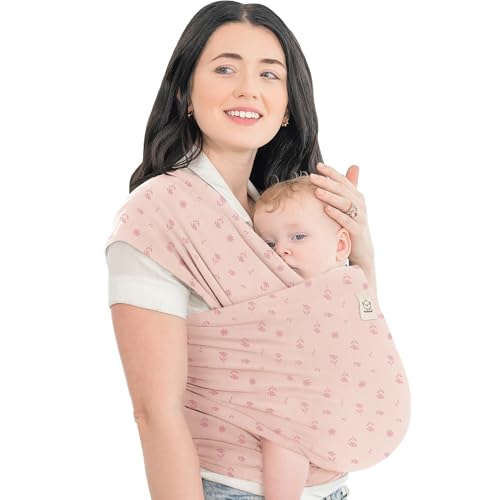
The KeaBabies Original Baby Carrier uses a wrap format for newborn-to-toddler carrying. Its adjustable fabric lets the parent create a close, custom fit. The breathable design may feel softer than a frame-like carrier. The pink daisy pattern also gives this model a warm, gift-friendly look.
Wraps can work well for parents who want close contact and a front nursing position. They often take more practice than buckle carriers, but the fit can feel smooth after the user learns the method. I would practice tying the wrap over a bed or soft surface before using it outside. During feeding, keep the baby high, visible, and supported, then return the baby to an upright position.
Pros:
- Designed for newborn-to-toddler use
- Adjustable wrap can create a close fit
- Lightweight and breathable design
- Useful for hands-free bonding
- Soft format may suit contact-focused parents
- Front access can support careful nursing
Cons:
- Wrap tying requires practice
- Long fabric may feel warm or cumbersome
- Correct tension matters for safe positioning
What Amazon Buyers Are Saying
For this wrap, Amazon buyers commonly focus on softness, learning time, heat, and how well the fabric holds its shape. I recommend reading reviews that explain the wearer’s height and the baby’s age. Comments about washing and drying can also matter because wraps need regular cleaning. Do not judge safety from star ratings alone; follow the printed instructions and current safety guidance.
My Recommendation
The KeaBabies wrap is a strong choice for parents who value a soft, close fit. It is especially appealing for newborn bonding and careful front feeding. Choose a buckle carrier instead if you need the fastest setup with little practice.
Sailboat Adjustable Baby Sling

The Sailboat Baby Sling is listed for babies from 10 to 30 pounds. It combines an adjustable sling with a non-slip hip seat. The design aims to support both babies and toddlers in a compact format. Its black sailboat pattern adds a casual style without making the carrier look overly technical.
This carrier may help during short household tasks, shopping trips, and quick nursing breaks. The hip seat can give the baby a place to sit while the parent adjusts clothing or settles the latch. However, it is not a reason to leave the baby unattended or covered. I would use it only when I can monitor the baby’s face and body at all times.
Pros:
- Adjustable design can improve fit
- Non-slip hip seat may add stability
- Suitable for listed 10- to 30-pound babies
- Compact for quick errands
- Casual pattern suits everyday wear
- May provide fast access for short feeds
Cons:
- Not intended for the smallest newborns under 10 pounds
- Hip seating may not suit every parent’s waist or hip shape
- Less ideal for long walks than a padded two-shoulder carrier
What Amazon Buyers Are Saying
Check current Amazon comments for fit around the waist, strap pressure, and ease of placing the baby into the seat. Reviews from parents with toddlers can show how the carrier handles more weight. I would also look for comments on fabric cleaning and movement during walking. Those details often matter more in daily use than the pattern shown in the product photo.
My Recommendation
I see this as a useful short-use sling for parents who like hip support. It is not my first choice for extended nursing sessions or long hikes. It offers fair value when the buyer wants a small carrier for errands.
Infantino Flip Luxe 4-in-1 Carrier

The Infantino Flip Luxe 4-in-1 is designed for babies from 7 to 35 pounds. It offers four carry modes and an adjustable fit. The Affogato color gives it a soft neutral appearance. Its structured format may spread weight more evenly than a single-shoulder sling.
For breastfeeding parents, the main advantage is flexibility. A front inward-facing mode can keep the baby close, while the adjustable panel may allow careful lowering for a feed. I would not nurse while walking or while the baby remains covered. Settle in a stable place, support the baby with one hand, and check the airway often.
Pros:
- Four carry modes support changing needs
- Listed for babies from 7 to 35 pounds
- Adjustable fit works for more than one wearer
- Structured design can help distribute weight
- Neutral Affogato color suits daily outfits
- Good option for a registry gift
Cons:
- Maximum listed weight is lower than the MOMTORY model
- Structured carriers can feel warmer than wraps
- Parents may need time to learn each carry mode
What Amazon Buyers Are Saying
When checking Amazon feedback, focus on shoulder comfort, buckle access, panel height, and whether the carrier works for different body sizes. Buyers often value a carrier that feels easy to put on without help. I would also read comments about newborn fit and leg support. Product listings can change, so confirm the current weight limits and instructions before purchase.
My Recommendation
The Flip Luxe is one of the better choices for parents who want a familiar structured carrier at a practical price. It gives more carrying options than a sling without the long tying process of a wrap. I recommend it for daily use, provided the fit feels comfortable on your body.
Cotton Infant Carrier

This cotton baby carrier is listed for babies from 7 to 40 pounds. It uses a double-sided design and offers three carry positions. The cotton material may feel familiar and soft for everyday use. Its newborn-to-toddler range gives it practical appeal for parents who want one basic carrier.
The three positions can help parents change the fit as the baby grows. For nursing, the front position may offer the simplest access, but the parent must lower the baby only as the instructions allow. Cotton can feel comfortable, yet it may also retain heat in warm weather. I would use light clothing and check the baby often on hot days.
Pros:
- Wide listed range from 7 to 40 pounds
- Soft cotton construction may feel comfortable
- Double-sided design gives styling flexibility
- Three carry positions support changing stages
- Useful for newborn and toddler periods
- Simple format may suit first-time users
Cons:
- Cotton may feel warm in summer
- Three positions provide less choice than a 4-in-1 or 6-in-1 model
- Fabric care may need more attention than synthetic materials
What Amazon Buyers Are Saying
Review the current Amazon listing for comments about fabric softness, washing, strap comfort, and the accuracy of the fit. Buyers should look for feedback from families using the carrier with babies near the lower and upper weight limits. Comments about heat can vary by climate and clothing. I would treat broad claims with care and focus on detailed, recent reviews.
My Recommendation
This carrier is a sensible middle-ground option. It offers more weight range than the small slings and feels less complex than a six-position hipseat carrier. I recommend it for parents who want cotton comfort and basic flexibility at a reasonable value.
vrbabies Nursing Wrap Sling

The vrbabies sling is made for close front carrying from the newborn stage through toddler use. Its adjustable nursing wrap design aims to create a snug fit around the parent and baby. The soft cotton construction may appeal to new parents who want gentle contact. The blue color gives the carrier a simple, calm look.
This is one of the most nursing-focused options in the list. A wrap can help the parent keep the baby close while making room for a careful latch. It still requires correct tension and constant airway checks. I would practice when the baby is calm, use the wrap in a safe place, and stop if either the baby or parent seems uncomfortable.
Pros:
- Designed with nursing use in mind
- Soft cotton feel may suit newborn contact
- Adjustable wrap supports a closer fit
- Useful for parents and caregivers
- Light format works well for home and travel
- Newborn-to-toddler design supports longer use
Cons:
- Wrap adjustment takes practice
- May feel warm during extended wear
- Incorrect tension can affect baby positioning
What Amazon Buyers Are Saying
Amazon shoppers should compare comments about softness, tying, support, and washing. Look for reviews that explain whether the wrap remains comfortable after several hours and whether the baby stays in a good position. Buyers should not assume that a nursing label makes hands-free feeding safe in every situation. Follow the instructions and use direct supervision throughout the feed.
My Recommendation
The vrbabies wrap is a good pick for parents who want a soft nursing sling and close contact. It may suit newborn routines better than a bulky hipseat. I recommend it for patient buyers who are willing to practice the wrap method.
How to Choose the Best Baby Carrier for Breastfeeding
Choosing the best baby carrier for breastfeeding takes more than looking for the words “nursing” or “hands-free.” A carrier must fit the baby, fit the adult, and allow close monitoring. The safest choice also depends on the baby’s age, size, head control, and health needs. I use the points below when comparing a wrap, sling, hipseat, or structured carrier.
1. Match the Carrier to Baby’s Age and Weight
Start with the product’s current weight range. A carrier listed from 10 pounds is not the right choice for a smaller newborn. A newborn may need a wrap or an infant-ready structured carrier with proper support. Never use a carrier below its stated limit.
Also check the baby’s head and neck control. A young baby needs close support and a clear airway. The baby should sit high enough to kiss, with the face visible and the chin away from the chest. The International Hip Dysplasia Institute supports carriers that hold the baby in a healthy “M” position, with the thighs supported and knees higher than the bottom.
2. Look for Easy Adjustment and Safe Nursing Access
Breastfeeding in a carrier should never force the baby into a bent or hidden position. Look for straps, panels, or fabric that adjust without a struggle. A wrap can offer a close fit, but it takes practice. A buckle carrier can feel faster, yet it may have more parts.
The carrier should let you lower the baby for feeding while you remain alert and seated or standing in a stable place. Keep the baby’s nose and mouth uncovered. Do not cover the baby with a scarf or blanket. After nursing, raise the baby back to the approved upright position. If you feel sleepy, remove the baby from the carrier before resting.
3. Compare Comfort, Support, and Long-Term Value
Your comfort matters as much as the baby’s comfort. Wide shoulder straps, a supportive waistband, and good weight spread help during longer wear. A one-shoulder sling may feel easy with a small baby but may tire one side when the baby grows. A hipseat can help with weight, but it may feel bulky.
Consider the weather, too. Cotton and wraps can feel soft but warm. Breathable panels can help in hot conditions. Check washing instructions before buying. A carrier that is hard to clean may become frustrating during daily use.
Finally, compare the real value. A 6-in-1 carrier can replace several smaller products, while a simple sling may cost less and travel better. Read recent buyer feedback, confirm the exact weight range, and use the product manual as the final guide.
Final Verdict: Which Should You Buy?
The MOMTORY 6-in-1 is my best overall pick because it combines a 7–50-pound range, six positions, and hip support. KeaBabies and vrbabies are better for soft wrap comfort, while Infantino Flip Luxe suits daily structured carrying.
These seven choices cover the main needs in the 10 best baby carrier for breastfeeding search: nursing access, fit, support, portability, and value. Always keep your baby visible and follow safe positioning guidance.
FAQs Of 10 best baby carrier for breastfeeding
Can I breastfeed while wearing a baby carrier?
Yes, some parents can nurse in a carrier, but only with close supervision. Keep the baby’s face visible, protect the airway, and return the baby to an upright position after feeding.
What is the best baby carrier for breastfeeding newborns?
A properly fitted wrap or newborn-ready structured carrier may work well. Check the minimum weight, head support, and instructions before using any carrier with a newborn.
Is a sling or structured carrier better for nursing?
A sling or wrap may offer easier front access. A structured carrier often provides better weight distribution. The best choice depends on fit, baby size, and your comfort.
Can a baby sleep in a carrier after breastfeeding?
Do not treat a carrier as a safe sleep space. If the baby falls asleep, monitor the airway and move the baby to a separate, firm sleep surface when possible.
How should a baby sit in a breastfeeding carrier?
Keep the baby high, close, and visible. Support the thighs, keep the knees bent, and make sure the chin does not press against the chest.
