

Yes, newborns can sleep in a crib safely when the crib is sturdy, the mattress fits well, and the sleep space stays empty. The best crib is the one that matches your room, your budget, and current safe sleep guidance.
For most families, newborns can sleep in a crib right away as long as the crib meets current safety guidance, is assembled correctly, and has a firm, well-fitting mattress with no loose bedding. The best choice is usually the simplest safe setup that fits your space and your baby’s stage of development.
This guide focuses on the practical questions parents ask most: when a crib makes sense, what features matter for a newborn, and how to set up the sleep space safely at home.
- Safety first: A crib is only as safe as its mattress fit, assembly, and empty sleep.
- Best fit varies: Standard, mini, and convertible cribs each suit different spaces and timelines.
- Simple is better: For newborns, you usually do not need extra features if the crib is stable.
- Watch for changes: Lower the mattress and recheck hardware as your baby grows and becomes more mobile.
Are Cribs Safe for Newborns? The Short Answer for New Parents
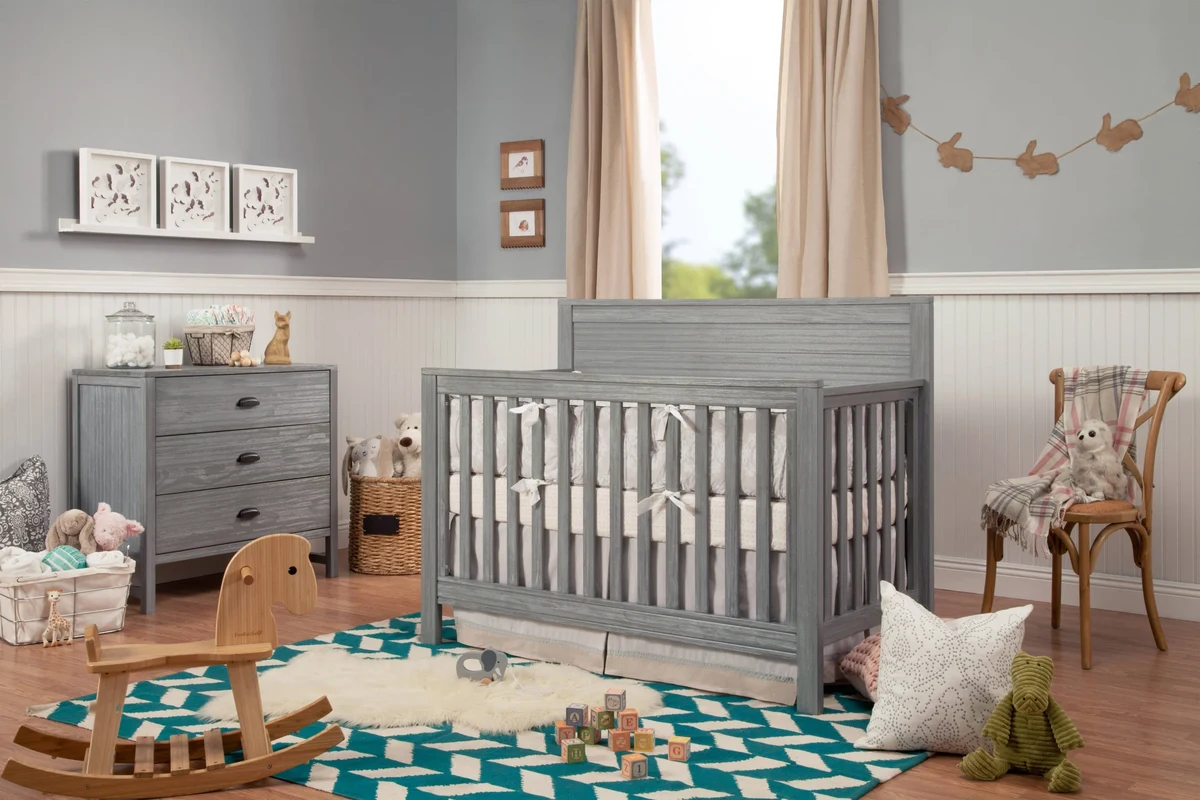
Yes, a crib can be a safe sleep space for a newborn when it follows recognized safe sleep guidance and the manufacturer’s instructions. In practice, that means a firm mattress, a fitted sheet only, no soft extras in the sleep area, and a crib that is in good condition and not subject to a recall.
That said, “safe” depends on the entire setup, not just the crib itself. A beautiful crib with the wrong mattress, loose bedding, or improper assembly can create avoidable risks, so the details matter more than the style.
Always check current guidance from the U.S. Consumer Product Safety Commission and your pediatrician or local safety authority if you have questions about sleep positioning, recalls, or special medical needs.
What “Newborns and Cribs” Really Means: Age Range, Sleep Stage, and Use Case
When parents search for newborns and cribs, they usually want to know whether a crib is the right sleep space from day one or whether a bassinet, bedside sleeper, or mini crib is more practical at first. The answer depends on your baby’s size, your room layout, and how long you want the sleep setup to last.
Newborn vs. infant vs. older baby: when a crib becomes the right fit
A newborn is typically a baby in the first weeks of life, while “infant” can cover the entire first year. Many families use a crib from birth, but others start with a smaller sleep solution if they want the baby closer to the bed or need a more compact footprint.
A crib becomes especially useful once you want one sleep space that can last through several stages instead of replacing gear quickly. If you are also comparing other newborn sleep and travel items, PunRealm’s guides on the best baby car seat for newborns and mosquito repellent for newborns can help you think through the rest of your early baby setup.
Why crib readiness matters in the first 0–4 months
The first few months are when sleep habits, feeding routines, and room arrangements often shift the most. A crib that is easy to access, easy to clean, and properly adjusted can make nighttime care simpler without adding clutter or unsafe extras.
What to Look for in a Crib for Newborns
For newborn use, the best crib is not the one with the most features. It is the one that meets safety standards, fits the mattress correctly, and gives you an easy, stable setup for everyday care.
Safety certifications, slat spacing, mattress fit, and structural stability
Look for a crib that complies with current safety standards and comes with clear assembly instructions. Check that the slats or bars are evenly spaced according to the manufacturer’s current specifications, and confirm that the mattress fits snugly with no large gaps around the edges.
Structural stability matters just as much as paperwork. The crib should feel solid after assembly, with no wobble, loose hardware, or sharp edges, and you should stop using it if anything becomes damaged, cracked, or unstable.
- Confirm the crib meets current safety standards and has no active recall issues
- Check that the mattress is made for that exact crib size or model
- Review the assembly steps and keep the instructions for future tightening or repairs
- Inspect for broken parts, loose screws, or peeling finishes before each stage of use
Adjustable mattress heights and why they matter early on
Many cribs have an adjustable mattress base. A higher setting can make it easier to place and lift a newborn during the earliest weeks, while a lower setting becomes important later as the baby grows, becomes more mobile, or begins to push up.
The key is to lower the mattress before your baby can sit, pull up, or otherwise reach the crib edge. If you are unsure when to change the setting, follow the manufacturer’s guidance and use the baby’s current development as the deciding factor.
Materials, finishes, and low-toxicity considerations
Parents often want to know whether wood, metal, or composite materials are best. The practical answer is that the safest material is the one that is sturdy, properly finished, and easy to keep clean without flaking or chipping.
If you are concerned about finishes or off-gassing, look for brands that clearly explain their material choices and finish standards. Avoid anything with peeling paint, strong lingering odors, or surfaces that seem to shed dust or flakes into the sleep area.
Crib Types Compared: Standard Cribs, Mini Cribs, and Convertible Models
There is no single “best” crib type for every family. The right option depends on space, budget, how long you want to use it, and whether you prefer a more permanent nursery piece or a smaller, more flexible setup.
| Option | Best For | Key Consideration |
|---|---|---|
| Standard crib | Most nurseries and long-term use | Usually the most versatile choice if you have room |
| Mini crib | Small rooms, shared rooms, or temporary setups | Can save space, but may be outgrown sooner |
| Convertible crib | Families planning for long-term use | Longer lifespan, but conversion parts and instructions matter |
Which crib style fits small spaces, shared rooms, or long-term use
A standard crib usually works best when space is available and you want a familiar nursery layout. A mini crib can be a smart choice in apartments, grandparents’ homes, or shared bedrooms where every inch counts.
Convertible models appeal to parents who want a crib that may transition later, but that only helps if the conversion is simple, safe, and supported by the manufacturer. If the conversion kit is hard to find or the instructions are unclear, long-term value can drop quickly.
Pros, trade-offs, and who each option suits best
- Standard cribs often offer the easiest balance of size and longevity
- Mini cribs can fit tight spaces and smaller rooms
- Convertible cribs may reduce the need to buy another bed later
- Standard cribs need more floor space
- Mini cribs may be outgrown earlier
- Convertible cribs can cost more and depend on future parts or assembly steps
How to Set Up a Crib Safely for a Newborn
Setup is where many crib mistakes happen, and it is also where parents can prevent most of them. A safe crib setup should stay simple: firm surface, fitted sheet, clear sleep space, and a location that supports easy caregiving without clutter.
Mattress placement, fitted sheet choice, and sleep surface basics
The mattress should sit flat and secure, with no sagging or gaps. Use only a fitted sheet designed for that mattress size so it stays tight and does not bunch up during sleep.
- Use a firm mattress that fits the crib exactly
- Choose a fitted sheet that stays snug after washing
- Check the mattress and sheet fit again after setup and laundering
- Using an oversized mattress or folded padding
- Adding loose blankets or extra layers under the sheet
- Using soft sleep surfaces not intended for a crib
What to keep out of the crib: blankets, bumpers, toys, and positioners
The safest newborn crib is uncluttered. Keep out pillows, quilts, crib bumpers, stuffed toys, and sleep positioners unless a qualified professional gives specific medical guidance and the product is explicitly intended for that use.
Loose items can increase suffocation or entrapment risk, and positioners are not a safe substitute for proper sleep setup. If you are also thinking about other newborn care products, PunRealm’s guide to insect repellent for newborns is a useful reminder to keep all baby products age-appropriate and carefully chosen.
Room placement, airflow, and temperature considerations
Place the crib away from cords, windows, blinds, heaters, and anything that could fall into the sleep area. Good airflow and a comfortable room temperature matter more than decorative extras, so focus on a calm, uncluttered space rather than adding blankets or padding.
If the room feels too warm or too cold, adjust the room environment rather than the crib itself. A baby should be dressed appropriately for the room, not buried under loose bedding.
Before the first night, do a final “empty crib” check: mattress snug, fitted sheet tight, hardware secure, and nothing else inside the sleep space.
Common Mistakes Parents Make with Newborn Cribs
Even careful parents can miss small setup issues, especially during late-night nursery prep. The most common mistakes are usually simple ones: the wrong mattress, too much bedding, or forgetting to re-check the crib as the baby grows.
Using an oversized mattress or loose bedding
A mattress that is too small or too large can leave gaps that create avoidable hazards. Loose bedding can shift during sleep and should not be used to make the crib feel softer or cozier.
Keeping the mattress too high for too long
The upper mattress position is helpful early on, but it should not stay there once the baby starts becoming more mobile. Lowering it on time helps maintain a safer environment as your baby develops new motor skills.
Ignoring product recalls, wear, or assembly issues
Many crib problems are not obvious at first glance. Check for recalls, inspect the frame and hardware regularly, and re-tighten components if the manufacturer recommends it.
Stop using any crib that is cracked, loose, recalled, or past its recommended age or weight limit, and follow the manufacturer’s safety guidance.
Care, Cleaning, and Maintenance for Daily Use
A crib should be easy to maintain because newborn sleep spaces need frequent attention. Cleaning and inspection are part of safe use, not optional extras.
How to clean wood, metal, and fabric components safely
For wood and metal, use the manufacturer’s recommended cleaner or a mild soap solution if approved. Avoid harsh chemicals that could damage the finish or leave strong residues near the baby’s sleep area.
Fabric components, if your crib includes any, should be cleaned exactly as the label instructs. When in doubt, remove dust and crumbs gently and allow all surfaces to dry fully before reuse.
Mattress care, stain prevention, and routine safety checks
A waterproof mattress cover can help with spit-up or diaper leaks, but it should still fit properly and not create wrinkles under the sheet. Check the mattress regularly for sagging, stains, odors, or damage that could affect cleanliness or fit.
It also helps to make crib safety checks part of your normal routine. Look over the screws, slats, and mattress support whenever you change sheets or notice movement in the frame.
- Keep the assembly instructions in a drawer or nursery folder for future reference
- Recheck mattress fit after washing sheets or changing mattress protectors
- Inspect the crib after moving it, even if it seemed fine before
- Store spare sheets and covers nearby so you are not tempted to improvise with loose bedding
Value, Longevity, and Final Recommendation for 2026 Buyers
In 2026, value is less about chasing the most features and more about choosing a crib that fits your home, your timeline, and your safety priorities. A good crib should feel stable, be easy to maintain, and suit the way your family actually lives.
Budget ranges, when to spend more, and when a simple crib is enough
Prices vary widely by brand, material, finish, and whether the crib converts to another bed stage. In general, it makes sense to spend more if you need a space-saving design, a specific finish, or a long-term conversion plan that is clearly supported by the manufacturer.
A simple crib is often enough if your main goal is safe, straightforward newborn sleep. You do not need elaborate features if the crib already fits the room, meets safety guidance, and gives you a firm, secure sleep surface.
Best-fit recommendation based on space, lifestyle, and future use
If you have a dedicated nursery and want the most straightforward choice, a standard crib is usually the easiest recommendation. If your room is small, a mini crib may be the better fit, while convertible cribs make the most sense for families who are comfortable managing future parts and setup changes.
For practical planning, compare the crib with the rest of your newborn setup so the room works as a whole. PunRealm also covers related early-parent decisions like newborn car seat choices and newborn mosquito protection basics, which can help you build a safer, more complete routine.
- Newborns can sleep in a crib safely when the crib and mattress fit properly and the sleep space stays empty.
- Standard, mini, and convertible cribs each make sense in different homes, but safety and fit matter more than style.
- Keep the mattress firm, lower it as your baby grows, and check for recalls, wear, and assembly problems regularly.
Common Questions
Yes, if the crib is safe, assembled correctly, and used with a firm mattress and fitted sheet only.
You need a mattress that fits the crib model properly. A snug fit matters more than extra padding.
No, crib bumpers are not recommended for a newborn sleep space. Keep the crib empty except for the mattress and fitted sheet.
Lower it as soon as your baby starts becoming more mobile or can reach the crib edge. Follow the manufacturer’s guidance for timing.
Inspect it for loose parts, damage, and recall notices. Stop using it if anything seems unstable or worn.
Frequently Asked Questions
The safest setup is usually a firm mattress, a snug fitted sheet, and an empty crib. Keep blankets, pillows, toys, and bumpers out of the sleep space.
Many families use a crib from birth, while others prefer a bassinet for a smaller footprint or easier bedside access. The best choice depends on your room, routine, and how long you want to use the sleep space.
Adjustable mattress heights, sturdy construction, and a mattress that fits correctly are the most useful basics. Extra features are optional if they do not improve safety or everyday convenience.
Use the cleaner recommended by the manufacturer whenever possible. Mild soap and water may be appropriate for some surfaces, but avoid harsh products that could damage the finish.
One of the biggest mistakes is using loose bedding or the wrong mattress size. Another is leaving the mattress too high after the baby begins to move more.
Confirm current safety compliance, recall status, mattress compatibility, and the return or replacement policy. If product details are unclear, check the manufacturer before buying.