

Cradle cap shows up as scaly, yellowish patches on a baby’s scalp, and while it looks alarming, it’s a common and harmless form of seborrheic dermatitis. It happens when a newborn’s oil glands work overtime, trapping dead skin cells under a layer of oil. Most cases clear up on their own within a few months, but many parents want a gentle way to speed things along and keep their baby comfortable.
A good cradle cap shampoo does more than clean hair. It softens built-up flakes so they lift away without scratching a baby’s delicate scalp, and many formulas add ingredients like zinc pyrithione, oatmeal, or avocado oil to calm redness and dryness. Some products are wash-off shampoos, while others are leave-on creams or serums paired with combs and brushes designed to loosen stubborn scales.
Before buying, check the ingredient list for fragrance, sulfates, and parabens, since a newborn’s skin absorbs more than adult skin and reacts more easily to irritants. Look at whether the product treats mild flaking or heavier, crusted buildup, since a light shampoo won’t do much against thick, adherent patches. Age range matters too. Some medicated formulas are approved for older kids and teens with dandruff, while others are made strictly for infants.
Best for daily gentle use: Happy Cappy Medicated Shampoo
Best for newborns with sensitive skin: Mustela Foam Shampoo
Best two-step routine: Frida Baby Cradle Cap Treatment Kit
Best for thick, stubborn scales: Ladibugs Cradle Cap Remedy Kit
Best budget option: Dentinox Cradle Cap Baby Shampoo
Happy Cappy Medicated Shampoo

This pediatrician-developed medicated shampoo is a strong pick for families dealing with ongoing dandruff or seborrheic dermatitis, not just mild cradle cap.
Pros
- Contains zinc pyrithione, a proven anti-flaking ingredient
- Fragrance-free and made for children of all ages
- Doubles as a face and body wash
Cons
- Some parents report slow results on stubborn cases
- Gel texture may feel different from typical baby shampoo
- Not a leave-on treatment for severe buildup
Happy Cappy stands out because it’s medicated rather than just soothing. Zinc pyrithione targets the yeast linked to flaking and redness, which makes this shampoo useful well past infancy, including for older kids and even adults with scalp irritation. Reviewers note it can take one wash or several weeks depending on severity.
Since it skips fragrance, dye, and parabens, it suits sensitive skin without added risk. It works best as a regular wash-in-wash-out shampoo rather than a spot treatment for thick, crusted patches.
Mustela Foam Shampoo

This lightweight foam shampoo suits newborns who need a gentle, everyday wash that also targets early cradle cap.
Pros
- Airy foam rinses out easily without weighing down fine hair
- Fragrance-free formula with 99% naturally derived ingredients
- Safe for newborn use
Cons
- Some parents dislike the mild scent
- Best for mild to moderate flaking, not thick plaques alone
- Small 5.07 fl oz bottle
Mustela’s foam pump makes application simple, which matters when washing a wiggly newborn’s scalp. The avocado oil polyphenols help exfoliate flakes gently while cleaning hair, and most reviewers see improvement within a few weeks of regular use.
For babies with heavier, waxy buildup, pairing this shampoo with a comb or brush tool speeds up results. Used alone, it works better as a maintenance shampoo than a fast fix for severe cases.
Frida Baby Cradle Cap Treatment

This two-part system combines a wash-off scalp mask with a leave-on spray, making it a solid choice for parents who want both treatment and prevention in one routine.
Pros
- Scalp mask softens flakes during bath time
- Leave-on spray hydrates scalp between washes
- Free of sulfates, dyes, and synthetic fragrance
Cons
- Requires two products used at different times
- Not a standalone shampoo
- May need a few uses before flakes visibly loosen
Parents use the mask to soften scales before rinsing, then follow up with the aloe-based spray to prevent new flakes from forming while baby sleeps. This step-based approach helps with moderate cradle cap that basic shampoos alone haven’t cleared.
It works well alongside a comb for lifting looser flakes, though it isn’t meant to replace a baby’s regular shampoo.
Bella B Bee Gone Cradle Cap Shampoo
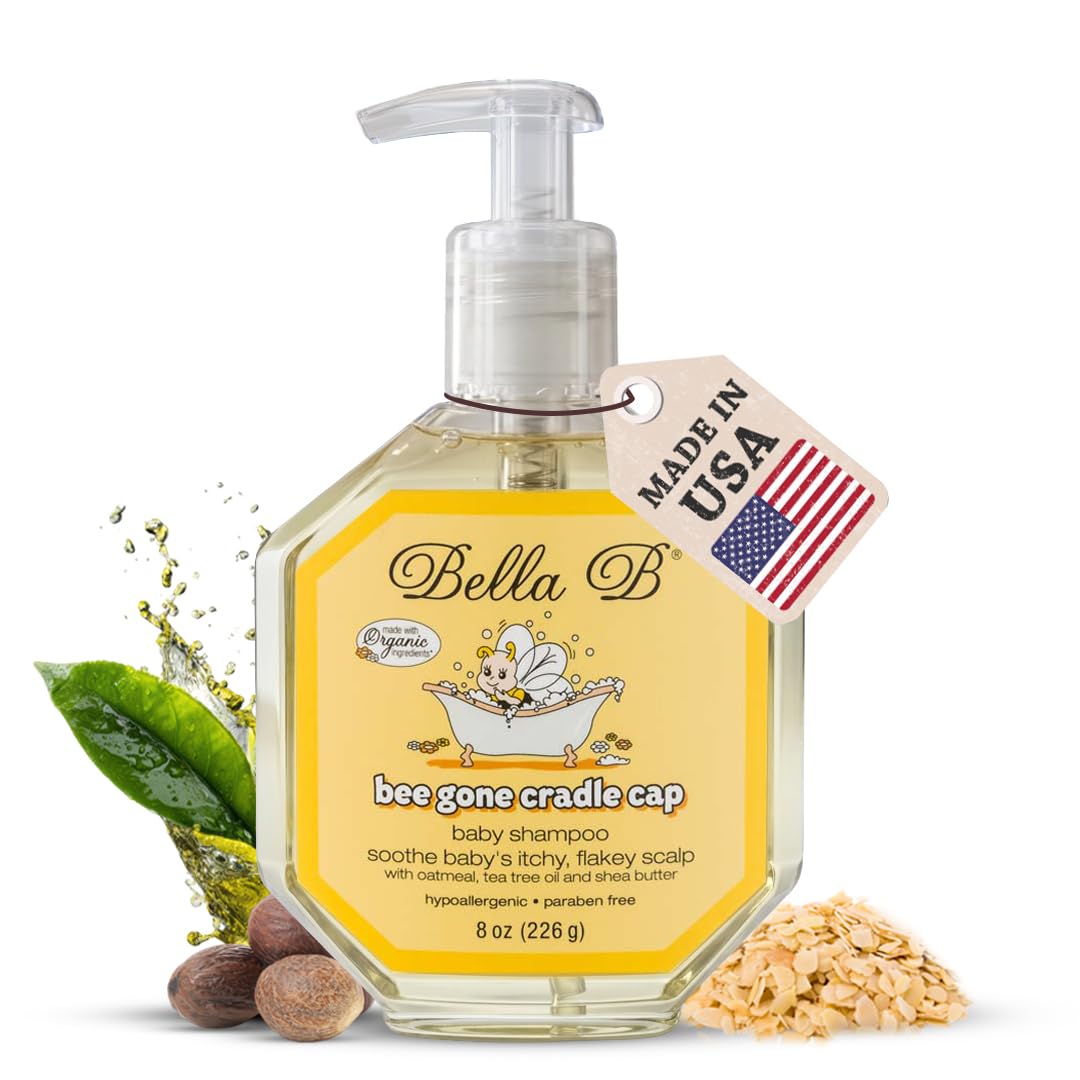
This organic foaming shampoo is a good fit for parents who prefer plant-based ingredients over medicated formulas.
Pros
- Made with oatmeal, shea butter, and tea tree oil
- Hypoallergenic and paraben-free
- Light, pleasant scent noted by many reviewers
Cons
- Contains fragrance, unlike some fragrance-free options
- Gel-like texture takes a moment to foam
- Not medicated, so it may work slower on severe cases
Bee Gone leans on natural soothing ingredients rather than active medication, which appeals to parents wary of stronger treatments. Tea tree oil and shea butter help calm dry, flaky skin while cleansing gently.
Because it isn’t medicated, it tends to work best on milder cradle cap or as a maintenance shampoo after flakes have mostly cleared with another treatment.
Dentinox Cradle Cap Shampoo

This budget-friendly shampoo is designed specifically for cradle cap and works well as a first product to try for newborns.
Pros
- Formulated for cradle cap from birth onward
- Gentle enough for regular use
- Compact size travels easily
Cons
- Smaller bottle (4.2 fl oz) needs frequent reordering
- A few parents report no improvement
- Coconut scent isn’t fragrance-free
Many parents see visible improvement within a handful of washes, especially when paired with gentle brushing. Its lower price point makes it easy to try without much commitment.
Results vary with severity. Some reviewers with long-standing or thick cradle cap found it needed more time or a stronger complementary treatment.
Ladibugs Cradle Cap Remedy Kit

This nurse-designed kit is built for thick, crusty cradle cap that basic shampoos struggle to clear.
Pros
- Serum softens even stubborn, waxy scales
- Fine-toothed comb lifts flakes without scratching skin
- Free of sulfates, parabens, and phthalates
Cons
- Leaves scalp greasy until fully washed out
- Light peppermint scent isn’t fragrance-free
- Requires a 10-minute wait before combing
This is a leave-on serum paired with a comb, not a shampoo. Parents massage it into dry hair, let it sit, then comb out softened scales, a method several reviewers say cleared severe buildup in one or two treatments.
Because the serum is thick, thorough rinsing afterward matters. It suits parents dealing with visibly thick, adherent patches rather than light dandruff-like flaking.
Frida Baby 3-Step Cradle Cap System

This tool kit works alongside any shampoo or oil to physically loosen and lift flakes during bath time.
Pros
- Sponge, brush, and comb cover lather, loosen, and lift steps
- Soft bristles are gentle on sensitive scalps
- Comes with a storage stand
Cons
- Not a shampoo or medicated treatment on its own
- Requires pairing with a wash or oil
- Bristles wear down with heavy use over time
This system pairs with a parent’s shampoo of choice, whether medicated or gentle, to physically work flakes loose. The three-step method (lather, loosen, lift) gives structure to what can otherwise feel like guesswork with a washcloth.
Many reviewers say a couple of uses cleared mild to moderate cradle cap for good. It works as a tool, not a treatment, so it needs to be paired with a cleanser or oil.
Mustela Cradle Cap Cream

This leave-on cream is meant to sit overnight, softening flakes before a wash the next day.
Pros
- Fragrance-free with 95% naturally derived ingredients
- Designed to be massaged in and left on overnight
- Pairs well with a foam shampoo the next morning
Cons
- Small 1.35 fl oz tube
- Requires an extra overnight step, not instant
- A few reviewers saw irritation return after stopping use
Mustela’s cream targets thicker patches by softening them overnight rather than during a quick bath-time wash. Parents follow up the next day with a rinse, which several reviewers say loosened flakes that shampoo alone hadn’t touched.
Because it’s a leave-on product, it takes more planning than a standard wash-in-wash-out shampoo, but it suits babies with a stubborn, dry, flaky scalp.
Tubby Todd Cradle Cap Kit

This bundle combines a medicated gel, silicone brush, and all-over ointment for a complete scalp and skin care routine.
Pros
- Gel contains zinc pyrithione for active flake control
- Ointment with colloidal oatmeal soothes eczema-prone skin too
- Silicone brush is easy to clean and gentle on scalp
Cons
- Comes at a higher price point for a 1.8 fl oz gel
- Multiple products to manage in one routine
- Not fragrance-free
This kit goes beyond cradle cap, since the ointment doubles as an eczema and dry-skin moisturizer. That versatility appeals to parents managing more than one skin concern at once.
The zinc pyrithione gel gives it a medicated edge over purely natural formulas, while the brush helps work product into the scalp without scratching delicate skin.
Cetaphil 2-in-1 Baby Shampoo & Body Wash

This everyday wash suits babies with mild dryness who need gentle cleansing rather than active flake treatment.
Pros
- Tear-free formula is easy to use during bath time
- Calendula and vitamin E soothe sensitive skin
- Works as both shampoo and body wash
Cons
- Not formulated specifically for cradle cap
- Contains added fragrance
- Less effective on thick, established flakes
Cetaphil’s calendula-based wash focuses on general sensitive-skin care rather than targeted cradle cap treatment. It’s a dependable everyday cleanser that keeps skin hydrated, which can help prevent flakes from building up in the first place.
For babies with visible cradle cap patches already present, a medicated shampoo or leave-on treatment will likely work faster than this wash alone.
Buying Guide
Match the Formula to the Severity
Mild flaking responds well to a gentle, fragrance-free shampoo used a few times a week. Thick, crusted, or waxy patches usually need a stronger approach, like a medicated shampoo with zinc pyrithione or a leave-on treatment that softens scales before combing.
| Symptom Level | Best Approach |
|---|---|
| Light dandruff-like flakes | Gentle daily shampoo |
| Moderate flaking or redness | Medicated shampoo or two-step kit |
| Thick, adherent scales | Leave-on serum or cream plus comb |
Check the Ingredient List
Fragrance-free formulas reduce the chance of irritation on a newborn’s sensitive skin. Look for calming ingredients like oatmeal, aloe, or avocado oil, and treatment ingredients like zinc pyrithione for active dandruff or seborrheic dermatitis. Skip products with sulfates, parabens, or added dyes when possible.
Decide Between Wash-Off and Leave-On
Shampoos rinse out during bath time and work well for daily maintenance. Leave-on creams and serums sit on the scalp for a set time (often overnight or for several minutes) to soften tougher buildup before rinsing or combing. Some routines use both: a leave-on softener followed by a gentle wash.
Consider Tool-Based Kits
Combs, brushes, and sponges help lift flakes without scratching a baby’s scalp. These tools pair with a shampoo or oil rather than replacing one, and they work best for babies with visible, stuck-on scales that don’t loosen with washing alone.
Age and Safety Notes
Most cradle cap products are safe from birth onward, but always check the label for age guidance. Patch-testing a small area first helps catch sensitivity before a full application. If flaking spreads beyond the scalp, looks inflamed, or doesn’t improve after a few weeks of consistent care, a pediatrician can check for other skin conditions that need different treatment.

