

Yes. Babies should ride rear-facing as long as possible for maximum safety.
I write about child safety and have installed and inspected hundreds of car seats for families. In this guide I explain clearly why do baby car seats have to face backwards, what the safety data and expert guidance say, how to install a rear-facing seat, and when it is safe to change direction. Read on for practical tips, real-life lessons, and simple rules you can use today.
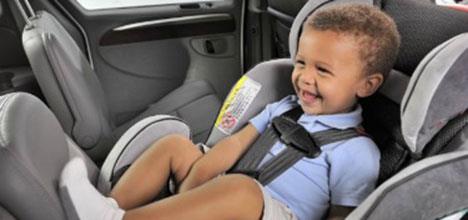
Why do baby car seats have to face backwards?
Rear-facing seats cradle an infant’s head, neck, and spine during a crash. In a frontal crash, the car seat spreads crash forces across the back of the seat. This reduces stress on a baby’s fragile neck and spine.
Babies have large heads and weak neck muscles. Facing rearward keeps the head from snapping forward in a collision. That is the main reason do baby car seats have to face backwards.
Studies and crash tests show rear-facing cuts the risk of serious injury for young children. Safety groups recommend rear-facing for as long as a child fits the seat’s rear-facing limits.
What safety recommendations and laws say
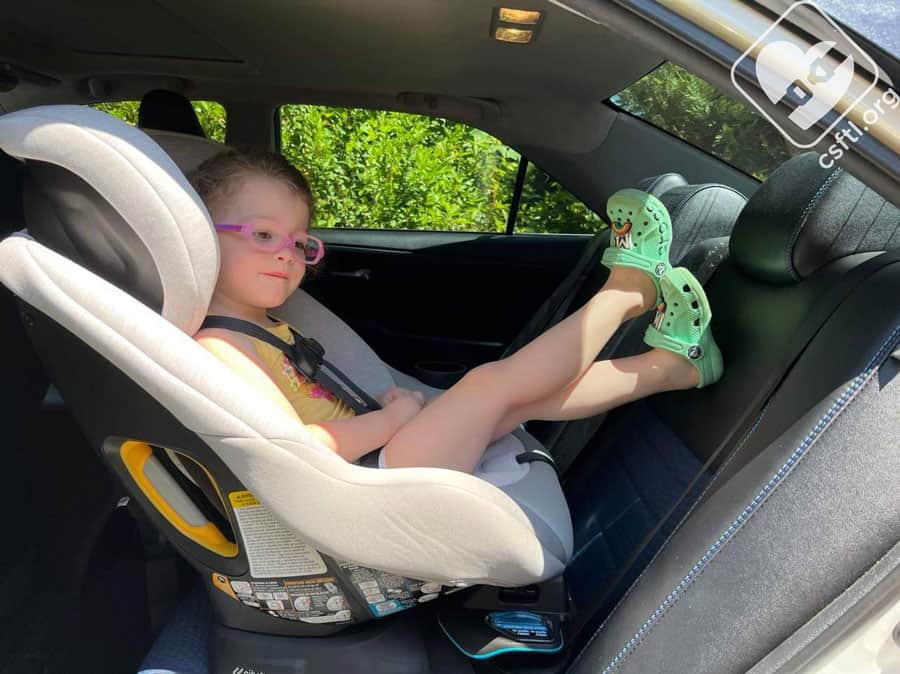
Most child-safety experts advise keeping children rear-facing until at least age two. Some organizations recommend rear-facing until the top height and weight limits of the car seat are reached. Laws vary by state and country, so check local requirements and follow the car seat manual.
Always use the seat according to both the car seat and vehicle manuals. If local law is less strict than safety guidance, follow the stricter safety guidance. This answers part of the question do baby car seats have to face backwards in legal and practical terms.
When can you switch to forward-facing?
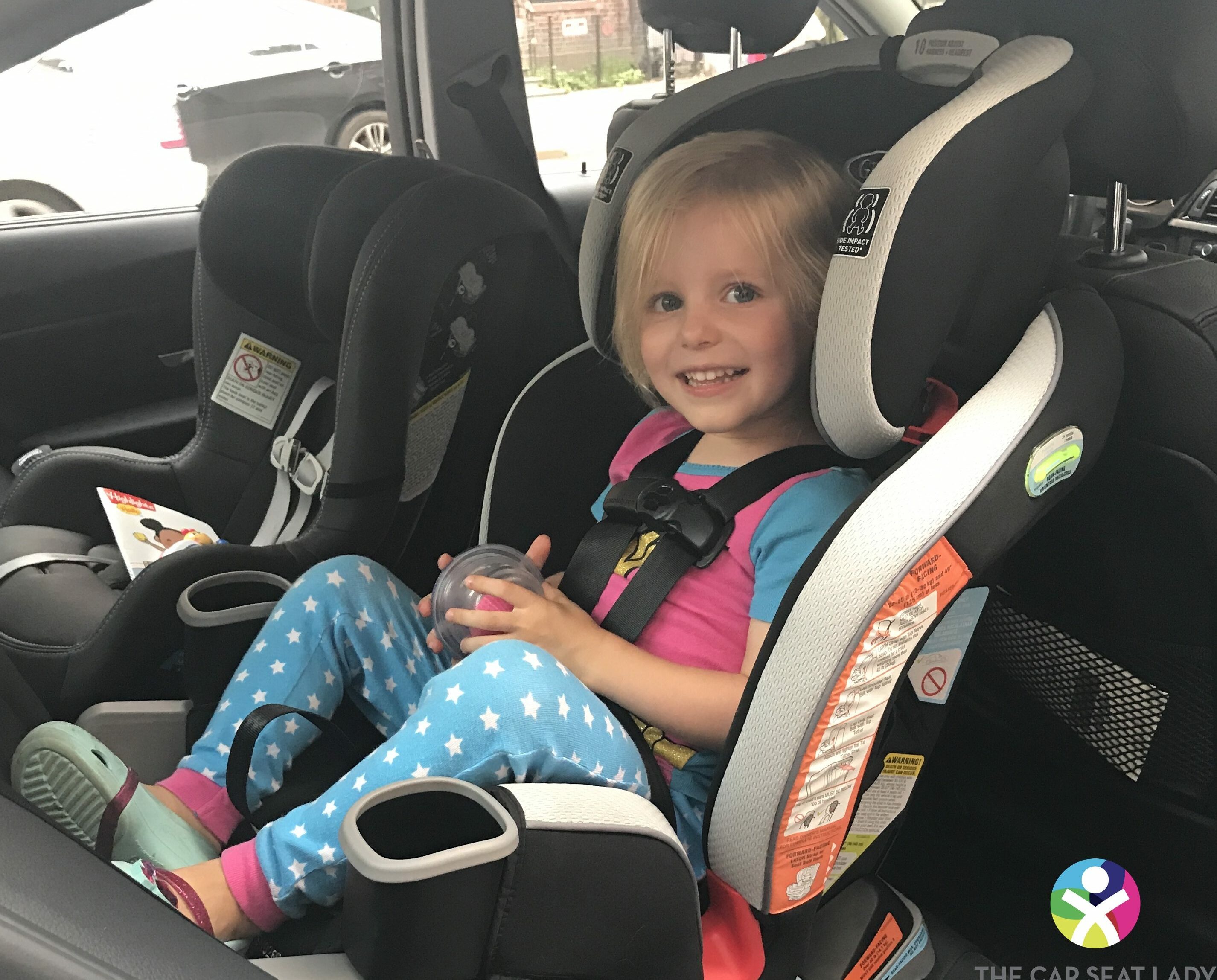
You can switch when your child exceeds the rear-facing height or weight limits for the seat. Those limits are set by the car seat maker and vary by model. Check the label to know exact numbers.
Many convertible seats allow rear-facing up to 40 pounds or more. The rule of thumb is to stay rear-facing until your child outgrows the rear-facing limits, not just a certain age.
Types of car seats and rear-facing options
Infant-only seats
- Designed for rear-facing only.
- They click in and often have a carry handle.
- Usually have lower height and weight limits than convertible seats.
Convertible seats
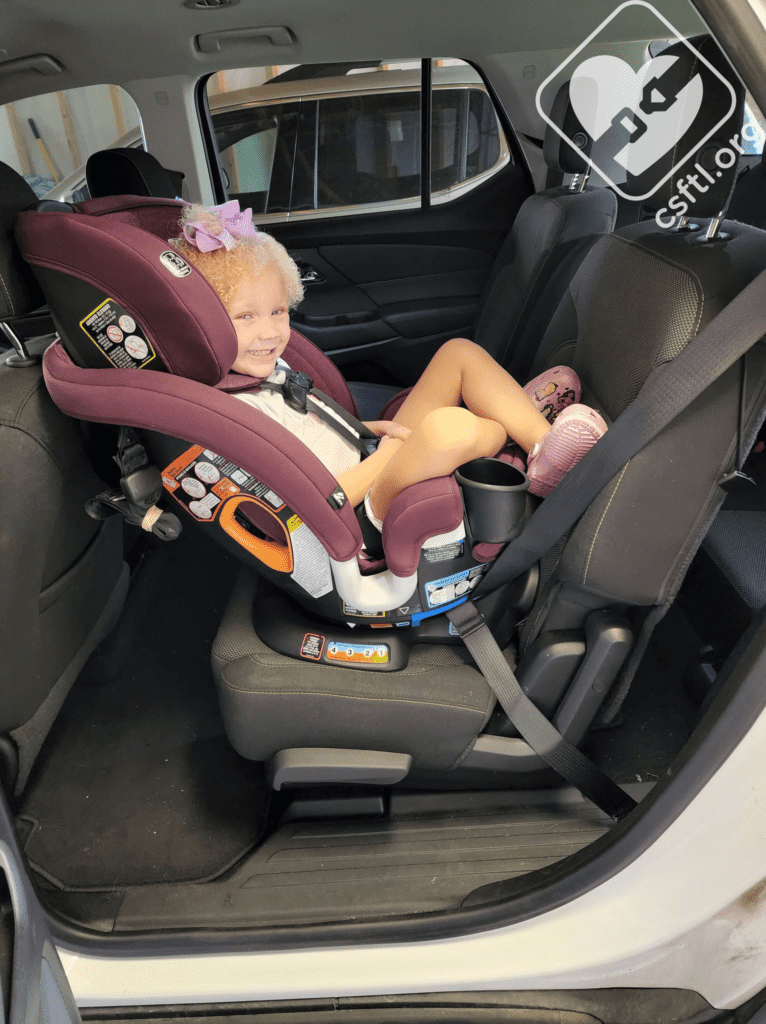
- Can be used rear-facing longer.
- Convert to forward-facing later.
- Often a better long-term value for rear-facing safety.
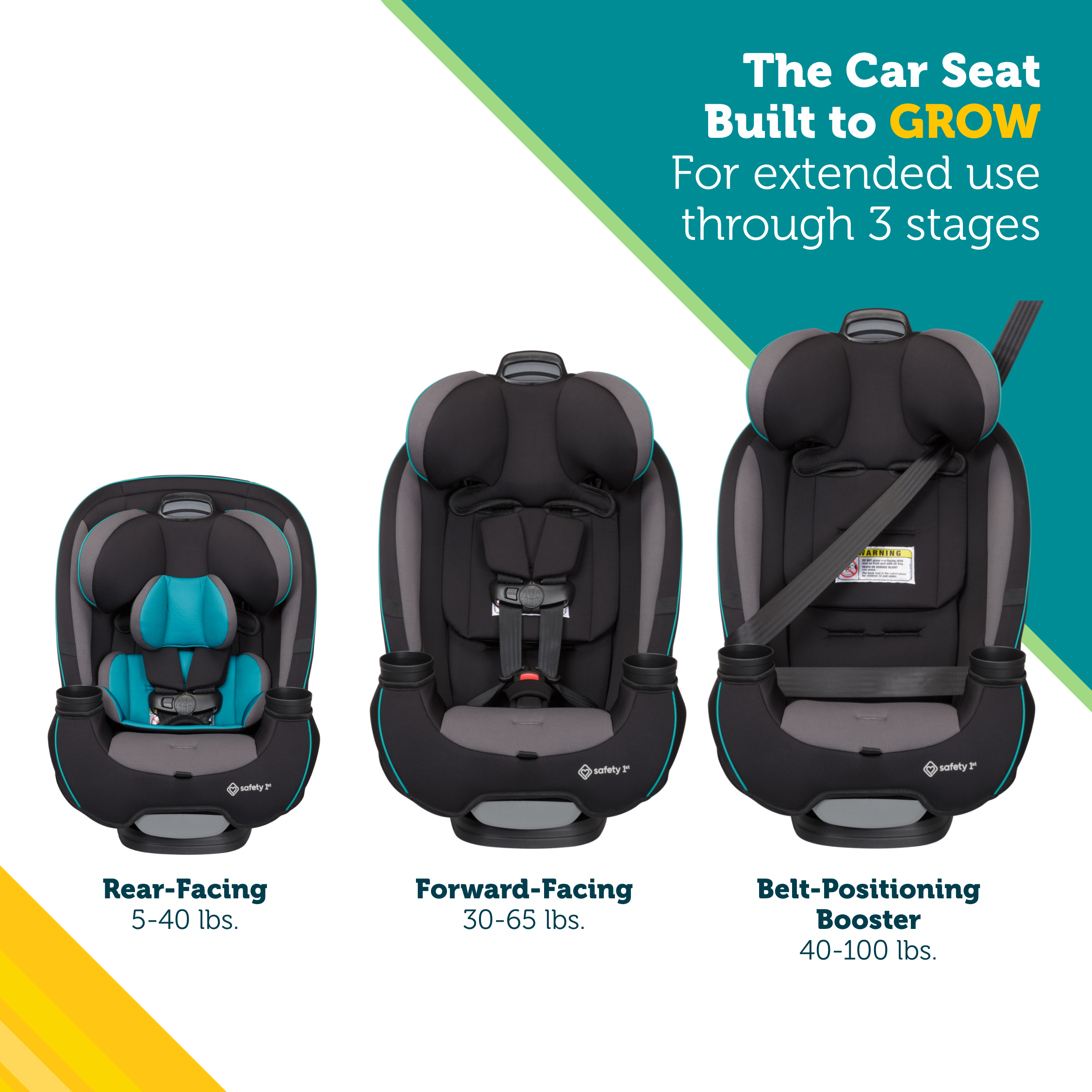
3-in-1 seats
- Offer rear-facing, forward-facing harness, and booster modes.
- Check rear-facing limits carefully; not all models allow extended rear-facing.
Do baby car seats have to face backwards? If you want the safest option for small children, choose a seat with higher rear-facing limits.

Installation and usage tips for rear-facing seats
Always read both manuals. Manuals tell you correct installation angles and belt routing.
Follow these key steps
- Place the seat in the back seat. The center is often safest if it fits.
- Use the vehicle seat belt or lower anchors to secure the base tightly.
- Check the recline angle. A too-upright seat can allow the baby’s head to flop forward.
- Ensure the harness is snug and the chest clip is at armpit level.
Inspect often for tightness and correct harness routing. A correctly installed seat makes rear-facing effective and safe.
Common mistakes and how to avoid them
Installing loosely
- Tighten the seat so it moves less than one inch at the belt path.
- Re-check each time you put the seat in the car.
Incorrect harness fit
- Keep straps at or below the shoulders for rear-facing.
- Remove bulky coats and secure the harness snugly.
Moving to forward-facing too soon
- Don’t switch based on age alone.
- Use the seat’s rear-facing height and weight limits as the guide.
Using the wrong angle
- Use the built-in level indicators or a rolled towel where the manual suggests.
- A poor angle can cause breathing issues or head slump.

My experience and practical lessons
I have installed seats for many parents at clinics and safety checks. I learned that most caregivers want a simple rule. Telling parents to keep children rear-facing until they reach the seat’s rear-facing limits worked best.
One family moved to forward-facing at 18 months because of peer pressure. They later switched back when they understood the risks. The lesson: trust the seat’s limits and not social pressure. Keeping the seat rear-facing longer gave them real peace of mind.

Quick parent questions (PAA-style)
Can newborns ride rear-facing in a regular car seat?
- Yes. Infants must always ride rear-facing in a properly installed seat sized for newborns.
Does rear-facing limit visibility or comfort?
- It may limit forward view, but babies are comfortable and better protected. Use mirrors to check on them.
Will rear-facing make motion sickness worse?
- Most infants tolerate rear-facing well. If motion sickness happens, discuss options with your pediatrician.

Frequently Asked Questions of do baby car seats have to face backwards(make it h2 tag)
How long should a baby be rear-facing?
Most experts say keep a child rear-facing until they exceed the car seat’s rear-facing height or weight limits. Many children remain rear-facing until at least age two, often longer with convertible seats.
Is it illegal to keep a child rear-facing past age two?
No. Laws set minimums. It is legal and often safer to keep a child rear-facing past age two if the seat allows it.
Can I use lower anchors for rear-facing beyond infancy?
Yes. Lower anchors are safe to use until the vehicle manufacturer or car seat maker says otherwise. Always follow both manuals for the highest safety.
What if my child’s head flops forward while rear-facing?
A too-upright angle or loose harness often causes head slump. Adjust the recline and ensure the harness is snug; check the manual for proper angles.
Are convertible seats safer than infant-only seats?
Convertible seats often allow longer rear-facing and can be safer long-term due to higher rear-facing limits. Infant-only seats are convenient for carrying newborns but usually have lower limits.
Can a rear-facing seat go in the front seat?
It is not recommended to place a rear-facing seat in a front seat with an active airbag. Use the rear seat whenever possible for safety.
Conclusion
Keeping a child rear-facing is one of the simplest, most effective ways to reduce injury risk in a crash. Follow the car seat and vehicle manuals, keep children rear-facing until they exceed the seat’s rear-facing limits, and prioritize correct installation and harness fit. Start today by checking your seat’s limits and installation angle, and share this guidance with caregivers. If you found this helpful, subscribe for more safety tips or leave a comment with questions.