

A Newborn Diarrhea Relief digestive system is still learning how to process milk, air, and the bacteria that build a healthy gut. Loose or watery stools are common in the first months of life, and mild changes in frequency or texture often resolve without treatment. Newborn diarrhea that lasts more than a day, comes with fever, or includes blood or mucus needs a pediatrician’s input, not just a product from a shelf.
Many parents look to gentle aids like probiotic drops, gripe water, or warming wraps to support comfort during fussy stretches tied to gas or an unsettled gut. These products are not medical treatments for diarrhea. They are designed to ease common digestive discomfort like gas, colic, and constipation, and some brands mention general digestive support that may overlap with looser stools.
The products below vary in ingredients, dosing, and how they’re meant to be used. Some are oral supplements with live bacterial strains; others are external heat or aromatherapy wraps with no ingested ingredients at all. Knowing the difference matters when deciding what’s appropriate for a newborn.
Best for colic-related fussiness: Culturelle Baby Digestive Calm & Comfort Probiotic
Best for hiccups and occasional gas: Little Remedies Gripe Water with Chamomile
Best for formula transitions: Pink Stork Baby Probiotic Drops
Best value for daily use: Mommy’s Bliss Baby Probiotic Drops (2-Pack)
Best for post-antibiotic gut support: Infants’ Mylicon Daily Probiotic Drops
Best multi-strain organic option: LOVEBUG USDA Organic Probiotic Drops
Best powder format for mixing into feeds: Biostime Infant Probiotic & Prebiotic Powder
Best natural heat option: Comfheat Flaxseed Heated Tummy Wrap
Best for quick, portable warmth: Frida Baby Gas + Colic Heating Pad
Best for aromatherapy-based comfort: Happi Tummi Heated Belly Wrap
Culturelle Baby Digestive Calm & Comfort Probiotic
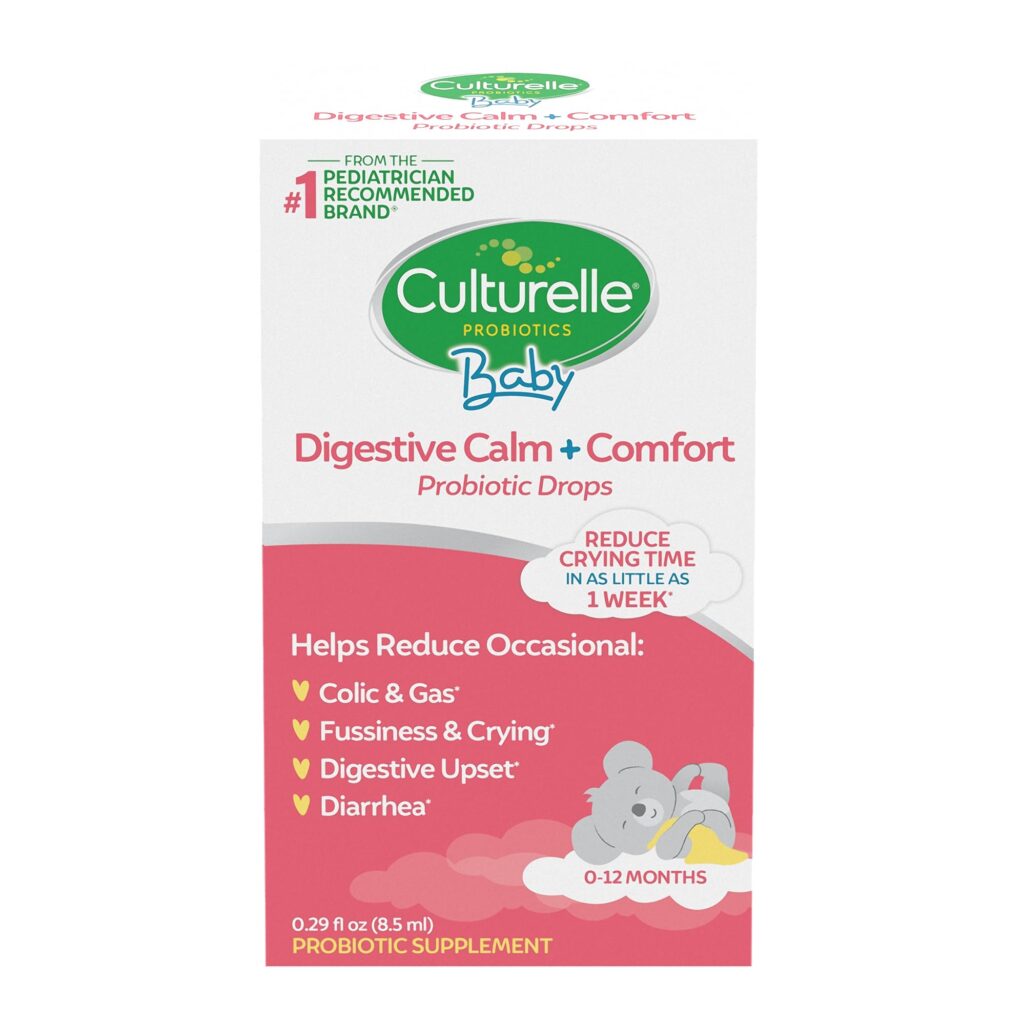
Parents looking for a widely recommended two-strain probiotic drop for occasional fussiness and gas will find this a solid starting point to discuss with their pediatrician.
Pros
- Contains Lactobacillus rhamnosus GG, one of the most studied probiotic strains in infants
- Adds Bifidobacterium lactis BB-12, studied for easing colic symptoms
- Simple 5-drop daily dose that mixes into a bottle or spoon
Cons
- Not formulated or marketed as a diarrhea treatment
- Some parents report the liquid texture separating or degrading in shipping
- Requires daily consistency for any noticeable effect
This drop targets digestive upset tied to colic and gas rather than acute diarrhea. Its two-strain formula is among the more researched combinations available for infants 0 to 12 months. Shake well before each use, since separation is common and expected with liquid probiotics. Parents managing a dairy-sensitive baby should still confirm ingredient suitability with their care team, since gut sensitivities vary.
Little Remedies Gripe Water with Chamomile

This gripe water is a reasonable option for occasional gas and hiccups, though it is not designed to address diarrhea or its underlying causes.
Pros
- Fennel-based formula with a long history of use for digestive comfort
- Free of sodium bicarbonate, parabens, and artificial dyes
- Works quickly for hiccups, according to many parent reports
Cons
- Contains organic agave syrup, a sugar source some pediatricians prefer to limit in newborns
- Not intended for colic linked to an underlying medical condition
- Packaging cap is reported as difficult to open
Gripe water blends have been used for generations to ease gas and fussiness, though clinical evidence for effectiveness remains limited. This version avoids some ingredients found in older formulas, which is worth noting for label-conscious parents. It has no role in treating diarrhea and should not replace hydration guidance from a doctor if stools become watery or frequent. newborn diarrhea relief
Pink Stork Baby Probiotic Drops
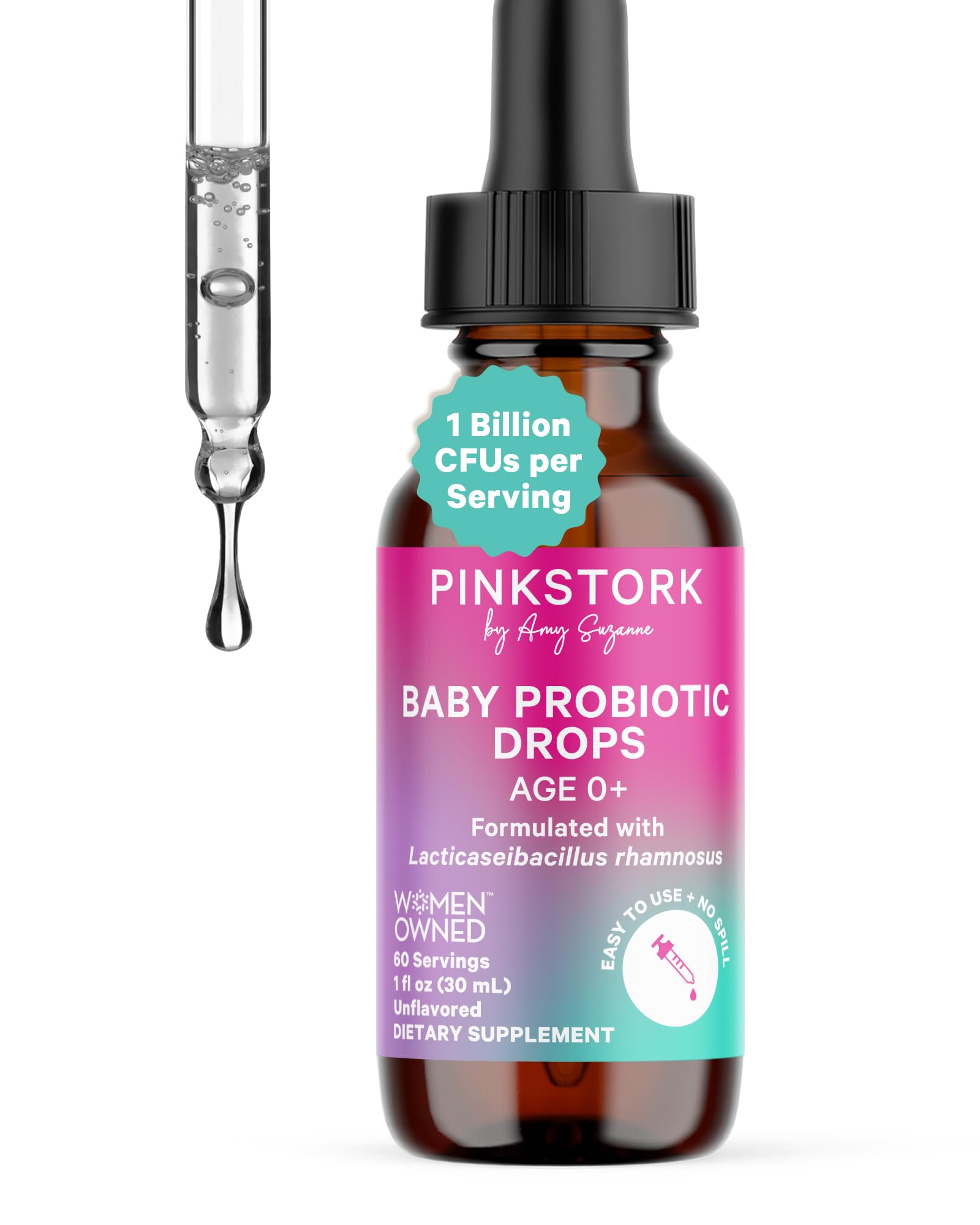
This single-strain drop suits parents who want a simple, no-frills probiotic with a precise dosing syringe.
Pros
- Delivers 1 billion CFU (colony-forming units) of Lactobacillus rhamnosus per serving
- No-drip syringe allows accurate half-milliliter dosing
- Vegan and free of artificial dyes or flavors
Cons
- Single-strain formula offers less strain diversity than some competitors
- A few parents reported dropper quality issues on delivery
- Marketed for constipation and gas, not diarrhea relief
CFUs measure the number of live bacteria in each dose, and this product’s 1 billion CFU serving sits on the lower end compared with multi-strain options. That may suit a baby just starting probiotics. Parents managing loose stools should treat this as a general digestive support option, not a targeted response to diarrhea symptoms.
Mommy’s Bliss Baby Probiotic Drops (2-Pack)

This two-pack offers a straightforward, minimal-ingredient probiotic for parents who want simplicity and a longer supply.
Pros
- Just two ingredients: corn oil and Lactobacillus rhamnosus GG
- Two-bottle pack provides about two months of daily use
- Free of added sugar, alcohol, and artificial colors or flavors
Cons
- Requires refrigeration after opening to preserve potency
- Corn oil base may not suit every family’s preference
- No specific diarrhea claims on the label
The minimal formula appeals to parents wary of unnecessary additives. Refrigeration after opening is a meaningful step many parents overlook, and skipping it can shorten the probiotic’s shelf life. As with other rhamnosus-based drops, this product targets general gut balance and gas relief, not diarrhea specifically.
Infants’ Mylicon Daily Probiotic Drops

This drop is worth considering for babies recovering gut balance after antibiotic use, based on its stated purpose of replenishing depleted bacteria.
Pros
- Specifically marketed to help restore microflora after antibiotics
- Backed by the well-known Mylicon gas-relief brand
- Free of common allergens, including dairy, egg, and soy
Cons
- 21-day supply is shorter than some competitors’ bottles
- Evidence on probiotic effectiveness for colic remains mixed, according to pediatric researchers
- Only versatile for mixing into lukewarm liquids, not hot ones
One reviewer who identified as a physician noted that research on probiotics for infant colic and gas is roughly split between showing benefit and showing none. That mirrors the broader pediatric research landscape. Parents should treat this drop as a comfort-support option, not a guaranteed fix, and skip hot formula or foods when mixing it in.
LOVEBUG USDA Organic Probiotic Drops
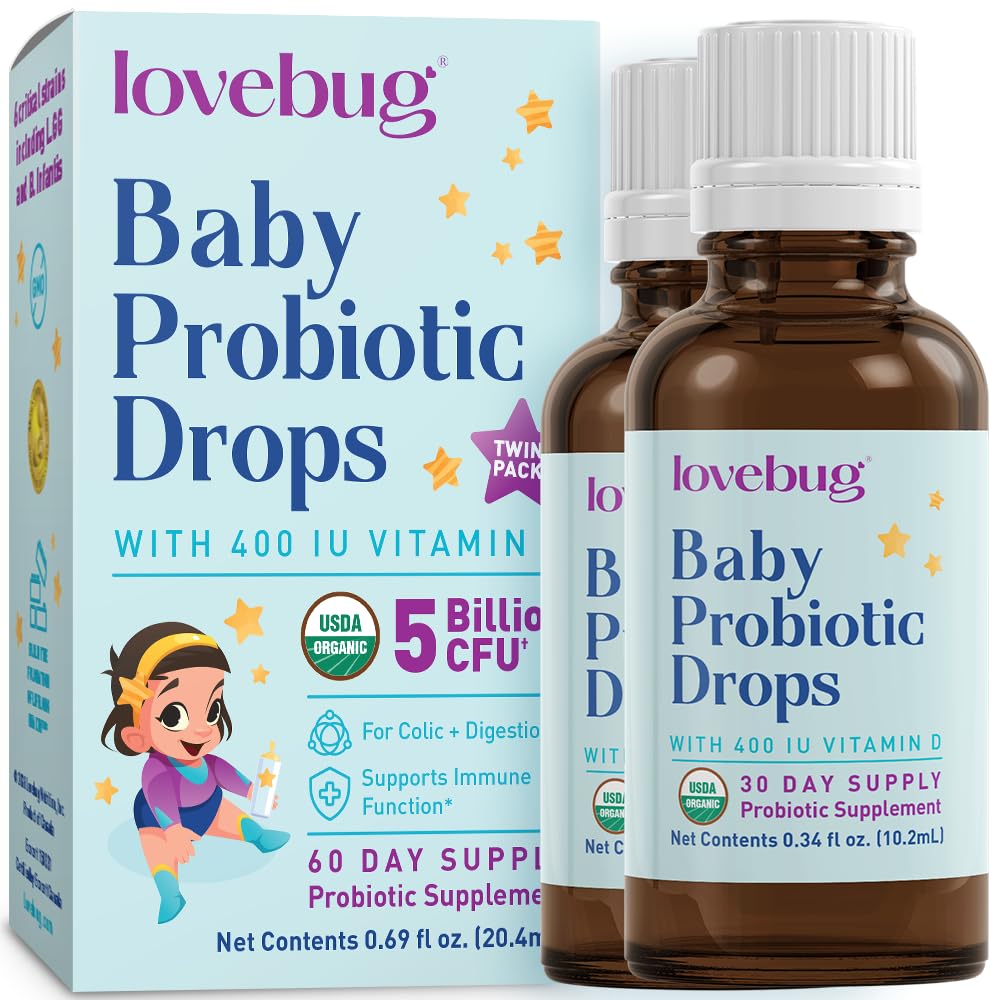
This is the only product in the group whose marketing explicitly lists diarrhea alongside colic, reflux, constipation, and gas, making it worth a direct conversation with a pediatrician before starting.
Pros
- USDA Organic certified with a six-strain, 5 billion CFU blend
- Sugar-free formula free of common allergens
- Includes strains studied for reflux and constipation support
Cons
- Some parents reported adverse reactions in reflux-prone or sensitive babies
- Higher CFU count may not suit every newborn’s tolerance
- Mentions of “diarrhea” on packaging should not be read as a treatment claim
A multi-strain, higher-CFU formula like this one introduces more bacterial diversity, but that also means more variables if a baby reacts poorly. One parent reported a negative reaction in an exclusively breastfed, reflux-prone infant. Any product referencing diarrhea support deserves a pediatrician’s review first, especially for a baby with an existing digestive condition.
Biostime Infant Probiotic & Prebiotic Powder
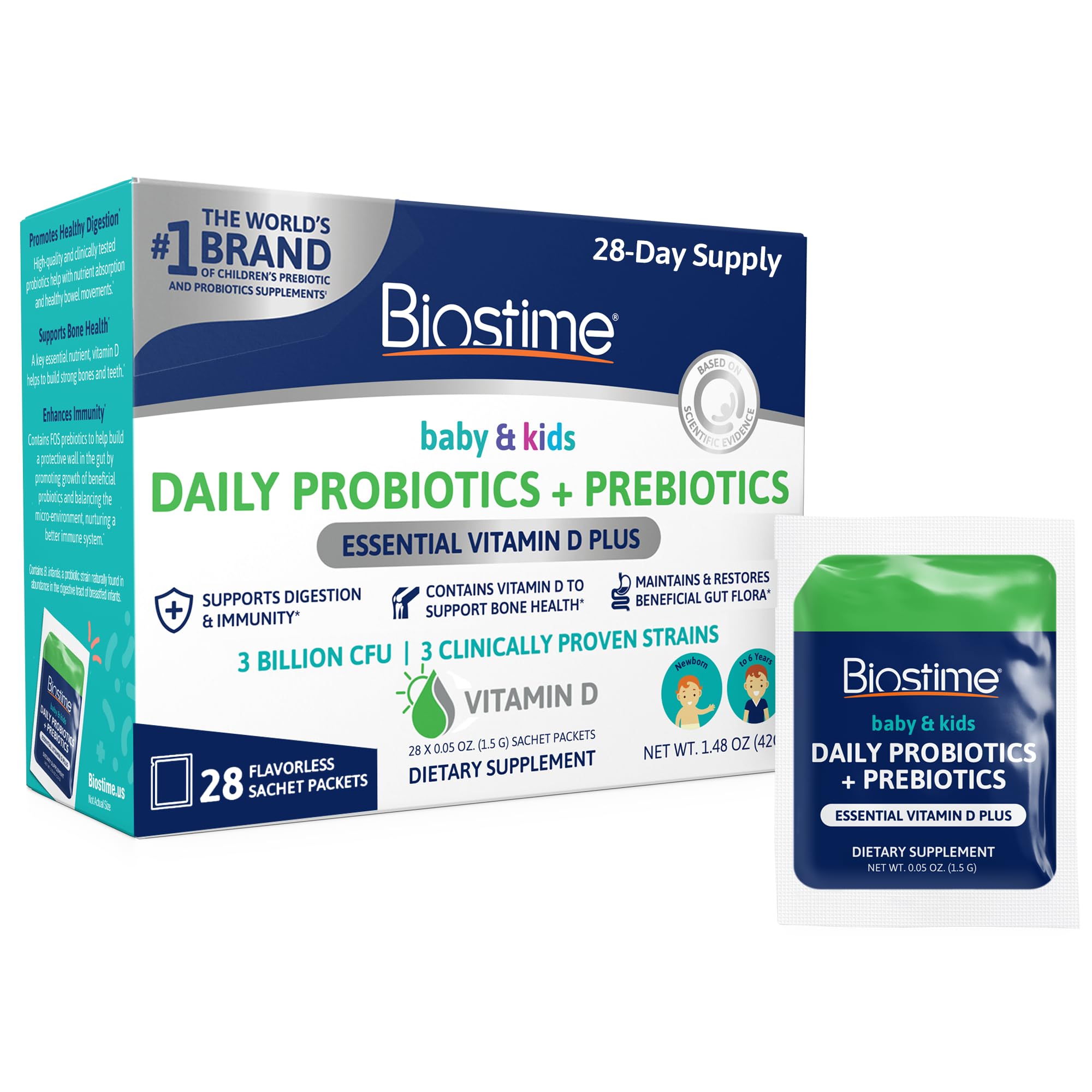
This powder format suits parents who prefer mixing a probiotic into food or formula rather than administering liquid drops.
Pros
- Combines three probiotic strains with a prebiotic (FOS) and vitamin D
- Flavorless powder mixes into breast milk, formula, cereal, or juice
- Room-temperature storage makes it travel-friendly
Cons
- Marketed mainly for constipation, not loose stools
- Smaller bottle count (28 packets) means more frequent reordering
- Powder format requires more prep steps than a ready dropper
Prebiotics are fibers that feed beneficial gut bacteria, working alongside the probiotic strains rather than replacing them. This combination format appeals to parents managing constipation, and several reviews describe firmer, more regular stools after use. It is not positioned as a response to diarrhea or watery stools.
Comfheat Flaxseed Heated Tummy Wrap

This microwavable flaxseed wrap gives parents a drug-free way to add gentle warmth for gas and colic discomfort, with no ingredients entering the baby’s body.
Pros
- No drops, powders, or oral ingredients involved
- Adjustable strap fits babies from newborn through age three
- Natural flaxseed retains heat and offers a light herbal scent
Cons
- Heat retention time is limited, according to some reviews
- Sizing can run large for very young newborns
- Requires supervision to avoid overheating fabric or skin
Because this wrap works through external warmth rather than ingested ingredients, it carries a different risk profile than probiotics or gripe water. Parents still need to test temperature before placing it on a baby’s skin and never leave a heated wrap unattended. It offers comfort during gassy or colicky stretches, not a remedy for diarrhea.
Frida Baby Gas + Colic Heating Pad

This reusable, click-to-activate warmer offers a fast, no-microwave way to apply gentle heat for tummy discomfort.
Pros
- Reusable heat packs activate instantly and recharge by boiling
- Lightweight and easy to carry for on-the-go use
- Hand band allows controlled, gentle compression
Cons
- Heat lasts only about 15 to 20 minutes per activation
- Several reviewers found the warmth too mild to feel through the pad
- Requires boiling to recharge, an extra step between uses
This pad’s appeal is convenience: no microwave, no oils, just a click to start. Reviews are mixed on how much warmth actually reaches the baby’s skin through the pouch. As an external comfort product, it carries no ingestion risk, but it is not a treatment for diarrhea or its causes.
Happi Tummi Heated Belly Wrap

This herbal aromatherapy wrap combines warmth and scent for colic and gas comfort, appealing to parents who want a multisensory calming tool.
Pros
- Combines gentle compression, warmth, and calming herbal aromatherapy
- Reusable pouch lasts for months as a baby grows
- HSA/FSA eligible for many families
Cons
- Herbal scent may not suit every household or baby’s sensitivity
- Several reviewers found limited or no effect on stubborn colic
- Not a substitute for medical evaluation of ongoing digestive symptoms
The herbal pouch inside this wrap is designed to release a calming scent alongside warmth, which some parents describe as soothing during bedtime fussiness. Results vary widely across reviews, with some describing meaningful sleep improvements and others noting little change. It addresses comfort during colic and gas episodes, not diarrhea treatment.
Buying Guide
Know What the Product Is Actually For
Newborn diarrhea has causes ranging from feeding changes to infection, and no drop, powder, or wrap on the market is designed to treat it directly. Products in this category target gas, colic, fussiness, or constipation. Read labels carefully and note when a brand mentions diarrhea only as one symptom among several general digestive claims, rather than as a specific benefit backed by evidence.
Oral Supplements vs. External Comfort Products
These two categories carry different safety considerations.
| Feature | Oral Probiotics/Gripe Water | Heating Wraps/Pads |
|---|---|---|
| Enters baby’s body | Yes | No |
| Main ingredients | Live bacterial strains, herbal extracts, sugars | Flaxseed, fabric, herbal sachets |
| Key safety check | Ingredient allergies, sugar content, strain source | Temperature control, fit, skin contact |
| Pediatrician input needed | Recommended before starting | Recommended for colic evaluation |
Understanding CFUs and Strains
CFU stands for colony-forming units, a measure of live bacteria in each dose. Higher CFU counts are not automatically better for every baby; some pediatricians prefer starting with a lower, single-strain dose to watch for tolerance before trying a multi-strain blend.
Checking Ingredients and Allergens
Look for clear labeling on dairy, soy, gluten, corn, and artificial additives. Babies with reflux, milk protein sensitivity, or other conditions may react differently to oils or sugars used as carriers in liquid drops.
Format and Ease of Use
- Liquid drops: Fast to administer with a dropper, often mixed into a bottle or given directly.
- Powders: Mix into food, formula, or breast milk; useful for babies already eating solids.
- Gripe water: Liquid herbal blend, typically given by spoon or syringe.
- Heating wraps: Worn or held against the belly; require temperature testing before contact with skin.
Storage and Shelf Life
Some probiotics need refrigeration after opening to keep bacteria alive; others are shelf-stable at room temperature. Check the expiration window listed on the bottle, since live-culture products lose potency over time even when unopened.
Questions to Ask a Pediatrician Before Use
- Is this ingredient appropriate for my baby’s age and weight?
- Could this interact with a current formula, medication, or feeding plan?
- How long should we try this before expecting a noticeable change?
- What symptoms would mean we should stop and call the office?
When to Seek Medical Care Instead of a Product
No product in this category replaces medical evaluation. Contact a pediatrician promptly if a newborn has diarrhea lasting more than 24 hours, fewer wet diapers than usual, blood or mucus in the stool, fever, vomiting, lethargy, or signs of dehydration such as a sunken soft spot or dry mouth. Oral rehydration solutions, prescribed by a doctor, are the standard response to fluid loss from diarrhea, not probiotics or gripe water.
