

Fewer wet diapers, poor feeding, dry mouth, and unusual sleepiness are among the most important signs newborn dehydration. If several signs appear together, call the pediatrician the same day; if the baby is very hard to wake or looks unwell, seek urgent care.
If your newborn is feeding less than usual, making fewer wet diapers, or seems unusually sleepy, dehydration can be a real concern. The most important signs newborn dehydration are low urine output, dry mouth, poor feeding, and behavior changes that don’t improve after a feeding attempt.
- Watch the pattern: A drop in wet diapers plus poor feeding is more concerning than one isolated.
- Act early: Newborn dehydration can worsen quickly, especially in the first weeks after birth.
- Know the red flags: Lethargy, weak cry, dry mouth, and a sunken soft spot need prompt attention.
- Don’t self-treat: Avoid giving water or electrolyte drinks unless a clinician specifically instructs you to.
Signs Newborn Dehydration: What Parents Should Watch for Right Away
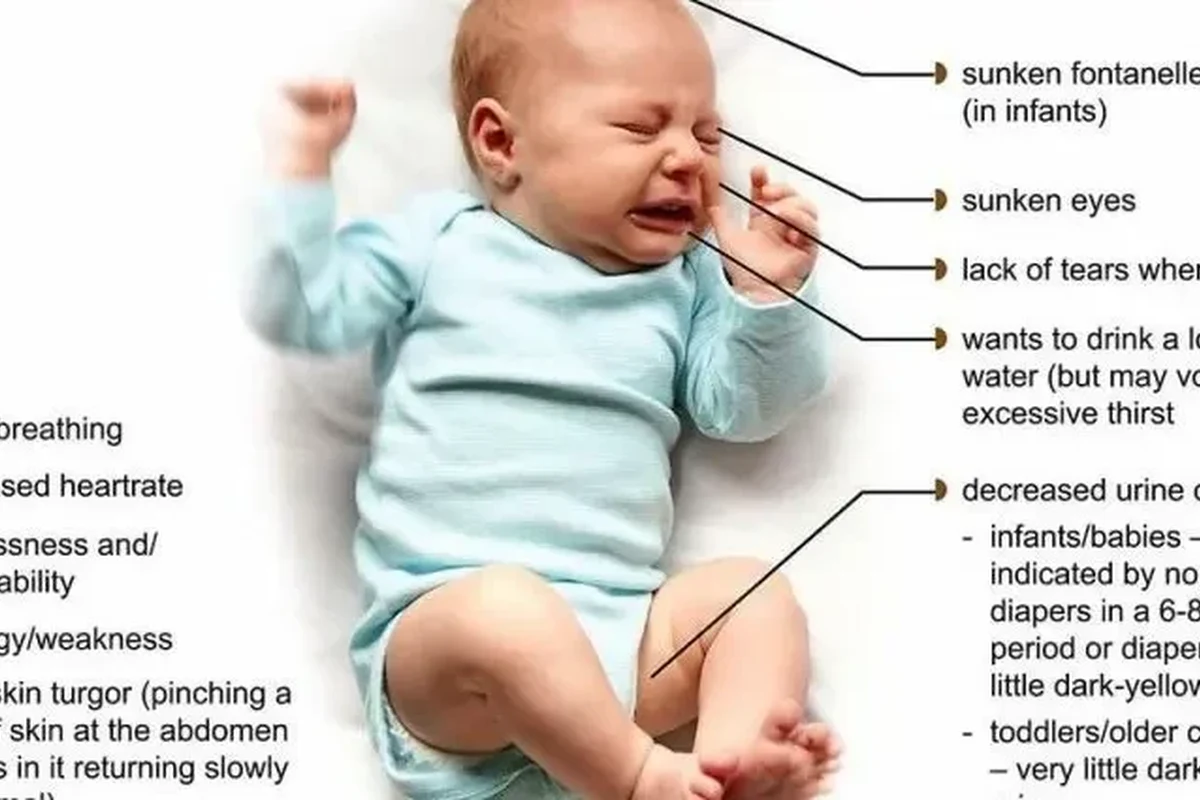
In the first days and weeks, dehydration can develop faster in newborns than many parents expect. The earliest clues are often subtle: fewer wet diapers, darker urine, weaker feeding, and a baby who is harder to wake or settle.
If your baby is very hard to wake, has a weak cry, is breathing differently, or has a sunken soft spot along with poor feeding, seek medical care promptly. Newborn dehydration can become serious quickly.
It helps to think in patterns, not one isolated moment. A single sleepy stretch may be normal, but a baby who repeatedly refuses feeds, has dry lips, or produces much less urine than expected needs closer attention.
What Newborn Dehydration Is and Why It Happens in the First Weeks
Dehydration means the body has lost more fluid than it is taking in. For newborns, that can happen when intake is too low, losses are too high, or both happen at the same time.
How newborn hydration needs differ from older babies
Newborns have tiny stomachs, limited fluid reserves, and immature kidneys. That means they can become dehydrated sooner than older infants if feeding is delayed, ineffective, or interrupted by illness.
They also cannot tell you they are thirsty in a reliable way. Instead, parents have to watch feeding behavior, diaper counts, and alertness.
Common causes: feeding challenges, illness, heat, and low intake
Many dehydration cases start with feeding problems such as shallow latch, low transfer of milk, sleepy feeds, or bottle-feeding that is not going smoothly. Illness with fever, vomiting, or diarrhea can also reduce fluid levels quickly.
Hot weather, overdressing, and long stretches without feeding can add extra risk. In some cases, the issue is simply that the baby is not taking in enough milk yet, especially during the first days after birth.
Breastfeeding concerns, formula preparation questions, and newborn illness should be discussed with a pediatrician, lactation consultant, or other qualified professional. The right response depends on age, feeding history, and overall condition.
Who Is Most at Risk: Age Range, Feeding Stage, and Health Factors
Any newborn can become dehydrated, but the risk is higher in the earliest days after birth and during feeding transitions. Babies who are premature, low birth weight, or recovering from a difficult start often need extra monitoring.
Breastfed newborns, formula-fed newborns, and mixed feeding
Breastfed newborns may be at higher risk when milk supply is still coming in or latch is inefficient. Formula-fed newborns can also become dehydrated if intake is too low, bottles are consistently refused, or formula is mixed incorrectly.
Mixed-fed babies are not automatically protected either. What matters most is whether the baby is actually getting enough fluid for their age and weight, which can vary from one day to the next.
Premature babies, low birth weight infants, and early postpartum challenges
Premature and low birth weight infants may have less reserve and may tire more easily during feeds. Early postpartum challenges, such as delayed milk production, jaundice, or maternal recovery issues, can also make feeding less effective.
Newborns often lose some weight after birth, but ongoing poor intake or continued weight loss can be a warning sign that needs professional evaluation.
The Key Warning Signs of Newborn Dehydration
The most useful signs are the ones that show a change from your baby’s normal feeding and diaper pattern. One sign alone may not prove dehydration, but several signs together raise concern.
Fewer wet diapers, dark urine, and concentrated output
One of the clearest clues is a drop in wet diapers. Urine may also look darker or more concentrated, and you may notice orange or brick-colored staining in the diaper area during the early days.
Watch for a diaper that stays dry much longer than usual or a pattern of only tiny amounts of urine. A steady decrease in output is more concerning than one off day.
Dry mouth, lethargy, weak cry, and poor feeding
A dry mouth or sticky lips can point to low fluid intake. Babies may also seem unusually tired, less interested in feeding, or too weak to nurse or take a bottle well.
A weak cry, reduced sucking, or falling asleep almost immediately at the breast or bottle can be early warning signs. If a baby cannot stay awake long enough to feed effectively, intake may be falling behind.
Sunken soft spot, no tears, and unusual sleepiness
A sunken soft spot, called the fontanelle, can be a more serious sign when it appears with poor feeding or low urine output. No tears when crying, especially after the first days of life, can also suggest dehydration.
Unusual sleepiness is concerning when the baby is difficult to wake for feeds or seems less responsive than normal. Compare the baby’s behavior with their usual pattern, not just with a single nap.
How to Judge Severity: Mild Concerns vs. Emergency Symptoms
Not every feeding issue is an emergency, but newborn dehydration should never be brushed off. The difference between “watch closely” and “get help now” often comes down to how the baby looks, acts, and feeds over time.
When to call the pediatrician the same day
Call the pediatrician the same day if your baby is feeding less than usual, has fewer wet diapers than expected, or seems more tired but still wakes for some feeds. The same-day call is also appropriate if you are unsure whether latch, milk transfer, or formula intake is adequate.
Parents should also call if the baby has vomiting, diarrhea, or a fever, because fluid loss can add up quickly. If you are tracking feeds and diapers and the numbers are trending down, don’t wait for the problem to “sort itself out.”
When to seek urgent or emergency care immediately
Seek urgent medical care right away if your newborn is very hard to wake, has a weak or absent cry, shows breathing changes, has a sunken fontanelle with poor feeding, or has very few or no wet diapers. Emergency care is also important if the baby cannot keep fluids down or appears limp, floppy, or unusually unresponsive.
When in doubt, treat a rapidly worsening newborn as urgent. Newborns can deteriorate quickly, and the safest choice is to get medical guidance early.
What Parents Should Do at Home While Monitoring Symptoms
While you are deciding whether to call, keep the baby warm, offer feeds as appropriate, and track what is happening. The goal is not to “wait and see” passively, but to gather useful information and avoid delays.
Track feeds, diaper counts, and behavior changes
Write down when the baby eats, how long they feed, and whether they seem satisfied afterward. Also note wet diapers, stool changes, and any signs like dry lips, fussiness, or unusual sleepiness.
- Keep a simple note on your phone with feed times and diaper counts.
- Pay attention to trends over 12 to 24 hours, not just one diaper.
- Bring your notes to the pediatrician if you call or go in.
Support feeding safely: latch help, bottle pacing, and temperature control
If breastfeeding, try a more alert feeding window, skin-to-skin contact, and help with latch if needed. If bottle-feeding, use paced feeding if recommended by your clinician and make sure the nipple flow is appropriate for a newborn.
Keep the baby comfortably dressed and avoid overheating. If the room is very warm, or the baby is overdressed, reduce extra layers so feeding is not made harder by discomfort.
Common mistakes to avoid, including waiting too long or overcorrecting
One common mistake is assuming a sleepy baby is simply “being a newborn” when intake is actually too low. Another is trying to self-treat with water, homemade remedies, or random supplements without medical advice.
- Track diapers and feeds closely.
- Call for help early if intake drops.
- Follow your clinician’s feeding guidance.
- Waiting until the baby seems extremely weak.
- Giving water or non-recommended fluids to a newborn.
- Assuming a single good feed solves the problem.
Prevention and Safe Care: Building a Simple Newborn Hydration Routine
The best prevention is steady feeding and close observation, especially during the first weeks. A simple routine makes it easier to spot changes before they become serious.
Feeding frequency, wake windows, and newborn care basics
Many newborns need to feed often, and some need to be awakened to eat in the early days. Follow your pediatrician’s advice about feeding frequency, especially if your baby was premature, jaundiced, or slow to regain birth weight.
Use short wake windows and watch for early hunger cues such as rooting, lip smacking, and hand-to-mouth movements. If the baby is too sleepy to feed well, that is information worth sharing with a clinician.
For 2026, many pediatric offices encourage parents to bring feed-and-diaper logs to early newborn visits because the pattern is often more useful than a single snapshot.
Safe use notes for supplements, oral rehydration, and when not to self-treat
Do not give a newborn oral rehydration solution, water, or electrolyte drinks unless a qualified clinician specifically tells you to do so. Newborns have very specific fluid needs, and the wrong fluid can cause more harm than help.
If a supplement is recommended, use only the product and amount your clinician advises. Manufacturer directions matter, but medical guidance matters more when the baby is sick or not feeding normally.
If your baby’s feeding plan changes, confirm the instructions with your pediatrician or lactation professional before making major adjustments at home.
When Professional Help Is Needed and What to Expect Next
Professional evaluation is the right next step when signs suggest the baby is not getting enough fluid. The visit is usually focused on feeding, hydration status, and the reason intake may be low.
Evaluation steps, possible causes, and follow-up care
A clinician may ask about feeds, diaper counts, weight trends, vomiting, stooling, and any fever or illness. They may also check the baby’s weight, exam findings, and whether the issue looks like feeding technique, low milk transfer, illness, or another cause.
Follow-up care may include a feeding plan, lactation support, formula guidance, or closer weight checks. In some cases, the baby may need urgent treatment depending on severity and overall condition.
Official guidance from the AAP, CPSC, and your local health authority can help you decide when a symptom is urgent, but they do not replace a clinician’s assessment for a sick newborn.
Final recommendation: when reassurance is enough and when action is urgent
Reassurance is more reasonable when your newborn is feeding well, has a normal diaper pattern for their age, and is alert in a way that matches their usual behavior. Action is urgent when low intake is paired with fewer wet diapers, dry mouth, lethargy, weak crying, or a sunken soft spot.
For parents searching “signs newborn dehydration,” the safest rule is simple: if you are noticing several warning signs together, call the pediatrician the same day; if the baby is hard to wake or looks unwell, seek urgent care immediately.
Common Questions
Fewer wet diapers is one of the most reliable early signs. It matters even more when it happens with poor feeding or unusual sleepiness.
Yes. Sleepiness can be normal, but if the baby is hard to wake for feeds or seems weaker than usual, dehydration is a concern.
Not if the baby is feeding poorly or has fewer wet diapers. Call the pediatrician the same day if you are worried.
Not always, but it is a warning sign when it appears with other symptoms. Look at the whole picture, not just one sign.
Track feeds, diaper counts, and behavior changes. That information helps a clinician judge whether the baby needs to be seen.
Frequently Asked Questions
The earliest signs often include fewer wet diapers, darker urine, poor feeding, and a baby who seems less alert than usual. Dry lips or a dry mouth can also be a warning sign.
Track feeding frequency, diaper output, and your baby’s behavior after feeds. If the baby is consistently sleepy at the breast or bottle, or output is dropping, ask a pediatrician for help.
Call the same day if your newborn is feeding less, has fewer wet diapers, or seems more tired than normal. If symptoms are worsening, do not wait for the next routine checkup.
It is urgent if the baby is very hard to wake, has a weak cry, has a sunken soft spot, or has very few or no wet diapers. Breathing changes, limpness, or marked unresponsiveness need immediate care.
No, not unless a qualified clinician specifically tells you to do so. Newborns need age-appropriate feeding guidance, and the wrong fluid can be unsafe.
Write down feed times, how well the baby feeds, wet diapers, stool changes, and any behavior changes. A simple log can help your pediatrician assess the situation quickly.