

Many babies resist baths because of temperature, fear of water, or a sudden routine change.
I’ve worked with parents and studied infant behavior for years, so I know why baby hates bath and how to help. This guide explains clear reasons, practical fixes, and safety tips. Read on to understand why baby hates bath and turn tense tub time into calm care.
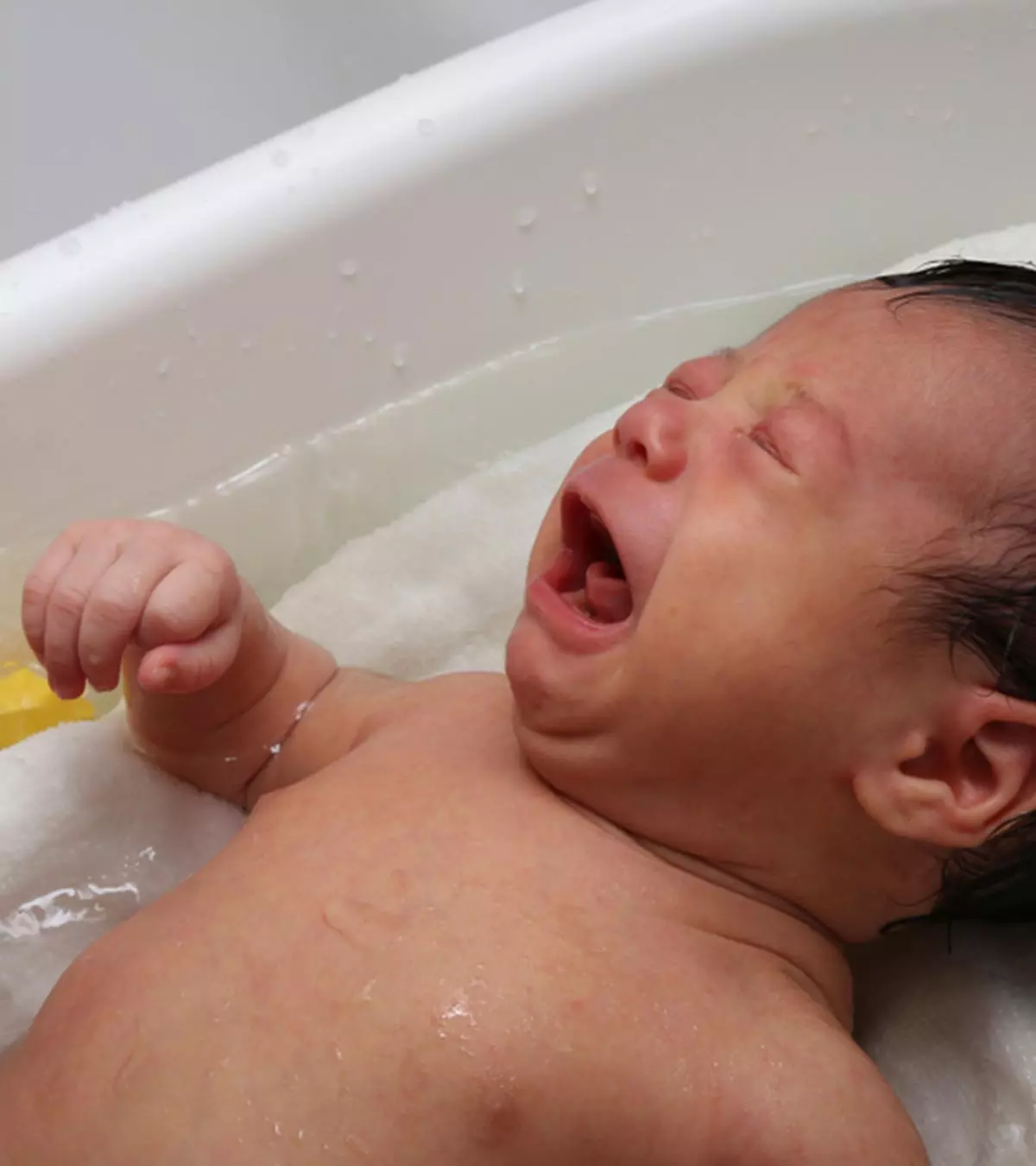
Common reasons babies hate bath
Babies feel many new things in a bath. Warm water, slippery skin, and bright lights can all feel strange. Some babies react to any sudden change. When you ask why baby hates bath, the answer often links to comfort and control.
Most infants do not yet understand the frame of a bath. They may think they are falling or being left alone. Over time they learn the routine and relax more. Patience and practice help most babies accept baths.

How to tell why your baby dislikes bathing
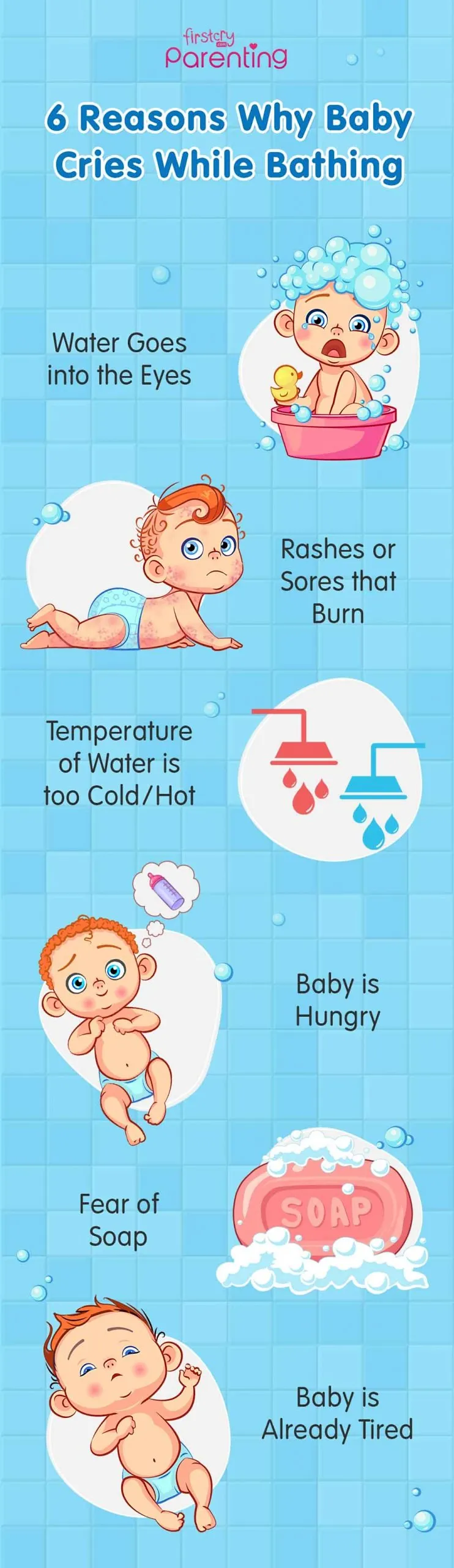
Watch your baby’s cues. Crying, tensing up, or turning the head away are clear signs. If the fuss starts the moment water is poured, temperature or sound may be the problem. If it begins when undressing, the baby may dislike cold air.
Look for medical or skin issues too. Redness, eczema, or recent illness can make baths painful. If you fear a medical cause, consult a pediatrician. Tracking reactions by time-of-day can reveal patterns tied to tiredness or hunger.
People also ask
Why does my baby cry only during bath?
Babies cry during bath if they feel cold, startled, or uncomfortable. Check water temperature, noise, and the way you hold them.
Could it be a skin problem causing bath fear?
Yes. Eczema, dry skin, or diaper rash can make water or soap hurt. Use gentle products and consult a pediatrician if the skin looks inflamed.
When should I worry about my baby’s reaction to bath?
Worry if the baby is inconsolable, if there is fever, rash, or if feeding and sleeping are affected. Seek medical advice for severe or lasting issues.
Practical tips to make bath time better
Small changes can help. Try one change at a time. This makes it easier to see what works.
- Keep water warm and stable. Use a bath thermometer or test with your wrist. Aim for about 98 to 100°F (37–38°C).
- Limit drafts and keep the room warm. Run hot water in the sink before undressing to warm the air.
- Make a calm routine. Same time, soft voice, and a familiar towel help babies predict the bath.
- Use minimal soap. Use mild, fragrance-free cleansers and rinse quickly. Too much soap dries skin and may sting.
- Start with sponge baths. If full baths scare your baby, sponge with warm cloths to build trust.
- Use reassuring touch. Keep one hand on the baby while washing to provide steady pressure and security.
- Sing or talk softly. Your voice can reduce stress and create positive associations.
From my experience, the first two weeks after a shower change are the hardest. I once advised a mom to switch to evening baths and add a soft song. The baby settled after three tries. Small wins add up.

Bath toys, tools, and timing that help
Toys and tools can distract and soothe. But choose carefully.
- Pick soft, easy-to-clean toys. Rigid toys that splash can scare some babies.
- Use a non-slip mat or a baby bath seat for stability. Babies relax when they feel secure.
- Keep bathing short. Newborn baths can be two to five minutes. Older babies can handle more time as they adjust.
- Time baths after a nap and not right before feeding. A calm, fed baby tolerates new sensations better.
Avoid hot, bright lights directly above the tub. Soft lighting and gentle music create a spa-like vibe. Swaddling with a towel until the last moment keeps warmth consistent.

Safety, products, and medical concerns
Safety builds trust. When parents feel safe, babies feel safer.
- Check water temperature every time. Baths too hot or too cool upset babies.
- Use pediatric-safe bath products. Look for tear-free labels and hypoallergenic formulas.
- Watch for skin issues. If skin flakes, shows cracks, or looks inflamed, stop irritating products and see a doctor.
- Never leave a baby unattended. Even a small amount of water is a risk.
- If the baby gags or shows breathing trouble with water near the face, practice slow, gentle exposure and consult a pediatrician.
If your baby shows extreme aversion or physical pain during baths, bring this up with a pediatrician. There may be ear, skin, or neurological reasons that need evaluation.

Personal lessons and mistakes to avoid
I’ve seen parents try many fixes. Here are simple lessons from real cases.
- Mistake to avoid: rushing bath time to end crying fast. Rushing can worsen fear.
- Mistake to avoid: changing many things at once. If you add a new soap, toy, and time all at once, you won’t know which change helped.
- What worked: introducing warm sponge wipes first. This eased one child into full baths.
- What worked: a parent kept a calm tone and slow movements. The baby began to mimic that calm over weeks.
Be patient. Consistency matters more than perfection. Track small wins and adjust gently.

When to seek professional help
Most babies outgrow bath aversion with patience. Seek help if problems persist.
- If the baby has persistent skin pain, bleeding, or severe rash, see a pediatrician.
- If the baby reacts with blue lips, difficulty breathing, or extreme panic, seek urgent care.
- If behavior does not improve after consistent, gentle trials, ask for help from a pediatric therapist or doctor.
Professional advice can rule out medical or sensory processing issues. Early help makes it easier to fix bathing problems.

Frequently Asked Questions of why baby hates bath
Why does my newborn hate bath time?
Newborns face new sensations like cool air and water on the skin. Keep baths short, warm, and predictable to help them adjust.
Can bath products cause a baby to hate bathing?
Yes. Harsh soaps or scented products can irritate skin or sting eyes, leading to fear. Switch to mild, pediatric-safe cleansers.
How can I make my baby enjoy bathing?
Create a calm routine, keep water warm, and use soothing touch and soft voices. Pick one gentle change at a time and be consistent.
Is it normal for a baby to hate baths for months?
Yes. Some babies take weeks or months to accept baths. Regular gentle exposure and comforting routines help most infants.
Should I force my baby to take a bath if they cry?
No. Forcing can increase fear. Try sponge baths, shorter sessions, or changing timing until the baby relaxes.
Conclusion
Understanding why baby hates bath helps you respond with calm and practical steps. Look for temperature, sensory, routine, and skin clues. Try one gentle change at a time and keep safety first. With patience and small wins, bath time can become a calm, caring routine.
Try one tip this week and watch for small improvements. Share your experience or questions below and subscribe for more parent-tested tips.