

These are the best baby carriers for 6-month-old babies who need comfort, support, airflow, and safe daily movement.
At six months, your baby may want to look around, reach for you, and still nap on the go. A good carrier can make walks, travel, shopping, and home tasks much easier. The hard part is choosing between a structured carrier, a hip seat, and a sling. I reviewed the listed designs for fit, carry options, baby support, parent comfort, fabric, weight range, and daily value. Always check the manual, confirm your baby meets the stated age and weight limits, and follow safe babywearing guidance before use.
See the differences between my top picks at a glance.
| Carrier | Best for | Carry style | Listed weight | Key feature | Shop |
|---|---|---|---|---|---|
| MOMTORY 6-in-1 | Versatile use | Front, back, hip seat | 7–50 lb | Six positions | View on Amazon |
| Sanilinwild Sling | Short outings | Sling and hip seat | 6M+ | Cotton, washable | View on Amazon |
| Toddler Cotton Sling | Light travel | Shoulder hip seat | 10–30 lb | Simple design | View on Amazon |
| Grownsy 3D Knit | Warm-weather use | Carrier with hip seat | 7–50 lb | Breathable knit | View on Amazon |
| Momcozy Hip Seat | Long walks | Hip seat and hands-free | 7–44 lb | Detachable design | View on Amazon |
| Cotton 3-Position Carrier | Soft daily wear | Front carry | 7–40 lb | Double-sided cotton | View on Amazon |
| Biabyio Sling | Quick errands | Half-wrap sling | 10–30 lb | Adjustable strap | View on Amazon |
| MOMTORY StowNGO Pro | Storage and travel | Front and back | 7–50 lb | Built-in storage | View on Amazon |
| Ergobaby Upsie Sling | Older babies | Two-position front | 17–45 lb | Front pocket | View on Amazon |
MOMTORY 6-in-1 Baby Carrier

The MOMTORY 6-in-1 is the most flexible option in this group. Its listed range runs from 7 to 50 pounds, and the design offers six carry positions. The hip seat can help spread a larger baby’s weight across the parent’s waist instead of placing all the load on the shoulders. That can matter when a six-month-old wants frequent up-and-down breaks.
I also like the plus-size-friendly focus and the all-season design. The many adjustments may take more time to learn than a simple sling, so I would practice at home first. Check that your baby sits upright, the airways stay clear, and the hips remain supported before walking.
Pros:
- Six carry positions for changing needs
- Wide listed range from 7 to 50 pounds
- Hip seat can reduce shoulder strain
- Designed for newborn-to-toddler use
- Plus-size-friendly fit
- Useful for short carries and longer outings
Cons:
- More straps may mean a longer setup
- Hip-seat designs can feel bulky when sitting
- Parents must check each position for a correct fit
What Amazon Buyers Are Saying
Amazon buyers commonly look for comfort, adjustment range, and the value of several carry modes in one carrier. Reviews for products in this style may also mention a learning curve, bulk at the waist, or fit differences between body types. I recommend reading the newest customer comments for your preferred size and checking user photos before ordering.
My Recommendation
This is my best overall pick for parents who want one carrier that can grow with the child. It is worth considering when you value options more than the fastest setup.
| Category | Rating |
|---|---|
| Versatility | 4.7/5 |
| Weight support | 4.5/5 |
| Fit options | 4.4/5 |
| Everyday value | 4.5/5 |
| Overall Rating | 4.6/5 |
Sanilinwild Baby Sling Carrier

The Sanilinwild sling is aimed at babies six months and older. It combines a sling-style carrier with an adjustable toddler hip seat. The pure cotton fabric is a practical choice for parents who want a light material for daily use. Its machine-washable design may also help with the spills and mess that come with baby care.
This carrier looks best suited to short walks, quick shopping trips, and travel days when a full structured carrier feels like too much. A sling needs careful positioning, especially when the baby moves or leans. I would use it only after checking the instructions and making sure the baby’s face stays visible.
Pros:
- Listed for babies six months and older
- Lightweight style for quick trips
- Pure cotton material
- Machine-washable design
- Adjustable fit for different caregivers
- Hip-seat support can aid quick carries
Cons:
- Less suitable for long hands-free walks
- Sling setup needs careful practice
- May offer less structure than a full carrier
What Amazon Buyers Are Saying
Shoppers who choose a cotton sling often focus on low weight, easy cleaning, and comfort during short use. The most useful review details to check include whether the strap stays in place, how easy it is to adjust, and whether the seat feels stable. Fit can vary, so I would give extra weight to reviews from caregivers with a similar build.
My Recommendation
I recommend this model for parents who want a simple, washable carrier for brief outings. It is a good value if you prefer a light sling and do not need many carry positions.
| Category | Rating |
|---|---|
| Portability | 4.5/5 |
| Cleanability | 4.5/5 |
| Adjustment | 4.1/5 |
| Short-trip value | 4.3/5 |
| Overall Rating | 4.3/5 |
Lightweight Cotton Toddler Sling

This beige cotton sling is listed for toddlers from six to 36 months and a weight range of 10 to 30 pounds. Its simple shoulder-carrier format should appeal to parents who want something small for shopping, travel, and daily errands. The hip-seat shape can give a curious six-month-old a better view than a tightly wrapped position.
The compact design is its main strength. It should pack more easily than a multi-position carrier, but the trade-off is less support for long periods. I would treat it as an on-and-off carrier rather than a replacement for a supportive hands-free pack on a full-day outing.
Pros:
- Listed for six to 36 months
- Light cotton design
- Useful for shopping and travel
- Simple format with less hardware
- Hip-seat style supports quick repositioning
- Weight range suits many older babies
Cons:
- 30-pound listed limit is lower than some picks
- Shoulder support may be limited on long walks
- Not the best choice for parents seeking many positions
What Amazon Buyers Are Saying
Reviews for compact toddler slings often center on convenience and whether the product works for short trips. Buyers may also discuss shoulder pressure, baby movement, and how well the carrier fits different waist or chest sizes. Read recent feedback closely because a light carrier can feel very different during a five-minute errand than during an hour-long walk.
My Recommendation
This is a sensible choice for quick carries and travel backup. I would buy it when compact size matters more than maximum support or extended hands-free use.
| Category | Rating |
|---|---|
| Compact design | 4.5/5 |
| Daily errands | 4.3/5 |
| Long-walk comfort | 3.8/5 |
| Value | 4.2/5 |
| Overall Rating | 4.2/5 |
Grownsy 3D Knit Baby Carrier

The Grownsy 3D Knit carrier focuses on airflow and a flexible fit. Its listed range is 7 to 50 pounds, so it can suit a six-month-old and remain useful through the toddler stage. The hip seat adds another way to carry a heavier baby while reducing the feeling that the child is pulling away from the parent.
The breathable knit design makes this one worth a close look for warm climates or active parents. Still, breathability does not remove the need to check the baby’s face, neck, and posture often. I would adjust the carrier while standing near a safe surface and test it indoors before outdoor use.
Pros:
- Ultra-breathable 3D knit design
- Listed range from 7 to 50 pounds
- Flexible fit for several body types
- Hip seat adds weight distribution
- Lightweight feel for daily wear
- Newborn-to-toddler design
Cons:
- Flexible fabric may require careful adjustment
- Hip seat can add bulk around the waist
- Parents in cool climates may prefer more coverage
What Amazon Buyers Are Saying
Customers comparing breathable carriers usually pay attention to heat, fabric feel, and ease of adjustment. Some may prefer the flexible knit, while others may want firmer structure for a more active child. Check current buyer images and comments for details about strap length, waist comfort, and how the fabric performs in your climate.
My Recommendation
I recommend the Grownsy for warm-weather use and parents who want a broad weight range. It offers a strong balance of airflow, flexibility, and long-term use.
| Category | Rating |
|---|---|
| Airflow | 4.7/5 |
| Weight range | 4.6/5 |
| Fit flexibility | 4.4/5 |
| All-season value | 4.3/5 |
| Overall Rating | 4.5/5 |
Momcozy 2-in-1 Hip Seat Carrier

The Momcozy carrier uses a 2-in-1 layout with a detachable hands-free carrier and a hip seat. It is listed for babies from 7 to 44 pounds and fits waist sizes up to 45 inches. That makes it a useful middle choice for parents who want support during long walks but also want the option to carry the baby on the hip.
The forward-facing feature may appeal to alert babies who want to see the world. However, forward-facing carry needs extra care because the baby must have strong head and neck control and must not be worn that way when sleepy. I would follow the manual closely and switch to a supported position when the baby needs rest.
Pros:
- Detachable 2-in-1 design
- Listed 7-to-44-pound range
- Useful for forward-facing carry when suitable
- Hip seat supports quick up-and-down use
- Fits waists up to 45 inches
- Practical for walks and travel
Cons:
- Forward-facing carry is not right for every baby
- Detachable parts may add setup steps
- Some parents may find the seat bulky while sitting
What Amazon Buyers Are Saying
Buyers who choose this type of carrier often value the ability to switch between hands-free wear and a hip seat. Common review topics include waist comfort, ease of detaching the carrier, and whether the baby enjoys the viewing position. I suggest checking the latest reviews for your baby’s size and your planned walk length.
My Recommendation
This is a strong pick for parents who want one product for walks, quick holds, and changing baby preferences. It is worth buying if you will use both parts of the 2-in-1 design.
| Category | Rating |
|---|---|
| Two-in-one use | 4.6/5 |
| Walking comfort | 4.4/5 |
| Fit range | 4.3/5 |
| Practical value | 4.5/5 |
| Overall Rating | 4.5/5 |
Soft Cotton 3-Position Baby Carrier

This cotton carrier offers three carry positions and a listed weight range of 7 to 40 pounds. Its double-sided design gives parents some flexibility when matching clothing or changing the look. The soft cotton focus may suit caregivers who dislike slick or highly technical fabric.
Three positions keep the learning curve lower than a six-position carrier. That can help a new babywearing parent get started faster. I would still confirm that the position fits a six-month-old’s current head, torso, and hip needs rather than choosing a position only for convenience.
Pros:
- Soft cotton construction
- Three carry positions
- Listed 7-to-40-pound range
- Double-sided design
- Lightweight everyday format
- Suitable for newborn-to-toddler use according to the listing
Cons:
- Fewer positions than the multi-mode picks
- 40-pound limit is below some competitors
- Cotton may feel warm in hot weather
What Amazon Buyers Are Saying
Shoppers who prefer cotton carriers often discuss softness, ease of wear, and how the fabric feels against clothing. Reviewers may also compare the simple three-position layout with more complex models. I would look for current feedback on waist adjustment, shoulder comfort, and washing results before making a final choice.
My Recommendation
This is a good pick for parents who want a soft, simple carrier without many extra parts. It offers fair value for everyday front-carry use and moderate walks.
| Category | Rating |
|---|---|
| Fabric comfort | 4.5/5 |
| Ease of use | 4.4/5 |
| Carry choice | 4.1/5 |
| Value | 4.3/5 |
| Overall Rating | 4.3/5 |
Biabyio Adjustable Baby Sling

The Biabyio sling uses an adjustable strap and a half-wrapped, non-slip hip-carrier design. It is listed for babies from 10 to 30 pounds. This gives it a clear role for parents who want a quick support option for an older baby rather than a full newborn carrier.
The black fabric should be easy to pair with daily clothing, and the compact format may suit errands. Sling carriers need active attention because babies can shift as they reach and twist. I recommend using both hands during setup and checking the baby’s position each time you put the carrier on.
Pros:
- Adjustable strap
- Non-slip hip-carrier design
- Light format for short outings
- Listed 10-to-30-pound range
- Easy to pack for travel
- Useful for babies who want a better view
Cons:
- Not listed for babies below 10 pounds
- Less suitable for long hands-free use
- May require frequent adjustment as the baby moves
What Amazon Buyers Are Saying
Review themes for adjustable slings usually include quick setup, compact storage, and whether the non-slip surface helps the carrier stay in place. Buyers may also mention shoulder pressure or a limited fit for certain body shapes. Read current reviews with attention to real use time, not only how the sling feels during a brief test.
My Recommendation
I recommend this sling for quick errands and backup use. It is not my first choice for long walks, but it can be practical when you need a small carrier that goes on fast.
| Category | Rating |
|---|---|
| Quick use | 4.3/5 |
| Portability | 4.5/5 |
| Stability | 4.0/5 |
| Errand value | 4.2/5 |
| Overall Rating | 4.2/5 |
MOMTORY StowNGO Pro Carrier
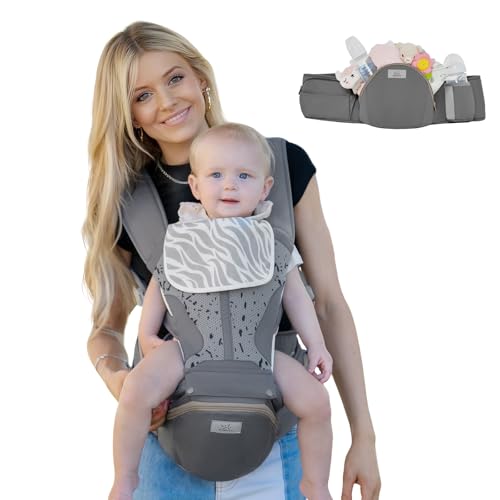
The MOMTORY StowNGO Pro adds storage to a safety-certified carrier design. It is listed for 7 to 50 pounds and offers six carry positions, including front and back carry. The storage feature may reduce the need for a separate small bag during walks, though I would keep the load light.
This model suits parents who want a full-featured travel carrier. Front and back options can help spread use across different stages, while the hip seat can support a growing child. More features also mean more parts to inspect, so I would take time to learn every buckle and adjustment before carrying outdoors.
Pros:
- Six carry positions
- Front and back carry options
- Built-in storage for small essentials
- Listed 7-to-50-pound range
- Hip-seat support
- Plus-size-friendly design
Cons:
- Storage can add weight when filled
- Several features may increase setup time
- Large design may feel less convenient for quick trips
What Amazon Buyers Are Saying
People shopping for a storage carrier often care about pocket access, carry comfort, and whether the extra compartments stay useful without making the carrier heavy. Reviews may also compare the StowNGO Pro with smaller slings. I suggest checking recent comments about zipper access, waist fit, and comfort during the length of walk you normally take.
My Recommendation
This is one of my strongest picks for travel and longer outings. It is worth buying when storage and several carry modes matter more than having the smallest possible carrier.
| Category | Rating |
|---|---|
| Storage | 4.7/5 |
| Carry versatility | 4.7/5 |
| Travel usefulness | 4.6/5 |
| Ease of packing | 4.2/5 |
| Overall Rating | 4.6/5 |
Ergobaby Upsie Sling Carrier

The Ergobaby Upsie Sling is listed for babies and toddlers from six to 48 months, with a weight range of 17 to 45 pounds. That minimum matters: a six-month-old must meet the listed weight and developmental needs before use. The two-position design keeps the carrier simpler, and the front storage pocket adds room for small items.
The hip-healthy positioning focus may appeal to parents who want a sling from a known baby-carrier brand. This model is aimed at heavier babies than several other picks, so it may work best as your child grows. I would not choose it for a baby under the stated 17-pound minimum, even if the baby has reached six months.
Pros:
- Listed for six to 48 months
- Two-position design is simple to learn
- Hip-healthy positioning focus
- Front storage pocket
- 45-pound listed upper limit
- Natural beige color suits daily wear
Cons:
- 17-pound minimum excludes some six-month-olds
- Only two listed carry positions
- May be less suitable for long hands-free use
What Amazon Buyers Are Saying
Buyers considering this sling often focus on brand confidence, pocket usefulness, and how well the carrier supports a larger baby. The main point to verify in current reviews is fit at the lower weight limit. I also recommend checking whether the shoulder style suits your body before choosing it for daily walks.
My Recommendation
This is a strong choice for a heavier six-month-old or a growing toddler. It is not the best universal pick because of the 17-pound minimum, but it may be a comfortable and simple option for the right child.
| Category | Rating |
|---|---|
| Older-baby fit | 4.6/5 |
| Simplicity | 4.4/5 |
| Pocket utility | 4.2/5 |
| Weight suitability | 4.0/5 |
| Overall Rating | 4.3/5 |
How to Choose the Best Baby Carrier for a 6-Month-Old
Choosing among the 10 best baby carrier for 6 month old options starts with your baby’s size and your daily routine. A carrier that works for a short grocery trip may not work for a two-hour walk. Use the points below to narrow the list.
1. Match the Carrier to Your Baby’s Development
Age alone does not decide whether a carrier fits. Check the listed minimum weight, maximum weight, and age range. A six-month-old may have good head control, but every baby develops at a different pace. The carrier should keep the baby upright, close enough to kiss, and able to breathe freely.
Look for a seat that supports the baby without forcing the legs into a narrow, dangling position. Follow the product manual for facing-in and facing-out use. Do not use a forward-facing position for sleep, and switch positions if the baby slumps or seems uncomfortable.
2. Choose the Right Support for Your Main Activity
Structured carriers with waist belts, padded straps, and hip seats usually suit longer walks. They spread the load better than a small sling. A sling can work well for short trips, quick holds, and travel because it takes little space and goes on fast.
Consider how often your baby wants to be picked up. A detachable hip seat can be useful when your child wants to explore, then return to your arms. If you want both hands free, choose a design that gives firm torso support and adjust it before leaving home.
3. Compare Fit, Fabric, Safety, and Long-Term Value
A good fit matters more than a long feature list. Check the waist range, shoulder adjustment, buckle placement, and whether another caregiver can use the carrier. Breathable mesh or knit can help in warm weather, while cotton may feel soft but warmer.
Inspect each carrier before use. Look at seams, buckles, straps, and the baby seat. Read the latest instructions and product notices. The best baby carrier for 6 month old babies is the one that fits the baby, fits the caregiver, and feels stable during the tasks you do most.
Final Verdict: Which Should You Buy?
For most families, I would choose the MOMTORY 6-in-1 for its broad range and six carry positions. The Grownsy is better for airflow, while the MOMTORY StowNGO Pro wins for storage and travel.
These 10 best baby carrier for 6 month old picks cover slings, hip seats, and structured carriers. Check the weight limits and safety instructions before ordering.
FAQs Of 10 best baby carrier for 6 month old
Can a 6-month-old use a baby carrier?
Yes, many six-month-olds can use a carrier when they meet its age, weight, and developmental requirements. Check the manual and keep the baby’s face visible and airway clear.
What is the best type of carrier for a 6-month-old?
A structured carrier with a supportive seat suits long walks. A sling or hip seat may work better for short errands and frequent up-and-down use.
Can a 6-month-old face forward in a baby carrier?
Only if the carrier allows it and the baby has strong head and neck control. Follow the manual, avoid forward-facing sleep, and turn the baby inward when tired.
How long can a 6-month-old stay in a baby carrier?
There is no single time limit for every baby. Take regular breaks, change position, and remove the baby if you notice slumping, breathing trouble, heat, or discomfort.
How do I know if a baby carrier fits correctly?
The baby should sit upright with clear airways, visible face, supported legs, and a snug but comfortable fit. The caregiver should not feel sharp pressure or loose movement.
