

The best baby carriers for back support balance lumbar comfort, hip positioning, secure fit, and easy daily use.
A long walk can feel much harder when a carrier pulls your shoulders down or lets your baby hang away from your body. The right baby carrier spreads weight across your waist, hips, and shoulders. It can also keep your baby close in a healthy position. I reviewed the listed carriers for lumbar support, hip-seat design, adjustability, carry options, weight range, fabric, and value. I also checked how each style may suit newborn care, toddler walks, travel, and daily chores. Always follow the product manual and your baby’s age, size, and development needs.
See the differences between my top picks at a glance.
| Carrier | Best for | Weight range | Back-support feature | Carry style | Buy |
|---|---|---|---|---|---|
| MOMTORY 6-in-1 | All-around use | 7–50 lb | Hipseat and waist support | Front, back, hip | View on Amazon |
| Momcozy Hip Seat | Long walks | 7–44 lb | Structured hip seat | Forward-facing and hands-free | View on Amazon |
| Cotton Infant Carrier | Light comfort | 7–40 lb | Ergonomic support panel | Three positions | View on Amazon |
| Grownsy 3D Knit | Breathable fit | 7–50 lb | Hipseat and adjustable fit | Multiple positions | View on Amazon |
| MISSWISDOM Sling | Older babies | 8–40 lb | Backrest and hip support | Hip and sling carry | View on Amazon |
| Cotton Double-Sided | Simple daily use | 7–40 lb | Wide support panel | Three positions | View on Amazon |
| MISSWISDOM Newborn Wrap | Newborn support | 8–30 lb | Enhanced lumbar panel | Wrap carry | View on Amazon |
| BabbleRoo 6-in-1 | Growing babies | 7–50 lb | Lumbar support and hip seat | Front, back, hip | View on Amazon |
| 4-in-1 Hip Seat | Flexible carrying | 0–36 months* | Ergonomic M-position seat | Front, hip | View on Amazon |
*Always confirm the current manual for exact age, weight, and position limits before use.
MOMTORY 6-in-1 Baby Carrier

The MOMTORY 6-in-1 is the most complete choice in this group. Its hip-seat design gives the baby a broad sitting base and helps move some weight toward the wearer’s waist. The listed range is 7 to 50 pounds, so it can cover many stages from early infancy to toddler walks. The plus-size-friendly design also makes it easier to share with another caregiver.
I like the mix of carry choices for families who change positions often. The seat can help when a child wants to look out, then rest close against the parent. Still, good adjustment matters more than the number of positions. Tighten the waist belt first, keep the baby high and close, and check that the face stays clear.
Pros:
- Wide 7–50-pound listed range
- Six carry positions for changing needs
- Hipseat can reduce pressure on the shoulders
- Plus-size-friendly fit
- Useful for front, hip, and back carrying
- Good option for shared family use
Cons:
- Hipseat designs can feel bulky when sitting
- More straps may take time to learn
- May feel warm during hot weather
What Amazon Buyers Are Saying
Buyer feedback for this style commonly centers on the helpful seat, broad fit, and range of positions. Users who like structured carriers often value the extra support during errands and walks. The usual concerns with hip-seat carriers involve bulk, fit changes, and the need to follow the instructions closely. Read current reviews for the exact color and model before ordering.
My Recommendation
I recommend the MOMTORY for parents who want one carrier for several stages and carry modes. It is worth considering when back comfort and fit flexibility matter most.
Momcozy Baby Carrier with Hip Seat

The Momcozy carrier focuses on the hip seat and forward-facing use. It supports children from 7 to 44 pounds according to the listing. The detachable design gives parents a choice between a more complete hands-free carrier and a simpler seat for quick lifts. This can be useful when a toddler wants to go up and down many times.
The waist fit reaches up to 45 inches, which gives it useful room for many adults. A hip seat may feel kinder to the back than letting a child sit on one arm. However, outward-facing carry needs extra care. Use it only when your baby meets the manual’s readiness rules, and switch inward when the baby needs sleep or head support.
Pros:
- Detachable design adds daily flexibility
- Structured hip seat supports the child’s bottom
- Listed fit up to a 45-inch waist
- Useful for short lifts and longer walks
- 7–44-pound listed range
- Forward-facing option for alert babies
Cons:
- Forward-facing carry is not right for every baby
- Seat may feel large for petite wearers
- Maximum listed weight is lower than some 50-pound models
What Amazon Buyers Are Saying
Common buyer themes for this type of Momcozy carrier include relief from carrying a heavier child on one arm and appreciation for the removable seat. Some buyers may find the setup easy after practice, while others need time to adjust the waist belt. Reviews can vary by body shape and baby size, so I suggest checking fit comments from shoppers with a similar build.
My Recommendation
This is a strong pick for parents who need a carrier for long walks and frequent toddler breaks. I would choose it when a hip seat matters more than a soft, wrap-like feel.
Cotton Infant Carrier, Newborn to Toddler

This cotton infant carrier takes a simple approach. It uses a 100% cotton design, a double-sided build, and three carry positions. The listed range is 7 to 40 pounds. For parents who dislike a large hip seat, this type of carrier may feel less imposing during housework and short trips.
The light fabric can suit families who want a soft layer against the body. A supportive panel and close fit may also help keep the baby near the wearer’s center. I would not assume that soft fabric alone provides strong lumbar support. The waist and shoulder straps must sit flat, and the baby must remain in a safe, well-supported position.
Pros:
- 100% cotton construction
- Double-sided design offers styling flexibility
- Three carry positions
- Lightweight feel for daily use
- 7–40-pound listed range
- Simple design for first-time users
Cons:
- May offer less structure than a hip-seat carrier
- 40-pound maximum is lower than some picks
- Fabric carriers need careful strap adjustment
What Amazon Buyers Are Saying
Shoppers looking at cotton carriers often mention the soft feel, low weight, and simple design. The main point to watch in buyer feedback is fit. Some wearers prefer a close fabric carrier, while others want padded belts and a firmer frame. Check current comments about washing, strap length, and support before making a final choice.
My Recommendation
I recommend this carrier for parents who want a light cotton option for short and medium-length use. It offers good value, but parents with back pain may prefer a wider structured waist belt.
Grownsy 3D Knit Baby Carrier

The Grownsy 3D Knit carrier targets parents who want airflow and a flexible fit. Its listing describes an ultra-breathable knit design, a hip seat, and support for babies from 7 to 50 pounds. That combination makes it appealing for warm homes, summer walks, and caregivers who dislike thick padding.
The hip seat can help bring the child’s weight toward the hips. The knit material may also move with the wearer instead of feeling stiff. Breathability does not replace correct positioning, though. I would check the seat width, leg support, and head support at every stage, especially with a small infant.
Pros:
- Breathable 3D knit construction
- Hipseat helps distribute child weight
- 7–50-pound listed range
- Flexible fit for several caregivers
- Lightweight design
- Useful for warmer conditions
Cons:
- Knit fabric may feel less firm than a padded frame
- Hipseat adds bulk at the waist
- New users may need practice with adjustments
What Amazon Buyers Are Saying
Buyers drawn to breathable carriers usually value the lighter feel and airflow. Structured-seat users often like the way the child sits closer to the body. As with similar products, some feedback may focus on waist fit and the learning curve. I suggest reading recent reviews that mention the wearer’s height, waist size, and climate.
My Recommendation
The Grownsy is a smart choice for warm-weather use when you still want a hip seat. It earns a place among the best baby carrier for back support because it combines airflow with a weight-sharing design.
MISSWISDOM Toddler Sling Carrier
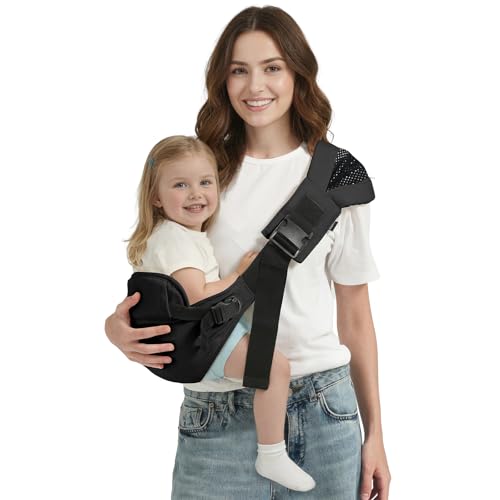
The MISSWISDOM sling is made for babies and toddlers from 8 to 40 pounds. Its backrest and hip-carrier design aim to make quick carrying easier. This is the type of carrier I would consider for an active toddler who wants frequent up-and-down breaks. It also has a travel-friendly profile compared with larger multi-position carriers.
A sling can feel quick and natural once adjusted. It may not spread weight as evenly as a two-shoulder carrier, so body fit matters a lot. Keep the child centered and supported, and avoid letting the fabric loosen during movement. This model suits short trips well, but parents with ongoing back pain may want more balanced shoulder coverage.
Pros:
- Lightweight travel-friendly format
- Built-in backrest design
- Works from 8 to 40 pounds
- Good for quick toddler lifts
- Less bulky than many structured carriers
- Simple hip-carry concept
Cons:
- May place more load on one side
- Less ideal for long, continuous walks
- Not the first choice for very young newborns
What Amazon Buyers Are Saying
Common feedback for toddler slings often highlights speed, portability, and ease during short outings. Some buyers may prefer the freedom of a one-sided sling, while others notice fatigue if they wear it for too long. Look for current comments about shoulder comfort, adjustment, and the child’s age before purchase.
My Recommendation
I recommend this model as a backup carrier or a travel carrier for toddlers. It is less suitable as the only carrier for parents who need maximum two-shoulder and lumbar support.
Cotton Double-Sided Baby Carrier
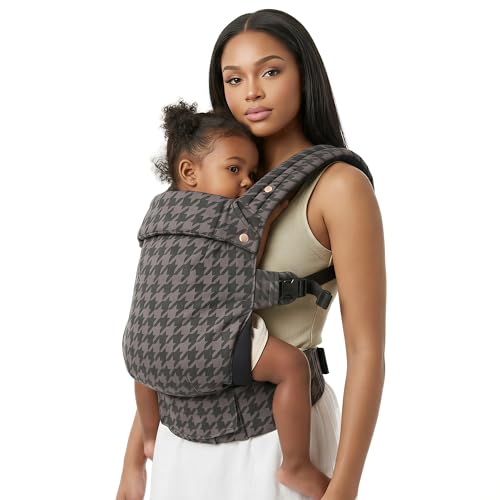
This second cotton carrier offers the same basic idea in a different listed version. It covers 7 to 40 pounds and provides three carry positions. The double-sided fabric may appeal to parents who want a neat look that works with more than one outfit. Its lighter build can be useful for indoor use and short errands.
For back comfort, I would focus on how the belt sits rather than the fabric name. A carrier should hold the baby close without forcing the wearer to lean backward. The child’s knees should sit higher than the bottom when the design allows it. This simple cotton model may suit families who want fewer parts and a lower-cost starting point.
Pros:
- Soft cotton material
- Double-sided design
- Three carry positions
- 7–40-pound listed range
- Light and easy to pack
- Simple choice for everyday tasks
Cons:
- May lack the firm lumbar feel of a structured carrier
- Not the widest listed weight range
- May need more frequent adjustment as the baby grows
What Amazon Buyers Are Saying
Feedback around simple cotton carriers often praises the soft feel and ease of packing. Buyers who want strong frame-like support may prefer a hip-seat model instead. Fit comments matter most here, since shoulder and waist adjustment can change the experience. Check the latest listing details and review photos before ordering.
My Recommendation
This is a practical budget-style choice for light carrying. I would buy it for short daily use, but I would select a structured carrier for long walks or a heavier toddler.
MISSWISDOM Newborn Wrap Carrier

The MISSWISDOM wrap is the newborn-focused choice in this review. It is listed for 8 to 30 pounds and includes head support and enhanced lumbar support. A wrap can create a close, calming fit for a small baby. It also avoids the hard, bulky feel that some parents dislike in a framed carrier.
Wrap carriers require a careful learning period. The fabric must stay snug, and the baby’s nose and mouth must remain visible at all times. I would practice over a bed or with another adult nearby before using it outside. The 30-pound limit also means this carrier may serve a shorter stage than a 40- or 50-pound model.
Pros:
- Designed for newborn-to-young-toddler use
- Includes head support
- Enhanced lumbar support is listed
- Close, soft carrying feel
- Lightweight and easy to store
- Good for parents who dislike bulky seats
Cons:
- 30-pound listed maximum
- Wrap adjustment takes practice
- May feel warm when worn for long periods
What Amazon Buyers Are Saying
Newborn wrap buyers often value closeness, softness, and the ability to soothe a small baby while keeping both hands free. The most common concern with wrap styles is learning how to tie and tighten them correctly. Review the latest buyer notes for fabric stretch, head support, and comfort across different body sizes.
My Recommendation
I recommend this carrier for newborn bonding and light household tasks. It is a good back-support option for its lumbar panel, but it is not my first pick for heavy toddler carrying.
BabbleRoo 6-in-1 Baby Carrier

The BabbleRoo 6-in-1 is one of the strongest all-purpose options here. The listing gives it a 7 to 50-pound range, front, back, and hip carry choices, a hip seat, lumbar support, and a sun hood. That broad feature set can help a family move from newborn care to toddler outings without changing carriers.
The lumbar panel and seat work together to keep the child close and shift some load toward the waist. The sun hood adds useful coverage during outdoor walks, but it should never block the baby’s face or airflow. With several pieces and positions, this carrier may take a few practice sessions. Once adjusted, it should suit parents who want one main carrier.
Pros:
- 6-in-1 design
- 7–50-pound listed range
- Lumbar support and hip seat
- Front, back, and hip carry options
- Sun hood for outdoor use
- Safety-certified claim in the product listing
Cons:
- Many features can make setup slower
- Structured seat may feel bulky
- Sun hood needs careful use around the face
What Amazon Buyers Are Saying
Buyers of multi-use carriers often like the long service range and the ability to change positions. The hip seat and lumbar support are the main features to compare in reviews. Some users may find the instructions and straps take time to master. I recommend reading recent reviews for comfort during back carry and for the fit of the waist belt.
My Recommendation
The BabbleRoo is my best overall value pick for families who want broad use. It earns a high place among the 10 best baby carrier for back support because it combines a hip seat, lumbar support, and a 50-pound listed limit.
4-in-1 Baby Carrier with Hip Seat
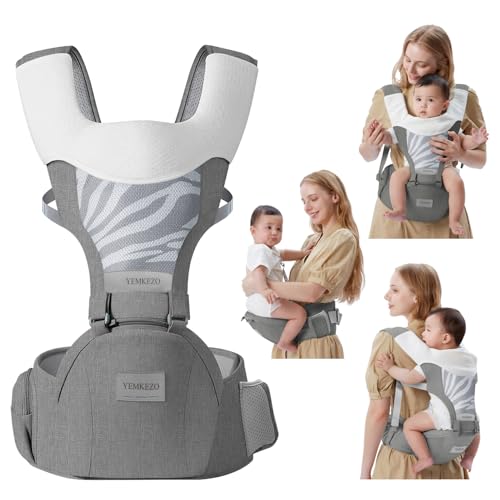
This gray 4-in-1 carrier centers on a removable and adjustable hip seat. The listing describes an ergonomic M position and use from newborn to toddler stages, with an age range of 0 to 36 months. Its simpler feature set may suit parents who want flexible carrying without a six-position system.
The M position refers to a seated posture in which the baby’s knees sit higher than the bottom. That position can support natural hip placement when the carrier fits correctly. Parents should still confirm newborn requirements in the manual, since age alone does not prove readiness. The hip seat may reduce arm strain, but it can add front bulk when sitting.
Pros:
- 4-in-1 carrying design
- Adjustable and removable hip seat
- Ergonomic M-position design
- Useful from early months through toddler use
- Good choice for changing carry needs
- Simple alternative to larger systems
Cons:
- Exact weight limits need confirmation in the manual
- Hipseat may feel bulky for petite wearers
- Fewer listed positions than some competitors
What Amazon Buyers Are Saying
Shoppers interested in 4-in-1 carriers commonly look for a balance between flexibility and a simple setup. The hip seat is usually the main reason to choose this style. Some users may want clearer newborn instructions or more padding. Check current customer reviews for waist fit, seat comfort, and ease of switching between modes.
My Recommendation
I recommend this carrier for parents who want a flexible hip seat at a simple feature level. Confirm the exact weight and newborn rules before buying, and choose it for moderate rather than extreme daily use.
How to Choose the Best Baby Carrier for Back Support
Choosing the 10 best baby carrier for back support is not only about padding. A good carrier keeps the baby close, spreads weight well, and fits the adult’s body. It must also support the baby’s head, back, and legs for the correct stage. Product claims can change, so check the current manual, label, and safety guidance before use.
1. Start With Waist and Lumbar Support
Look for a wide waist belt that stays flat and does not roll. A hip seat can move some weight from the shoulders to the waist and hips. Lumbar padding may help, but it cannot fix a poor fit. Put the belt on first, tighten it firmly, and then adjust the shoulder straps. The baby should sit high enough to kiss without bending forward.
Try the carrier with a similar weight before a long walk when possible. Watch for lower-back arching, shoulder pressure, numbness, or a need to lean backward. Those signs mean the fit needs work or the carrier may not suit your body. People with diagnosed back pain should ask a health professional for personal advice.
2. Match the Carrier to Baby’s Stage
Check the exact weight range and position rules. A carrier marked “newborn” may still need a minimum weight or an insert. A baby must have enough head and neck control before some outward-facing positions. Never let fabric cover the nose or mouth. Keep the chin off the chest and check the baby often.
For hip health, many experts favor a supported seated position with the thighs supported. The International Hip Dysplasia Institute promotes a position that supports the thighs and allows the hips to rest naturally. Follow the carrier manual, and stop if the baby looks cramped or uncomfortable. The best baby carrier for back support must also support the baby safely.
3. Compare Fit, Fabric, and Long-Term Value
Choose breathable fabric if you live in a warm place. Cotton can feel soft, while knit fabric may allow more airflow. Structured carriers often give stronger weight distribution, but they can feel heavier and bulkier. Wraps pack small, yet they require more practice. A simple carrier may be better than a feature-rich model that you do not adjust correctly.
Also check whether more than one adult can wear it. Review the waist size, strap length, wash instructions, buckle design, and return policy. Look for current safety details from the seller. I value a secure fit and clear instructions more than a long list of carry positions. That rule helps narrow the 10 best baby carrier for back support to the model that fits your real routine.
Final Verdict: Which Should You Buy?
For most families, I recommend the BabbleRoo 6-in-1. Its hip seat, lumbar support, broad range, and front, hip, and back options make it the strongest all-around choice. MOMTORY is a close second, while Momcozy suits long walks and frequent toddler breaks.
The 10 best baby carrier for back support should feel stable, not painful. Check the fit, follow the manual, and choose the carrier that supports both your body and your baby’s stage.
FAQs Of 10 best baby carrier for back support
What is the best baby carrier for lower-back pain?
A structured carrier with a wide waist belt, lumbar support, and a hip seat is often the best starting point. The BabbleRoo and MOMTORY models offer these features in the listed products.
Are hip-seat baby carriers good for back support?
They can help shift some baby weight toward the waist and hips. They may feel bulky, so correct adjustment and a comfortable body fit remain important.
Can I use a baby carrier for a newborn?
Only use a carrier when your baby meets its exact minimum weight, age, and position rules. Keep the airway clear and provide head support as directed by the manual.
Is a sling or structured carrier better for long walks?
A structured, two-shoulder carrier usually spreads weight more evenly for long walks. A sling may work better for short trips and quick toddler lifts.
How should a baby sit in an ergonomic carrier?
The baby should sit close and upright, with the back supported and the thighs supported when the design allows. The knees often sit higher than the bottom in an M-shaped position.
