

When parents are fighting, kids need calm reassurance, simple explanations, and a return to routine. The most helpful support is age-appropriate, honest, and focused on safety rather than details.
When parents are fighting, kids often feel the tension before anyone says a word. A raised voice, a slammed cabinet, or a silent dinner can make a child wonder what is happening and whether they are somehow to blame.
This guide explains how to help kids cope, stay calm, and feel secure during conflict. It also shows how parents, teachers, and caregivers can use clear language, age-appropriate support, and careful communication without making a hard situation harder.
- Reassure first: Tell kids they are safe and not to blame.
- Keep it simple: Use short, age-appropriate language.
- Avoid loyalty pressure: Never ask children to take sides.
- Use humor carefully: Only after calm returns, and never as a cover-up.
Why “Parents Fighting” Hits So Hard for Kids in 2026
In 2026, kids are exposed to more information, more commentary, and more emotional spillover than ever before. Even when adults think they are “just arguing,” children often read body language, tone, and routines as signs that the home is unstable.
That is why the phrase funny space jokes for school may be a helpful reminder in a classroom setting that lightness can ease tension, but family conflict needs a different kind of care: steady reassurance, not distraction.
What readers are really looking for: reassurance, coping ideas, and age-appropriate language
Most people searching about parents fighting are not looking for a perfect solution. They want to know what to say, how to calm a child, and how to explain conflict without creating more fear.
Age-appropriate language matters. Young children need short, concrete reassurance. Older children need clarity and permission to ask questions. Teens need honesty without being pulled into adult details.
How family stress shows up differently at school, at home, and online
At school, stress may show up as trouble focusing, irritability, or a child becoming unusually quiet. At home, it may look like clinginess, sleep changes, or sudden resistance to routine.
Online, kids may post indirectly, withdraw from group chats, or search for answers they do not know how to ask out loud. A calm, consistent message from adults helps across all three settings.
What Kids Need Most When Tension Flips Into an Argument
Children need to know two things right away: they are safe, and the argument is not their fault. Those two messages reduce panic more effectively than long explanations.
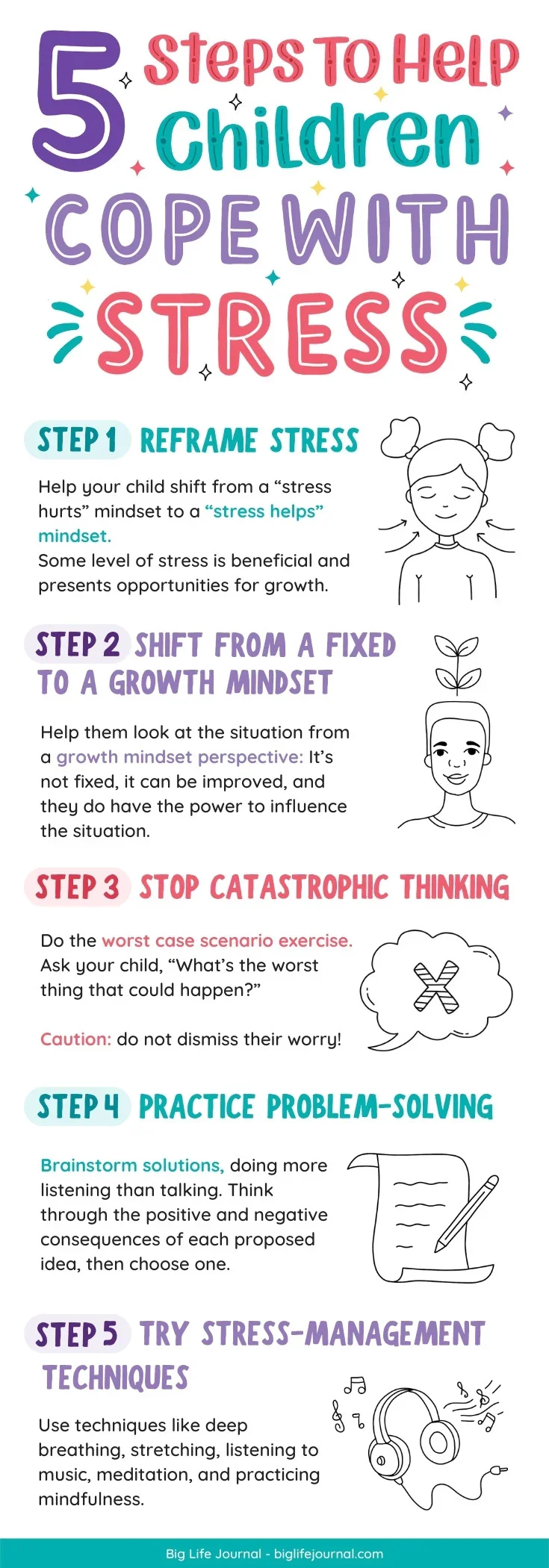
After that, they need adults who can regulate themselves first. A calm voice, a predictable routine, and a simple check-in can do more than a big speech in the middle of a heated moment.
Staying calm without minimizing the child’s feelings
It is possible to stay calm without acting like nothing happened. Saying “I can see that scared you” is more helpful than “Don’t worry about it.”
Children often feel dismissed when adults rush too quickly into reassurance. Calm works best when it includes acknowledgment.
How to explain conflict in a way that feels safe, not scary
Use plain language: “We had a disagreement. Grown-ups can disagree and still work it out.” That gives children a frame they can understand.
Avoid dramatic details or blaming language. The goal is not to make the situation sound bigger; it is to make it feel manageable.
When a joke helps and when it absolutely does not
Light humor can help lower tension after emotions have settled, especially with older kids who already feel safe. It should never be used to erase the child’s worry or to make the argument itself into entertainment.
Night shift jokes can work in a completely different context, but family conflict is not the time for sarcasm or teasing. If the child is still upset, skip humor and focus on comfort first.
Age-by-Age Ways to Help Kids Cope During Parent Conflict
Different ages need different levels of detail. A good response matches the child’s developmental stage, not the adult’s urge to explain everything at once.
Preschool and early elementary: simple comfort, routine, and short phrases
Young children benefit from short, repeated phrases: “You are safe,” “This is not your fault,” and “We are working on it.”
Keep routines steady when possible. A familiar bedtime, snack, or story can help the child’s nervous system settle after a tense moment.
Older kids: naming emotions, reducing self-blame, and giving them a role
Older children often assume they caused the conflict or that they need to fix it. They need adults to name emotions clearly: “We were frustrated, but that was between us.”
Giving them a role can help if it is small and age-appropriate. For example, they can go to their room, take a break, or choose a calming activity, but they should not become the messenger or referee.
Teens: respecting privacy, avoiding oversharing, and keeping trust intact
Teens usually notice more than adults think. They need honesty, but not a full account of every disagreement or a request to take sides. [Source: Britannica]
Respecting privacy matters here. If you want trust later, avoid turning your teen into a confidant for adult relationship problems.
Jamie Reed’s Family Humor Rules: How to Use Lightness Without Making It Worse
Humor can be useful in family life, but only when it supports safety. In tense moments, the right kind of lightness can help a child breathe again; the wrong kind can feel dismissive.
For parents looking for a reminder that tone matters, even a playful topic like space jokes 2026 works because the audience expects fun. In family conflict, the audience needs reassurance first, and humor second.
Joke craft tips for sensitive topics: timing, tone, and “safe laugh” setups
Good humor in stressful family moments depends on timing. Wait until the child is calm enough to receive it, or save it for a later moment when the tension has passed.
“Safe laugh” setups are gentle, self-aware, and non-blaming. They should never target the child’s fear or make the argument itself the punchline.
Delivery advice for parents, teachers, and caregivers
Parents should keep their tone low, steady, and reassuring. Teachers and caregivers should avoid joking about “drama at home” and instead give children a private, respectful check-in.
In a classroom or school office, humor should be minimal and supportive. In a newsletter or family handout, a small amount of warmth can help the message feel human without reducing the seriousness of the topic.
Common humor mistakes: sarcasm, public teasing, and turning kids into the punchline
Sarcasm can sound like contempt when a child is already anxious. Public teasing can make them feel exposed.
Never use the child’s reaction as the joke. If the child is frightened, embarrassed, or tearful, humor should not be used to redirect attention away from their feelings.
Best Settings for Support: Home Talks, School Check-Ins, TikTok, and Newsletters
The same message does not work the same way everywhere. A brief home conversation, a school check-in, a short social post, and a longer newsletter each need a different tone and level of detail.
How the message changes for a classroom, assembly, or counselor visit
In a classroom, keep the message general: conflicts happen, adults can help, and students can ask for support privately. In an assembly, the tone should be broad and reassuring rather than personal.
In a counselor visit, there is more room for emotional language and coping strategies. Still, the adult should avoid asking a child to explain their parents’ relationship in front of others.
What works in a short TikTok caption versus a longer newsletter explanation
A short TikTok caption needs one clear idea, such as “Kids need reassurance, not details.” A longer newsletter can include examples, scripts, and reminders about what not to say.
Short-form content should never oversimplify to the point of sounding flippant. Longer content can be more nuanced, but it should still stay readable and practical.
Keeping the tone warm, useful, and non-judgmental across platforms
Families respond better when they do not feel blamed. A warm, non-judgmental tone makes it easier for adults to absorb advice without shutting down.
Supportive communication works best when it focuses on what helps the child feel safe today, not on proving which adult was right.
Practical Coping Tools Kids Can Use in the Moment
When emotions spike, kids need tools they can use right away. The best coping strategies are simple enough to remember and easy enough to repeat under stress.
Breathing resets, safe spaces, and grounding routines
Slow breathing can help, but it should be simple. Try “smell the flower, blow out the candle” for younger children or a slow count for older ones.
A safe space can be a bedroom, reading corner, or quiet chair. Grounding routines like holding a soft object, naming five things they see, or drinking water can help bring the body back to calm.
Scripts kids can use when they feel stuck in the middle
Children should not have to solve adult conflict. A few scripts can help them step out of the middle: “I do not want to be part of this,” “Can I go to my room?” or “Please talk to each other later.”
These phrases work best when adults have already modeled that it is okay for a child to leave the room and seek comfort. [Source: NASA Science]
How adults can model calm after the argument ends
Repair matters. If parents have argued, showing a calm follow-up conversation teaches children that conflict can end without lasting damage.
That might mean apologizing for volume, clarifying the child was not responsible, and returning to routine as soon as possible. Consistency is more reassuring than a perfect performance.
What Not to Say When Parents Are Fighting
Words can either lower a child’s fear or deepen it. During conflict, some phrases create guilt, force loyalty, or make the child feel responsible for adult emotions.
Phrases that increase guilt, fear, or loyalty conflicts
Avoid lines like “This is because of you,” “Don’t tell your other parent,” or “You need to take my side.” These comments place pressure on a child that they should never carry.
Even indirect remarks can be harmful if they suggest that the child must choose between parents.
Why “everything is fine” can backfire
Children usually know when something is not fine. If adults deny what they can clearly see, kids may stop trusting the reassurance they are given.
It is better to say, “We had a hard moment, but we are handling it,” than to insist nothing happened at all.
How to avoid overexplaining adult problems in kid-friendly conversations
Children do not need every detail of money stress, relationship conflict, or parenting disagreements. Too much information can make them feel like a counselor instead of a child.
Keep the message simple: the adults are responsible, the child is safe, and support is available. If more conversation is needed, save it for another time and keep it age-appropriate.
Do not ask children to mediate, report on the other parent, or decide who is right. That can create lasting stress and loyalty conflict.
Final Recap: Helping Kids Feel Secure, Seen, and Less Alone
When parents are fighting, children need calm, clarity, and consistency more than complicated explanations. The most helpful response is usually simple: name what happened, reassure the child, and return to routine.
Key takeaways for calm communication and realistic humor
Humor can help only after the child feels safe and only if it does not minimize the situation. In sensitive family moments, gentle honesty is more useful than clever lines.
For a broader look at family-friendly tone in other settings, even a playful topic like clean space jokes captions shows how context changes what lands well and what does not.
A closing reminder that support, consistency, and gentle honesty matter most
Kids do best when adults keep their promises, avoid blame, and make repair visible. If conflict happens, the goal is not perfection; it is helping the child feel secure, seen, and less alone.
That steady approach builds trust over time, even when the conversation itself is difficult.
Frequently Asked Questions
Keep it short and clear. Say they are safe, the argument is not their fault, and the adults are handling it.
Use simple phrases like “You are safe” and “This is not your fault.” Young children usually need comfort more than details.
Sometimes, but only after the child is calm. Humor should never dismiss fear, mock the child, or turn the conflict into a joke.
Be honest without oversharing. Teens need privacy, respect, and clear reassurance that they are not responsible for adult conflict.
Avoid blame, loyalty tests, and statements that make the child feel responsible. Do not ask children to choose sides or carry messages.
Seek extra support if the child seems persistently anxious, withdrawn, or unable to return to normal routines. A pediatrician, school counselor, or licensed therapist can help.