

Usually, a child cannot be physically forced in the everyday sense, but adults may still be required to follow a custody or visitation order. The child’s age, emotional needs, and any safety concerns can change how that order is handled.
When families ask whether a child can be forced to visit a parent, the real answer depends on custody orders, the child’s age and maturity, and whether any safety concerns are involved. In practice, the question is less about “force” and more about what the court expects, what the child can reasonably handle, and how adults can reduce conflict without putting the child in the middle.
- Legal reality: Custody orders usually bind adults, not children directly.
- Age matters: Older children’s views often carry more weight.
- Safety first: Fear, abuse, or neglect changes the issue completely.
- Development counts: Anxiety and routine stress can drive refusal.
- Best approach: Keep communication calm, child-centered, and neutral.
Can a Child Be Forced to Visit a Parent Legally? What the Question Really Means in 2026
In 2026, this question usually comes up when a child resists visitation, a parent wants to follow the court order, and everyone is trying to avoid a blowup. The legal answer is rarely a simple yes or no. Courts focus on the child’s best interests, the wording of the custody order, and whether the refusal is a preference, a developmentally normal reaction, or a sign of deeper harm.
User intent: legal reality, emotional concern, or school-related family conflict?
People searching this topic may want different things. Some want to know the law. Others are worried about a child crying before visits, refusing pickup, or acting out at school after family conflict. Educators may also encounter the issue when a child mentions not wanting to go with a parent, and they need to respond carefully without taking sides.
That is why the most useful explanation is one that covers both the legal framework and the child development side. A custody order can create obligations for adults, but a child’s emotional readiness still matters. The two are connected, and neither should be ignored.
Why this topic matters now for parents, kids, and educators
Families are navigating more blended households, more co-parenting stress, and more public discussion about children’s rights and emotional safety. At the same time, schools are often the first place where stress shows up. A child who dreads a transition may become withdrawn, distracted, or upset in class.
For that reason, adults need language that is calm, accurate, and child-centered. If you also create family-friendly content, the same principle applies: explain the issue clearly and avoid turning a child’s discomfort into a punchline. For lighter educational content elsewhere on PunRealm, readers often respond well to clean, age-aware framing like funny space jokes for school, but custody topics call for a much more careful tone.
What “Forced” Actually Looks Like in Family Law and Custody Situations
In family law, “forced” usually does not mean physically dragging a child out the door. It often means an adult is expected to comply with a visitation schedule, encourage the child to go, and avoid undermining the other parent’s time. If a child refuses, the legal response depends on the order and the reason for the refusal.
Visitation orders vs. a child’s preferences
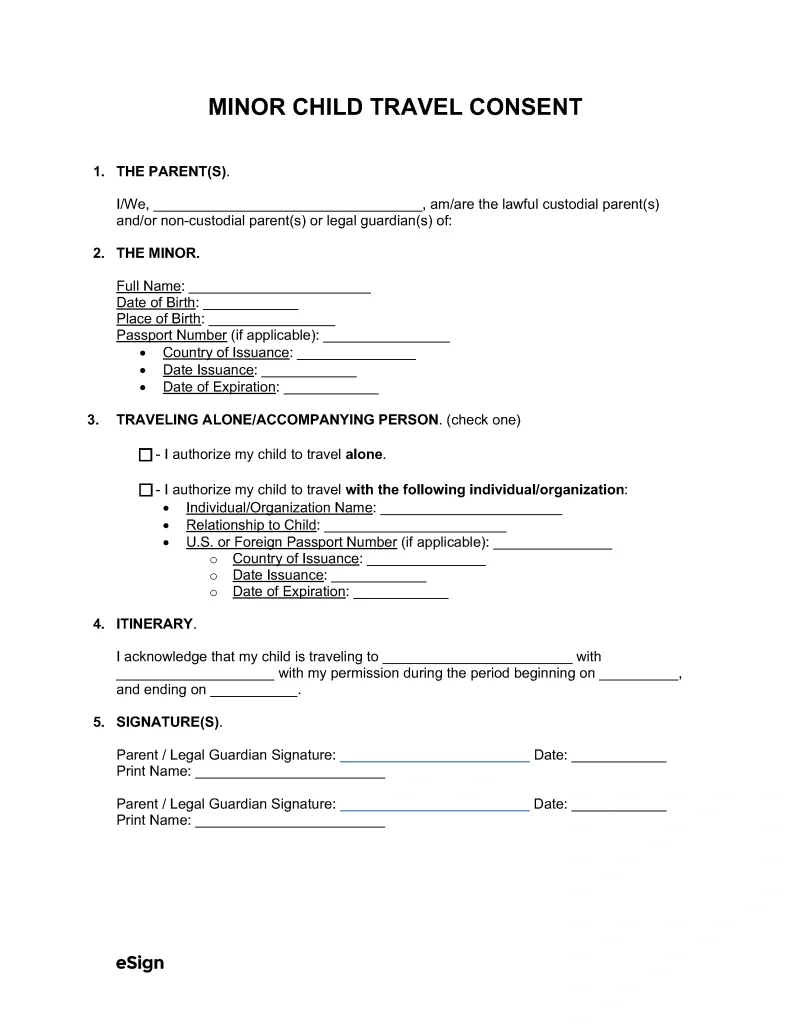
Most custody orders are written for adults, not for children to negotiate case by case. That means a parent may still be required to make the child available for visitation even if the child says no. A child’s preference matters more as they get older, but preference alone does not usually cancel an order.
At the same time, courts do not treat every refusal the same way. A younger child may resist because of routine changes, separation anxiety, or a hard transition. A teen may resist because of conflict, loyalty pressure, or a serious concern about the home environment. The legal system tends to look closely at context.
Age, maturity, and the court’s role in deciding best interests
Courts generally pay more attention to a child’s view as the child becomes older and more mature. That does not mean a teen gets to decide everything, but it does mean the court may listen more carefully to their reasons. Judges often look for signs that the child’s wishes are thoughtful, consistent, and not the result of pressure from another adult.
Best-interests analysis is broader than preference. It can include stability, school routine, sibling relationships, emotional health, and safety. A child who is overwhelmed may need support and a better transition plan, not a complete shutdown of contact.
When refusal becomes a legal issue versus a safety issue
Refusal becomes a legal issue when a parent is ignoring a court order or using the child’s resistance to block contact without a valid reason. It becomes a safety issue when the child is afraid because of abuse, neglect, substance misuse, or another serious concern. Those are very different situations and should not be blended together.
Do not assume every refusal is defiance. If a child mentions fear, threats, or harm, adults should treat that as a possible safety concern and seek qualified legal or child protection guidance promptly.
Child Development Factors That Shape a Child’s Willingness to Visit
From a child development perspective, willingness to visit is shaped by age, temperament, attachment, and stress. A child is not simply being difficult because they disagree. Often, they are reacting to change, uncertainty, or emotional overload.
Age-appropriate understanding: toddlers, tweens, and teens
Toddlers and preschoolers often struggle with transitions because they live in the present moment. They may resist leaving one home simply because they do not understand time, schedules, or why the routine changes. Their distress may look big, but the reason may be simple and developmental.
Tweens often understand the schedule but may not have the emotional tools to manage divided loyalties. Teens usually understand the legal and family context more clearly, but they may also feel more strongly about fairness, privacy, or independence. The older the child, the more important it is to listen seriously, even when the final decision remains with the adults or the court.
Attachment, anxiety, and loyalty conflicts
Some children resist visits because they are anxious about separation from the primary caregiver. Others worry that enjoying time with one parent feels like betraying the other. Loyalty conflicts can be especially intense after separation, divorce, or repeated adult arguments.
Children may also pick up on tension that adults think they are hiding. If exchanges are rushed, cold, or conflict-heavy, the child learns to associate visitation with stress. That does not mean contact should stop automatically, but it does mean the process may need to change.
How school stress, routines, and transitions affect compliance
School routines matter more than many adults realize. A child who is already tired, behind on homework, or worried about a test may have less capacity for a transition. If visitation begins right after school, the child may need a calm handoff, predictable timing, and clear expectations.
Teachers and counselors may notice that a child becomes anxious on certain days of the week. That pattern can help adults understand the problem without shaming the child. A stable routine can reduce resistance, especially for younger children who depend on predictability.
How Jamie Reed Would Frame the Humor Carefully: Family Comedy Without Crossing the Line
Even though this topic is serious, content creators sometimes try to use humor to keep readers engaged. That can work in educational spaces, but only when the humor stays respectful and does not make light of a child’s distress. The goal is clarity, not a laugh at someone’s expense. [Source: Healthline]
Joke craft tips for sensitive family-law topics
Humor in sensitive topics works best when it points at the situation, not the child. A gentle observation about adult confusion, paperwork, or scheduling can be safer than anything that frames the child as stubborn or manipulative. The writing should signal empathy first and entertainment second.
If you use humor in an educational post, keep it brief and place it near a neutral point, such as the complexity of custody schedules. That keeps the tone light without undermining the seriousness of the issue.
Delivery advice: warm, neutral, and never mocking the child
Warm delivery matters more than clever wording. In a classroom, counseling handout, or parent newsletter, a neutral tone helps readers feel safe. If the content sounds sarcastic, the audience may stop trusting the message.
It is also wise to avoid “winner versus loser” framing. A child is not a prize to be claimed, and visitation is not a competition. Content that respects that reality tends to age better and land better across different audiences.
Common humor mistakes to avoid in legal or custody-related content
Do not use jokes that imply a child is lying, dramatic, or being coached unless the context truly supports that and the tone remains careful. Do not turn court orders into a gag about “kidnap-by-calendar.” Those lines may get attention, but they can also trivialize real family stress.
For family-friendly humor elsewhere on PunRealm, playful wordplay can work because the subject is light. In a legal or child development article, the standards are different. The safest approach is to be informative first and only lightly witty, if at all.
Best Platforms and Settings for This Topic: School, TikTok, Newsletter, or Assembly?
This topic can be shared in multiple settings, but the format should match the audience. What works in a parent newsletter may not work in a school assembly. What lands in a short-form video may be too compressed for a caregiver who needs practical guidance.
What works in a school counseling setting
In school counseling, the best approach is simple and concrete. Explain that children sometimes feel stressed about transitions and that adults are responsible for the legal plan. Keep the focus on feelings, routines, and who the child can talk to when they feel overwhelmed.
A counselor should avoid promising legal outcomes or telling a child which parent is “right.” Instead, the message should be that the child’s feelings matter and that trusted adults can help them stay safe and regulated.
How to adapt the tone for TikTok short-form humor
Short-form video can work if the message is extremely clear and the tone stays respectful. A creator might use a quick setup about “why custody schedules never seem to fit the fridge magnet” and then pivot immediately to the real point: children need support, not pressure.
However, TikTok is not ideal for nuanced legal advice. If the topic is serious, any humor should be minimal and the caption should direct viewers toward qualified guidance. The faster the format, the easier it is to oversimplify.
Newsletter framing for parents and caregivers
Newsletters are often the best place for practical explanation. Parents can slow down, reread, and think about transitions, language, and conflict patterns. This format also supports clear boundaries: what the law may require, what the child may be feeling, and when to get help.
When a newsletter includes humor, it should be subtle and never at the child’s expense. A small nod to the chaos of coordinating calendars is fine if it keeps the tone human. The main purpose, though, should always be guidance.
Assembly or classroom use: keeping it age-appropriate and respectful
In an assembly or classroom, the topic should be handled only in broad, non-personal terms. Children should not be asked to share family details publicly. The focus should be on feelings, trusted adults, and the idea that big family problems are not a child’s fault.
For younger audiences, avoid legal terminology unless it is explained simply. For older students, you can introduce words like custody, visitation, and court order, but only alongside reassurance and support.
Age-Appropriateness Notes for Explaining Visit Rules to Kids and Teens
Different ages need different language. The same explanation that helps a teen may confuse or frighten a younger child. Good communication respects developmental stage and emotional capacity.
What younger children can understand without fear
Young children do best with short, concrete statements. For example: “You will spend time with both parents, and grown-ups are making the plan.” That is usually enough. Too much detail can create fear, guilt, or confusion.
They also benefit from predictable routines, visual calendars, and calm transitions. The message should be that the schedule is about caring for them, not about choosing sides.
How to talk to preteens about court orders and boundaries
Preteens can understand more of the structure, but they still need emotional safety. It is reasonable to explain that a court order is a rule adults must follow. It is also important to say that their feelings can be shared without disrespect or punishment. [Source: NASA Science]
Preteens may ask hard questions about fairness. Answer honestly, but do not burden them with adult details. If they are worried about what happens next, explain the next step in simple language and keep the conversation calm.
How to address teens who feel pressured, angry, or unheard
Teens often want to be taken seriously, and they should be. If a teen resists visits, adults should listen for the reason before deciding how to respond. Some teens need more privacy, more control over logistics, or a better way to express concerns.
If a teen’s refusal is tied to fear, threats, or emotional harm, the issue needs immediate attention. If it is tied to ordinary conflict, the solution may be structure, counseling, or a revised transition plan. Either way, dismissing the teen usually makes things worse.
Children are more likely to cooperate when adults explain what will happen next, keep exchanges predictable, and avoid arguing in front of them. Calm structure often works better than pressure.
Practical Guidance for Parents, Caregivers, and Content Creators
Whether you are a parent, caregiver, educator, or writer, the safest approach is to keep the child’s emotional state at the center. The legal system may focus on orders, but the child experiences the situation as a relationship, a routine, and a source of stress or comfort.
How to discuss visitation without escalating conflict
Use short, non-blaming language. Avoid saying the other parent is the problem in front of the child. Avoid asking the child to choose, report, or mediate. If the child is upset, acknowledge the feeling first and the schedule second.
If adults need to disagree, they should do it privately or through proper channels. Children should not be used as messengers. The more adult conflict is kept away from the child, the easier visitation is to manage.
How to keep jokes aligned with empathy and child development
If you are creating content, make empathy the rule and humor the exception. A joke can help a reader stay engaged, but only if it does not blur the seriousness of a custody issue. The best humor here is gentle, observational, and aimed at the complexity of adult systems.
In sensitive topics, the safest comedic target is usually the situation itself, not the child. That keeps the content human without becoming hurtful.
When to stop the comedy and prioritize safety or legal advice
Stop using humor if the child is afraid, if there are allegations of abuse, or if the issue is moving into legal dispute territory. At that point, clarity matters more than style. A warm tone is still possible, but the content should be direct and careful.
If you are unsure whether a case involves a safety issue, encourage the reader to speak with a qualified family law professional or child-focused support service. Content can inform, but it should not replace real-world help when risk is involved.
Final Recap: Legal Limits, Child Needs, and the Right Way to Handle the Topic
The phrase “can a child be forced to visit a parent” sounds simple, but the real answer depends on law, age, maturity, and safety. A court order may require visitation, but adults still need to account for a child’s emotional development and any genuine concerns about harm.
Key takeaways on whether a child can be forced to visit a parent
Children are not usually the ones being legally forced; adults are the ones expected to follow the custody order. A child’s refusal may matter more as they get older, but it does not automatically cancel visitation. If there is fear, abuse, or neglect, the issue becomes a safety matter, not just a compliance issue.
One-sentence summary for readers who want the bottom line fast
In most cases, a child can be required to follow a visitation plan through the adults responsible for custody, but the child’s age, best interests, and safety concerns can change what is appropriate and what the court will do.
- Visitation orders usually bind adults, not children directly.
- A child’s age and maturity affect how much their preference matters.
- Refusal may reflect stress, not disrespect.
- Safety concerns should be treated separately from routine conflict.
- Calm, child-centered communication reduces escalation.
Frequently Asked Questions
A child’s refusal does not automatically override a custody order. The court may consider the child’s age, maturity, and reasons for refusing, especially if there are safety concerns.
There is no universal age that gives a child full control. Older and more mature children are often given more weight, but the final decision still depends on the court and the custody order.
Stay calm, avoid arguing in front of the child, and look at the reason behind the refusal. If the issue may involve harm or abuse, seek qualified legal or child protection guidance right away.
In some cases, yes, if a parent ignores a valid court order without a lawful reason. The outcome depends on the order, the facts, and whether the refusal was tied to a genuine safety concern.
Schools should stay neutral and focus on the child’s emotional well-being and safety. Staff should not take sides or make legal decisions, but they can document concerns and follow school policy.
No, fear can also come from anxiety, routine changes, or loyalty conflicts. But if a child mentions threats, harm, or unsafe behavior, adults should take that seriously and act promptly.