

Use a baby bathtub until your baby can sit firmly and fit safely in an adult tub—often 12–24 months.
I’ve cared for infants as a parent and tested many baby bathtubs. This guide explains how long should you use a baby bathtub, with clear age and weight markers, safety signs, and real tips that make bath time easier. Read on to learn practical timelines, transition steps, and how to decide the right moment for your child.
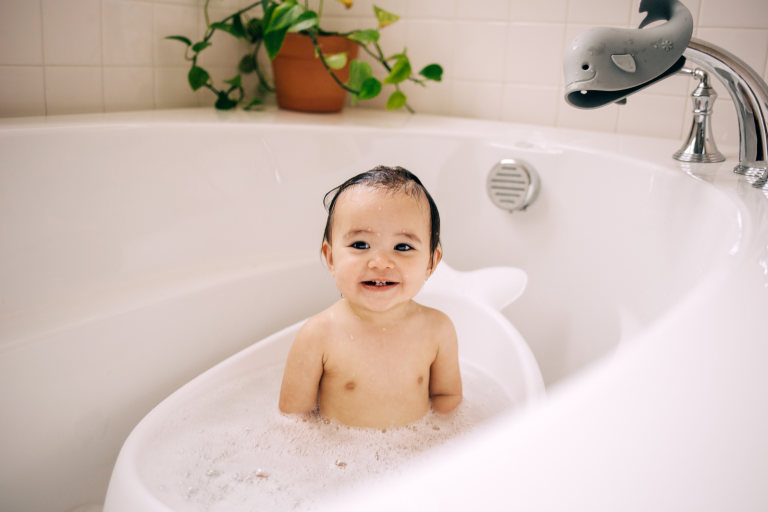
When to start using a baby bathtub
Most parents begin using a baby bathtub right after the newborn stage. A baby bathtub helps support a tiny head and back. It keeps your baby secure during the first few months. Newborn tubs come in molded support shapes or soft inserts. Use a baby bathtub until your baby can sit up steadily without help.
Pediatric guidance supports using devices that give head and neck support. For many families, a baby bathtub reduces stress and improves safety. If your baby is premature or has special needs, ask your pediatrician for a tailored plan.

How long should you use a baby bathtub: age and weight guidelines
How long should you use a baby bathtub depends on age, weight, and motor skills. Use these simple checkpoints.
- Newborn to 3 months: Use a cradle-style or insert bathtub that supports the head.
- 3 to 6 months: Move to a slightly larger infant tub if baby still needs support.
- 6 to 12 months: Use a tub until baby can sit unaided for several seconds.
- 12 to 24 months: Many babies outgrow small tubs and can bathe in an adult tub with a non-slip mat and close supervision.
Weight matters too. Some baby tubs list weight limits. Stop using a particular baby bathtub when your baby reaches its limit. Another cue: when your child feels cramped or their legs extend beyond the tub rim, it’s time to switch.

Signs it’s time to stop using a baby bathtub
Pay attention to clear signals. These signs show it’s time to transition out of a baby bathtub.
- Baby sits steadily without support.
- Baby’s legs feel cramped or hang over the edge.
- Baby reaches the tub’s weight limit.
- Baby resists the tub or tries to climb out.
- You’re no longer able to safely add water depth.
If you see one or more signs, it’s safer to move to a larger tub setup. Transition in stages: use a non-slip mat, a small tub seat for older infants (only if recommended), and always stay within arm’s reach.

Types of baby bathtubs and when to transition
Understanding tub types helps you decide how long should you use a baby bathtub.
- Cradle and sling tubs: For newborns. Use until baby gains head control.
- Molded infant tubs: Have recline shapes and small holds. Use until baby sits well.
- Convertible tubs: Grow with baby, with inserts to change the shape. Use longer if they suit your child’s size.
- Soft, inflatable tubs: Portable and cushioned. Use until baby grows too large.
- Insert rings and seats: Only use when baby can sit and has good trunk control. They are not a substitute for supervision.
Transition tips:
- Move gradually from insert to larger tub.
- Try a convertible tub to extend the period of safe use.
- Always check manufacturer weight and age guidance.
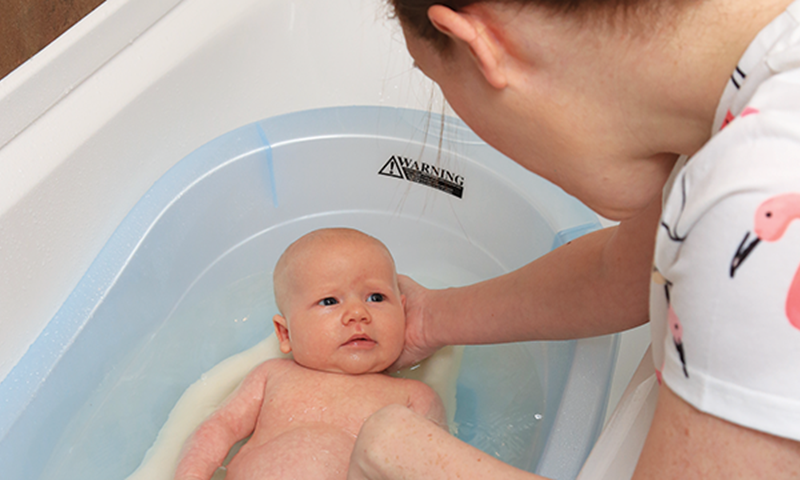
Safety tips while using a baby bathtub
Safety shapes the answer to how long should you use a baby bathtub more than any schedule. Follow basic rules every time.
- Always supervise. Never leave a baby alone in a tub, even for a moment.
- Keep water shallow. For infants, a few inches is enough. For toddlers, keep water below chest level.
- Check water temperature. Aim for about 98–100°F (37–38°C). Test with your wrist or a bath thermometer.
- Keep essentials close. Towels, shampoo, and washcloths should be within reach so you don’t step away.
- Secure the tub. Place it on a stable surface. If using an adult tub, use a non-slip mat.
- Follow weight and age limits. Replace a tub that’s damaged or unstable.

Personal experience: what I learned and mistakes to avoid
I used three different tubs with my kids. Here are the lessons I learned.
- Start simple. A sling-style tub helped with newborn baths. It held the baby’s head and kept both hands free.
- Watch growth, not a calendar. My first child outgrew the infant tub early. I switched when she looked cramped.
- Avoid overrelying on seats. A tub seat gave a false sense of security. I always stayed close and kept a hand on my child.
- Pack for transitions. When traveling, a soft tub saved space. At home, a convertible tub lasted longer.
Common mistakes to avoid:
- Leaving the baby unattended, even briefly.
- Using too hot water due to a quick test with fingers.
- Ignoring manufacturer limits and keeping the baby in a tub that no longer fits.
Practical transition steps and checklist
Want a smooth switch from a baby bathtub? Use this checklist.
- Observe sitting stability: baby sits steadily for at least 30 seconds.
- Check comfort: baby’s legs are not cramped.
- Verify weight: child is under tub weight limit.
- Prepare adult tub: place non-slip mat and use warm shallow water.
- Stay close: keep one hand on the child until you’re confident.
Follow these steps when deciding how long should you use a baby bathtub and move on.

PAA-style questions (quick answers)
Can I bathe a newborn in a regular bathtub?
Newborns need support for their head and neck, so a baby bathtub or sling is safer. You can use a regular tub with a firm infant support if you can keep your baby secure.
How often should I bathe my baby in a baby bathtub?
For newborns, 2–3 times a week is enough unless the baby enjoys daily baths. Focus on diaper-area cleaning on non-bath days.
Is a baby bathtub sanitary?
Yes, if cleaned after each use and dried well. Plastics can be wiped with mild soap and allowed to air dry to avoid mildew.

Frequently Asked Questions of how long should you use a baby bathtub
When should I stop using a baby bathtub?
Stop when your baby can sit unaided, fits comfortably in a larger tub, or the tub reaches its weight limit. These changes usually occur between 12 and 24 months.
Are baby bathtub age guidelines strict?
Age guidelines are helpful but not strict. Use a baby’s motor skills and comfort as the main cues.
Can I use a baby bathtub for a toddler?
You can use larger or convertible baby bathtubs for toddlers if the tub fits their size and the weight limit allows. Many parents switch to the adult tub around 18–24 months.
What’s safer: a baby bathtub or an adult tub with a mat?
A properly supported baby bathtub offers more security for newborns. An adult tub with a mat works well once the baby can sit steadily.
How do I know my baby is ready for the adult tub?
If your baby sits without wobbling, does not slump forward, and seems comfortable in a shallow adult tub, they are likely ready to transition.
Conclusion
Knowing how long should you use a baby bathtub comes down to watching your child. Look for steady sitting, comfort, and weight limits. Move slowly, keep safety first, and use a non-slip adult tub setup when your child is ready. Try a gradual transition and stay within arm’s reach during every bath.
Take action today: check your tub’s weight limits, observe your baby’s posture during bath time, and plan a gentle switch when signs appear. If this guide helped, leave a comment or subscribe for more practical child-care tips.