

Use your vehicle seatbelt through the car seat's belt path; lock and tighten securely for safety.
I’ve installed dozens of car seats and helped parents get it right. This guide on how to install baby car seat with seatbelt walks you through each step. You’ll learn clear definitions, required tools, exact belt routing, safety checks, common mistakes, and when to replace a seat. Read on for friendly, expert advice that makes installation simple, safe, and repeatable.
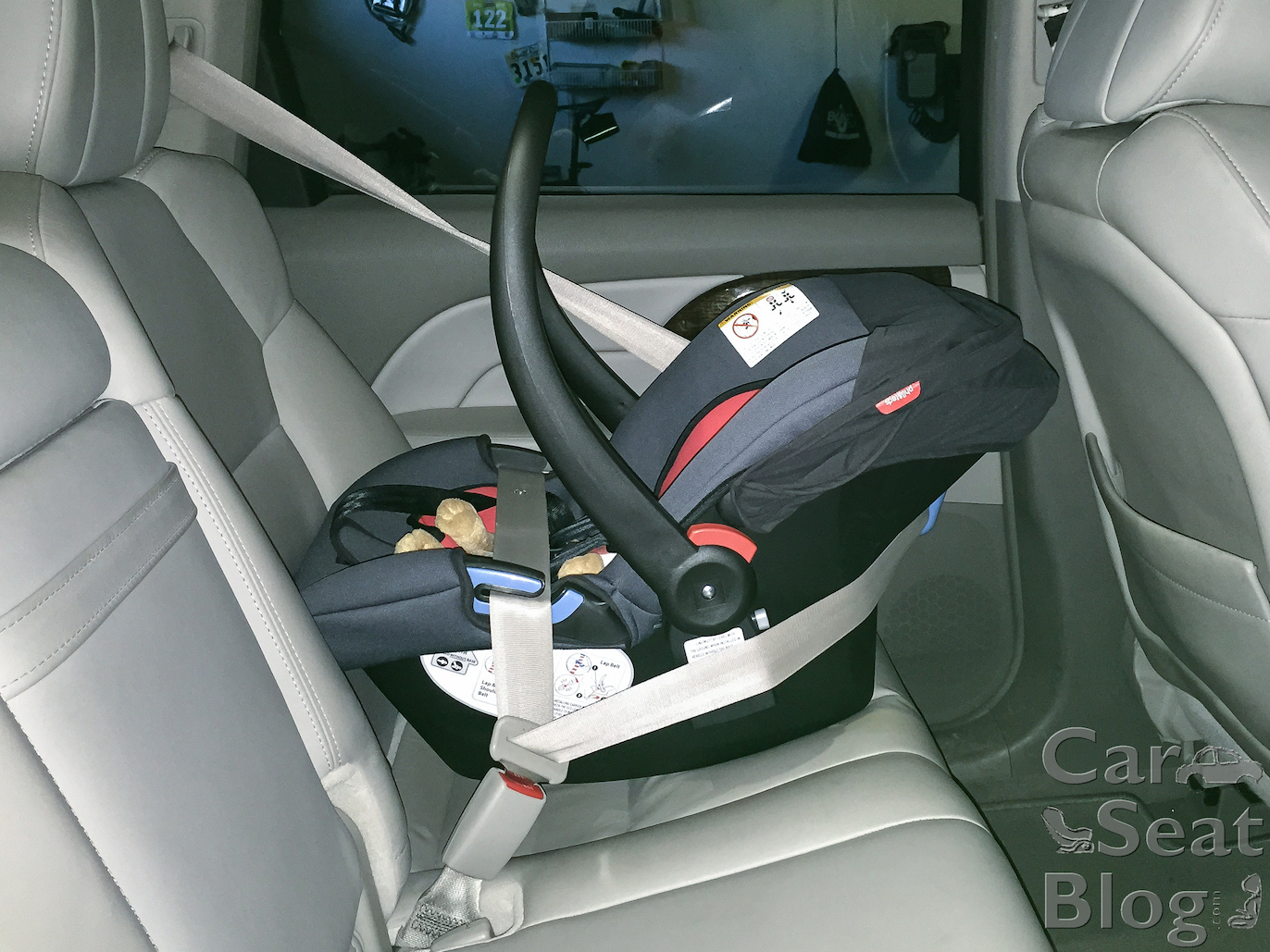
Why correct installation matters
Proper installation saves lives. A loose or misrouted seat can fail in a crash. Learning how to install baby car seat with seatbelt reduces injury risk and gives you confidence. Car seat laws and safety recommendations exist because correct fit works.

Basic terms and car seat types
Know the names before you start. Rear-facing seats protect infants and toddlers. Forward-facing seats are for older toddlers with harnesses. Booster seats use the vehicle seatbelt for older kids. When you learn how to install baby car seat with seatbelt, understanding belt path and locking mechanisms is key. LATCH is an alternative anchor system, but the seatbelt method works on nearly every vehicle.

Tools and prep before you begin
Gather what you need. Bring the car seat manual and your vehicle owner’s manual. Have a locking clip handy if your vehicle seatbelt does not lock. Clear the vehicle seat and remove bulky coats. Being prepared makes how to install baby car seat with seatbelt fast and correct.
Step-by-step: How to install baby car seat with seatbelt
Follow these steps slowly. Read the car seat label for the correct belt path for rear-facing or forward-facing use.
- Position the car seat
- Place the seat in the vehicle seat you choose.
- Use the rear middle seat if possible; it often offers the most protection.
- Route the seatbelt
- Thread the vehicle seatbelt through the belt path marked on the car seat.
- For rear-facing seats use the rear-facing belt path. For forward-facing use the forward-facing belt path.
- Buckle the belt
- Click the seatbelt into the buckle until you hear a clear sound.
- Keep the belt flat and untwisted.
- Lock the seatbelt
- Engage the vehicle’s automatic locking retractor if available by pulling the belt all the way out and letting it retract.
- If the belt won’t lock, use a locking clip as your car seat manual directs.
- Tighten the belt
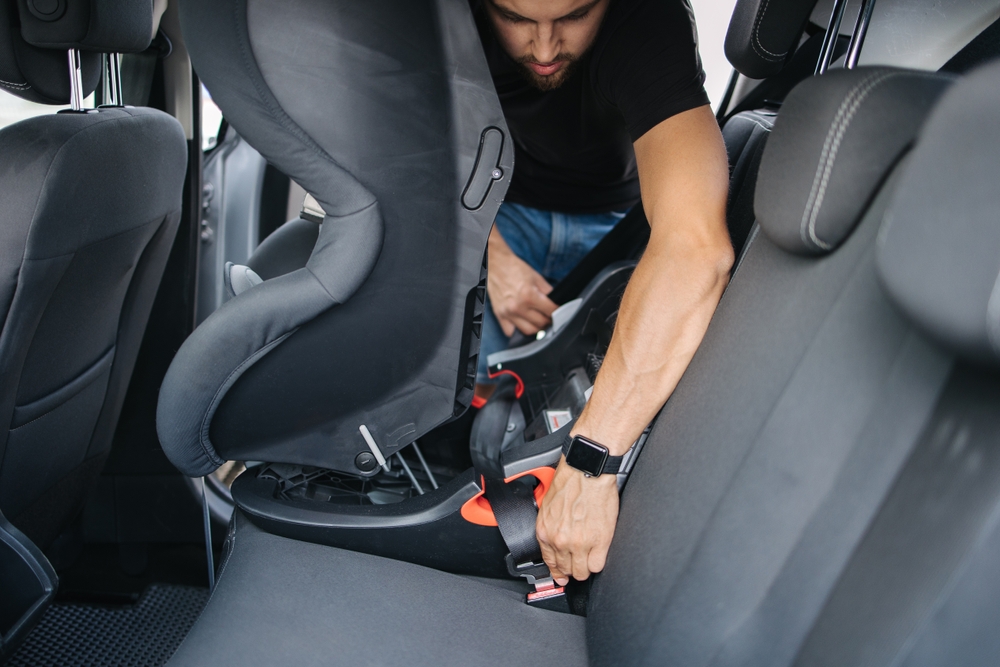
- Press the car seat base firmly into the vehicle seat with your knee.
- Pull the belt tight to remove slack.
- Check for movement
- Grab the car seat at the belt path and give it a firm shake.
- It should move less than 1 inch side-to-side or front-to-back.
- Angle and recline
- Set the recline angle for newborns per the car seat indicator.
- Use a rolled towel if your vehicle seat is too upright and the seat requires padding.
- Secure the harness and chest clip
- Place the child in the seat and buckle the harness.
- The harness should be snug with the chest clip at armpit level.
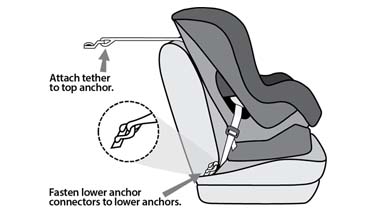
- For forward-facing only: attach the top tether
- Find the vehicle tether anchor and clip the tether.
- Tighten the tether per instructions to reduce forward motion.
Repeat the check after your first short trip. Practice makes the process easier and safer. Learning how to install baby car seat with seatbelt well means fewer mistakes and more reliable protection.

Common mistakes and how to avoid them
- Incorrect belt path. Always follow the car seat label for rear-facing versus forward-facing.
- Loose belt. Use the locking retractor or a locking clip to remove slack.
- Twisted belt. Keep the seatbelt flat for full strength.
- Wrong harness tightness. Harness should be snug without gaps; use the pinch test.
- Using expired or damaged seats. Check labels and inspect for cracks or missing parts.
Fixing these keeps your work on how to install baby car seat with seatbelt effective.
Testing and safety checks
Do these checks every time you install the seat. The 1-inch test is simple: push at the belt path and check movement. Inspect the harness fit and chest clip height. Confirm the seat’s angle indicator for rear-facing seats. Finally, register the car seat with the manufacturer to receive recall notices. These steps ensure your how to install baby car seat with seatbelt job stayed thorough.

Transitioning between seat modes and when to use seatbelt
Know the limits by weight and height on the car seat label. Many seats allow extended rear-facing use. When your child outgrows the harness limits, move to a booster that uses the vehicle seatbelt. In some vehicles, LATCH weight limits mean switching to seatbelt installation as the child grows. Understanding how to install baby car seat with seatbelt helps you adapt safely as your child grows.

Maintenance, expiration, and replacement
Keep seats clean and functional. Check the expiration date on the label; most seats expire 6–10 years after manufacture. Replace a car seat after a moderate or severe crash. Store parts safely and replace missing hardware only with manufacturer parts. Regular care prolongs life and safety of your how to install baby car seat with seatbelt skills.

Personal tips and real-life lessons
I once tightened a seat without locking the belt and found it slid on test drive. That taught me to always test the locking feature. I also learned to install a spare seat the same way each time, so I never guess at belt routing. My top tips:
- Always read both manuals. They are short and vital.
- Practice installation at home before the first road trip.
- Ask a certified technician to check your work if you’re unsure.
These small habits make how to install baby car seat with seatbelt fast and worry-free.
Frequently Asked Questions of how to install baby car seat with seatbelt
Can I install a car seat with a seatbelt instead of LATCH?
Yes. Most car seats are designed for both methods. Use the seatbelt if LATCH weight limits are reached or if the vehicle lacks LATCH anchors.
How tight should the seatbelt be when installing a car seat?
Tight enough that the seat moves less than 1 inch at the belt path. Use your body weight to press the seat and pull the belt taut.
Do I need a locking clip to install with a seatbelt?
You may need a locking clip if your vehicle seatbelt does not have an automatic locking retractor. Follow your car seat manual for the correct method.
Which seatbelt path do I use for rear-facing seats?
Use the belt path labeled rear-facing on the car seat. Routing the belt through the wrong path can reduce protection.
When should I replace a car seat after an accident?
Replace the seat after a moderate or severe crash. For minor crashes, follow manufacturer guidance, but when in doubt, replace the seat.
Can I install a car seat in the front passenger seat?
It is safer to install car seats in the rear seats. Front passenger airbags can harm infants in rear-facing seats, so rear seats are preferred.
Conclusion
You now have a clear, step-by-step plan for how to install baby car seat with seatbelt. Follow the belt path, lock the belt, tighten, and test movement. Practice these steps and get a second check when possible. Take action today: install the seat, test it, and sign up for safety updates or local checks to stay confident and protected.