

Starting Infant Day Care Essentials means packing a bag that has to work for someone else, on a schedule you don’t control. What fits in that bag matters as much as what’s in it: labeled bottles, leak-proof containers, and small comfort items a caregiver can use without a long explanation. The right infant daycare essentials make handoffs smoother and give caregivers what they need to keep a baby fed, clean, and comfortable through the day.
Some items belong in the daily bag, while others are better suited to a diaper bag backup pouch or a shelf at home. Ready-to-feed formula and a good cooler bag solve the logistics of feeding away from a parent. Grooming kits, gas relief drops, and teething gels address common daily discomforts, though most require a quick chat with daycare staff about dosing and storage rules before they go in a bag. Reading labels carefully and checking with a pediatrician before introducing any new product is worth the extra minute, especially for anything a baby will swallow or that touches sensitive skin.
Weight, size, and hygiene matter more for daycare bags than for home use. A bulky kit or a leaky bottle bag creates problems for a caregiver juggling several children, so compact packaging and clearly labeled contents are worth prioritizing. The products below cover feeding, grooming, and comfort needs that come up during a typical daycare day.
Best for a well-stocked newborn starter set: Little Remedies New Baby Essentials Kit
Best for compact grooming on the go: WXA Baby Grooming Kit
Best for a simple, budget-friendly basics set: Safety 1st Baby Care Basics
Best for transporting breast milk to daycare: Mancro Breastmilk Cooler Bag
Best for grab-and-go bottle feeding: Similac 360 Total Care Ready-to-Feed, 2 Fl Oz
Best for daily newborn skin care: Aveeno Baby Healthy Start Newborn Balm
Best for easing mealtime fussiness: MYLICON Gas Relief Drops
Best for teething comfort during drop-off days: Orajel Baby Daytime & Nighttime Cooling Gels
Best for quick post-feeding oral hygiene: Papablic Baby Tongue Cleaner
Best for stocking up on feeding supplies: Similac 360 Total Care Ready-to-Feed, 8 Fl Oz
Little Remedies New Baby Essentials Kit
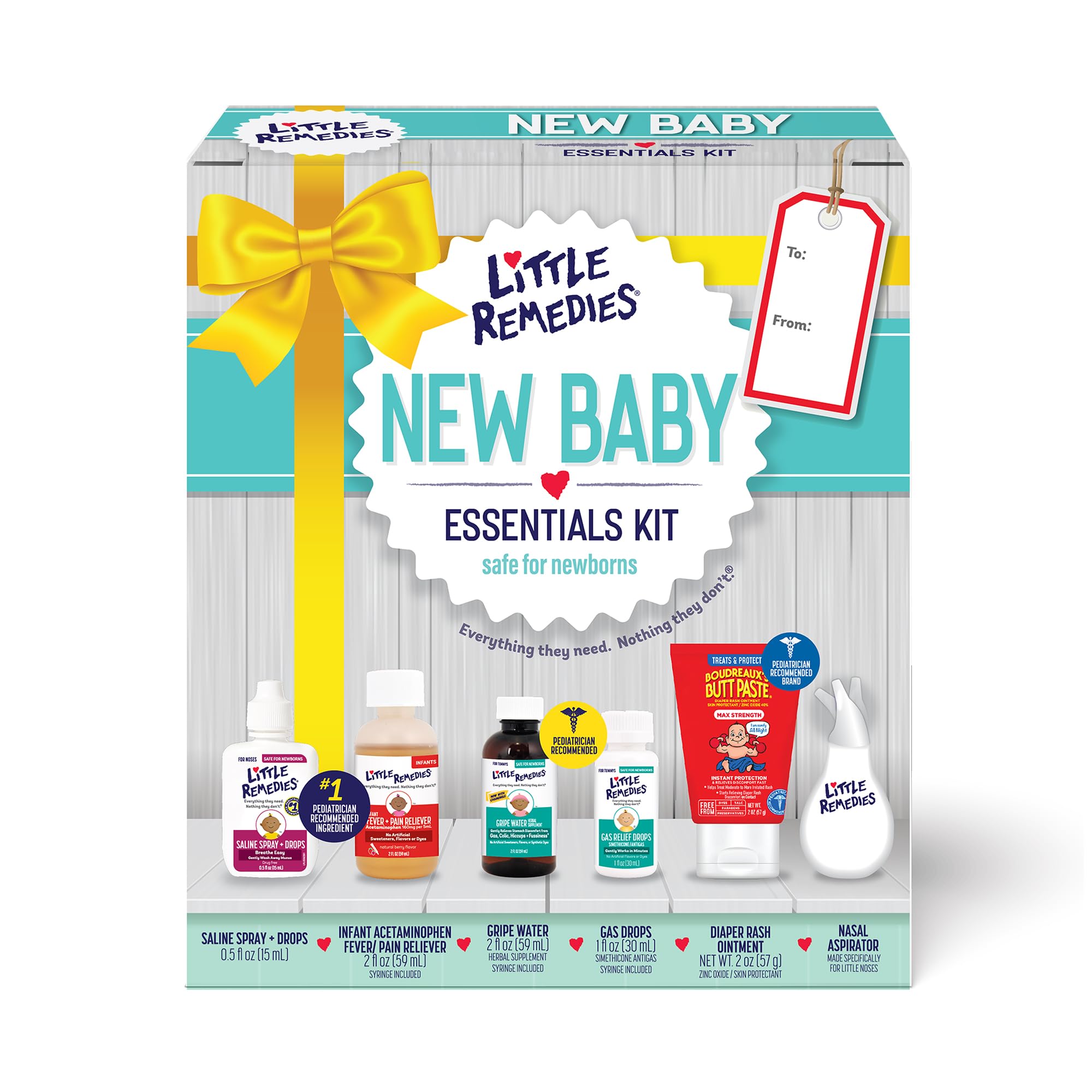 This kit works well as a home base stocked with common newborn comfort items, though most pieces should stay out of the daycare bag until a pediatrician signs off.
Pros
- Covers six common newborn needs in one box
- Free of dyes, saccharin, and artificial flavors
- Convenient for organizing a nursery shelf
Cons
- Too bulky to send the whole kit to daycare
- Includes fever medicine that needs pediatrician guidance
- Diaper cream texture gets mixed feedback
New parents often receive this as a shower gift, and it’s a practical one. The saline spray, gas drops, and gripe water address fussiness and congestion that show up in the first months. The included fever reducer and diaper cream are treatments, not comfort items, so check with a pediatrician about dosing before use and confirm what your daycare allows on-site.
WXA Baby Grooming Kit
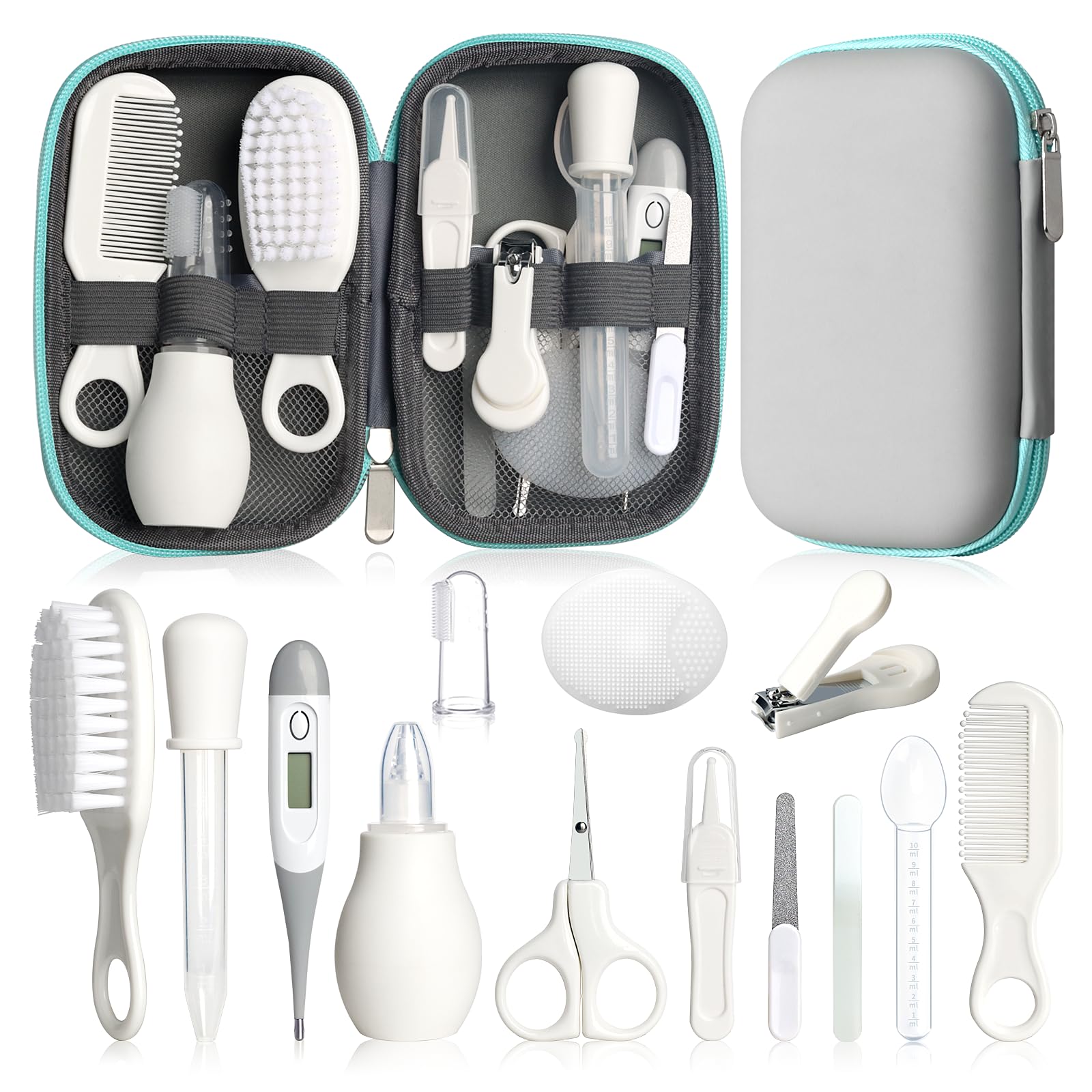 This 14-piece set is a good pick for parents who want a portable grooming case that fits easily into a diaper bag pocket.
Pros
- Comes with its own carrying case
- Includes nail, hair, and nasal care tools
- Lightweight enough for daily transport
Cons
- Bulb aspirator gets mixed reviews on effectiveness
- Some tools may not be needed daily
- Not all daycares allow outside grooming tools on-site
The stainless steel clippers and soft-bristle brush stand out as the most useful pieces for quick touch-ups. Parents sending grooming items to daycare should ask staff first, since many centers prefer to handle only diapering and feeding, not haircare or nail trims. Infant Day Care Essentials
Safety 1st Baby Care Basics
 This four-piece set covers the basics without extra add-ons, making it a simple choice for a home care station.
Pros
- Straightforward, no-frills design
- Comfortable grip on nail clippers
- Competitively priced for a starter set
Cons
- Fewer pieces than larger grooming kits
- No carrying case for daycare transport
- Hand wash only, which adds a cleaning step
The soft brush and small nail clippers work well for newborns still adjusting to grooming routines. Because it lacks a case, parents who want to send a piece or two to daycare may need to repackage items in a labeled pouch first.
Mancro Breastmilk Cooler Bag
 This insulated bag solves one of the biggest daycare logistics problems: keeping breast milk cold from home to the classroom fridge.
Pros
- Holds six bottles up to 9 ounces
- Keeps contents cold for several hours with included ice pack
- Multiple carry options, including stroller attachment
Cons
- Only one ice pack included
- Not built for freezing solid items like popsicles
- Larger size may not fit small diaper bags
Parents who pump regularly will likely find this bag becomes part of the daily routine. The leak-resistant lining helps protect against spills during transport, an important detail since many daycares have strict rules about labeled, sealed bottles. Confirm your center’s storage policy, since some require bags placed directly in a refrigerator on arrival.
Similac 360 Total Care Ready-to-Feed, 2 Fl Oz
 These small ready-to-feed bottles are a convenient backup for daycare, since they need no mixing or measuring before a feeding.
Pros
- No mixing required, ready to serve
- Small size fits easily in a diaper bag
- Contains a prebiotic blend similar to those found in breast milk
Cons
- More costly per ounce than powdered formula
- Small size may not last through a full daycare day
- Requires a separate nipple for use
The single-serve format helps prevent waste, since caregivers open only what’s needed per feeding. Always confirm the formula matches what your pediatrician recommends before switching or supplementing, and check your daycare’s policy on outside formula versus what they may stock.
Aveeno Baby Healthy Start Newborn Balm
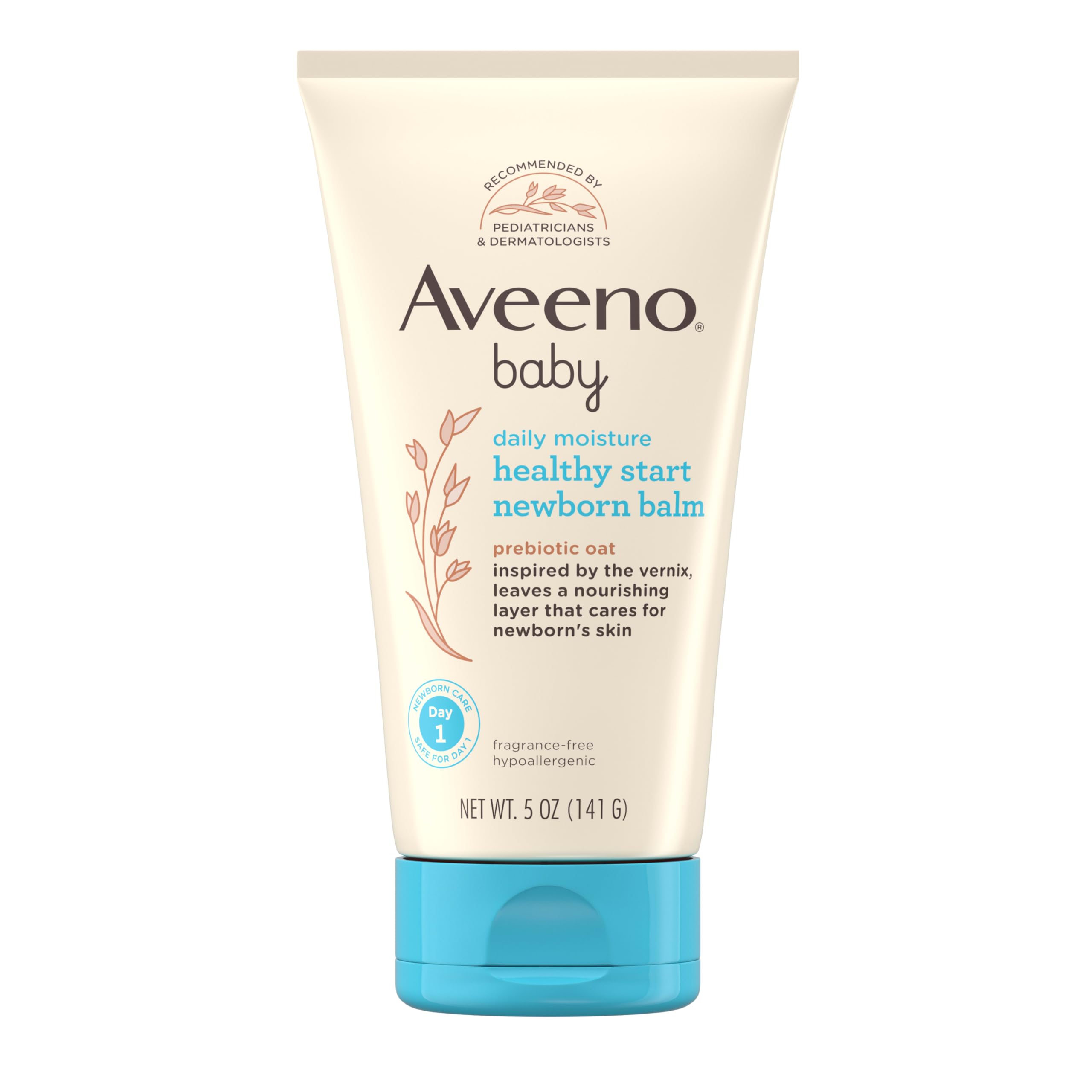 This fragrance-free balm is a gentle option for parents looking to support a newborn’s skin barrier without added scents or dyes.
Pros
- Fragrance-free and hypoallergenic formula
- Suitable for use from day one, per the label
- Non-greasy texture absorbs without excess residue
Cons
- Small tube may need frequent replacing with daily use
- Not a treatment for diagnosed skin conditions like eczema
- Best results come with twice-daily use, which requires planning around daycare hours
Parents managing dry newborn skin may find this balm helpful as part of a daily moisturizing routine. It is a comfort and care product, not a medical treatment, so persistent rashes or eczema symptoms should be discussed with a pediatrician. Sending a labeled travel-size tube to daycare works well for reapplication after diaper changes.
MYLICON Gas Relief Drops
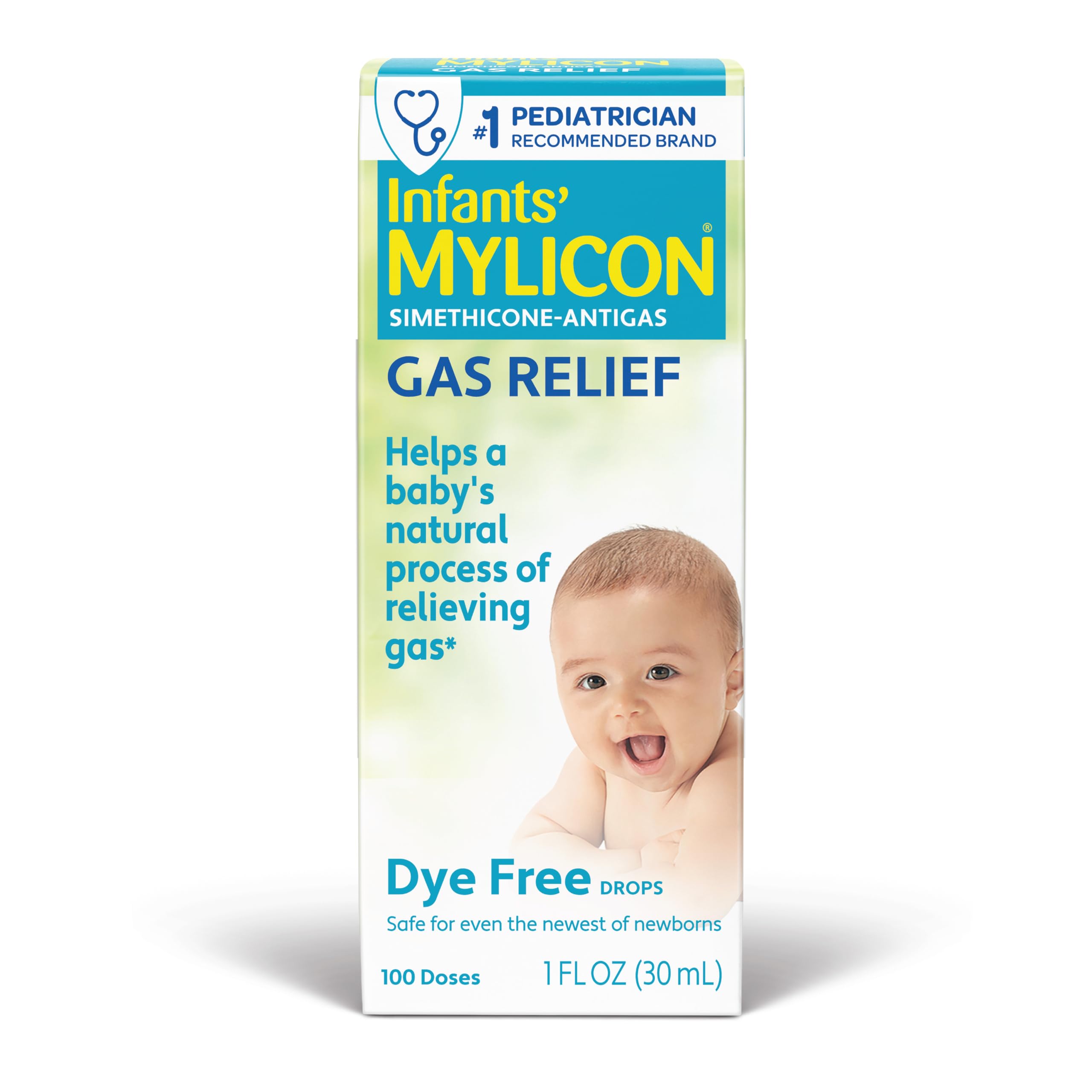 These simethicone drops may help ease infant gas discomfort that sometimes flares up during or after feedings at daycare.
Pros
- Dosing syringe included for accuracy
- No dyes, alcohol, or saccharin in the formula
- Can be used with every feeding per label directions
Cons
- Requires daycare staff approval before administering
- Effectiveness varies by baby, based on reviews
- Needs consistent dosing tracking between home and daycare
Because this product is given directly to an infant, most daycare centers require a signed medication form and clear dosing instructions before staff will administer it. Parents should follow label directions closely and check with their pediatrician if gas symptoms seem severe or persistent rather than occasional.
Orajel Baby Cooling Gels for Teething
 This drug-free gel offers a cooling sensation that may help soothe a fussy, teething baby during the day or at bedtime.
Pros
- Drug-free formula with no benzocaine
- Separate daytime and nighttime formulas
- Easy application at home or away
Cons
- Daycare may require written permission to apply
- Cooling effect is temporary and needs reapplication
- Not a substitute for teething toys or cold rings
Since this gel is applied directly in a baby’s mouth, most centers ask for it to stay in a labeled, sealed bag with instructions attached, or handled only by a parent at drop-off. It works best as a comfort measure alongside teething toys, not as a standalone fix for a difficult teething day.
Papablic Baby Tongue Cleaner
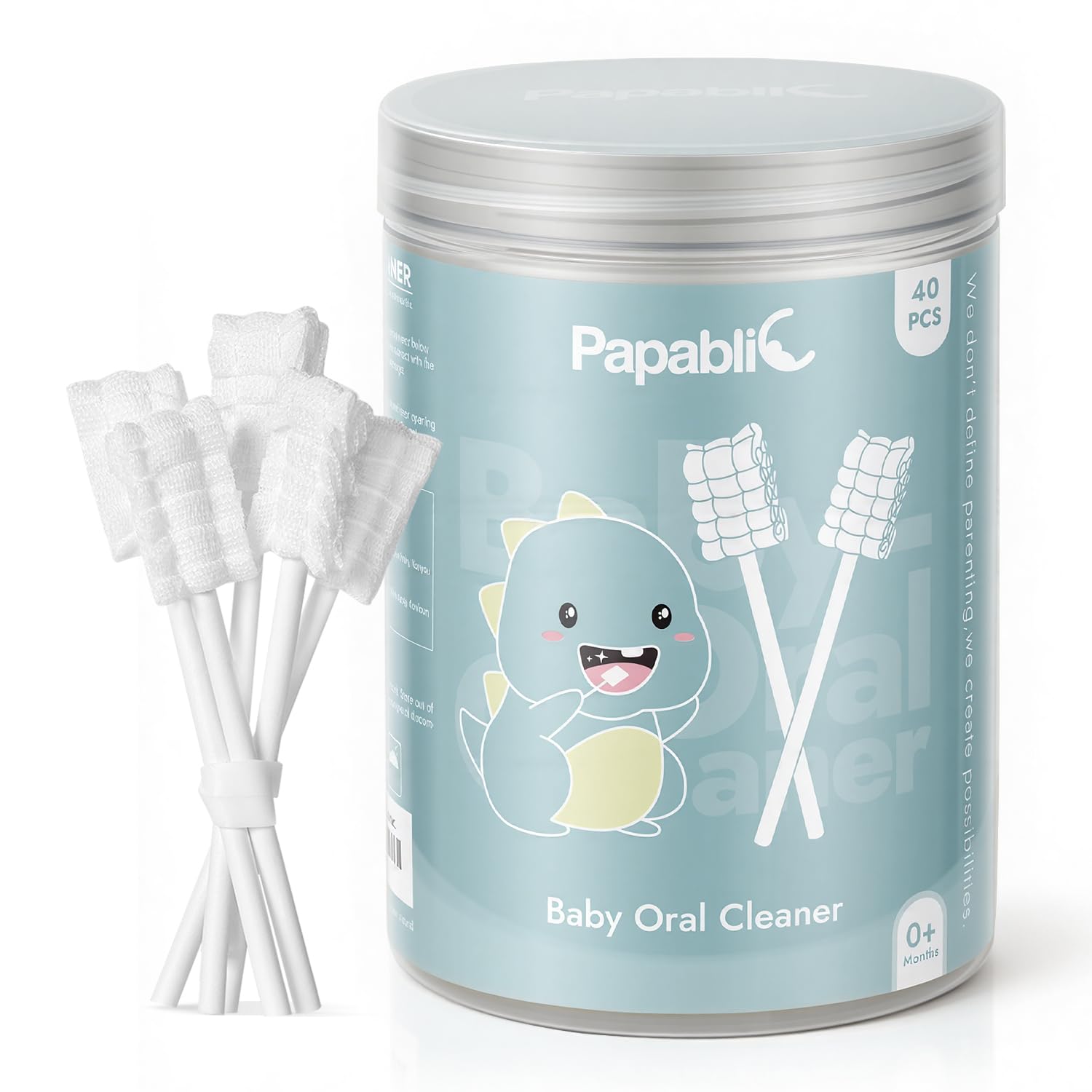 These individually wrapped, disposable swabs make a simple post-feeding hygiene step easy to send along in a diaper bag.
Pros
- Individually wrapped for hygienic single use
- Soft gauze texture designed for sensitive gums
- Compact enough to pack several in a diaper bag
Cons
- Disposable design means ongoing repurchases
- Some parents find the process takes extra time
- Best used with feeding schedule coordination at daycare
The individually sealed packaging makes these easy to hand off to a caregiver without worrying about cleanliness between uses. They work well for a quick gum wipe after a bottle, though busy daycare staff may only manage this during specific feeding windows, so setting realistic expectations with your provider helps.
Similac 360 Total Care Ready-to-Feed, 8 Fl Oz
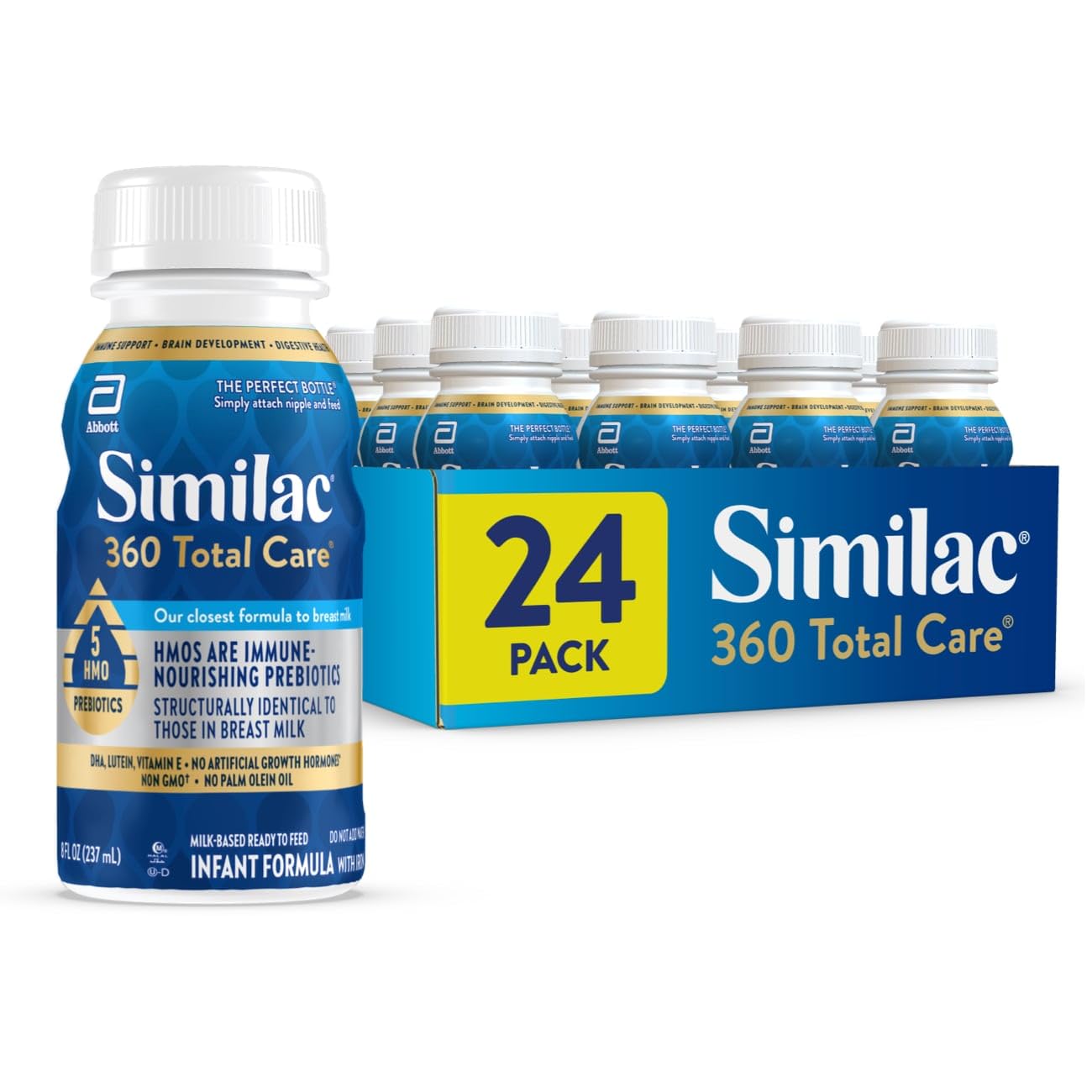 This larger case of ready-to-feed bottles is a practical option for families who want to stock daycare with formula for several days at once.
Pros
- No mixing needed, ready to serve straight from the bottle
- Bulk case reduces the need for frequent restocking
- Same trusted prebiotic blend as the smaller size
Cons
- Heavier case makes transport to daycare less convenient in small batches
- Higher upfront cost than powdered formula
- Requires refrigeration once opened, per label
Buying in bulk works well for parents who want to drop off a week’s supply rather than pack bottles daily. Once opened, each bottle should be used within the time frame stated on the label and stored according to your daycare’s refrigeration policy. Confirm with your pediatrician that this formula matches your baby’s feeding plan before switching brands.
Buying Guide
Think About Portability First
Daycare bags get packed and unpacked daily, so size and weight matter as much as function. A product that works well at home might be too bulky or fragile for daily transport.
Look for compact packaging, secure closures, and labels that stay attached after repeated handling. Items with small parts or loose caps are harder for busy caregivers to manage safely.
Check for Leak Resistance
Anything containing liquid, whether formula, breast milk, or gel, needs a leak-proof seal. A single spill in a shared diaper bag can ruin other items and create a mess for caregivers to clean up.
| Feature | Why It Matters |
|---|---|
| Screw-top or snap-lock lids | Prevent spills during transport |
| Insulated lining | Keeps temperature-sensitive items safe longer |
| Waterproof outer material | Protects the rest of the bag’s contents |
Confirm Age Suitability
Every product should list a recommended age range on the packaging. Newborn-specific items differ from those meant for older infants, especially with teething gels, formula, and skin care.
Always match the product to your baby’s current stage rather than assuming a “baby” label means it fits every age group.
Understand What Requires Approval
Some products, like medicines, gas relief drops, and teething gels, need a signed permission form before daycare staff can give them. Others, like grooming tools or cooler bags, usually don’t need approval since they aren’t administered to the baby directly.
Ask your daycare in advance what their policy requires. Centers often want:
- A copy of the product label
- Written dosing instructions from a doctor
- The original, unopened container with a visible expiration date
Prioritize Hygiene for Shared Spaces
Daycare settings involve multiple caregivers handling the same items throughout the day. Disposable or individually wrapped products reduce the risk of cross-contamination between feedings or diaper changes.
Reusable tools should be easy to clean between uses and made from materials that hold up to frequent washing.
Read Labels Every Time
Ingredient lists and usage directions can change between product versions, even within the same brand. Checking the label before every restock helps avoid surprises, especially with formula, skin balms, and anything applied near a baby’s mouth.
When in doubt about dosing, ingredients, or suitability for your baby’s age, a quick call to your pediatrician settles the question faster than guessing.