
A Medical Kit for Newborns first months bring a steady stream of small health concerns: a stuffy nose, a bout of gas, a diaper rash, or a fever that needs checking at 2 a.m. Having the right supplies on hand before those moments happen makes them far easier to manage. A well-stocked medical kit for newborn care puts saline drops, a thermometer, and basic first-aid items within reach instead of leaving parents searching the house at midnight.
These kits fall into a few different categories. Some focus on wellness, with gripe water, gas relief drops, and nasal saline for everyday fussiness. Others are grooming sets built around nail clippers, brushes, and thermometers. A smaller group covers true first aid, meaning bandages, wound care, and emergency supplies for cuts and falls. None of these categories fully substitute for another, so knowing which one a family actually needs matters before buying.
When comparing kits, check what’s actually inside rather than assuming “baby kit” means complete coverage. Look at material safety (BPA-free plastics, latex-free components), the age range each tool is designed for, and whether medications included are appropriate for a newborn’s weight and age. Portability matters for travel, while a larger case with more tools suits home use. The following ten picks cover everyday wellness, grooming, medicine delivery, travel convenience, and emergency first aid.
Best for tummy troubles and stuffy noses: Little Remedies New Baby Essentials Kit
Best for grooming and basic health monitoring: Safety 1st Deluxe Healthcare and Grooming Kit
Best for a well-rounded shower gift: Frida Baby Ultimate Baby Kit
Best for a compact wellness starter set: Mommy’s Bliss 4-Piece Newborn Kit
Best for travel and sick-day emergencies: Frida Baby Mobile Medicine Cabinet
Best for budget-friendly grooming basics: WXA 14-in-1 Baby Grooming Kit
Best for the most tools in one case: Smart Care 16-Piece Grooming & Healthcare Set
Best for true first-aid emergencies: The Life Safety Pro Baby First Aid Kit
Best for gentle everyday cleanup: WaterWipes Sensitive+ Baby Wipes
Best for giving medicine without a fight: Dr. Brown’s Pacidose Dispenser
Little Remedies New Baby Essentials Kit
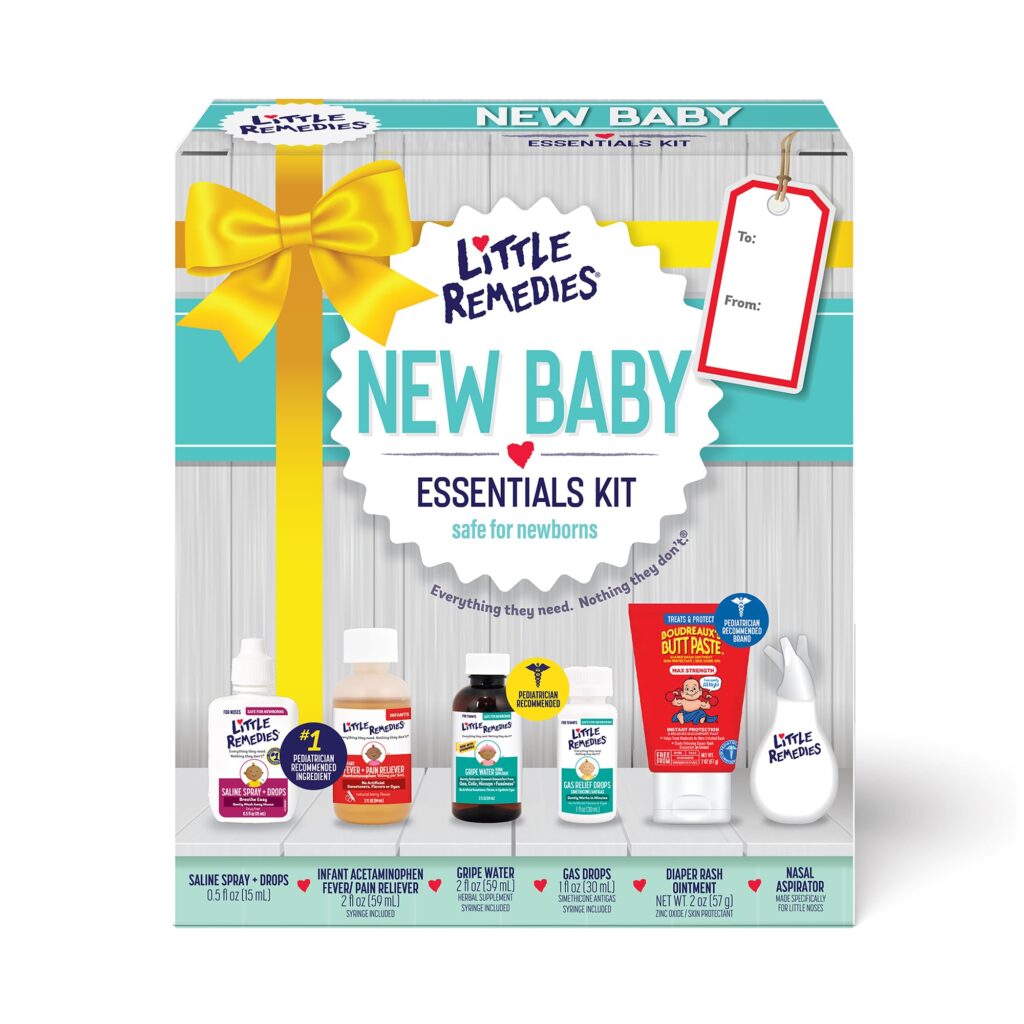
This kit suits parents who want a starter set of wellness items for common newborn discomforts like gas, congestion, and diaper rash.
Pros
- Covers four common newborn complaints in one box
- Free from artificial dyes, saccharin, and baby aspirin
- Well-suited as a baby shower gift
Cons
- Includes fever and pain medicine that requires careful dosing by weight and age
- No thermometer included
- Not a first-aid or grooming kit
The saline spray and gas relief drops get consistent praise from parents dealing with early congestion and fussiness. The included acetaminophen product should only be used according to label directions and a pediatrician’s guidance, since dosing for infants under two months needs extra care. The diaper rash cream draws mixed feedback on texture, but the overall set covers the basics new parents reach for most in the first weeks. Medical Kit for Newborns
Safety 1st Deluxe Healthcare and Grooming Kit
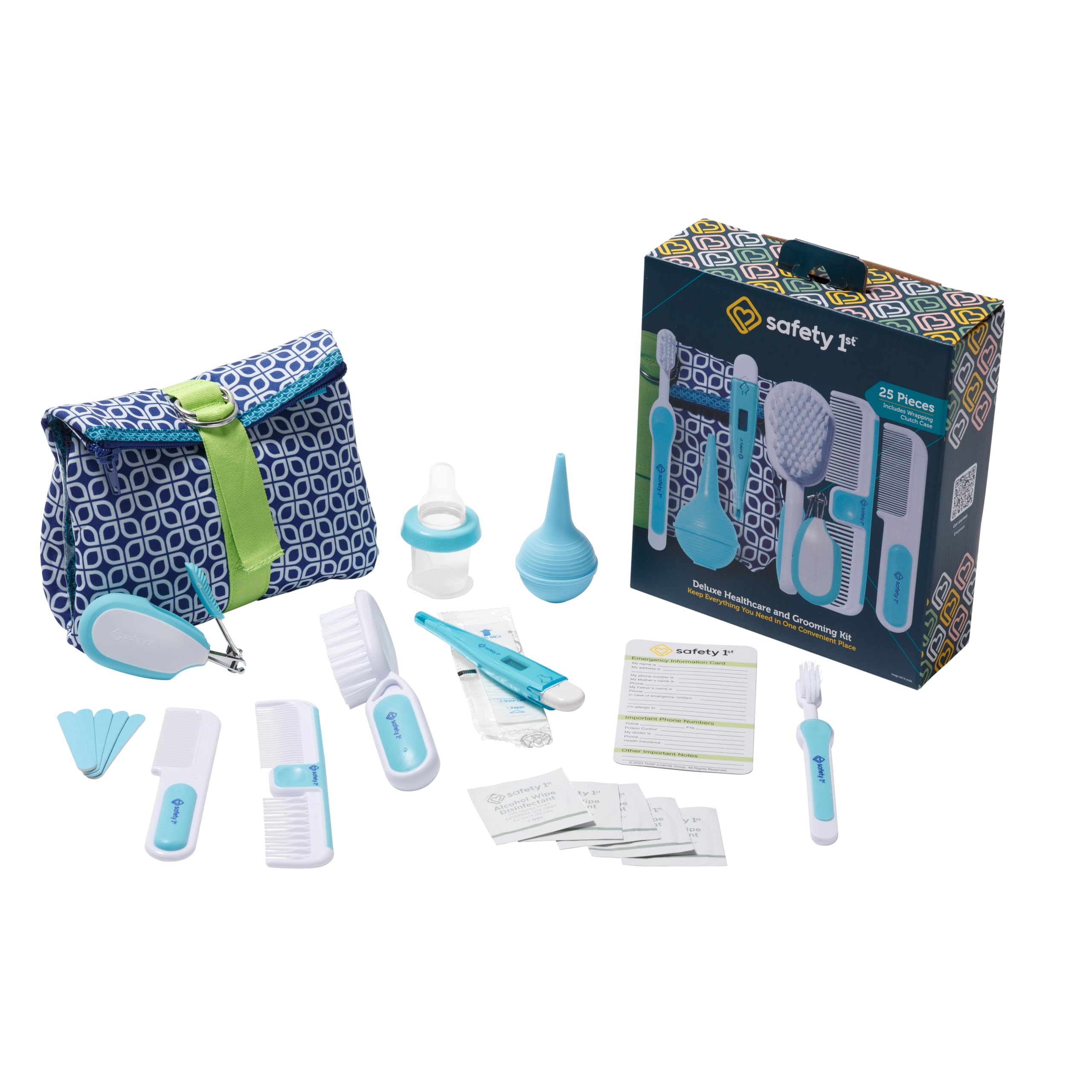
This 25-piece set works well for families who want grooming tools and a basic thermometer bundled into one organized case.
Pros
- Includes a digital thermometer with disposable probe covers
- Compact clutch case with two compartments
- Covers hair, nail, and nasal care in one kit
Cons
- Some buyers report missing pieces like the thermometer or aspirator
- No bandages or wound-care supplies
- Nail clippers are the main tool for trimming, with no scissors included
The brush, comb, and nasal aspirator handle daily grooming needs, while the thermometer adds a health-monitoring piece many grooming-only kits skip. A few reviewers noted receiving incomplete sets, so it’s worth checking contents against the included list upon arrival. This kit works best as a grooming companion rather than a medical or first-aid solution.
Frida Baby Ultimate Baby Kit

This ten-piece set is the most complete gift-style kit here, spanning sick-day care, gas relief, grooming, and teething.
Pros
- Combines wellness, grooming, and teething tools in one case
- Includes the well-known NoseFrida nasal aspirator
- Windi gas tool offers a drug-free option for relieving gas
Cons
- Higher price point than smaller kits
- Some tools, like the teether, won’t be used until months later
- Case size makes it less portable than smaller travel kits
Parents consistently point to the NoseFrida and the pacifier-style medicine dispenser as the two items they use most. The Windi gas tool draws attention because it offers an alternative to gas drops, though some parents find it takes getting used to. Because the kit spans newborn through toddler stages, a few items sit unused for months before baby grows into them.
Mommy’s Bliss 4-Piece Newborn Kit
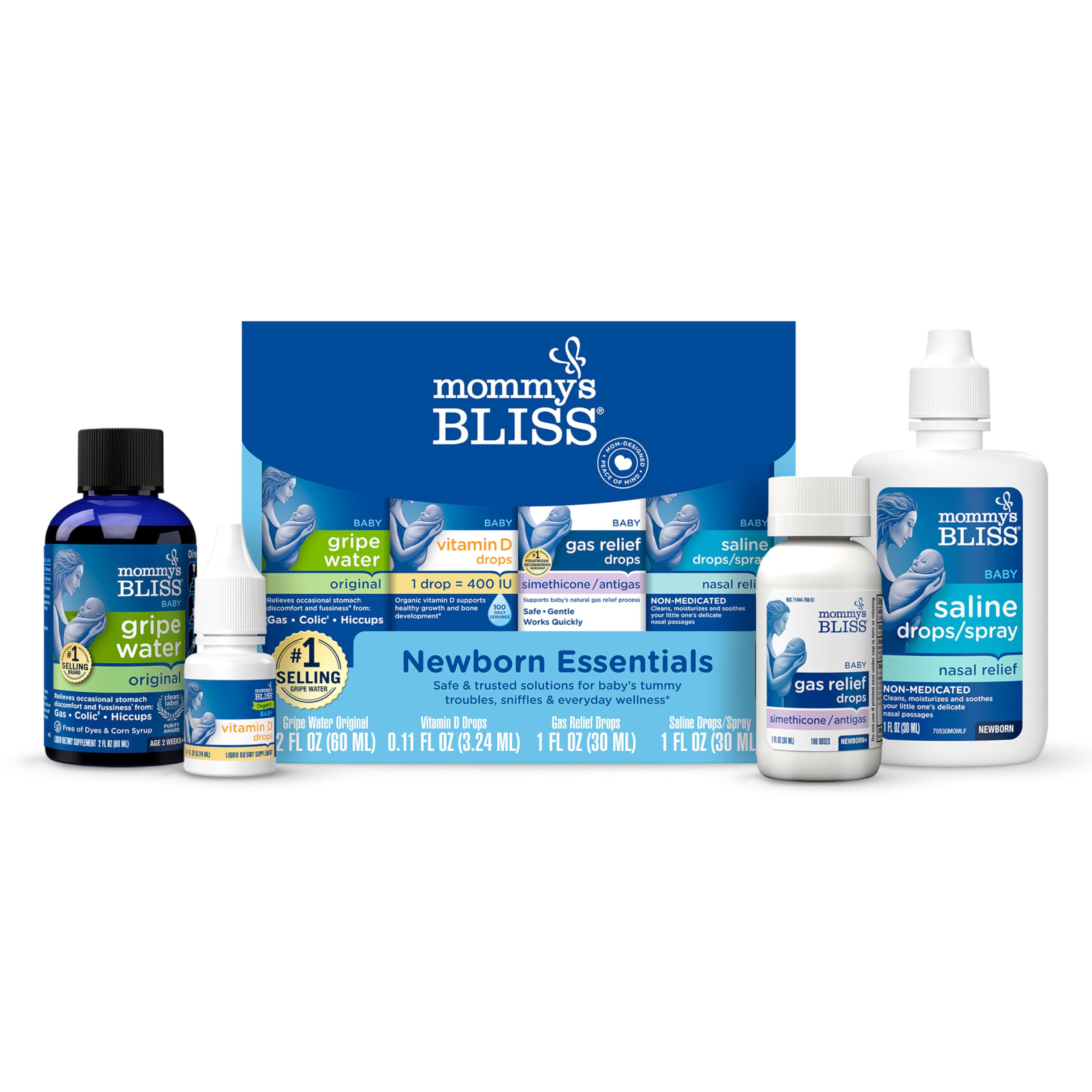
This compact four-piece set focuses on wellness basics: gripe water, gas relief, vitamin D, and saline spray.
Pros
- Includes vitamin D drops, which pediatricians commonly recommend for breastfed infants
- Free of the top eight allergens
- Small size fits easily in a diaper bag
Cons
- No grooming tools or first-aid items
- Gripe water is intended for babies two weeks and older, not younger newborns
- Smaller quantity per bottle than standalone purchases
The vitamin D drops stand out since many pediatricians recommend supplementation for breastfed babies from birth. Gripe water and gas drops address colic-related fussiness, though gripe water labels specify a minimum age of two weeks. This kit skips grooming and injury-care items entirely, making it a supplement to other kits rather than a standalone solution.
Frida Baby Mobile Medicine Cabinet

This stackable travel case suits parents who want the core sick-day tools organized for trips away from home.
Pros
- Rectal thermometer gives fast, accurate readings
- Stackable layers keep tools separated and portable
- MediFrida dispenser reduces medicine spit-up during dosing
Cons
- Several reviewers report missing components like filters or the dispenser
- Smaller storage capacity than larger kits
- No wound care or grooming tools included
The stacked, strappable case design makes this one of the more travel-friendly options on this list, fitting easily into a diaper bag pocket. The rectal thermometer and pacifier-style dispenser cover two of the most common sick-day needs. Quality control complaints about missing parts show up often enough that it’s worth confirming all pieces are present when the kit arrives.
WXA 14-in-1 Baby Grooming Kit
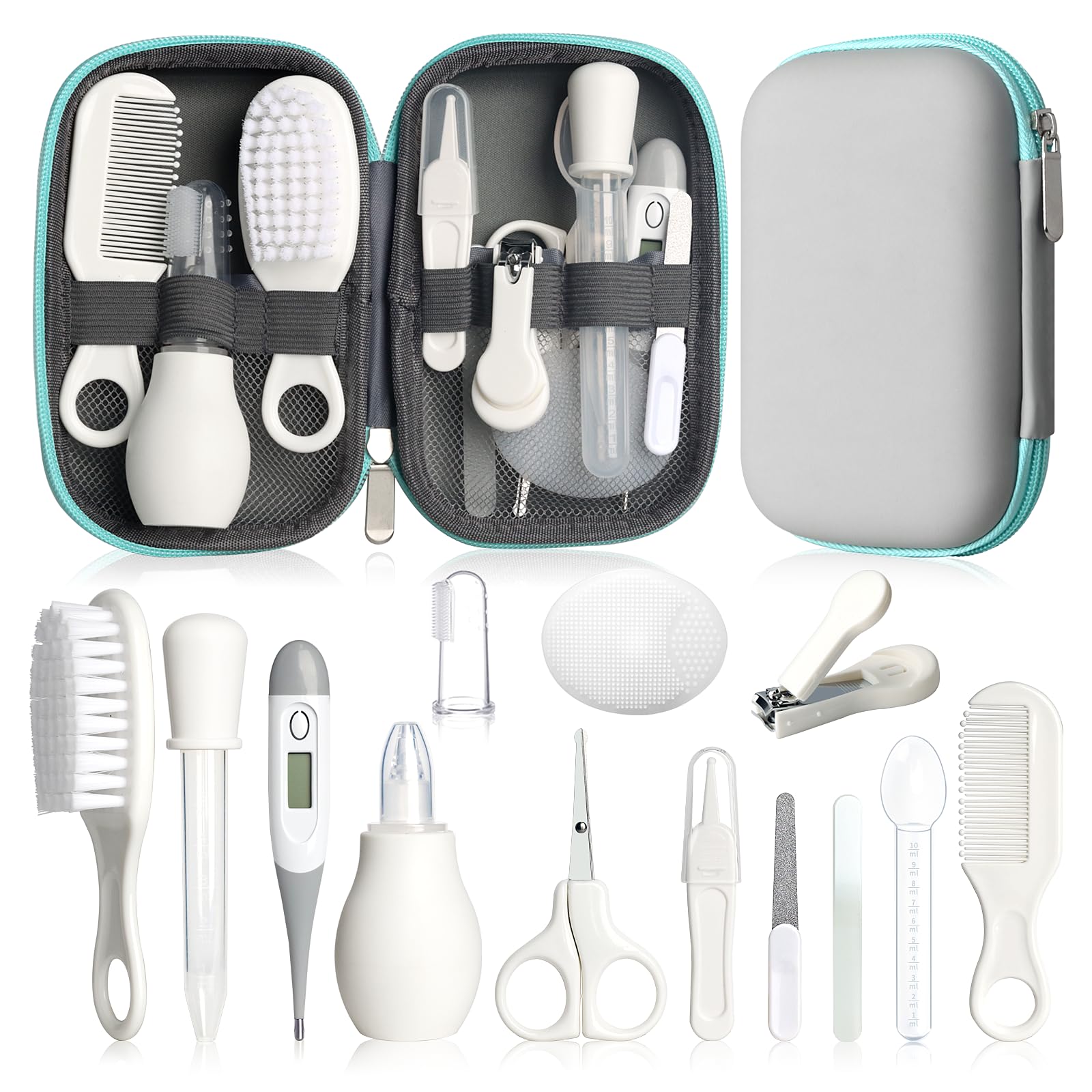
This budget-friendly 14-piece set covers basic grooming needs for parents who don’t need medical tools.
Pros
- Includes scissors in addition to nail clippers, a rarer combination
- Compact EVA carrying bag
- Competitively priced for the number of pieces included
Cons
- Bulb syringe gets mixed reviews for suction effectiveness
- No thermometer included
- Stainless steel tools require careful handling around newborns
The added baby scissors and measuring spoons set this kit apart from similar grooming bundles that stop at a brush and clippers. The bulb-style nasal aspirator draws some criticism for weak suction compared to standalone aspirators. As a low-cost grooming option, it delivers reasonable value without covering any medical or first-aid needs.
Smart Care 16-Piece Grooming & Healthcare Set

This 16-piece set packs the widest range of grooming and monitoring tools into a single zip case at a reasonable price.
Pros
- Includes a thermometer, dropper, and measuring spoon for basic health checks
- Dual toothbrush options for different ages
- Zip case keeps everything organized for travel
Cons
- No silicone nail file option, per some reviewer requests
- No true first-aid supplies like bandages
- Emery boards described as basic by some users
The nail clippers and soft brush get the most consistent praise for gentleness on newborn skin and nails. The thermometer and marked dropper add light health-monitoring capability that many grooming-only kits lack. It stops short of any wound-care supplies, so it pairs well with a dedicated first-aid kit rather than replacing one.
The Life Safety Pro Baby First Aid Kit

This is the one true first-aid kit on this list, built for cuts, burns, and injuries rather than everyday wellness.
Pros
- Designed by a firefighter/paramedic with child-specific injuries in mind
- Includes trauma shears, a CPR mask, and burn dressing
- TSA-approved for air travel
Cons
- Not intended for infections, fevers, or digestive issues
- Contains no gas relief, saline, or grooming tools
- Best suited for toddlers and older children rather than newborns specifically
This kit fills a gap the other nine products on this list don’t address: real injuries. Bandages, gauze, a cold pack, and trauma shears prepare caregivers for cuts, scrapes, and minor burns at home or on the road. It’s built more with mobile toddlers and young children in mind than newborns, but keeping one on hand from birth means it’s ready as the baby grows.
WaterWipes Sensitive+ Baby Wipes
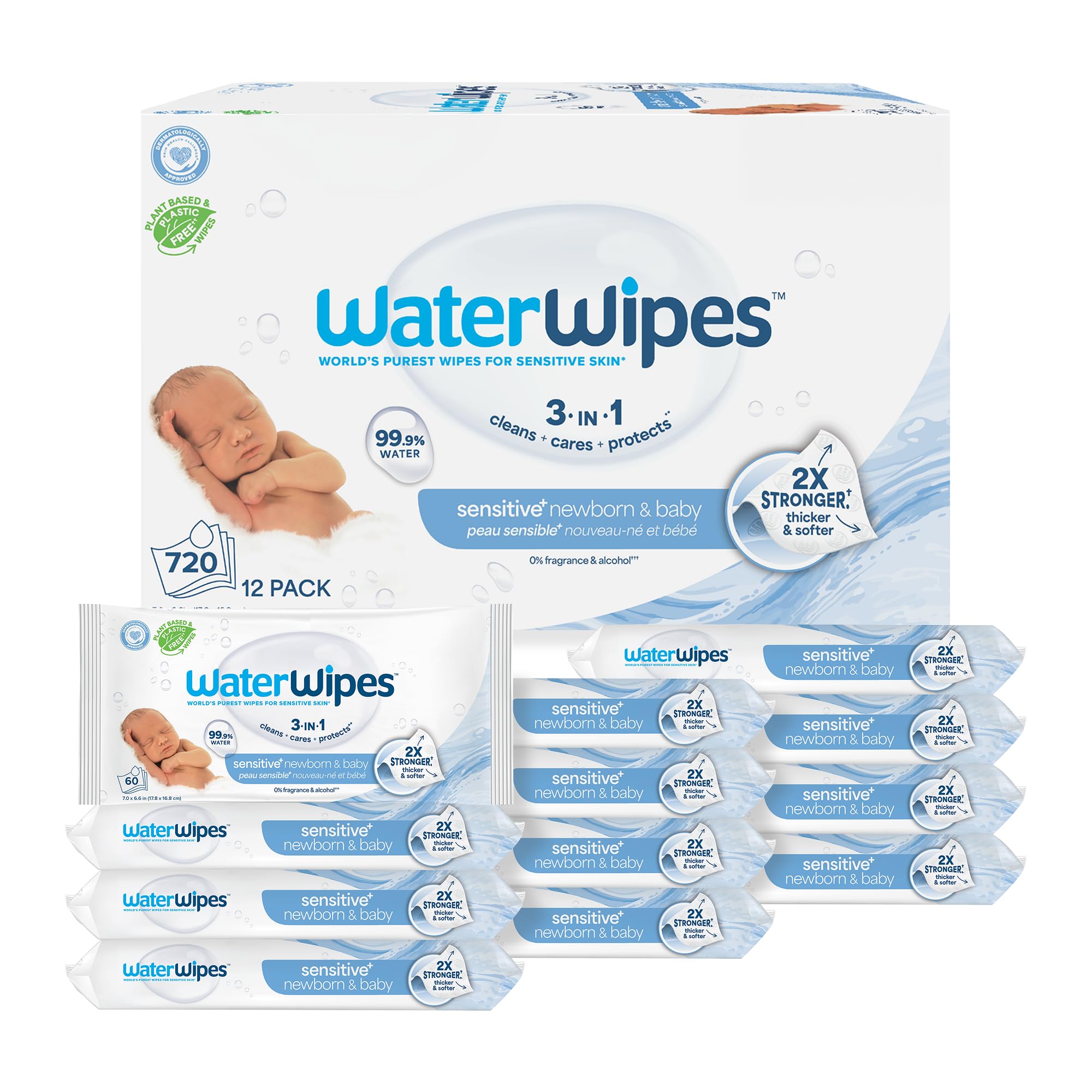
These wipes suit parents seeking a gentle, minimal-ingredient option for daily cleanup on sensitive newborn skin.
Pros
- Made from 99.9% purified water and a drop of fruit extract
- Unscented and free of common irritants like alcohol and fragrance
- Bulk 12-pack keeps a steady supply on hand
Cons
- Packaging can be difficult to open without tearing
- Higher cost than standard wipes
- Not a substitute for medicated or barrier wipes during active rash
The short ingredient list makes these wipes a common pick for babies prone to irritation or rash. They handle diaper changes as well as face and hand cleanup without added fragrance or preservatives. Several reviewers mention packaging problems, with the pull-tab seal tearing more than one wipe out at a time.
Dr. Brown’s Pacidose Dispenser
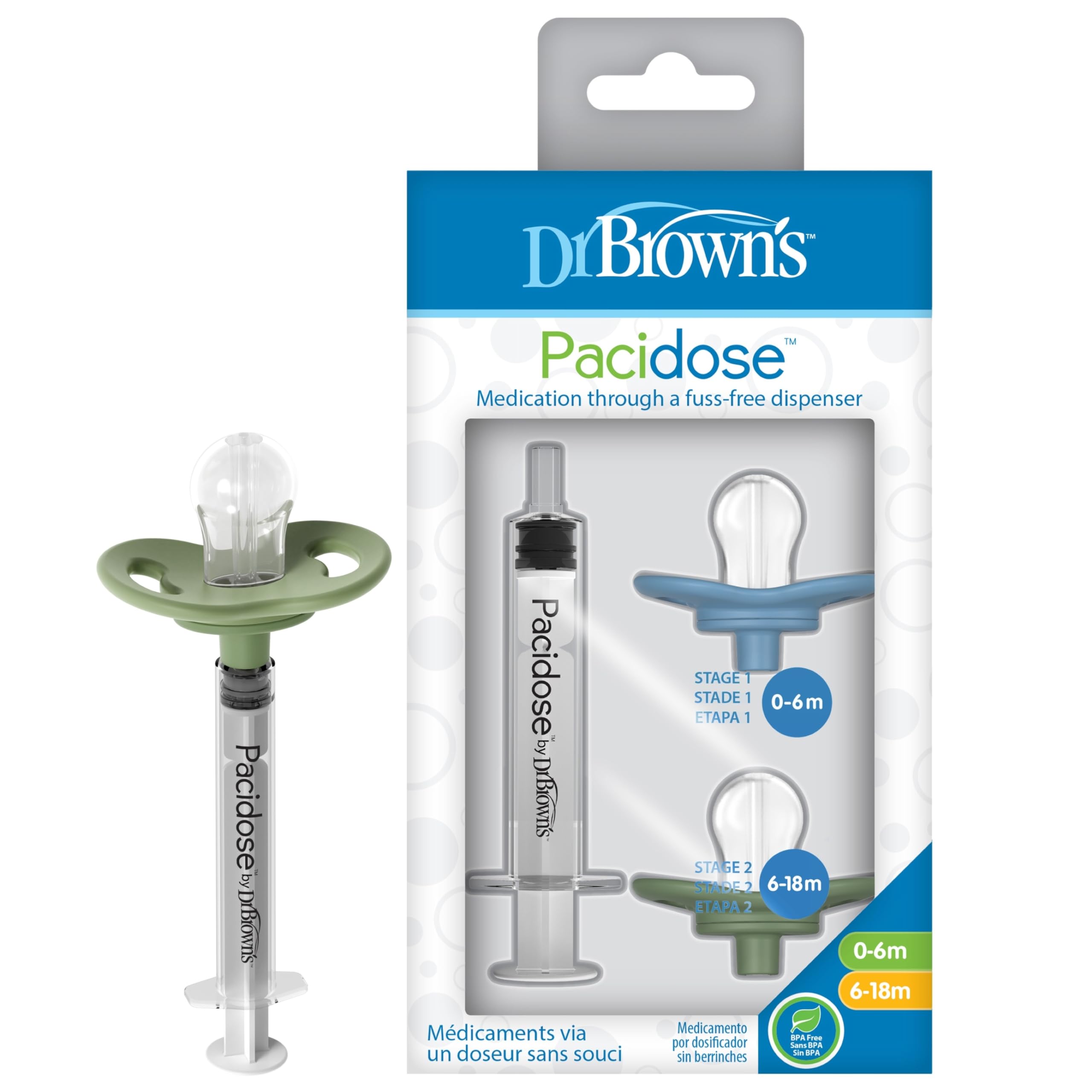
This pacifier-style dispenser helps babies take liquid medicine with less fuss than a standard oral syringe.
Pros
- Two bulb sizes cover 0-6 months and 6-18 months
- Reduces spit-up by directing medicine to the cheek instead of the throat
- Dishwasher and sterilizer safe for easy cleaning
Cons
- Syringe can become stiff after repeated use, per some reviewers
- Requires the baby to accept a pacifier shape
- Doesn’t work as a stand-alone dosing tool without the bulb attached
Parents managing a baby who fights the standard syringe often find this tool cuts down on spilled medicine and tears. The two bulb sizes mean it stays useful as the baby grows past the newborn stage. It works only as well as the baby’s willingness to accept a pacifier, so babies who reject pacifiers outright may not take to it either.
Buying Guide
Decide What Kind of Kit You Actually Need
Newborn kits split into three distinct categories, and confusing them leads to gaps in care.
| Kit Type | What It Covers | What It Doesn’t Cover |
|---|---|---|
| Wellness/comfort | Gas relief, gripe water, saline spray, vitamins | Cuts, burns, fevers requiring monitoring |
| Grooming/health monitoring | Nail clippers, brushes, thermometers, aspirators | Injury treatment, medication dosing tools |
| First aid | Bandages, wound care, CPR mask, cold packs | Colic, congestion, everyday fussiness |
Most households benefit from at least one kit from two of these categories, since no single kit here covers all three.
Check Age Appropriateness Before Buying
Many items in newborn kits are labeled for specific age windows. Gripe water often starts at two weeks. Rectal thermometers work for infants but switch to other methods as babies grow. Medicine dispensers frequently include separate bulb or dosing sizes for 0-6 months versus 6-18 months. Always match the tool to the baby’s current age rather than assuming one size fits the whole first year.
Look at Material Safety and Ease of Cleaning
Newborn skin and mouths come into contact with these tools directly, so material matters.
- BPA-free and phthalate-free plastics for anything touching skin or going near the mouth
- Latex-free components, especially in first-aid gloves and CPR masks
- Dishwasher-safe or sterilizer-safe parts for daily-use items like dispensers and aspirators
Match Portability to How You’ll Use It
A large 25-piece case makes sense for a nursery shelf but is bulky for a diaper bag. Stackable travel cases or compact clutch-style kits work better for outings, appointments, or short trips. Consider buying one larger kit for home and a smaller, portable set for the diaper bag.
Confirm What’s Missing
No kit reviewed here covers everything. Some skip thermometers, others skip first-aid supplies, and several omit wound care entirely. Read the included-components list carefully and note what still needs to be purchased separately, such as an infant pain reliever, a proper first-aid kit, or extra saline for congestion season.
When to Involve a Pediatrician
Any medication included in a kit, including fever reducers, gas drops, or vitamin supplements, should be used according to package directions for the baby’s age and weight. A pediatrician can confirm correct dosing and flag any product that isn’t appropriate for a specific baby’s health history. For fevers, injuries, or symptoms that seem severe, contact a doctor rather than relying on an at-home kit alone.