

No, parents should not usually punish a child for bad grades without first understanding why the grades are low. A better response is calm accountability, clear expectations, and support that matches the child’s age and needs.
When a child brings home bad grades, many parents immediately wonder whether punishment will help. The better question is whether the grades point to a discipline problem, a learning problem, or a support problem.
- Look for the cause: Bad grades can reflect skill gaps, stress, or organization issues.
- Match the response to age: Younger children need routines; teens need responsibility and collaboration.
- Use consequences carefully: Tie them to school habits, not shame.
- Support beats punishment: Homework routines, tutoring, and teacher communication help more.
- Keep humor kind: Light humor can reduce tension, but never at the child’s expense.
Should Parents Punish Their Child for Bad Grades? Understanding the Real Question Behind the Search
The phrase should parents punish their child for bad grades usually comes from worry, frustration, and a desire to help. Most parents are not trying to be harsh for the sake of it; they want to know how to respond in a way that actually improves school performance.
In child development, grades are rarely just about effort alone. They can reflect habits, confidence, sleep, attention, stress, or gaps in understanding, which is why a one-size-fits-all punishment often misses the point.
What parents usually mean when they ask this in 2026
In 2026, parents often ask this question after repeated missing assignments, a sudden drop in grades, or a difficult report card conversation. They may be trying to decide whether to remove privileges, set stricter limits, or simply react strongly enough to show the problem matters.
What they usually want is not revenge. They want a response that helps the child care, improve, and stop repeating the same pattern.
User intent: discipline, motivation, or emotional reassurance?
This search can mean different things. Some parents want discipline advice, some want motivation strategies, and some want reassurance that their child is not “broken” because of poor grades.
The most useful answer is usually a blend of all three: keep expectations clear, respond calmly, and address the real reason the grades are low.
Bad Grades vs. Bad Behavior: Why the Difference Matters in Child Development
Bad grades are not the same as bad behavior. A child can be respectful, hardworking, and still struggle academically for reasons that have nothing to do with defiance.
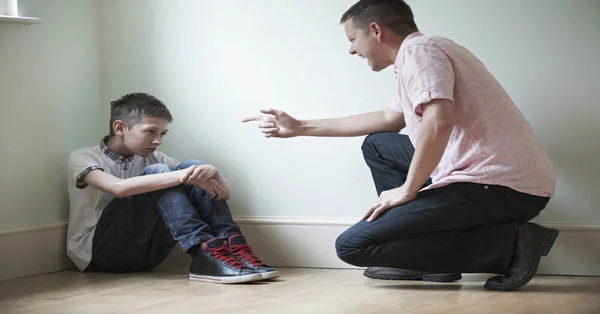
That distinction matters because discipline works best when it targets a behavior the child can control. Grades are an outcome; the habits and supports behind them are what parents can shape.
Academic performance as a skill gap, not a character flaw
Low grades often signal a skill gap. A child may not understand fractions, reading comprehension, essay structure, note-taking, or time management well enough to keep up.
When parents treat a learning gap like a moral failure, children often feel ashamed instead of supported. Shame can reduce honesty, and that makes it harder to fix the problem.
When grades reflect learning challenges, stress, or executive function issues
Sometimes a child’s grades reflect more than academics. Anxiety, family stress, sleep problems, attention difficulties, or executive function challenges can all affect school performance.
Executive function includes planning, starting tasks, remembering deadlines, and switching between assignments. If those skills are weak, a child may look careless when they are actually overwhelmed.
Why punishment can miss the real cause
Punishment may stop a child from talking about school, but it does not automatically teach the missing skill. If the problem is reading support, organization, or focus, taking away privileges will not build those abilities.
Parents often get better results when they ask, “What is getting in the way?” rather than, “How do I make this hurt enough to change?”
Should Parents Punish Their Child for Bad Grades? A Practical Answer by Age Group
The answer depends a lot on age. Younger children need structure and routines, while older children need accountability, ownership, and a growing role in solving the problem.
A response that fits a 7-year-old may feel unfair or ineffective for a 15-year-old. The goal is not the same at every stage.
Early elementary: focus on routines, not consequences
For younger children, bad grades usually mean the child needs more support with habits. Parents should focus on reading routines, homework time, sleep, and communication with the teacher.
At this age, punishment often creates confusion. Children are still learning how school works, so the better response is guidance, consistency, and close involvement.
Middle school: accountability without shame
Middle school is often the first time grades start to reflect independent work habits. This is a good age for clear expectations about homework completion, checking grades, and asking for help early.
Consequences can be appropriate here, but they should connect to responsibility. For example, a child who does not use homework time well may lose some screen time until assignments are completed, while still receiving support to catch up.
Teenagers: responsibility, privileges, and collaborative problem-solving
Teenagers need more ownership and more conversation. If grades are slipping, parents can connect privileges to basic responsibilities, but the conversation should also include workload, stress, attendance, and future goals.
Teens respond better when they are part of the plan. A parent can say, “We need a strategy for this class,” instead of only saying, “Your grade is unacceptable.”
Age-appropriateness notes for humor and discipline
Humor can help lower tension, but it must fit the child’s age and the setting. A light, reassuring comment may work with an older child after the initial frustration has passed, while younger children usually need simple, direct language.
Humor should never be used to cover anger or embarrassment. If the child already feels ashamed, even a small joke can land like criticism. [Source: NASA Science]
What Actually Works Better Than Punishment
Most children improve more from structure, coaching, and clear follow-through than from punishment alone. The most effective approach usually combines boundaries with practical help.
Natural consequences tied to effort and habits
Natural consequences work best when they are connected to the behavior. If a child does not study, they may have to spend more time on test prep later. If they do not turn in work, they may need to use free time to finish it.
The key is to keep consequences related to school habits, not unrelated punishments that only create resentment.
Supportive boundaries: homework schedules, device limits, tutoring
Parents can set a predictable homework schedule, limit devices during study time, and arrange tutoring when needed. These supports make the expectation concrete instead of vague.
If a child consistently struggles in one subject, outside help may be more effective than repeated lectures at home. A tutor, teacher conference, or learning support plan can reduce frustration for everyone.
Rewarding progress instead of perfection
Children often need encouragement for improvement, not just top grades. A better homework routine, a missing assignment turned in on time, or a stronger quiz score can all be meaningful progress.
Rewarding effort teaches children that school is about growth. It also reduces the fear that only perfect results are acceptable.
How parents can coach without becoming the “grade police”
Parents help most when they check in consistently but do not hover over every assignment. The goal is to build independence, not create a daily interrogation.
A simple weekly review of grades, upcoming deadlines, and one or two priorities is often enough. That keeps the child accountable without turning home into a constant audit.
Jamie Reed’s Family Humor Angle: How to Talk About Bad Grades Without Turning It Into a Roast
At PunRealm, the best family humor is the kind that lowers tension and preserves dignity. When grades are involved, the point is not to perform a roast; it is to keep the conversation calm enough that the child can actually hear it.
Humor works best when it is brief, kind, and aimed at the situation rather than the child. That is true in kitchens, cars, classrooms, and parent-teacher meetings.
Using light humor to lower tension, not raise shame
Light humor can reset the tone after a difficult report card conversation. A gentle comment about the “mystery of missing homework” can sometimes make a child exhale and re-engage.
The purpose is emotional safety. If the child feels mocked, the conversation is already off track.
Joke craft tips for parents: timing, tone, and the one-line rule
Good family humor depends on timing. The best moment is usually after the child has heard the concern and before the conversation turns into a lecture.
Use one short line, then stop. In family settings, a single light remark usually works better than a string of jokes, because it keeps the focus on the problem-solving.
Delivery advice for real-life moments: at the kitchen table, in the car, or after a parent-teacher meeting
At the kitchen table, keep your tone calm and your words simple. In the car, avoid turning the ride home into a pressure chamber; use the time for short, low-stakes reflection instead.
After a parent-teacher meeting, it is usually better to wait before making any joke at all. Children often need a little space to process what they heard before humor can help.
Where humor works best: school conversations, TikTok-style clips, newsletter anecdotes, and assembly-style advice
Humor about grades can work in school conversations when it is gentle and shared by adults who know the child well. It can also work in short, family-friendly clips or newsletter anecdotes where the tone is reflective and non-shaming.
It works less well in formal assemblies or public settings where a child might feel singled out. In those moments, clarity matters more than comedy.
Common Humor Mistakes Parents Make When Reacting to Bad Grades
Even well-meant humor can backfire if it is poorly timed or too sharp. Parents should be careful not to use laughter as a disguise for disappointment.
Making the joke about the child instead of the situation
A joke should target the problem, not the child’s intelligence or effort. If the punchline is the child, the child becomes the object of the conversation instead of the partner in solving it.
That can make children defensive and less willing to be honest about what went wrong.
Using sarcasm that sounds like disappointment
Sarcasm often sounds funny to the speaker but cutting to the listener. A child may hear sarcasm as proof that the parent has lost faith in them. [Source: EPA]
If the goal is connection, sarcasm is usually a risky choice.
Overdoing the punchline and losing the lesson
When parents try too hard to be funny, the message gets buried. The child may remember the joke and forget the expectation.
Keep the humor short enough that the lesson still leads the conversation.
Why “funny” should never replace empathy
Humor is a tool, not a substitute for care. A child who is struggling needs to feel understood before they can feel motivated.
If the child is anxious, overwhelmed, or already tearful, skip the joke and focus on reassurance first. Humor can wait until the child feels safe.
How to Respond in a Way That Builds Responsibility and Confidence
The healthiest response to bad grades is a conversation that combines accountability with support. Children should know that school matters, but also that they are not facing it alone.
Questions to ask before deciding on consequences
Before choosing a consequence, parents should ask a few practical questions: Is the child understanding the material? Are they completing work on time? Are there attention, stress, or attendance issues?
Those questions help parents respond to the cause instead of only reacting to the result.
How to set expectations for effort, communication, and improvement
Clear expectations should include effort, communication, and follow-through. A child should know when to ask for help, how often grades will be checked, and what improvement looks like over time.
It helps to be specific. “Try harder” is vague, but “show me your planner every Sunday and tell me when a class feels confusing” gives the child something concrete to do.
When to involve teachers, counselors, or learning support
If grades stay low despite better routines, it may be time to involve the teacher, school counselor, or learning support staff. Repeated failure can signal a need for academic intervention rather than stricter punishment.
Parents should especially seek help if the child seems unusually withdrawn, frustrated, or unable to keep up despite trying.
What a healthy parent-child conversation sounds like in practice
A healthy conversation sounds calm, direct, and hopeful. It might sound like: “I see the grade, and I know this matters. Let’s figure out what got in the way and what needs to change this week.”
That approach sets a standard without humiliating the child. It communicates both responsibility and support.
Final Recap: The Best Approach to Bad Grades Is Guidance, Not Humiliation
Bad grades should usually lead to problem-solving, not punishment by default. Parents do need boundaries, but the most effective response is the one that helps the child understand the issue and build better habits.
Key takeaways for parents in 2026
In 2026, parents are balancing school pressure, digital distractions, and busy family schedules. That makes it even more important to respond to grades with structure, empathy, and clear follow-up.
When discipline helps and when it backfires
Discipline helps when it is tied to responsibility, routines, and specific habits. It backfires when it becomes shame, sarcasm, or a punishment that has no connection to the actual problem.
Jamie Reed’s closing reminder: keep the humor kind, the standards clear, and the child supported
Parents do not need to choose between being firm and being kind. The strongest approach is usually both: clear standards, calm follow-through, and support that helps the child grow instead of hide.
For more family-friendly humor and playful parenting reading, you can also explore funny space jokes for school, space jokes 2026, and clean space jokes captions for light, classroom-safe examples of how tone changes by setting.
Frequently Asked Questions
Usually, punishment alone is not the best first response. It is better to look for the cause, then use clear boundaries and support to improve habits and learning.
Start with a calm conversation and ask what got in the way. Check for missing work, confusion with the subject, stress, sleep issues, or organization problems.
Yes, if they are tied to responsibility and school habits. Consequences work best when they are related to effort, work completion, and follow-through.
Use specific expectations, calm language, and practical support. Focus on improvement and problem-solving instead of labels or insults.
If grades stay low despite better routines, or if the child seems overwhelmed, it may be time to contact teachers, counselors, or learning support staff.
Yes, but only if it is kind, brief, and not aimed at the child. Humor should lower tension, not increase shame or defensiveness.