

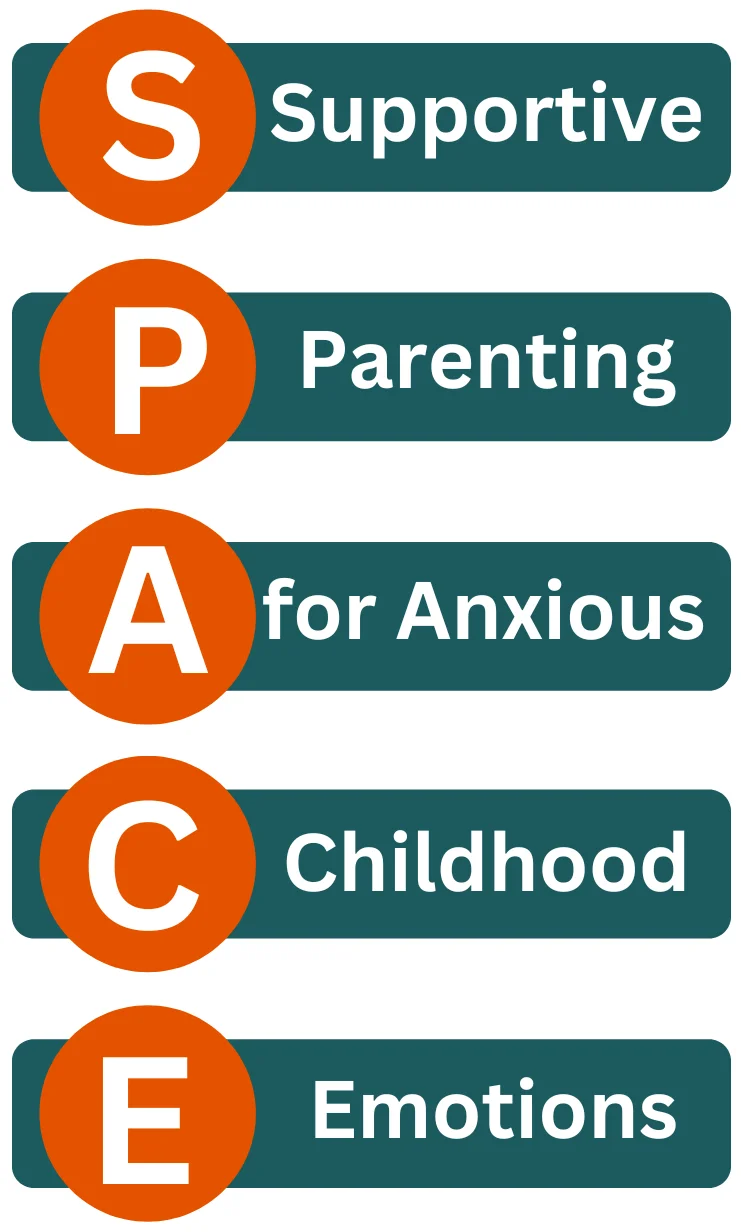
Supportive parenting for anxious childhood emotions works best when children feel understood first and then gently guided toward calm. Humor can help when it is brief, kind, and used after reassurance rather than instead of it.
Supportive parenting for anxious childhood emotions works best when children feel understood before they feel corrected. In practice, that means calm responses, predictable routines, and carefully timed lightness that helps reduce tension without dismissing what a child feels.
- Validate first: Children need to feel heard before they can benefit from lightness.
- Keep humor gentle: Use simple, age-safe humor that never mocks fear.
- Match the stage: Preschoolers, elementary kids, and preteens need different tones.
- Use support tools: Routines, choices, and coping language should stay central.
Understanding Supportive Parenting for Anxious Childhood Emotions in 2026
Parents today often want a clear, practical approach that helps children feel safe during worry, fear, or overwhelm. They also want language they can use in the moment, plus age-safe humor that supports connection rather than conflict.
Supportive parenting is not about removing every uncomfortable feeling. It is about helping children name what is happening, stay regulated, and learn that emotions can be handled with steadiness and care. That approach is especially useful when anxiety shows up around separation, school demands, social pressure, or changes in routine.
What readers are looking for: reassurance, practical scripts, and age-safe humor
Many caregivers want phrases they can say immediately, especially during a stressful morning or bedtime worry. Simple scripts such as “I can see this feels big right now” or “We will take the next step together” often work better than long explanations.
When humor is used well, it should lower tension, not compete with the child’s feelings. A light comment about a stubborn backpack zipper or a “brain full of buzzing thoughts” can be helpful if the child already feels heard.
Humor is most effective after a child feels emotionally recognized. If the child is still in distress, start with validation and calm presence first.
How anxiety shows up across childhood stages: preschool, elementary, and preteen
Preschoolers may show anxiety through clinginess, tears, sleep resistance, or physical complaints that are hard to explain. Their worries are often concrete and immediate, such as fear of separation, loud noises, or unfamiliar settings.
Elementary-aged children may begin to verbalize worry more clearly. They may ask repeated questions, avoid tasks, or become upset about mistakes, tests, or peer interactions.
Preteens often want independence while still needing support. Anxiety at this stage may appear as irritability, shutdowns, perfectionism, or embarrassment about needing help.
Why Humor Helps: The Role of Lightness in Calming Big Feelings
Humor can help children shift out of a tense emotional state when it is gentle, familiar, and not aimed at the child. It can create a small pause that makes breathing, listening, and problem-solving easier.
That said, humor is not a replacement for empathy. It works best as a bridge into regulation, not as a shortcut around discomfort.
How playful parenting can reduce tension without dismissing emotions
Playful parenting can soften a moment by making the environment feel less threatening. For example, a parent might use a warm tone and say the laundry basket is “trying to eat socks again,” while still helping the child get dressed for school.
This kind of lightness can reduce the intensity of the moment because it changes the emotional temperature. The child still gets support, but the interaction feels safer and more manageable.
When a joke becomes a bridge instead of a distraction
A joke works as a bridge when it follows understanding. If a child says they are scared about a presentation, a parent can first acknowledge the fear, then offer a small, reassuring line that helps the child re-engage.
For example, a parent might say, “Your nerves are acting like they got the wrong schedule, but we can still get them to the right room.” The point is not the joke itself; it is the moment of connection it creates.
Use humor as a regulation tool, not a correction tool. If the child feels laughed at, the moment has moved in the wrong direction.
Joke Craft Tips for Parents: Keep It Gentle, Clear, and Emotion-Safe
Family humor should be easy to understand, low pressure, and free from embarrassment. The goal is to help a child feel safer, not to perform for them.
Good joke craft in parenting often relies on timing, familiarity, and simplicity. Complex setups, sarcasm, and inside jokes that exclude the child usually miss the mark.
Use simple wordplay, silly exaggeration, and shared family references
Short wordplay can work well because it is easy to process. Silly exaggeration also helps when it is clearly impossible and harmless, like describing a backpack as “carrying enough supplies for a small expedition.”
Shared family references can be soothing because they feel familiar. A recurring line about “the house alarm system” for a very loud dog, for example, may become a comforting part of the family’s shared language.
Match the joke to the moment: comfort first, comedy second
The right joke in the wrong moment can still fail. If a child is crying, overwhelmed, or shutting down, the first job is to calm the nervous system, not to entertain.
Once the child is more settled, a small humorous line may help them re-enter the conversation. This is especially useful during transitions, when children need help moving from distress into action.
Do not use humor to rush a child out of feelings. If the child senses that the joke is being used to end the conversation, trust can drop quickly.
Build repeatable “family lines” that feel familiar and soothing
Repeatable family lines can become a source of comfort because they are predictable. A consistent phrase like “We do hard things one step at a time” can be paired with a gentle, familiar tone.
When a family uses the same light line in stressful moments, children often recognize the pattern and feel more secure. Familiarity matters more than cleverness.
In family settings, the most effective humor is often the least complicated. Children usually respond better to clear, repeatable phrasing than to elaborate setups. [Source: Wikipedia]
Delivery Advice by Setting: Home, School Pickup, Newsletter, and Social Media
Where and how humor is delivered matters. A line that works at home may feel off in a classroom, at pickup, or in a public post.
Parents and caregivers should adjust tone, length, and emotional intensity to fit the setting and the child’s current state.
Home conversations: calm tone, short lines, and low-pressure humor
At home, children are often more open to gentle humor because the setting is familiar. Short lines work best, especially when they are delivered in a calm voice and followed by practical support.
If a child is anxious about bedtime, a parent might say, “Your brain is doing its night shift again,” then move into the bedtime routine without overexplaining. The humor should open space, not create pressure.
School-related stress: using humor around homework, tests, and transitions
School anxiety often rises around homework, tests, presentations, and transitions between activities. Light humor can help normalize effort, as long as it does not minimize the child’s concern.
A parent might say, “That worksheet is acting like it owns the whole evening,” before helping the child break the work into smaller steps. This keeps the focus on support and task management.
For school stress, pair humor with structure. A light line followed by a simple plan is usually more helpful than humor alone.
TikTok or short-form content: keeping jokes brief, warm, and non-mocking
Short-form content can make parenting humor feel accessible, but it also raises the risk of oversimplifying real emotions. A brief, warm line works better than a long bit that turns a child’s fear into content.
If a parent shares advice online, the tone should stay respectful. Avoid anything that makes the child look foolish, dramatic, or difficult for entertainment value.
Newsletter or community posts: balancing helpful parenting advice with a playful voice
Newsletters and community posts are a good place for measured humor because the audience is already seeking guidance. The voice can be friendly and readable while still staying centered on practical support.
If you include a playful line, make sure the main point remains clear. Readers should leave with something usable, not just something amusing.
- Short, warm, and familiar phrasing
- Humor after validation
- Simple family references
- Sarcasm or teasing
- Public embarrassment
- Humor that replaces reassurance
Age-Appropriateness Notes: What Works for Different Childhood Stages
Age matters because children process humor differently as they grow. A line that feels comforting to a seven-year-old may feel childish to a twelve-year-old.
Matching the child’s developmental stage helps humor stay supportive rather than awkward.
Preschoolers: visual humor, repetition, and comfort-based silliness
Preschoolers usually respond best to simple, concrete, and repetitive humor. Visual language, exaggerated sounds, and familiar routines can be reassuring because they are easy to understand.
Keep the humor brief and connected to comfort. A playful comment about a stuffed animal “guarding the blanket” may feel soothing, while anything too abstract may be confusing.
Elementary-aged kids: relatable jokes about worries, routines, and mistakes
Elementary-aged children often enjoy humor that reflects everyday life. Jokes about forgotten homework, stubborn shoelaces, or dramatic weather can feel relatable without being personal.
This is also a good age for parents to model that mistakes are normal. A light line about “the family calendar having too many opinions” can soften stress while still supporting responsibility.
Preteens: respecting sensitivity, independence, and embarrassment thresholds
Preteens are often more sensitive to being singled out. Humor should protect dignity, not test it.
Use respect, brevity, and choice. A preteen may appreciate a dry, understated line, but only if it does not feel like the parent is trying to make them the subject of a joke.
Humor that works with younger children can feel insulting to preteens. If embarrassment is likely, keep the tone neutral and supportive.
Common Humor Mistakes That Can Worsen Anxious Childhood Emotions
Even well-meant humor can backfire if it is used at the wrong time or in the wrong way. Parents should watch for any sign that the child is feeling minimized, exposed, or misunderstood.
Joking too soon before a child feels understood
If a child is still upset, jumping to humor can feel like avoidance. The child may hear, “This is not important,” even if that was not the parent’s intention.
Validation should come first. Humor can follow once the child has settled enough to receive it.
Using sarcasm, teasing, or “toughen up” humor
Sarcasm is risky because it often carries criticism underneath the joke. Teasing can also be painful for children who are already worried about making mistakes or being judged.
“Toughen up” humor may be especially harmful for anxious children because it suggests that sensitivity is a flaw. Supportive parenting should reduce shame, not increase it. [Source: NASA Science]
Turning the child’s fear into the punchline
When a child’s fear becomes the joke, the child can feel exposed. Even if siblings or adults laugh, the anxious child may feel alone or embarrassed.
This is particularly important in front of others, where public embarrassment can intensify anxiety and make future disclosure less likely.
Overusing jokes so comfort feels fake or avoidant
If every serious moment is met with humor, children may stop trusting the response. They may sense that the parent is trying to dodge hard feelings rather than help with them.
Balance matters. A calm, sincere response should remain the foundation, with lightness used sparingly and thoughtfully.
- Validate the feeling first.
- Keep humor gentle and brief.
- Avoid sarcasm and teasing.
- Use familiar, repeatable family lines.
- Match the joke to the child’s age and mood.
Practical Supportive Parenting Moves That Pair Well with Humor
Humor works best when it sits alongside predictable parenting tools. Structure, empathy, and calm follow-through give the child a sense of safety that jokes alone cannot provide.
Validate first, then lighten the mood
Start with recognition: “I can see this feels hard.” Then, if the child is receptive, offer a small lightener that helps the moment feel less heavy.
This sequence matters because children need to feel seen before they can feel soothed. Humor becomes supportive when it follows that emotional sequence.
Offer predictable routines, choices, and coping language
Routines reduce uncertainty, which is often a major trigger for anxious feelings. Simple choices, such as selecting between two outfits or two snack options, can also restore a sense of control.
Coping language helps children practice what to say to themselves: “I can do the first step,” “I know what comes next,” or “I can ask for help.” These phrases are often more stabilizing than any joke.
If a child’s anxiety is frequent, intense, or interfering with daily life, consider speaking with a pediatrician or mental health professional. Supportive parenting is helpful, but some children need additional care.
Use humor as a reset after the child feels regulated
After the child has calmed down, humor can help the family reconnect. This may be a good time for a shared phrase, a silly observation, or a gentle comment about the situation.
The reset is useful because it signals that the hard moment has passed and the relationship is still intact.
Model self-kindness when parents feel stressed too
Children learn a great deal from how adults handle their own stress. If a parent responds to a mistake with patience and a calm reset, the child sees a healthier pattern.
Self-kindness also keeps humor from becoming sharp or defensive. When adults are regulated, their lightness is more likely to feel safe.
- Supportive parenting works best when children feel understood first.
- Humor can help calm anxiety when it is gentle and well timed.
- Age, setting, and sensitivity should guide every joke choice.
- Validation, routines, and coping language should stay at the center.
Final Recap: A Family Humor Approach That Supports, Soothes, and Connects
The most effective approach to supportive parenting for anxious childhood emotions is steady, respectful, and emotionally clear. Humor can be a valuable tool, but only when it protects dignity and follows connection.
Used well, lightness can help children move from tension to trust. Used poorly, it can make a child feel dismissed or misunderstood.
Key takeaways for using supportive parenting for anxious childhood emotions wisely
Keep the child’s feelings front and center. Use humor only after validation, and keep it short, familiar, and age-appropriate.
Choose calm routines, simple scripts, and predictable support as the foundation. Then, if the moment is right, let a small bit of lightness help the child take the next step.
Jamie Reed’s closing note: keep the laughs kind, the timing thoughtful, and the child’s feelings front and center
At PunRealm, the best family humor is the kind that strengthens connection instead of testing it. In anxious moments, kindness should lead, timing should be thoughtful, and the child’s sense of safety should always come first.
Frequently Asked Questions
It helps children feel understood, safe, and less alone when emotions run high. Supportive responses also make it easier for kids to calm down and use coping skills.
Humor is helpful after the child feels heard and more regulated. It works best as a gentle reset, not as a way to avoid the feeling.
Simple wordplay, gentle exaggeration, and familiar family lines are usually safest. Avoid sarcasm, teasing, and jokes that put the child on display.
No, not at the height of distress. Start with calm support, validation, and regulation first, then consider lightness later if the child is ready.
Yes, younger children usually prefer simple and repetitive humor, while older children and preteens may want more subtlety. The child’s mood and sensitivity matter as much as age.
Stop using it in that moment and return to validation and calm support. If anxiety is frequent or intense, consider speaking with a pediatrician or mental health professional.