

At 16, you may be able to get some piercings without parental consent, but the answer depends on local law and the studio’s policy. Earlobe piercings are often the most likely option, while many nose, lip, eyebrow, and navel piercings still require a parent or guardian.
If you are asking what piercings can you get at 16 without parental consent, the honest answer is that it depends on where you live and where you go. In many places, some studios may allow certain piercings at 16 with a valid ID, but others still require a parent or legal guardian to be present.
- Legal varies: State, county, and shop rules can all be different.
- Not automatic: Turning 16 does not guarantee consent-free piercing access.
- Most common option: Earlobes are often the easiest for minors to get approved.
- Check first: Ask about ID, consent forms, and age limits before booking.
What Piercings Can You Get at 16 Without Parental Consent? A Quick, State-by-State Reality Check
There is no single rule that applies everywhere in the United States. Piercing laws can vary by state, county, city, and even by the individual shop’s policy.
That means a teen who is allowed to get an earlobe piercing in one town may be turned away in the next town over. The safest approach is to treat age 16 as a point where more options may open up, not as a guaranteed permission slip.
This article is informational, not legal advice. If you need a firm answer, check your local health department rules and the studio’s written consent policy before you book.
Why Teens Ask This in 2026: Independence, Style, and School-Safe Self-Expression
At 16, many teens want more control over how they look. Piercings can feel like a small but meaningful way to express identity, especially when clothing, hair, and makeup are limited by school rules or family preferences.
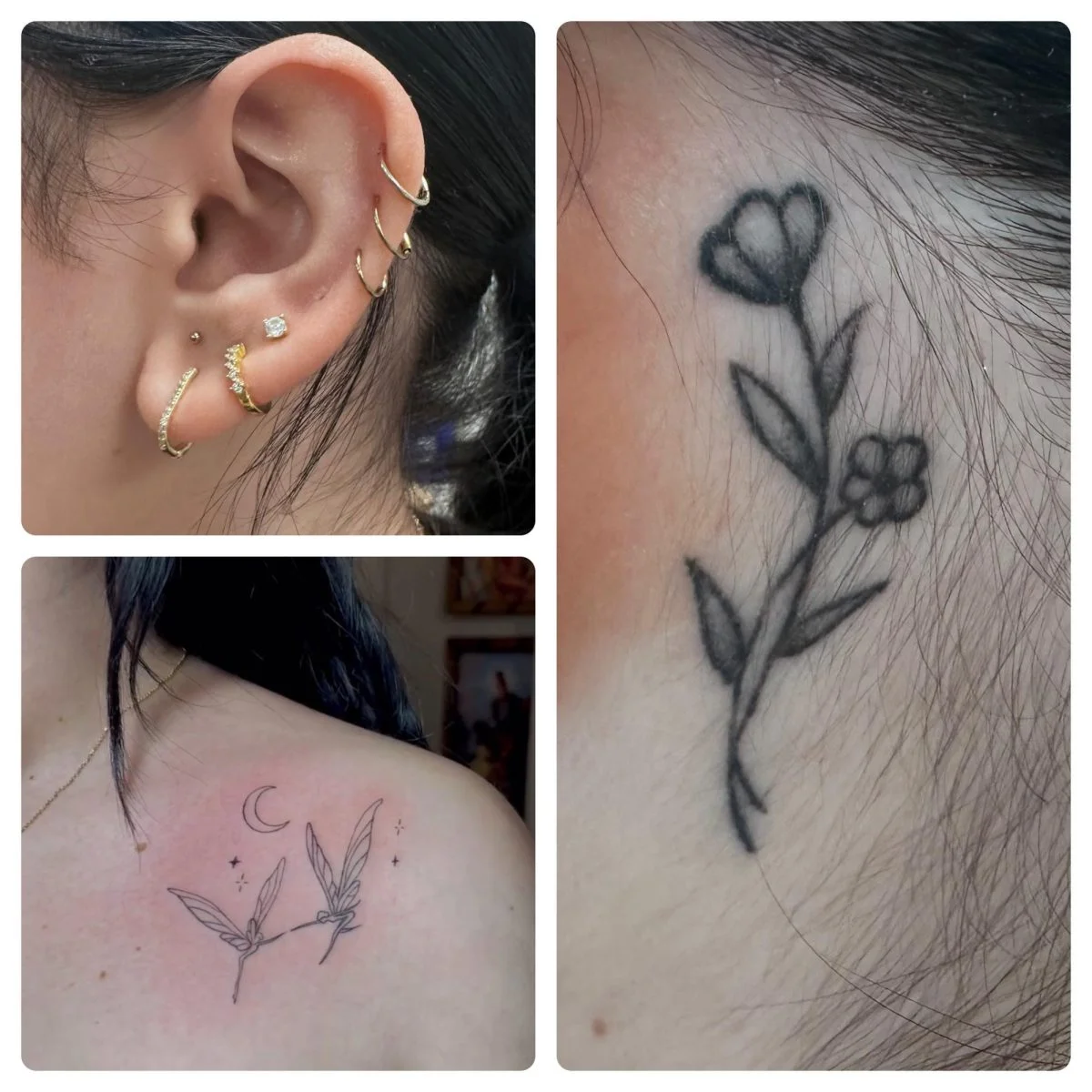
Parents and guardians often hear this request as rebellion, but for many teens it is really about choice, maturity, and fitting in with a peer group. The conversation goes better when adults recognize that motivation instead of dismissing it.
For family-friendly humor writing, this is one of those topics where the tone matters more than the punchline. If you are writing for parents or teens, keep the focus on the real-life decision, not on exaggerating the drama.
What Usually Changes at 16: Consent Rules, Studio Policies, and Age Limits
Age 16 is often treated differently from younger teen ages because some studios see it as a threshold for limited consent. But that does not mean every piercing becomes available, and it does not mean every studio will accept a minor without a parent.
Some shops have a strict minimum age for all piercings. Others may allow only certain locations, such as earlobes, and still require a parent for anything involving cartilage, nose, or body piercings.
How piercing laws differ by state, county, and shop
In some places, local law sets the baseline. In others, the law is broad and the studio adds its own stricter policy. A county health rule may allow minors with consent, while a particular studio may choose not to pierce anyone under 18 without a parent present.
This is why a quick internet search is not enough. The law might say one thing, but the shop’s insurance, licensing, or risk policy may say another.
Why some places allow minors with ID but not without a parent
Studios often ask for ID because they need to verify age and identity. But proof of age is not the same as consent. A school ID may help confirm who you are, yet it usually does not replace a parent or guardian’s legal approval where that approval is required.
When a shop says “ID required,” that usually means “ID plus whatever consent the law or our policy requires.” If a minor shows up alone, the answer may still be no.
Do not assume a mall kiosk, chain shop, or tattoo studio follows the same rules as a friend’s local piercing studio. Always confirm the exact policy before traveling or paying a deposit.
Common Piercings Teens Ask About at 16 and What’s Typically Allowed
The most common question is not “Can I get pierced?” but “Which piercing can I get?” The answer depends on the studio, but some categories are more likely to be allowed than others.
Keep in mind that “typically allowed” is not the same as “guaranteed.” Think of this as a general guide, not a promise.
Earlobe and upper ear piercings
Earlobe piercings are often the most widely accepted option for minors, especially when a parent is involved. Some studios may also allow upper ear or helix piercings at 16, but many require parental consent for anything beyond the lobe.
Because ear cartilage takes longer to heal and can be more sensitive, some piercers are extra cautious about minors. A studio may be comfortable with one lobe piercing but decline a more complicated ear placement.
Nose, septum, and lip piercings
Nose piercings may be allowed in some places at 16, but many studios require a parent or guardian. Septum and lip piercings are often treated more conservatively because they are more visible and involve different aftercare needs.
If you are researching these options, ask whether the shop has separate rules for nostril versus septum placements. Even when both are technically “face piercings,” the consent policy may not be the same.
Eyebrow, navel, and cartilage options
Eyebrow and navel piercings are commonly restricted for minors, or they may require a parent to be present in person. Cartilage piercings, while popular, are also frequently limited because of healing time and the need for careful aftercare.
Some studios avoid certain piercings for minors entirely, regardless of age 16. That is often a business decision tied to safety and professional standards, not a judgment about the teen.
Why “allowed” still depends on the studio
Even when a piercing is legal for a minor in your area, a studio can still refuse service. Piercers are responsible for following the law, protecting their license, and deciding whether a client is a good fit for the procedure. [Source: WebMD]
This is one reason clear communication matters. A teen may be ready, but the studio may still need parent contact, a signed form, or a no-exceptions age policy.
When writing about teen choices, the most effective family-friendly humor usually comes from the situation, not from mocking the teen. A calm, observational tone works better than sarcasm when the topic involves consent, safety, or parent approval.
How to Check Before You Go: Studio Rules, ID, and Consent Requirements
The easiest way to avoid disappointment is to verify the rules before anyone gets in the car. A five-minute phone call can save a wasted trip, an awkward checkout, or a tense conversation in the parking lot.
Questions to ask the piercer before booking
Ask whether they pierce minors at 16, which piercings are allowed, and whether a parent must be present. Also ask what form of ID they accept and whether they need a birth certificate or guardian paperwork in addition to photo identification.
It helps to ask whether the consent must be signed in person or if a notarized form is allowed. Studios vary, and assumptions can lead to confusion.
If you call ahead, write down the name of the person who gave you the policy details. That makes it easier to confirm the information again when you arrive.
What to bring: ID, school ID, and proof of age
A government-issued ID is usually the strongest proof of age. Some studios may also accept a passport, state ID, or other official document. A school ID can help support identification, but it is often not enough by itself.
If a parent or guardian must consent, they may need their own ID as well. Bring any paperwork the studio requests so the appointment does not stall at the front desk.
Why chain shops, malls, and tattoo studios may differ
Chain locations often use standardized policies, which can be stricter than local shops. Mall piercing counters may have their own age rules, while tattoo studios may follow a different licensing structure and a different comfort level with minors.
That means the “same piercing” can come with very different paperwork depending on where you go. If you want a smoother process, choose the studio first and the piercing second.
Humor That Works for Teen Piercing Decisions: Jamie Reed’s Joke-Craft Tips
When the topic is a teen asking for a piercing, humor should support the message rather than distract from it. In parenting content, the best writing is often a careful mix of warmth, clarity, and restraint.
For example, a light observational line about “the family calendar being more organized than the consent forms” may work in a newsletter or blog post. That same line may be too casual for a school handout or formal parenting guide.
How to make piercing jokes relatable without sounding preachy
Relatable humor usually starts with a real-life moment: the appointment search, the forgotten ID, or the parent who wants three confirmations before lunch. The joke works because readers recognize the situation.
Preachy humor, by contrast, tells the reader what to think. That can make teens tune out and parents feel talked down to.
School, TikTok, newsletter, and assembly-friendly humor angles
School settings usually need the cleanest, most neutral wording. Newsletter humor can be a little more conversational. TikTok may allow faster, more visual humor, but the message still needs to stay respectful if the audience includes parents.
Formal assemblies are the least forgiving place for edgy lines. If the audience includes younger students, keep the humor broad and the advice specific.
Age-appropriate punchlines that keep the focus on safety
Safe humor for this topic tends to point toward the process, not the teen’s body or the parent’s authority. The goal is to make the reader nod, not cringe.
A useful test is simple: if the joke would make the conversation harder between a teen and a guardian, leave it out.
In family-friendly writing, a small detail like “check the studio policy first” often lands better than a big joke because it gives the reader something useful immediately.
Delivery Advice: How to Talk About Piercings Without Starting a Household Debate
If you are a teen, the conversation goes better when you sound prepared rather than impulsive. If you are a parent, it helps to treat the request as a decision to discuss, not a verdict to fight over.
That framing keeps the focus on responsibility, safety, and expectations.
Using calm, curious language with parents or guardians
Try opening with a direct question and a reason. For example, a teen might say they have researched the studio, checked the age policy, and want to talk about one specific piercing. [Source: NASA Science]
Parents often respond better to clarity than to pressure. Calm language makes it easier to hear “maybe” instead of only “no.”
How to frame the conversation around responsibility and aftercare
Parents are more likely to listen when the teen can explain aftercare, healing time, and school rules. That shows the request is not just about style; it is also about taking care of the piercing properly.
It can help to mention how the piercing will be cleaned, what activities might need to be adjusted, and who will help if there is a problem.
What not to say if you want a yes instead of a hard no
Avoid ultimatums, comparisons to friends, or comments that sound like a demand. “Everyone else is doing it” rarely helps, and it may make the adult focus on the pressure instead of the plan.
Also avoid hiding the request or trying to surprise a parent after the fact. Consent issues are exactly where transparency matters most.
Do not minimize the aftercare. A piercing is not just a style choice; it is a healing process that needs cleaning, patience, and follow-through.
Common Humor Mistakes to Avoid When Writing About Teen Piercings
If you are creating content for parents, teens, or a school audience, humor can help only when it stays accurate and respectful. The wrong joke can make a practical topic feel careless.
Skipping legal nuance and oversimplifying consent rules
One of the biggest mistakes is saying that 16 automatically means yes. That oversimplifies the issue and can mislead readers into making the wrong trip or booking the wrong appointment.
Better writing acknowledges the variation and encourages verification.
Making the joke at the teen’s expense instead of with them
Teens are more likely to stay engaged when they feel understood rather than mocked. If the joke turns the teen into the punchline, the article can lose trust fast.
Shared humor about the situation is safer than humor aimed at the person.
Using edgy humor that clashes with a family-friendly audience
Family-friendly parenting content should avoid sarcasm that sounds mean, body-focused teasing, or jokes that create discomfort around consent. Those choices may work in a very different entertainment setting, but not here.
For a site like PunRealm, the strongest approach is clean, clear, and useful writing that still feels human.
Final Recap: The Smart, Safe Answer to Piercing at 16 Without Parental Consent
The short answer is that some 16-year-olds may be able to get certain piercings without parental consent, but many cannot. The deciding factors are local law, studio policy, the type of piercing, and the ID or paperwork you bring.
If you want the most reliable answer, call the studio first, ask about the exact piercing, and confirm whether a parent or guardian must be present. That is the safest way to avoid confusion and make a decision that respects both the teen’s goals and the adult’s responsibility.
- Age 16 does not guarantee piercing access without parental consent.
- Rules vary by state, county, shop, and piercing type.
- Always confirm ID and consent requirements before booking.
- Use calm, responsible communication when discussing the request.
- Safety and aftercare matter as much as the piercing itself.
For readers who want more light, family-safe humor after this practical topic, PunRealm also has funny space jokes for school and clean space jokes captions that stay classroom-friendly. If your household needs a break from big decisions, a little clean humor can help reset the mood.
Frequently Asked Questions
Sometimes, but it depends on your local laws and the studio’s policy. Many shops still require a parent or guardian for minors, even at 16.
Earlobe piercings are often the most likely option, but some studios may also allow other ear piercings. Nose, lip, eyebrow, and navel piercings are more likely to require parental consent.
A school ID may help confirm identity, but it usually does not replace legal proof of age or required consent. Studios often prefer a government-issued ID.
Yes. A studio can set stricter rules than the minimum legal standard, especially if its policy, licensing, or insurance requires it.
No, piercing consent rules can vary by state, county, and city. That is why it is important to check local rules and the studio’s written policy.
Ask whether minors are allowed at 16, which piercings are available, what ID is required, and whether a parent must be present. Confirm the policy before you go.