

Aim for 98°F to 100°F (37°C to 38°C) bathwater — warm, not hot, for your baby’s comfort and safety.
I’ve helped new parents learn safe bath routines for years and tested simple methods that work. This guide explains exactly what temperature should a baby bathtub be, why it matters, how to check it, and practical tips you can use tonight. Read on for clear, trusted advice and easy steps to keep bath time safe and calm.

Why water temperature matters for baby baths
Babies have thin skin. They lose heat fast and can scald quickly. The right bathwater temperature keeps them warm and prevents burns.
Keeping the right temp also helps baby relax. Too cold makes them cry. Too hot can cause discomfort or injury. Knowing what temperature should a baby bathtub be is the key to safe, soothing washes.

Recommended temperature range: what temperature should a baby bathtub be
The safest range is about 98°F to 100°F (37°C to 38°C). This mimics body temperature and feels pleasantly warm.
A narrow range matters. Water above 104°F (40°C) can burn a baby in seconds. Water that is too cool makes babies shiver and may lower their body temperature.
Use a bath thermometer for accuracy. If you don’t have one, follow the elbow or wrist test as described below. Always adjust the tap so hot water is blended with cold before filling.
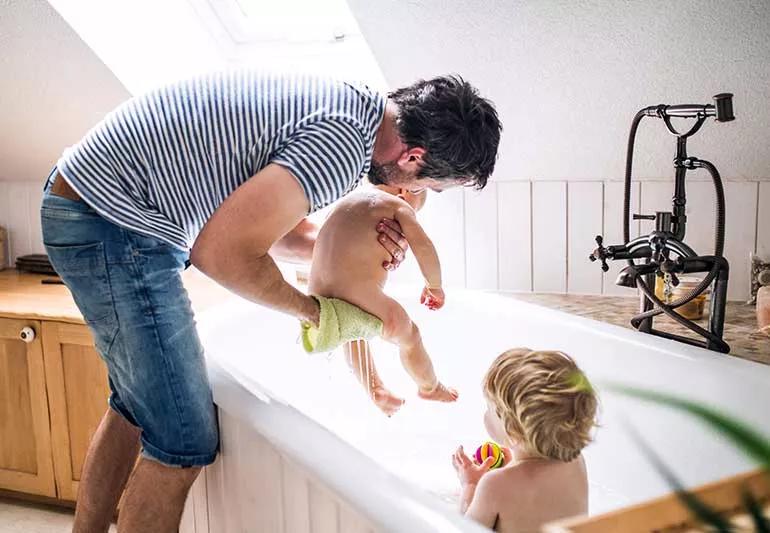
How to test bathwater safely
- Use a thermometer
- Aim for 98°F to 100°F (37°C to 38°C).
- Digital thermometers are quick and cheap.
- Use your wrist or inner elbow
- Dip your wrist or inner elbow in the water.
- It should feel warm and comfortable, not hot.
- Double-check before putting baby in
- Stir the water to remove hot spots.
- Re-test after adding more water or toys.
Practically, I keep a small digital thermometer near the tub. It gives peace of mind and removes second-guessing about what temperature should a baby bathtub be.
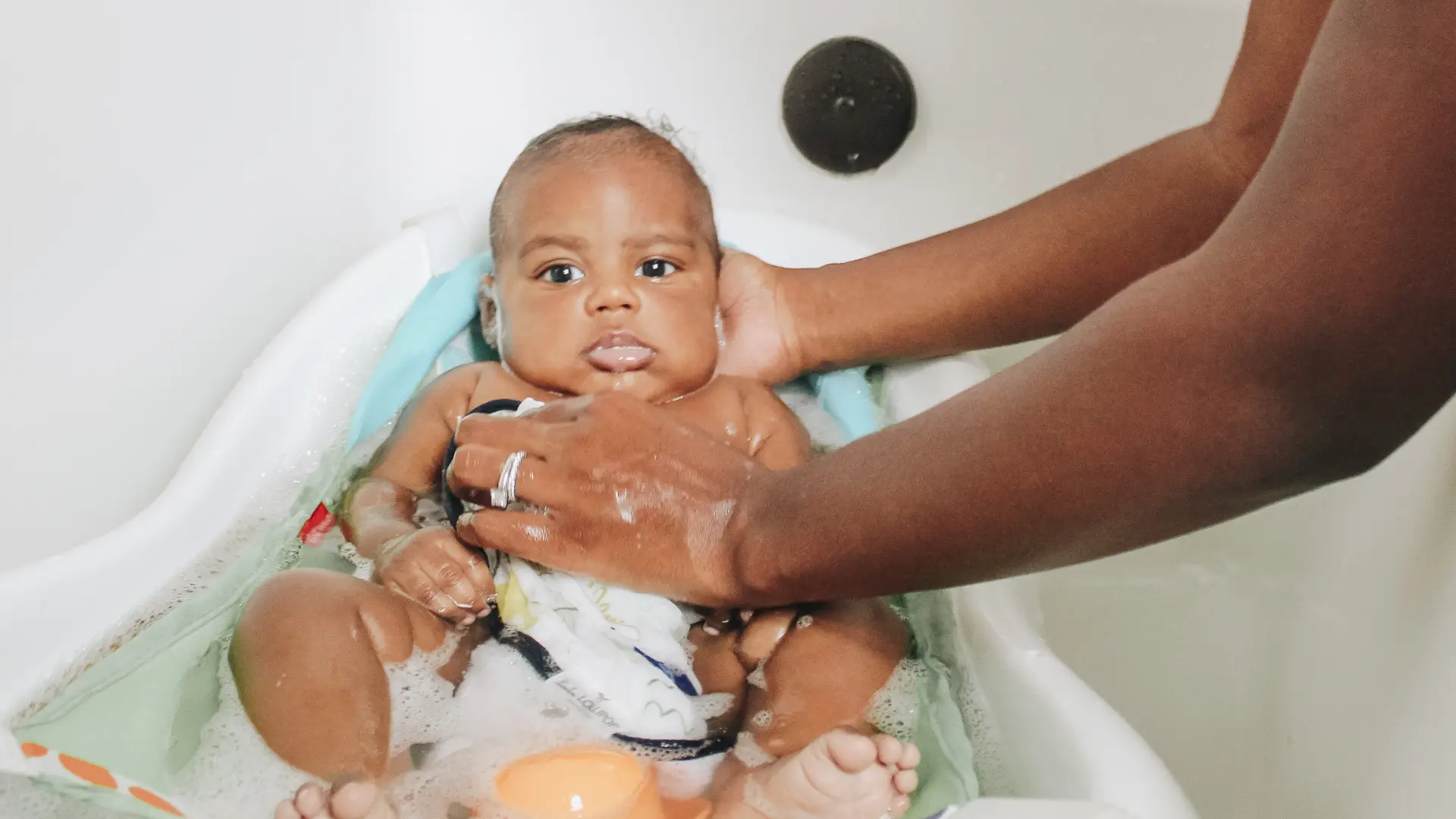
Practical bath tips and routines
- Fill with just enough water
- For newborns, 2 to 3 inches is enough.
- Older babies may use more, but never fill above chest height.
- Keep the room warm
- A warm room (around 75°F/24°C) stops chills.
- Warm towels nearby make drying quick and cozy.
- Time baths wisely
- Keep newborn baths short: 5 to 10 minutes.
- Older babies can bathe longer if calm.
- Use lukewarm water for sensitive skin
- Babies with dry or eczema-prone skin do best at the lower end of the range.
From experience, a quick test with a thermometer and a cozy room cuts stress. Bath time becomes calm when you know what temperature should a baby bathtub be and have everything ready.

Safety checklist for bathing your baby
- Set the water heater to a safe limit
- Keep household heaters at 120°F (49°C) or lower to reduce scald risk.
- Never leave baby unattended
- Even a few inches of water is dangerous.
- Test water temperature every time
- Temperatures can change between fills.
- Avoid hot faucets near the tub
- Turn taps away from baby to avoid accidental burns.
- Keep electrical items far away
- Hair dryers and chargers must stay out of reach.
Following these steps reduces risk and makes it easy to answer “what temperature should a baby bathtub be” every time.

Common mistakes and how to avoid them
- Relying only on hand tests
- Hands may tolerate higher heat. Use a thermometer for accuracy.
- Filling too much water
- More water raises drowning risk. Use minimal depth for newborns.
- Leaving baby unattended
- Never step away, even to fetch a towel.
- Ignoring room temperature
- A cold room can defeat a perfect water temp.
- Waiting too long to dry
- Dry and dress baby promptly to keep them warm.
I once left a thermometer in the drawer and used only my hand. The room was cold and my baby shivered. After that, I always test the water and warm the room first.
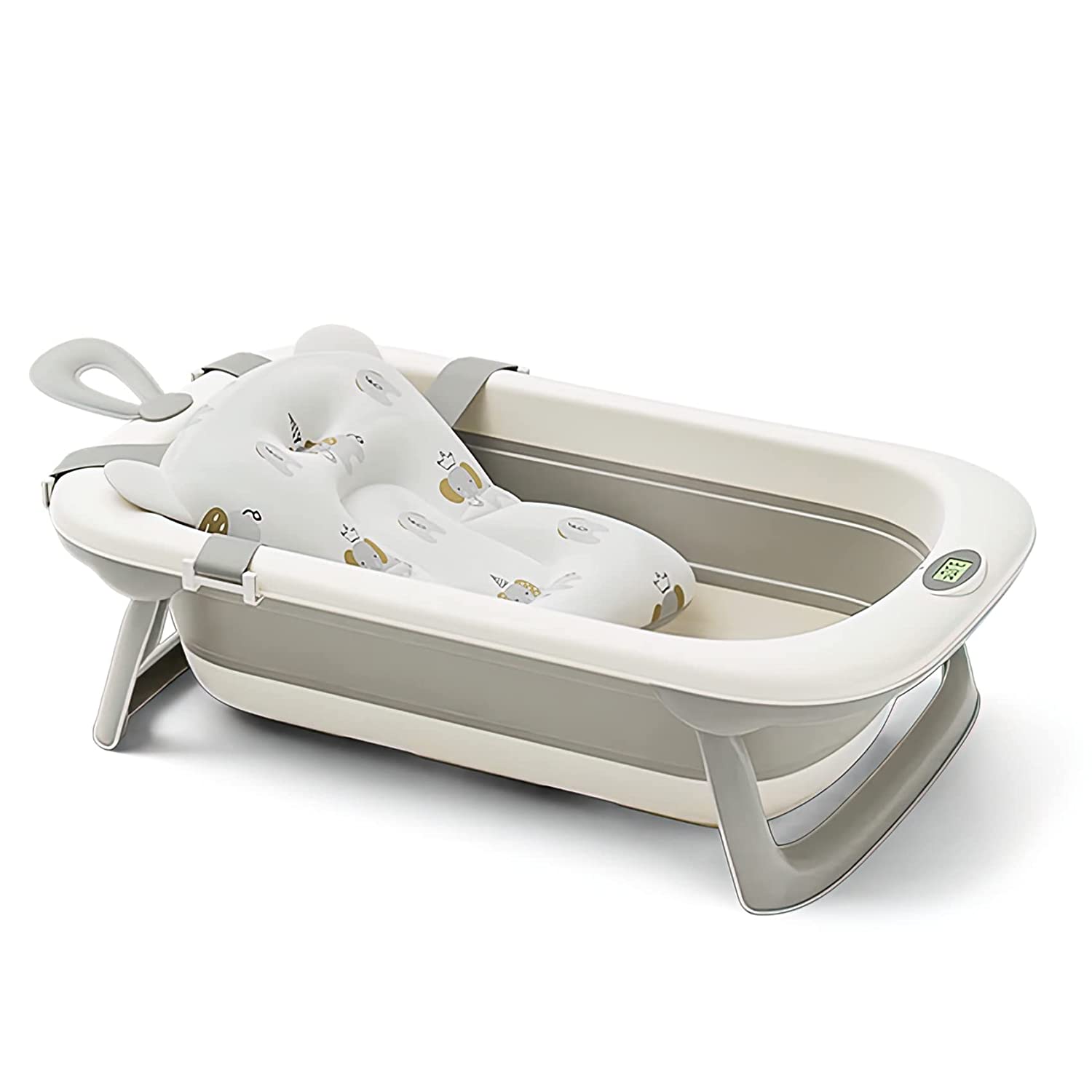
Quick questions parents ask (PAA-style)
What temperature should a baby bathtub be for a newborn?
Aim for 98°F to 100°F (37°C to 38°C). Keep baths brief and test with a thermometer for safety.
How do I check the bathwater without a thermometer?
Use your inner wrist or elbow; it should feel warm, not hot. When in doubt, mix a little cold water in and retest.
Can bathwater be too warm for a baby?
Yes. Water over 104°F (40°C) can burn a baby quickly. Stick to the 98°F–100°F range to avoid risk.

Personal experience and lessons learned
When my first child was a newborn, I worried about what temperature should a baby bathtub be every bath. I tried the wrist test, but cold nights made me uncertain. Buying a small digital thermometer changed everything. Baths were calmer. My baby slept better after warm, short dips.
Lessons I learned:
- Keep the thermometer handy.
- Warm the room first.
- Prepare towels and clothes before bath time.
These small steps saved time and worry.

Extra tips for babies with sensitive skin
- Use plain water or mild cleansers
- Strong soaps strip natural oils.
- Test water at the lower end of the range
- Around 98°F (37°C) can be gentler.
- Pat skin dry, don’t rub
- Moisturize quickly to lock in hydration.
If your baby has persistent skin issues, talk with a pediatrician about bathing routines and what temperature should a baby bathtub be for their condition.
Frequently Asked Questions of what temperature should a baby bathtub be
What is the ideal water temperature for a baby’s first bath?
Aim for 98°F to 100°F (37°C to 38°C). Keep the first baths short and test the water with a thermometer.
Can I use tap water without testing temperature every time?
You should test every time. Tap water can vary in temperature, and hot spots can form in the tub.
Is room temperature important when bathing a baby?
Yes. A warm room around 75°F (24°C) helps maintain the baby’s body temperature and comfort during and after the bath.
How quickly can hot water burn a baby?
Very quickly. Water at or above 120°F (49°C) can cause severe burns in seconds. Staying in the safe bath range prevents burns.
When can babies take regular baths without special precautions?
You should always follow safety steps. As babies grow and can sit steadily, baths can be longer, but testing water and supervision remain essential.
Conclusion
Choosing the right water heat makes bath time safer and more pleasant. Aim for 98°F to 100°F (37°C to 38°C), test with a thermometer or your inner wrist, and keep the room warm. Small routines—like pre-warming towels, short baths, and close supervision—make a big difference.
Try these steps tonight: set your water heater safely, keep a thermometer nearby, and warm the room first. If you found this helpful, leave a comment, subscribe for more baby-care tips, or share your own bath-time stories.