

The ideal baby bathtub temperature is about 98–100°F (37–38°C), warm but not hot.
As a pediatric care writer and parent coach, I’ve guided many families on bath safety. I’ll explain exactly what temperature should a baby bathtub be, why that range matters, how to measure it, and real tips I’ve tested. Read on for clear steps, safety checks, and simple tools to keep bath time safe and calm.

Why water temperature matters for babies
Baby skin is thin. Babies lose heat faster than adults. Water that is too hot can burn fragile skin. Water that is too cool can cause chills and make a baby uncomfortable.
Knowing what temperature should a baby bathtub be helps prevent burns, supports good sleep after baths, and makes bathing easier for caregivers. Good temperature control also lowers the risk of shock or fussiness during and after the bath. Use this guide to make baths safe and soothing.

Recommended temperature range and how to measure
Aim for 98–100°F (37–38°C) for most infants. Newborns and very small babies may prefer the warmer end of that range. Toddlers often tolerate slightly cooler water, around 95–100°F (35–38°C).
Ways to check temperature:
- Use a digital bath thermometer for accuracy. Place it in the center of the tub and wait a few seconds.
- Test water with your inner wrist or elbow only when a thermometer isn’t available. The skin there is more sensitive than the hand.
- Mix hot and cold water and stir to remove hot spots before placing your baby in the tub.
Practical limits:
- Never exceed 104°F (40°C). Water above this can scald baby skin quickly.
- A safe household water heater setting is about 120°F (49°C) to prevent accidental scalds at the tap.
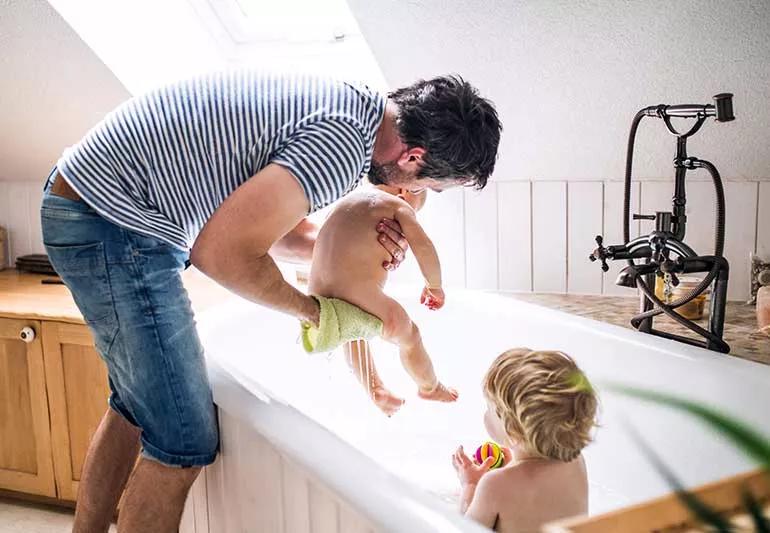
Step-by-step: How to prepare and test the baby bathtub temperature
- Run cold water first, then add hot to reach a warm mix. This reduces hot bursts.
- Fill the tub to a shallow depth: 2–4 inches for newborns, slightly deeper for older infants.
- Place a thermometer in the water. Aim for 98–100°F (37–38°C). Adjust as needed.
- Stir the water and re-check the temperature to avoid hot spots.
- Test with your wrist if you lack a thermometer. It should feel warm and comfortable, not hot.
Keep the baby’s face and body supported as you ease them in. Always keep one hand on the baby until you’re sure they are steady.
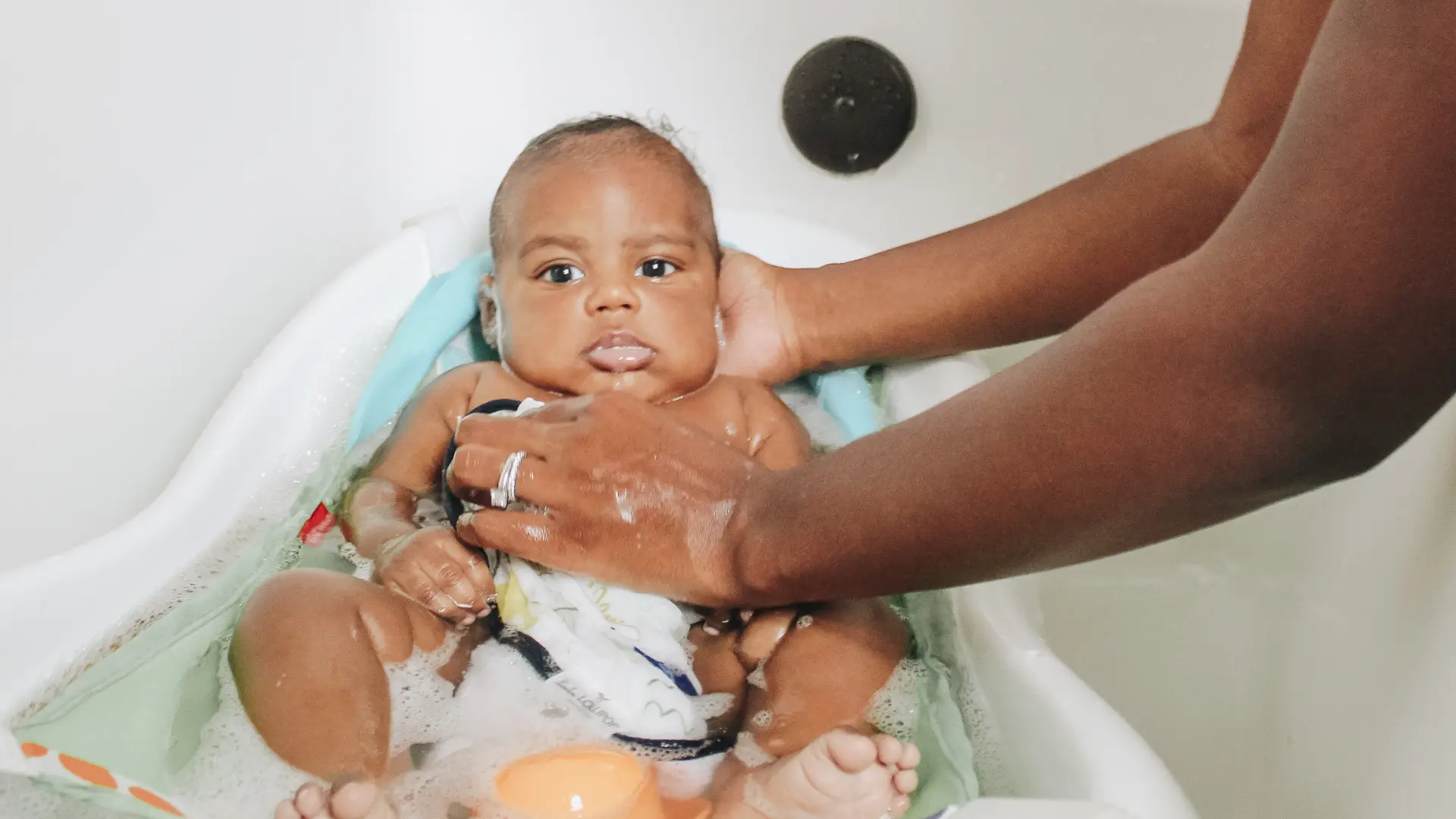
Common mistakes and how to avoid them
- Relying only on the tap temperature. Thermometers are more accurate.
- Filling the tub too deeply. Shallow water is safer for infants.
- Leaving the baby unattended. Never step away, even for a moment.
- Using adult-preferred temperatures. Adults often prefer hotter baths than babies need.
- Not mixing water thoroughly. Hot spots can burn.
Avoid these mistakes by preparing the tub fully, using a thermometer, and keeping essential items within arm’s reach.

Age-specific guidance
Newborns (0–3 months)
- Use 98–100°F (37–38°C). Keep baths short, around 5–10 minutes.
- Support the neck and head. Keep the room warm.
Infants (3–12 months)
- Stick to 95–100°F (35–38°C) based on preference. Let babies play but watch water depth.
- Introduce a thermometer to build safe habits.
Toddlers (1–3 years)
- They may enjoy slightly cooler water, around 95–100°F (35–38°C).
- Supervise closely. Toddlers can stand and slip.
The core question, what temperature should a baby bathtub be, remains similar across ages but adjust slightly by the child’s comfort and reaction.

Safety tips and additional considerations
- Set your home water heater to 120°F (49°C) to reduce scald risk.
- Keep bath time items within reach to avoid leaving the baby.
- Dry and dress the baby quickly to avoid chills.
- For babies with eczema, consult a pediatrician about temperature and bathing frequency. Cooler baths and shorter durations can help.
- Avoid adding too many products to the bath. Fragranced soaps can irritate skin.
Simple checks like a thermometer and steady supervision make bath time safe and pleasant.
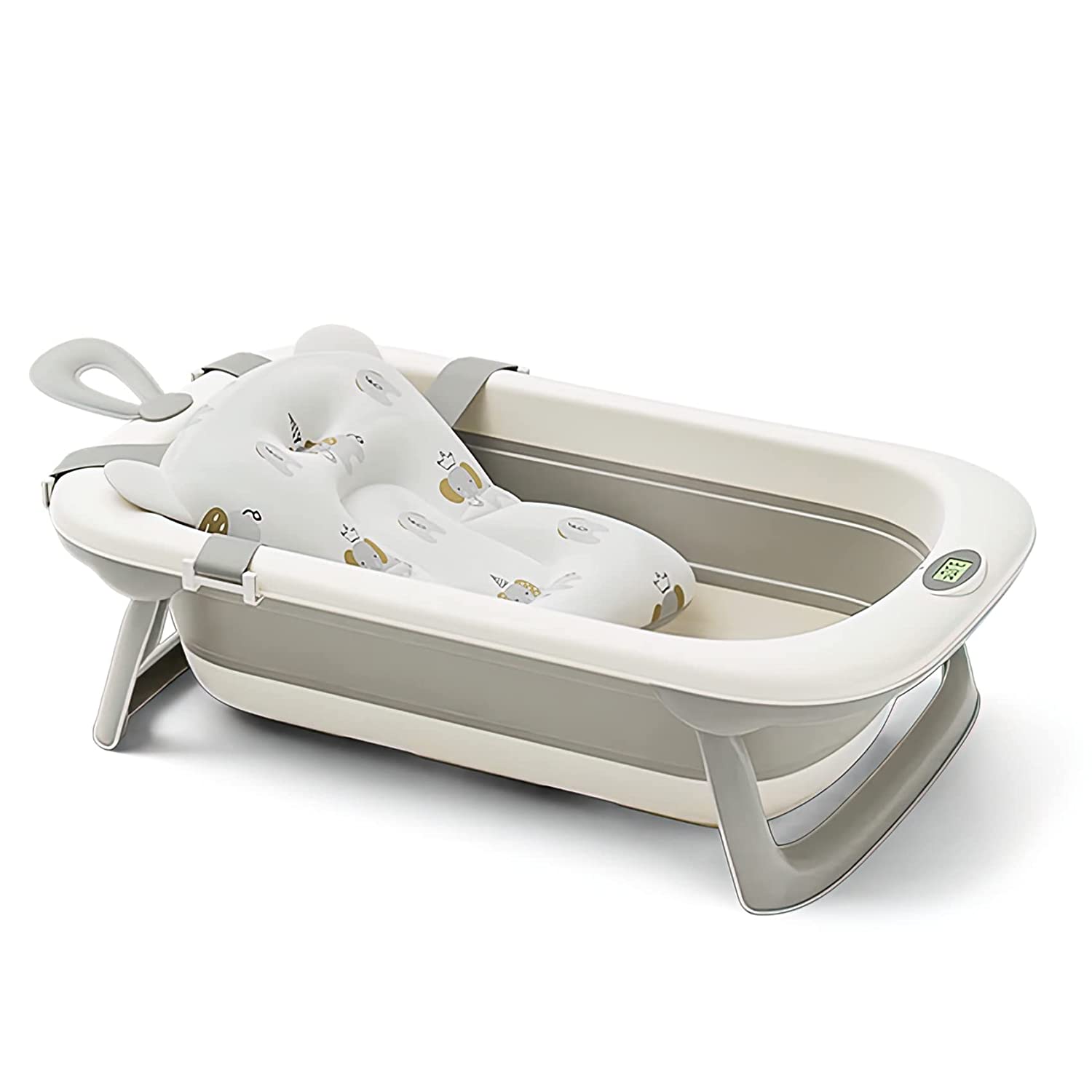
Personal experience and lessons learned
I once used my hand to test bath water for my newborn and nearly placed him into a slightly hot spot. That moment taught me to always use a bath thermometer. Since then, I keep a digital thermometer by the tub and fill the tub with cold first, then add hot. Baths became calmer and safer.
Lessons learned:
- Always test twice before putting the baby down.
- Keep a towel over your arm as a cushion during entry.
- Short baths and a warm room help babies relax and sleep better.
These small habits answer the real-life question of what temperature should a baby bathtub be in a way that works day to day.

Frequently Asked Questions of what temperature should a baby bathtub be
How do I check bath water temperature without a thermometer?
Use your inner wrist or elbow to test the water. It should feel warm and comfortable, not hot. If possible, verify with a digital thermometer for safety.
Is tap water safe for baby baths if my heater is set high?
Set the water heater to 120°F (49°C) to reduce scald risk. Mix hot and cold water at the tap and test the final temperature before bathing.
Can a baby be bathed in cooler water if they cry?
A slightly cooler bath can be okay if the baby stays warm otherwise. Aim for the lower end of the recommended 95–100°F range and keep the room warm.
How deep should the water be for a newborn?
Fill the tub 2–4 inches deep for a newborn. Support the baby’s head and neck and never leave them unattended.
What if my baby has sensitive skin or eczema?
Use shorter baths with milder water temperature, around 95–98°F (35–37°C). Avoid harsh soaps and pat skin dry; ask your pediatrician for personalized advice.
Conclusion
Keeping bath water at the right temperature makes bath time safe and soothing. Aim for about 98–100°F (37–38°C), use a bath thermometer, and follow simple safety steps. Try the tips here during your next bath and you’ll likely see a calmer baby and a more relaxed routine. If you found this helpful, share your own bath tips below, subscribe for more baby care guides, or leave a question in the comments.