

In Colorado, unmarried parents’ custody rights are shaped by paternity, parenting time, decision-making responsibility, and the child’s best interests. Clear communication and stable routines matter most when building a workable plan.
Colorado child custody laws for unmarried parents can feel confusing at first, especially when families are trying to balance parenting time, decision-making, and the child’s daily routine. In Colorado, the legal framework focuses less on whether parents were married and more on what arrangement best supports the child.
This guide explains the main custody concepts in plain language, with a child-development lens that keeps the focus on stability, safety, and clear communication. It is written for parents, caregivers, and family readers who want practical information they can actually use.
- Paternity matters: It often comes before many custody rights are fully defined.
- Two separate issues: Parenting time and decision-making are not the same thing.
- Best interests rule: Courts focus on safety, stability, and the child’s routine.
- Real-life impact: School, childcare, and pickup logistics are part of the picture.
Understanding Colorado Child Custody Laws for Unmarried Parents in 2026
In Colorado, the word “custody” is still commonly used in everyday conversation, but the legal system often uses more specific terms. The two biggest pieces are parenting time and decision-making responsibility.
For unmarried parents, the court’s job is not to reward or punish either parent. It is to create a plan that supports the child’s best interests and gives the child a workable routine.
What “custody” means in Colorado when parents were never married
When parents were never married, custody issues usually involve where the child lives, who makes important decisions, and how parenting time is divided. A parent may have physical care of the child without having sole authority over major decisions, or vice versa.
That means the everyday meaning of “custody” can be broader than the legal meaning. Readers often need to separate the emotional idea of “who has the child” from the legal question of how responsibilities are assigned.
Why this topic matters for families, caregivers, and kid-focused readers
Custody rules affect school mornings, bedtime routines, holidays, transportation, and who receives updates from teachers or doctors. For children, those details shape predictability and comfort.
Caregivers and child-focused readers often want to know how legal arrangements affect the child’s sense of stability. That is especially important in child development, where consistent routines and low-conflict transitions can support emotional security.
User intent: what readers are usually trying to figure out first
Most readers want a few basic answers right away: Does the father have rights if he was never married to the mother? Does the mother automatically have full custody? What happens if paternity has not been established?
Those are the right first questions. In Colorado, the answers depend on paternity, court orders, and the child’s best interests rather than on marital status alone.
Parenting Time, Decision-Making, and Paternity: The Core Legal Pieces
Before a custody plan becomes clear, it helps to understand the three legal pieces that usually shape the case. Those pieces are parenting time, decision-making responsibility, and paternity.
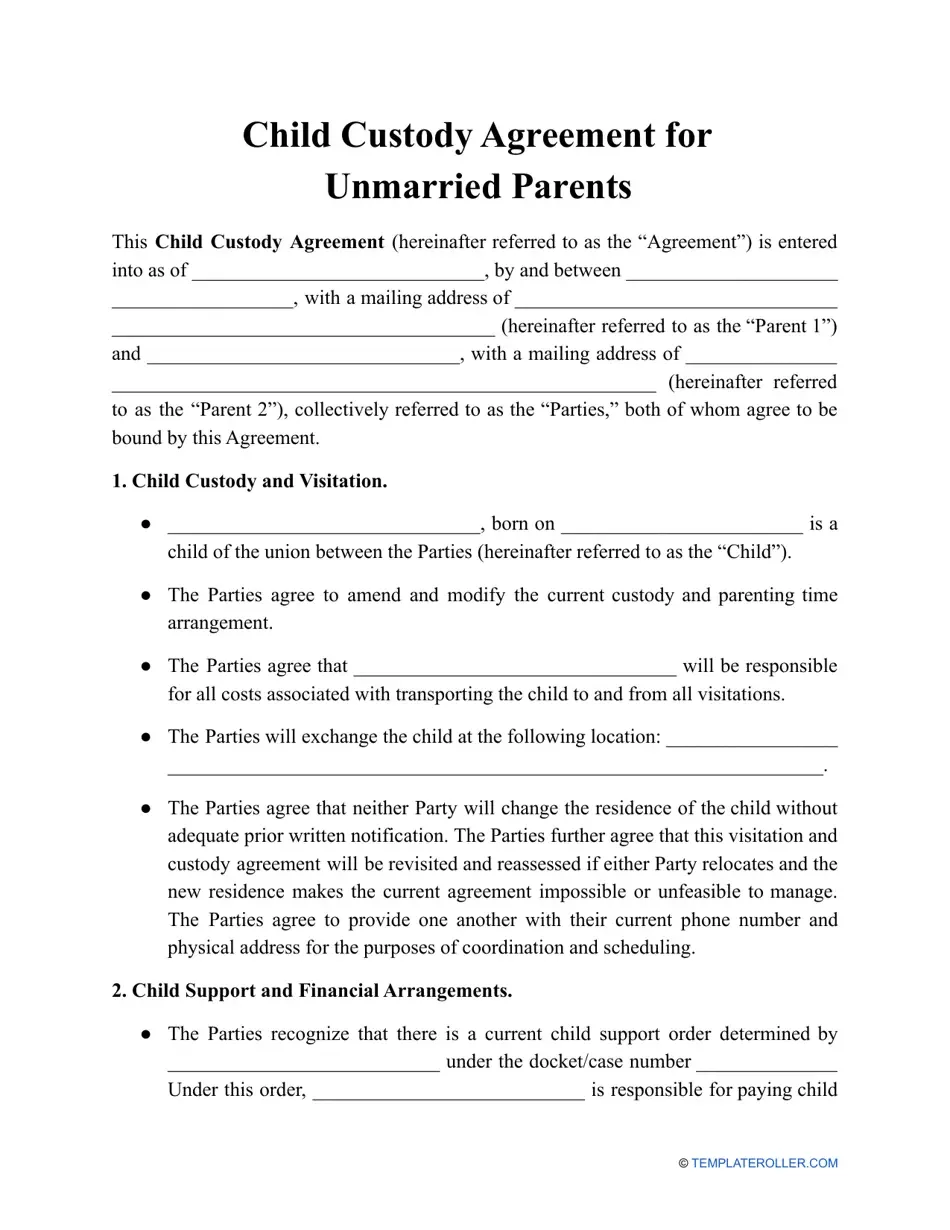
Each one affects how a family functions day to day, and each one can be handled differently by a court.
How Colorado separates parenting time from decision-making responsibility
Parenting time refers to when the child is physically with each parent. Decision-making responsibility refers to who has authority over major issues such as education, medical care, and religion.
A court can divide these in different ways. For example, parents may share parenting time evenly while one parent has final decision-making authority in a specific area, or they may share both responsibilities jointly.
Why establishing paternity comes before many custody questions
If the parents were never married, paternity often needs to be established before the legal relationship is fully defined. Without paternity, a father may not yet have enforceable parental rights or responsibilities under a court order.
Once paternity is established, the court can address parenting time, child support, and decision-making more clearly. This step is often the doorway to the rest of the case.
What unmarried parents should know about rights that are not automatic
Unmarried parents should not assume that informal caregiving arrangements automatically become legal custody rights. A parent who has been involved in daily care may still need a court order to protect that role.
Likewise, a parent who has not been consistently involved may still have legal options if paternity is established and the court finds contact is appropriate. The legal system looks at the child’s needs and the facts of the family situation, not just labels.
If parents are trying to work things out without court conflict, it can still help to put agreements in writing. Clear written plans reduce misunderstandings about pickup times, holidays, and school communication.
How Colorado Courts Approach the Child’s Best Interests
Colorado courts use a best-interests framework in custody-related decisions. That means the judge looks at what arrangement is most likely to support the child’s well-being, safety, and overall development.
This approach is especially important for unmarried parents because the court is not starting from a marital presumption. It is starting from the child’s current reality.
Key factors judges consider in unmarried-parent custody cases
Judges commonly look at each parent’s relationship with the child, the child’s adjustment to home and community, the ability of each parent to support the other parent’s relationship with the child, and any safety concerns.
The court may also consider practical factors such as work schedules, transportation, and whether each home can support the child’s needs. The goal is not perfection; it is a stable, workable plan.
Why consistency, safety, and daily routines matter in child-development contexts
From a child-development standpoint, predictable routines can make transitions less stressful. Children usually do better when they know where they will sleep, who is picking them up, and what the week will look like.
Safety is equally important. If a child is exposed to conflict, instability, or unsafe conditions, the court may adjust parenting time or decision-making to reduce harm.
How school schedules, childcare, and home stability can affect outcomes
School schedules often shape parenting plans because children need reliable attendance, homework support, and timely transportation. A plan that looks fair on paper may still fail if it constantly disrupts school or childcare routines. [Source: EPA]
Home stability also matters. Courts may pay attention to whether a child has a safe sleep space, consistent supervision, and a routine that fits the child’s age and developmental stage.
When parents are preparing for court or mediation, a simple calendar of school days, childcare, and exchange times can be more useful than a long explanation. Concrete schedules help everyone see what the child’s week actually looks like.
Where This Topic Shows Up: School Pickup Lines, Co-Parent Texts, and Family Newsletters
Custody rules are not just courtroom topics. They show up in school offices, daycare forms, doctor visits, and the everyday messages parents send each other about pickup times and schedule changes.
For families, the legal plan becomes part of ordinary life. That is why clarity matters so much.
Real-life settings where readers encounter custody rules and parenting plans
A school may need to know who can sign a child out early. A childcare provider may need a copy of the parenting plan. A pediatric office may ask which parent can receive medical information or make decisions in an emergency.
These are ordinary moments where legal details become practical. If the plan is vague, the child may end up caught in preventable confusion.
How to explain custody changes in kid-friendly language
Children usually do best when explanations are simple, calm, and age-appropriate. Instead of sharing legal arguments, adults can explain the schedule in terms of where the child will be, when transitions happen, and what stays the same.
For younger children, the message should emphasize routine and reassurance. For older children, it may help to explain that adults are making a plan to keep school, activities, and home life organized.
Why tone matters when discussing legal topics around children
Tone affects how children and co-parents receive information. A respectful, neutral tone can reduce anxiety and help everyone focus on the child rather than on the conflict.
Even when the situation is tense, the language should stay child-centered. That is especially important in texts, emails, and school communications that may be saved or forwarded later.
A sarcastic or overly casual tone can make legal and parenting conversations harder to resolve. When children are involved, clarity is more useful than clever wording.
Jamie Reed’s Humor Craft Tips for a Sensitive Family Topic
Even in a serious topic, a warm and human tone can make the information easier to read. The key is to use gentle clarity, not to make light of family stress.
For PunRealm, that means keeping the writing friendly and accessible while staying respectful of the real decisions families face.
How to use light humor without making legal stress feel smaller than it is
Light humor works best when it supports the reader rather than distracts from the issue. A small amount of playful phrasing can make a complicated explanation feel less intimidating, but it should never minimize conflict, safety concerns, or the child’s needs.
In legal and parenting content, the safest approach is to let the structure do the work. Clear headings, short paragraphs, and simple examples can be more helpful than trying to force a joke into every section.
Best joke styles for PunRealm: gentle wordplay, relatable parenting bits, and clean punchlines
For a family-friendly site, gentle wordplay tends to work better than edgy humor. Relatable parenting observations can also land well because readers recognize the real-life setting right away.
Clean punchlines are the most flexible across platforms. They can work in articles, newsletter blurbs, or short social captions without creating the risk of sounding dismissive.
When writing for mixed audiences, the safest humor usually comes from shared experience, not from the conflict itself. In parenting content, that often means joking about paperwork, schedules, or confusion—not about the child or the legal dispute.
Delivery advice for articles, social posts, and spoken explanations
In articles, humor should be subtle enough that the reader can skip it without losing the point. In social posts, the same idea may need to be even softer because context is shorter and easier to misread.
In spoken explanations, especially at school or in a family meeting, humor should be minimal if the topic is sensitive. A calm, steady delivery usually communicates care better than a joke does.
Common Humor Mistakes to Avoid When Writing About Custody
Humor can help readers stay engaged, but it can also backfire quickly in family-law topics. The line between “light” and “insensitive” is thin when children and co-parents are involved.
Writers should be especially careful not to confuse entertainment with support.
Skipping empathy and sounding flippant about family conflict
If the writing sounds like it is making fun of the family situation, readers may stop trusting the information. That is true even if the legal details are accurate.
Empathy matters because custody questions often come with stress, uncertainty, and strong emotions. A respectful tone helps the reader feel seen.
Turning legal uncertainty into a punchline too early
Some topics need explanation before humor. If the reader does not yet understand paternity, parenting time, or decision-making, a joke can feel like a detour rather than a help. [Source: Mayo Clinic]
In instructional content, clarity should come first. Humor works best after the reader understands the basic legal framework.
Using jokes that confuse parents, kids, or co-parents instead of clarifying the message
A joke that depends on inside knowledge can leave readers more confused than before. That is especially risky in child-development content, where the audience may include new parents, teachers, and caregivers.
If the line does not make the point clearer, it probably does not belong.
- Gentle, shared-experience humor
- Simple explanations with calm tone
- Examples tied to school or home routines
- Mocking either parent
- Jokes about legal confusion
- Humor that distracts from child safety
Age-Appropriateness and Audience Sensitivity for Child Development Content
Because this topic touches children’s routines and family relationships, audience sensitivity matters. The best explanation for one group may be too detailed, too formal, or too playful for another.
Writers should think carefully about who is reading and what they need most.
What to keep in mind when the audience includes parents of younger children
Parents of younger children usually need reassurance, simple language, and practical next steps. They may be worried about transitions, bedtime disruptions, or how to explain changes without upsetting the child.
For this audience, a soft tone and concrete examples are usually more helpful than legal jargon. The goal is to reduce stress, not to sound impressive.
How to tailor explanations for teens, teachers, and caregivers
Teens can usually handle more direct explanations, especially if the schedule affects sports, jobs, or school events. Teachers and caregivers may need a more functional summary focused on pickup authority, contact information, and emergency procedures.
Each audience needs the same core facts, but not the same level of detail. Good communication respects that difference.
When humor should be softer, clearer, and more supportive
Humor should be softer when the audience is stressed, when there are safety concerns, or when the child is very young. It should also be softer in formal settings such as court-related paperwork, school notices, or doctor communications.
In those spaces, clarity and support matter far more than cleverness.
Readers often remember a simple example better than a long explanation. In family-law content, a plain school-pickup scenario can be more effective than a dense legal paragraph.
Final Recap: The Takeaway for Unmarried Parents in Colorado
Colorado child custody laws for unmarried parents focus on parenting time, decision-making responsibility, paternity, and the child’s best interests. The legal outcome depends on the facts of the family, not on whether the parents were married.
For children, the most helpful plans are the ones that are stable, predictable, and low-conflict.
Quick summary of the most important custody concepts
Parenting time and decision-making are separate legal issues. Paternity often needs to be established before the full legal picture is clear.
Courts then look at the child’s best interests, including safety, routine, school needs, and each parent’s ability to support the child’s relationship with the other parent.
Why clear communication and child-centered planning matter most
Good custody planning is not just about legal rights. It is about helping children move through daily life with as little confusion and stress as possible.
Clear communication between adults, written schedules, and respectful tone all support that goal.
Closing note that blends practical guidance with Jamie Reed’s family-friendly humor style
At PunRealm, the best family content is the kind that keeps things clear, kind, and easy to follow. In custody matters, a well-organized plan is worth more than a dramatic storyline, because children usually do best when the adults do the organizing for them.
- Colorado focuses on the child’s best interests, not parental marital status.
- Paternity, parenting time, and decision-making are the key legal pieces.
- Stable routines, school logistics, and safety can strongly shape outcomes.
- Clear, child-centered communication helps reduce conflict and confusion.
Frequently Asked Questions
They can have custody-related rights, but those rights are usually shaped by paternity and court orders. The court focuses on the child’s best interests rather than marital status.
Not always. In many cases, paternity must be established before the father’s rights and responsibilities are fully recognized in court.
Parenting time is the schedule for when the child is with each parent. Custody is a broader everyday term that people use to talk about parenting time and decision-making together.
Yes, many parents create agreements on their own or through mediation. A court order can make the arrangement clearer and easier to enforce if problems arise later.
Colorado courts look at the child’s best interests. They may consider safety, routines, school needs, each parent’s involvement, and the ability to support the child’s relationship with the other parent.
Keep the explanation simple, calm, and age-appropriate. Focus on where the child will be, what stays the same, and that the adults are working to keep things stable.