
Best Toddler Formula between 12 months and three years old still need concentrated nutrition to support fast brain and body growth, but many parents find picky eating or dietary restrictions make that harder to guarantee through food alone. Toddler formula and nutritional drinks are designed to fill in gaps, offering nutrients like DHA, iron, and protein in a familiar milk-based format. They can be especially useful during the transition off infant formula or breast milk, when a child’s diet is still expanding.
Not every product in this category serves the same purpose. Some are general nutritional supplements meant to complement meals, while others, like amino acid-based hypoallergenic formulas or pediatric blended meals, are designed for medical conditions such as cow’s milk allergy or tube feeding. Ingredient sourcing (cow, goat, or plant-based), lactose content, protein type, and preparation format (powder, ready-to-drink, or ready-to-feed liquid) all affect which option fits a specific child.
Choosing the right product depends on your toddler’s age, any diagnosed allergies or sensitivities, and whether you need a supplement to a varied diet or a more targeted nutrition source recommended by a pediatrician. The rest of this guide breaks down ten widely available options, from mainstream milk-based drinks to specialized hypoallergenic and blended meal formulas, so you can compare labels and feeding needs side by side. Best Toddler Formula
Best for everyday brain-supporting nutrition: Enfagrow Premium Toddler Milk Nutritional Drink
Best for cow’s milk sensitivity: Kabrita Goat Milk-Based Toddler Nutrition Drink
Best for diagnosed food allergies: Neocate Syneo Junior Hypoallergenic Toddler Formula
Best for infants with lactose sensitivity: Earth’s Best Organic Sensitivity Infant Formula
Best for A2 protein preference: Haven A2 Cow Toddler Formula
Best for goat milk with A2 protein: Haven Goat Toddler Formula
Best for immune-focused nutrition: Enfagrow Enspire Toddler Nutritional Drink
Best for on-the-go allergy management: Neocate Splash Junior Ready-to-Feed Formula
Best for convenient ready-to-use feeding: Enfagrow NeuroPro Toddler Nutritional Drink
Best for tube-fed or whole-food-based nutrition: Kate Farms Pediatric Blended Meal
Enfagrow Premium Toddler Milk Nutritional Drink
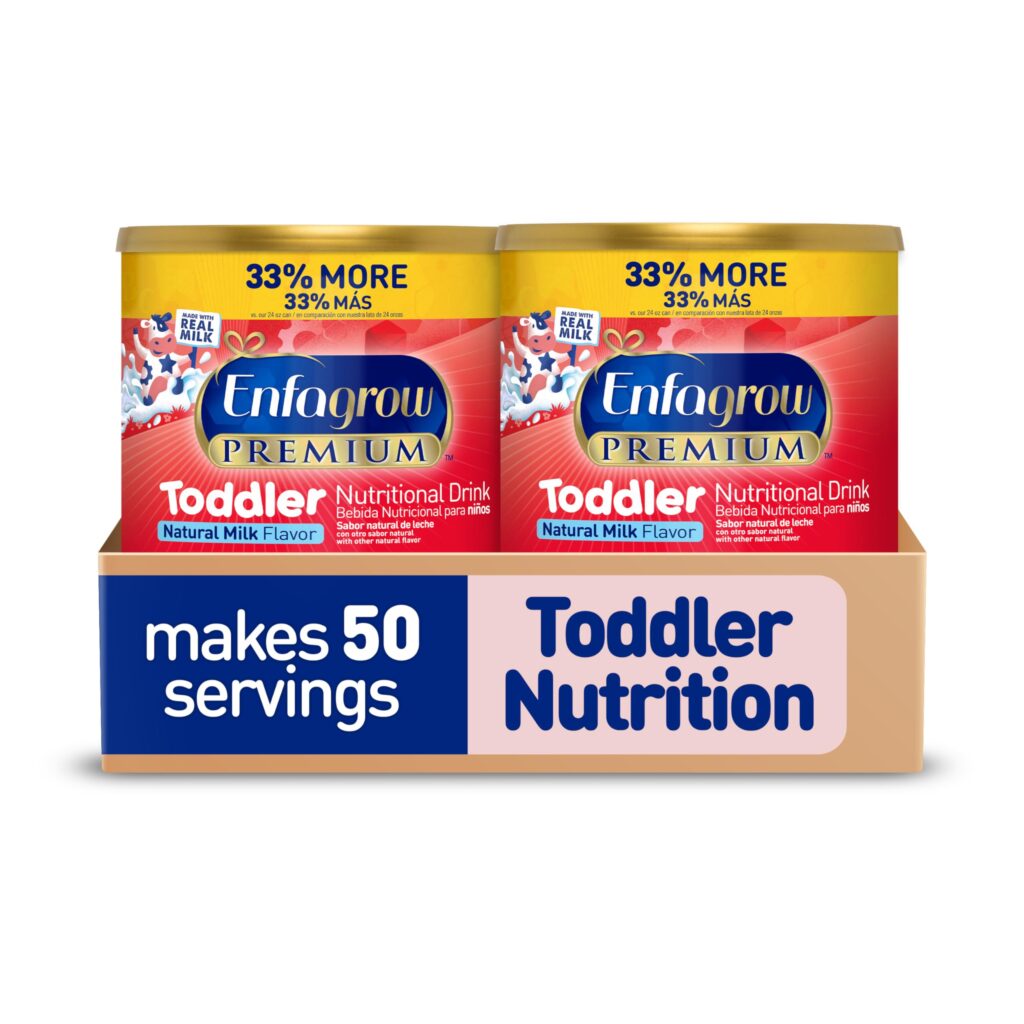
This is a solid pick for parents who want a widely trusted, milk-based drink to round out a toddler’s daily nutrition between ages one and three.
Pros
- Contains DHA, iron, and 6g of protein per serving
- Includes prebiotics for digestive support
- Backed by a long-established infant nutrition manufacturer
Cons
- Not a meal replacement or sole nutrition source
- Powder requires mixing with water
- Some shipments have arrived with lid damage
Made with real milk, this drink includes a blend of DHA, iron, and protein the brand calls its “Brain Trio,” along with 19 additional nutrients. It’s positioned as a complement to meals rather than a substitute for a balanced diet. Parents transitioning a child off infant formula often use it as a familiar bridge product. The prebiotic content supports digestive comfort, a common concern during this feeding stage.
Kabrita Goat Milk-Based Toddler Nutrition Drink
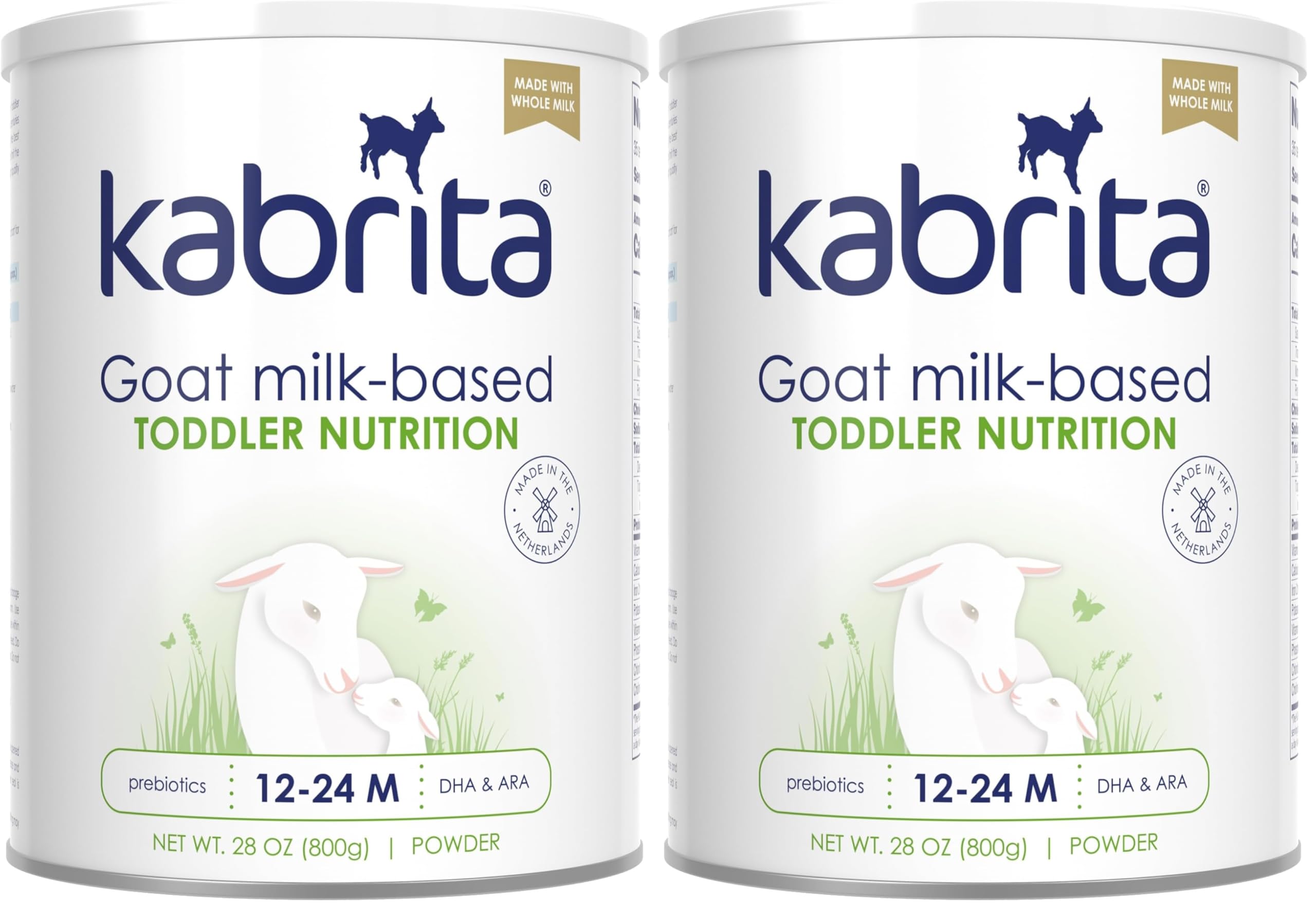
Worth considering for toddlers ages 12-24 months who tolerate goat milk better than cow milk, though it is not a hypoallergenic or allergy-treatment product.
Pros
- Whole goat milk as the primary ingredient
- Free from GMOs, corn syrup, and added growth hormones
- Undergoes extensive contaminant testing per batch
Cons
- Narrower age range (12-24 months) than some competitors
- Goat milk still contains dairy proteins, so it is not suitable for a diagnosed cow’s milk allergy
- Some shipments arrive with dented cans
Goat milk has a different protein and fat structure than cow milk, which some toddlers digest more comfortably, though this is not the same as being hypoallergenic. Kabrita sources its milk from grass-fed goats in the Netherlands and markets the drink toward gut health and immune support. Parents whose toddlers have mild digestive fussiness with cow milk sometimes find this a gentler alternative, but it does not replace a formula designed for allergy management.
Neocate Syneo Junior Hypoallergenic Toddler Formula
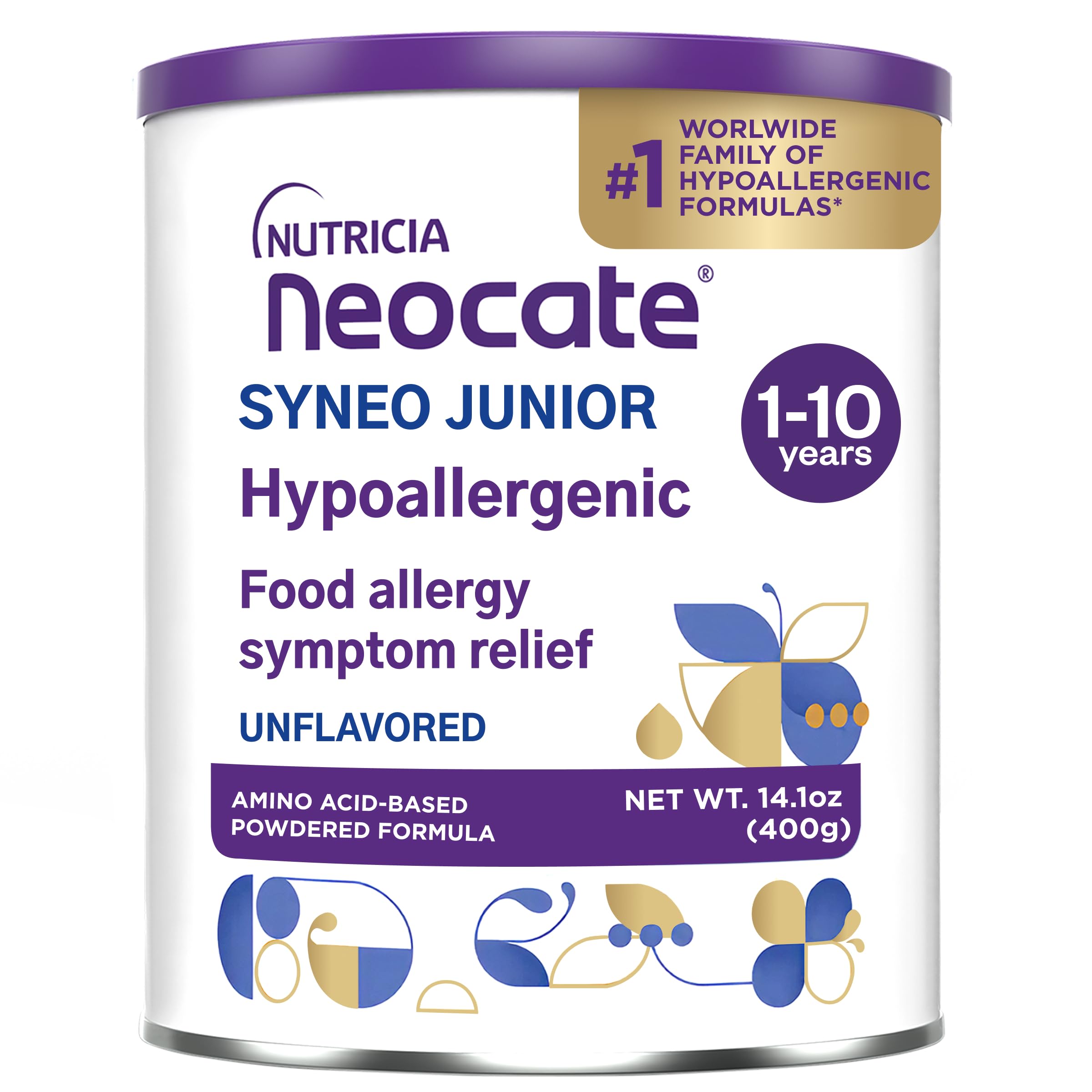
Best suited for toddlers with a diagnosed cow’s milk protein allergy or related gastrointestinal condition, and typically used under a doctor’s guidance.
Pros
- Made from 100% amino acids, avoiding intact milk proteins entirely
- Includes a prebiotic and probiotic blend for digestive support
- Dairy-free, unflavored, with no artificial colors or sweeteners
Cons
- Unflavored taste may take adjustment for some toddlers
- Priced higher than standard toddler drinks
- Best used with pediatrician or dietitian guidance
An amino acid-based formula breaks protein down to its simplest building blocks so the immune system does not react to it, which is why this type of product is often prescribed for children with severe food allergies. Neocate Syneo Junior is nutritionally complete, meaning it can serve as a primary nutrition source when directed by a healthcare provider. This is not an everyday supplement category, and switching to it should involve a pediatrician’s input.
Earth’s Best Toddler Formula Options
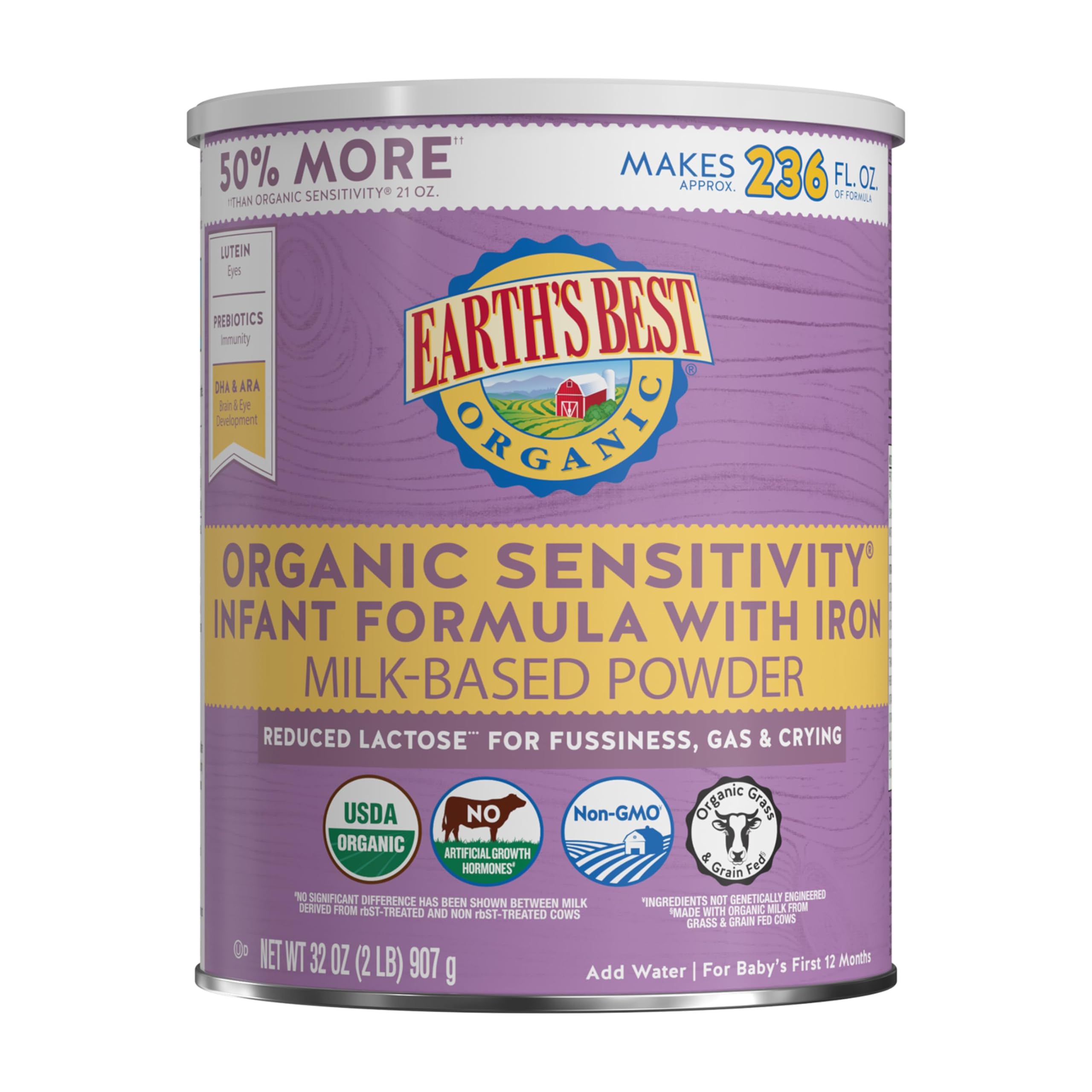
A reduced-lactose infant formula best suited for babies under 12 months with mild fussiness or gas, not for toddlers past their first birthday.
Pros
- Made with organic milk from grass- and grain-fed cows
- Includes DHA, ARA, iron, and prebiotics
- Formulated to ease digestive discomfort tied to lactose sensitivity
Cons
- Intended for ages 0-12 months, not toddlers
- Contains reduced lactose, not zero lactose
- Not appropriate for a diagnosed milk protein allergy
This formula meets FDA standards for infant nutrition and is designed to be used alone or alongside breastfeeding through the first year. The reduced-lactose formulation targets fussiness, gas, and crying some babies experience with standard formulas. Because it is an infant formula rather than a toddler product, families should transition to an age-appropriate toddler drink or whole milk once their child turns one, per pediatrician guidance.
Haven A2 Cow Toddler Formula
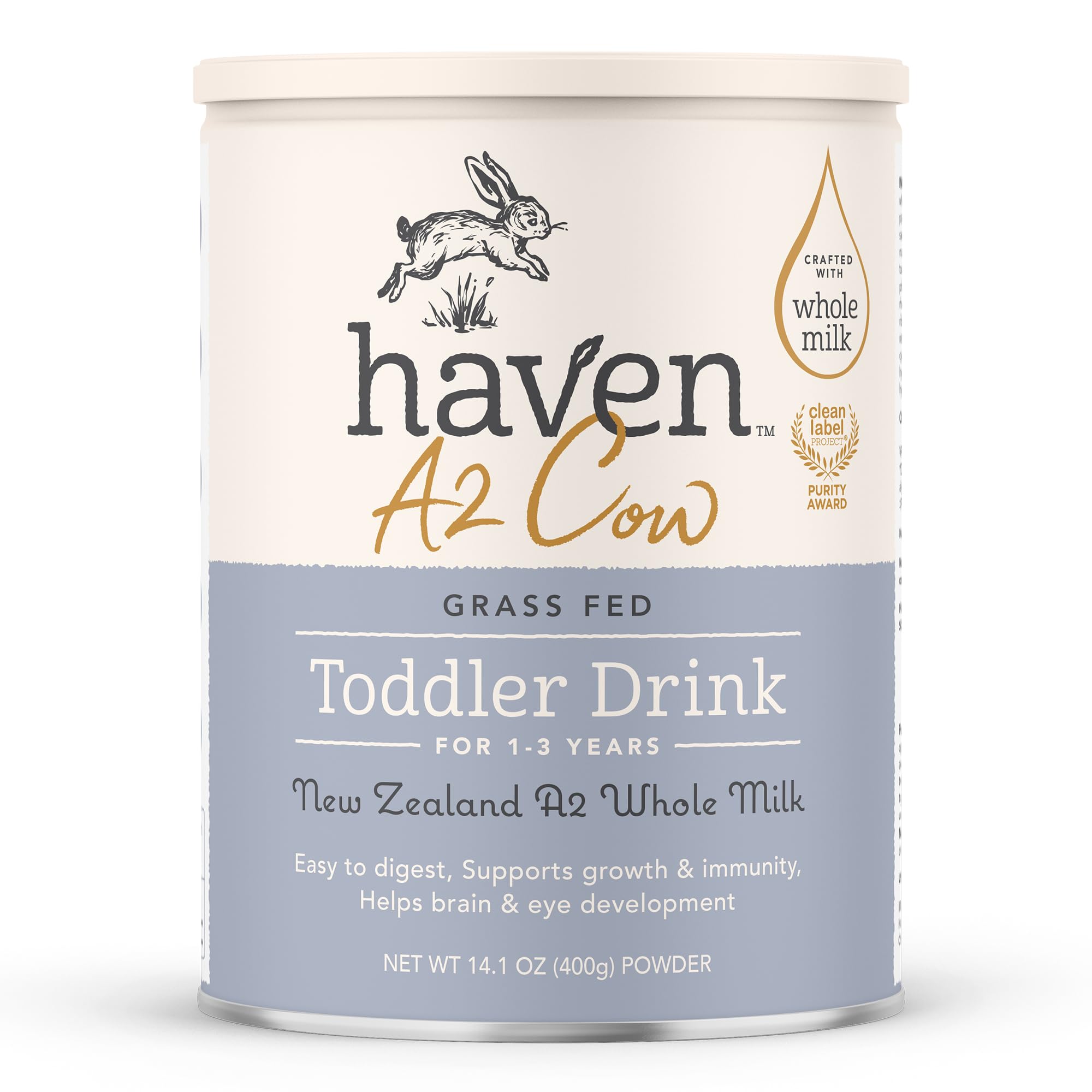
Worth considering for parents seeking a toddler formula made with only A2 protein and whole milk fat instead of skim milk with added oils.
Pros
- Uses grass-fed whole milk with only A2 beta-casein protein
- No added sugar or seed oils
- Includes plant-based DHA, prebiotics, and probiotics
Cons
- Some reviewers noted a recent recipe change affecting taste
- Smaller container size (14.1oz) than some competitors
- A2 protein claims are not proven to outperform standard cow milk for most children
A2 milk contains only the A2 form of beta-casein protein, which some parents believe is easier to digest than milk containing both A1 and A2 proteins, though research on meaningful differences remains limited. Haven markets this formula as a whole-milk alternative to skim-milk-based drinks that rely on added oils for fat content. It is intended for toddlers 12 months and older transitioning toward regular milk.
Haven Goat Toddler Formula
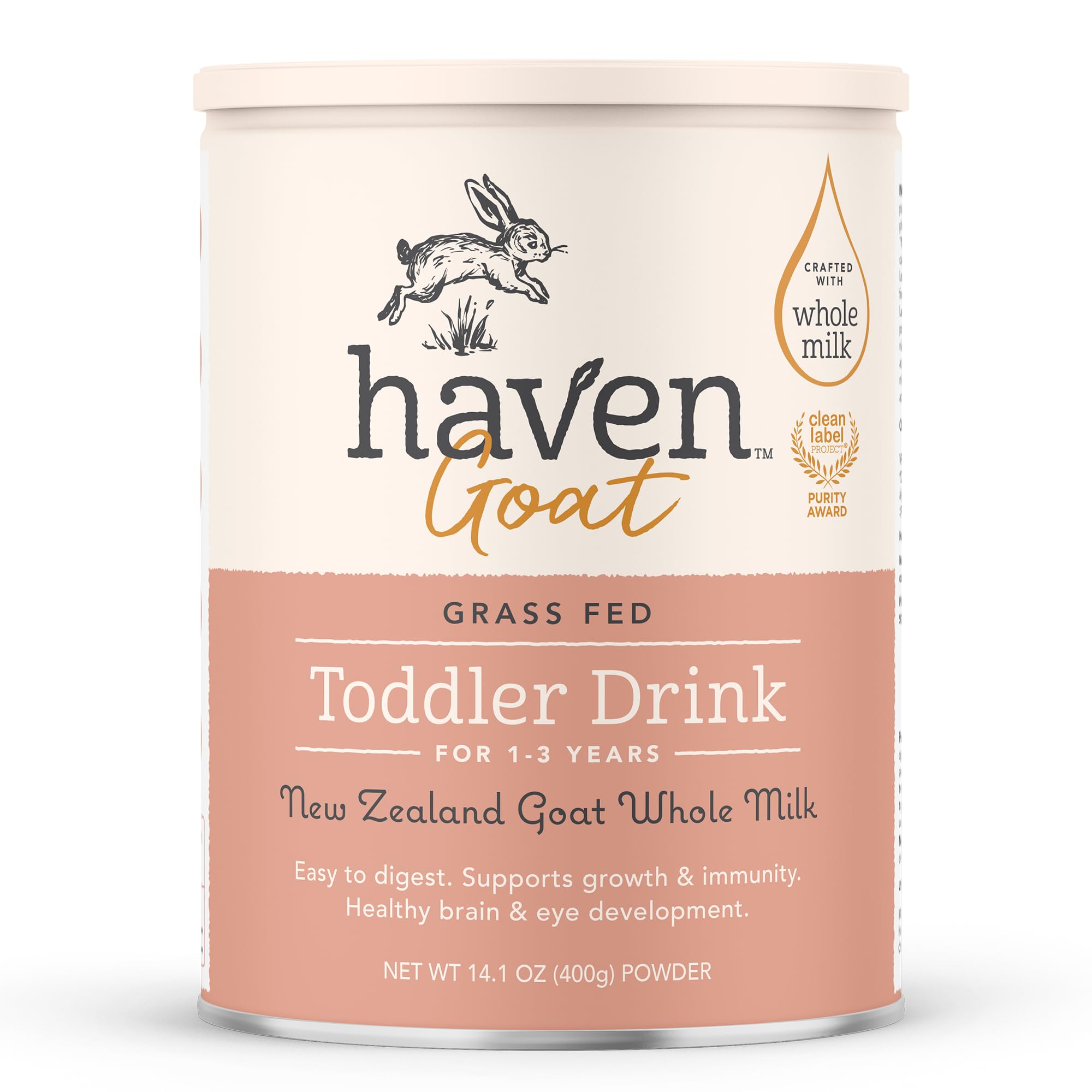
Best suited for toddlers who tolerate goat milk well and whose parents want an A2-only protein source without added cow’s milk lactose.
Pros
- Whole goat milk with naturally occurring A2 protein
- No added sugar or seed oils
- Contains 16 vitamins and minerals plus prebiotics and probiotics
Cons
- Not appropriate for a cow’s milk protein allergy, since goat milk shares similar allergenic proteins
- Mild taste and smell differences noted by some parents
- Smaller 14.1oz size means more frequent reordering
Goat milk’s smaller fat globules make it easier for some toddlers to digest, though it remains a dairy product and is not hypoallergenic. This formula is aimed at toddlers 12 months and older who prefer goat over cow milk for taste or digestive reasons. Parents managing a diagnosed milk allergy should look at an amino acid-based option instead.
Enfagrow Enspire Toddler Nutritional Drink
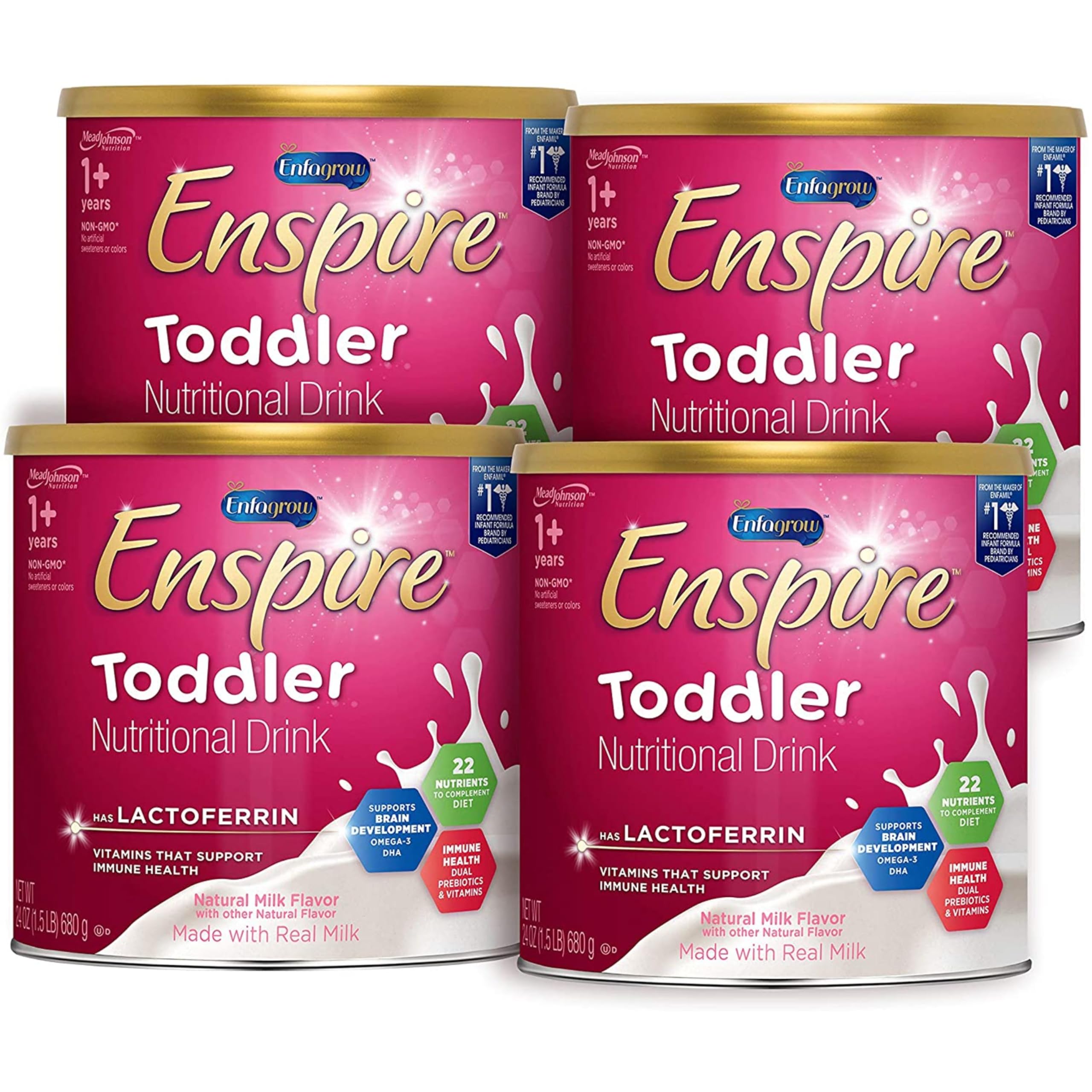
A good option for parents focused on immune support, since this formula includes lactoferrin alongside standard DHA and iron.
Pros
- Contains lactoferrin, a protein linked to immune support
- Includes 30 total nutrients plus dual prebiotics
- SNAP-eligible for qualifying families
Cons
- Higher price point than some comparable toddler drinks
- Some reviewers found the can size small relative to cost
- Made with real milk, so not suitable for dairy allergies
Lactoferrin is a naturally occurring protein found in milk that supports immune function, and Enfagrow highlights it as part of what the brand calls a “Triple Health Guard Blend.” This formula also includes vitamin C and zinc alongside DHA for brain development. It suits toddlers ages one to three who need extra immune and growth support as part of a varied diet.
Neocate Splash Junior Ready-to-Feed Formula
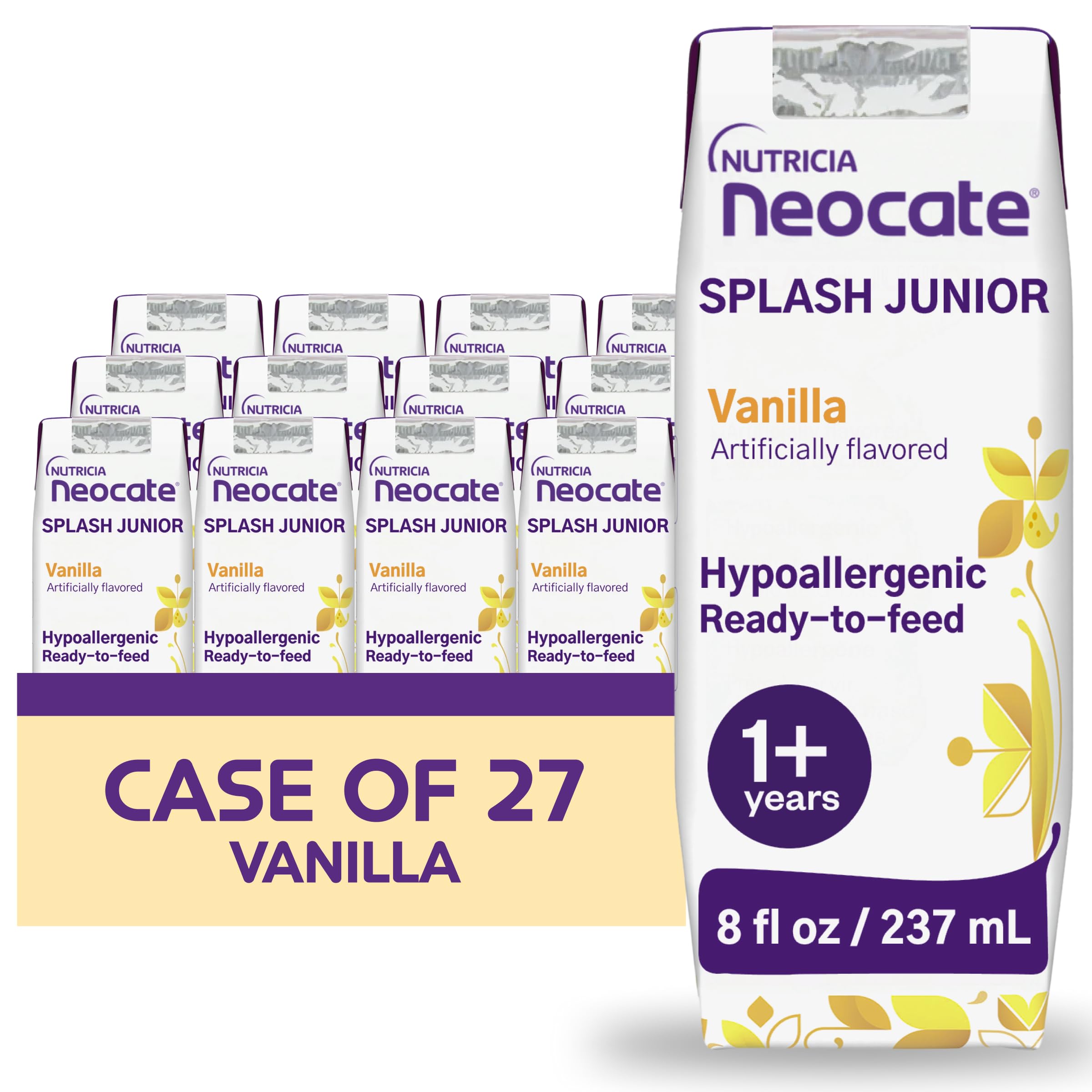
Best suited for children with diagnosed food allergies who need a portable, no-mixing formula for school, travel, or daycare.
Pros
- Ready to drink with no mixing or refrigeration needed before opening
- Amino acid-based for children with cow’s milk protein allergy
- Available in multiple flavors to improve daily acceptance
Cons
- Short shelf life once shipped, per some reviewer reports
- Higher cost than powder-based hypoallergenic formulas
- Best used under a pediatrician’s care given its medical purpose
This liquid formula skips the mixing step entirely, which matters for families managing a child’s allergy outside the home. Like other amino acid-based products, it is designed for children with cow’s milk allergy or related gastrointestinal conditions and should be introduced with medical guidance. Reviewers note the vanilla and fruit flavors are more palatable than unflavored alternatives, which can help with consistent daily use.
Enfagrow NeuroPro Toddler Nutritional Drink
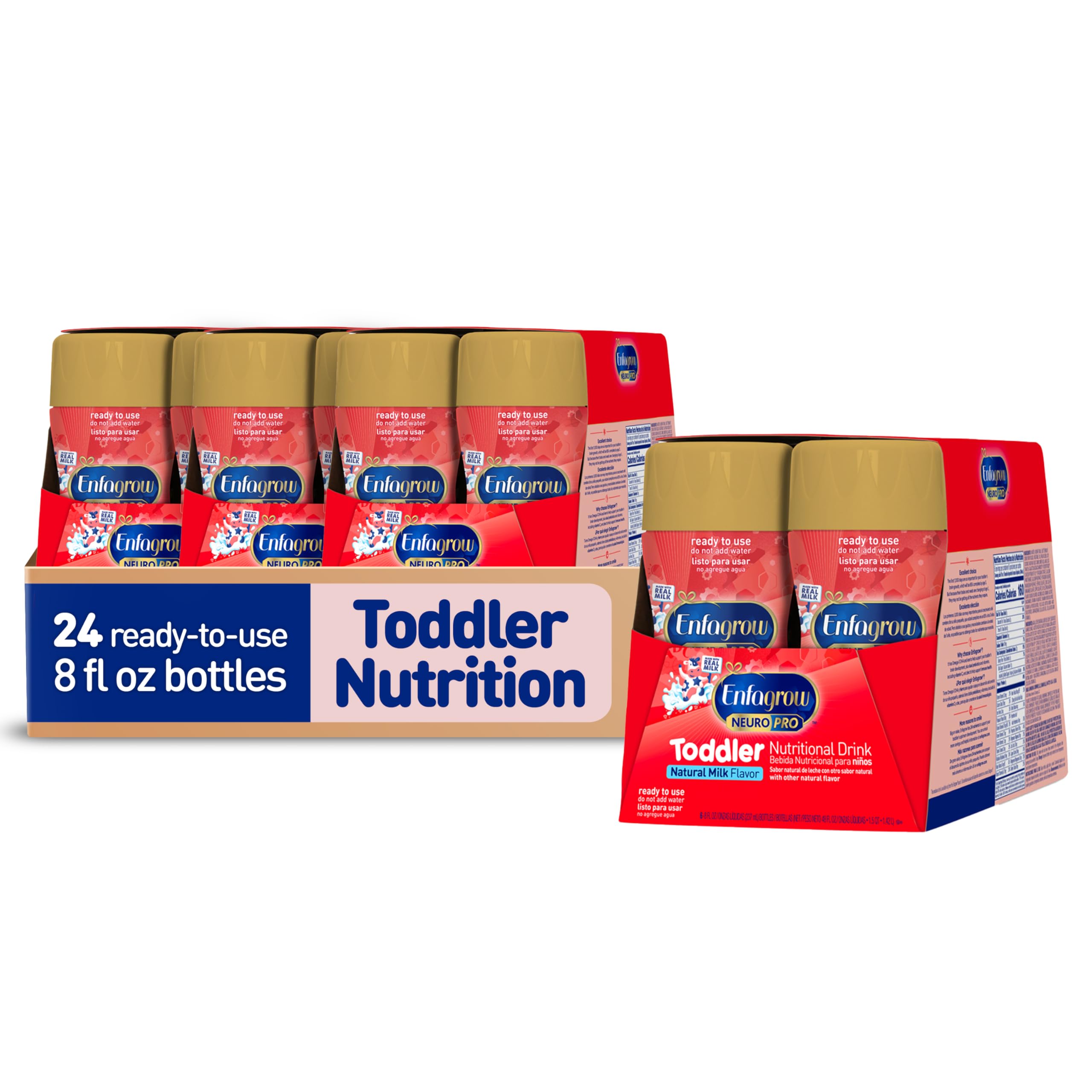
A convenient choice for parents who want a ready-to-drink toddler formula without measuring or mixing powder.
Pros
- Ready-to-use bottles, ideal for travel or busy days
- Contains DHA, iron, and 22 nutrients for toddlers 1+
- Made with real milk and no artificial ingredients
Cons
- Bottled format costs more per ounce than powder
- Bulkier to store than a powdered can
- Not a substitute for a varied solid-food diet
This ready-to-use version of Enfagrow’s toddler line skips the powder-mixing step, which appeals to caregivers who need a grab-and-go option. Each 8-ounce bottle delivers the same DHA and iron-focused nutrient profile found in the brand’s powdered drinks. It works well for daycare, travel, or times when access to clean water for mixing isn’t practical.
Kate Farms Pediatric Blended Meal
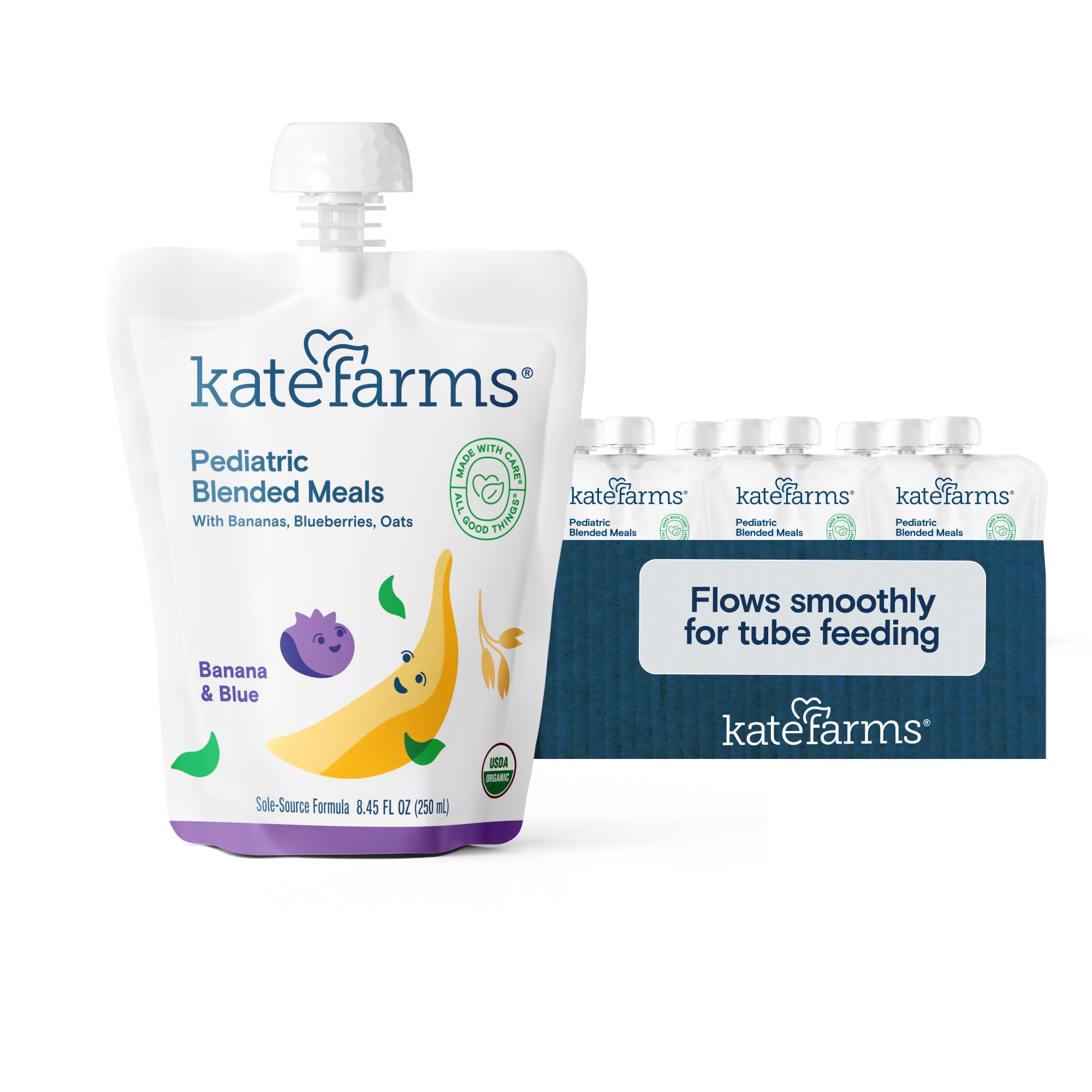
Best suited for children ages 1-13 who need tube feeding or a whole-food-based oral supplement, rather than a typical toddler nutritional drink.
Pros
- Plant-based, organic ingredients with 9g of protein per serving
- Works for tube feeding, drinking, or spoon-feeding
- Free from common allergens including dairy and gluten
Cons
- Not designed as a general everyday toddler drink
- Higher cost than standard toddler formulas
- Best introduced with guidance from a pediatrician or dietitian, especially for tube-fed children
This product is a blended meal rather than a formula, meaning it’s made from whole-food ingredients like banana and blueberry blended into a pourable consistency. It’s designed to work across feeding methods, from a tube to a spoon to a cup. Families managing a child’s tube feeding or looking for a whole-food-based supplement for older kids with complex nutrition needs are the primary audience here, and a pediatrician or dietitian can help determine if it fits a child’s care plan.
Buying Guide
Understand What Type of Product You Need
Toddler formulas and nutritional drinks are not interchangeable with infant formula or specialized medical formulas. Infant formula (0-12 months) is formulated for babies who rely on it as a primary nutrition source. Toddler drinks (12 months and up) are designed to complement an already varied diet, not replace it. Hypoallergenic, amino acid-based formulas and pediatric blended meals serve children with diagnosed allergies, digestive disorders, or tube-feeding needs, and are typically recommended by a healthcare provider.
Check the Protein Source and Allergen Profile
The protein source affects both nutrition and allergy risk. Compare options using this general framework:
| Protein Source | Common Use Case | Allergy Consideration |
|---|---|---|
| Cow’s milk (standard) | General toddler nutrition | Contains both A1 and A2 casein; not for milk allergy |
| A2 cow’s milk | Toddlers with mild digestive sensitivity | Still a dairy allergen; not hypoallergenic |
| Goat milk | Toddlers with mild cow milk intolerance | Shares allergenic proteins with cow milk |
| Amino acid-based | Diagnosed cow’s milk protein allergy | Broken down to non-allergenic building blocks |
| Plant-based blended meal | Tube feeding or allergen-free diets | Dairy-free and often free of major allergens |
Look at DHA, Iron, and Prebiotic Content
Most toddler formulas include DHA to support brain development and iron to prevent deficiency, both important nutrients that can be harder to get consistently from a toddler’s diet alone. Prebiotics and probiotics support digestive comfort. Compare the amount of each nutrient per serving on the label rather than relying on front-of-package claims.
Consider Preparation Format and Feeding Method
Powdered formulas cost less per ounce but require mixing with water. Ready-to-feed liquids and bottles cost more but save time and work well for travel or daycare. Blended pediatric meals may need a tube-feeding setup or can be given by spoon or cup, depending on a child’s needs.
When to Involve a Pediatrician
Any switch to a hypoallergenic, amino acid-based, or tube-feeding product should involve a pediatrician or registered dietitian. These products manage specific medical conditions, and using them without guidance can lead to nutritional gaps or delayed diagnosis of an underlying issue. Standard toddler nutritional drinks are generally safe as a dietary supplement but are not required for every child’s healthy growth.