A fussy, straining, or uncomfortable Baby Constipation Relief Products can leave any parent searching for answers at all hours. Occasional constipation and gas are common in infants and toddlers, especially during transitions like starting solids or switching formula. The right product depends on the actual symptom: hard or infrequent stools call for a different approach than trapped gas or colic-related fussiness.
Understanding the difference between a laxative, a probiotic, a gas-relief drop, and a soothing tool like a warming wrap can help parents choose something appropriate for their child’s age and situation. Some products, like glycerin suppositories, are made for toddlers ages 2 to 5, while others, like gripe water and probiotic drops, are formulated specifically for newborns. No product on this list should replace guidance from a pediatrician, especially if constipation, gas, or fussiness persists or comes with other symptoms. Reading labels carefully and checking age recommendations matters before giving any baby a new product.
This guide separates options by what they actually address, so parents can match a product to the symptom in front of them rather than guessing.
Best for occasional constipation: Mommy’s Bliss Constipation Ease + Prebiotics
Best for fast-acting gas relief: MYLICON Gas Relief Drops
Best flavored gas drops: Little Remedies Newborn Gas Relief Drops
Best for colic and hiccups: Little Remedies Gripe Water with Chamomile
Best daily probiotic for digestion: Mommy’s Bliss Baby Probiotic Drops
Best two-strain probiotic: Culturelle Baby Digestive Calm & Comfort Probiotic
Best formula for sensitive tummies: Good Start Dr. Brown’s Gentle Pro Formula
Best heated wrap for tummy soothing: Dr. Brown’s Infant Gripebelt
Best budget-friendly heated wrap: Cuckool Baby Colic and Gas Relief Wrap
Best for toddler constipation (ages 2-5): Pedia-Lax Liquid Glycerin Suppositories
Mommy’s Bliss Constipation Ease + Prebiotics
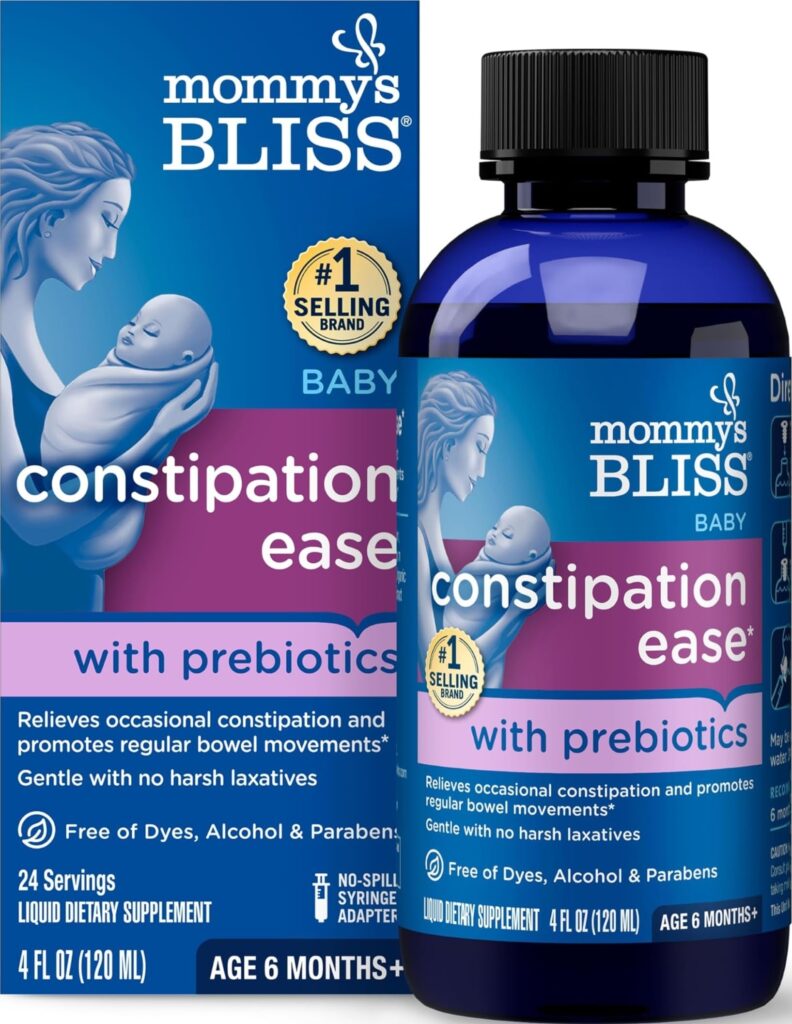
This is a solid first option for parents whose baby or toddler is straining or has infrequent stools, since it relies on prune juice rather than harsh chemical laxatives.
Pros
- Made with real prune juice, organic dandelion, and organic fennel
- No artificial colors, flavors, or harsh chemical laxatives
- Comes with a no-spill dosing syringe
Cons
- Labeled for babies 6 months and older, not newborns
- Strong prune flavor can make dosing harder with some babies
- Effects may take several hours to appear
The prebiotic in this formula is a type of fiber that feeds healthy gut bacteria, which may support more regular digestion over time. Parents describe it working within a few hours to a day, though response time varies by child. Because it’s flavored like prunes, some babies resist it, so mixing it into a small amount of food may help. Baby Constipation Relief Products
MYLICON Gas Relief Drops
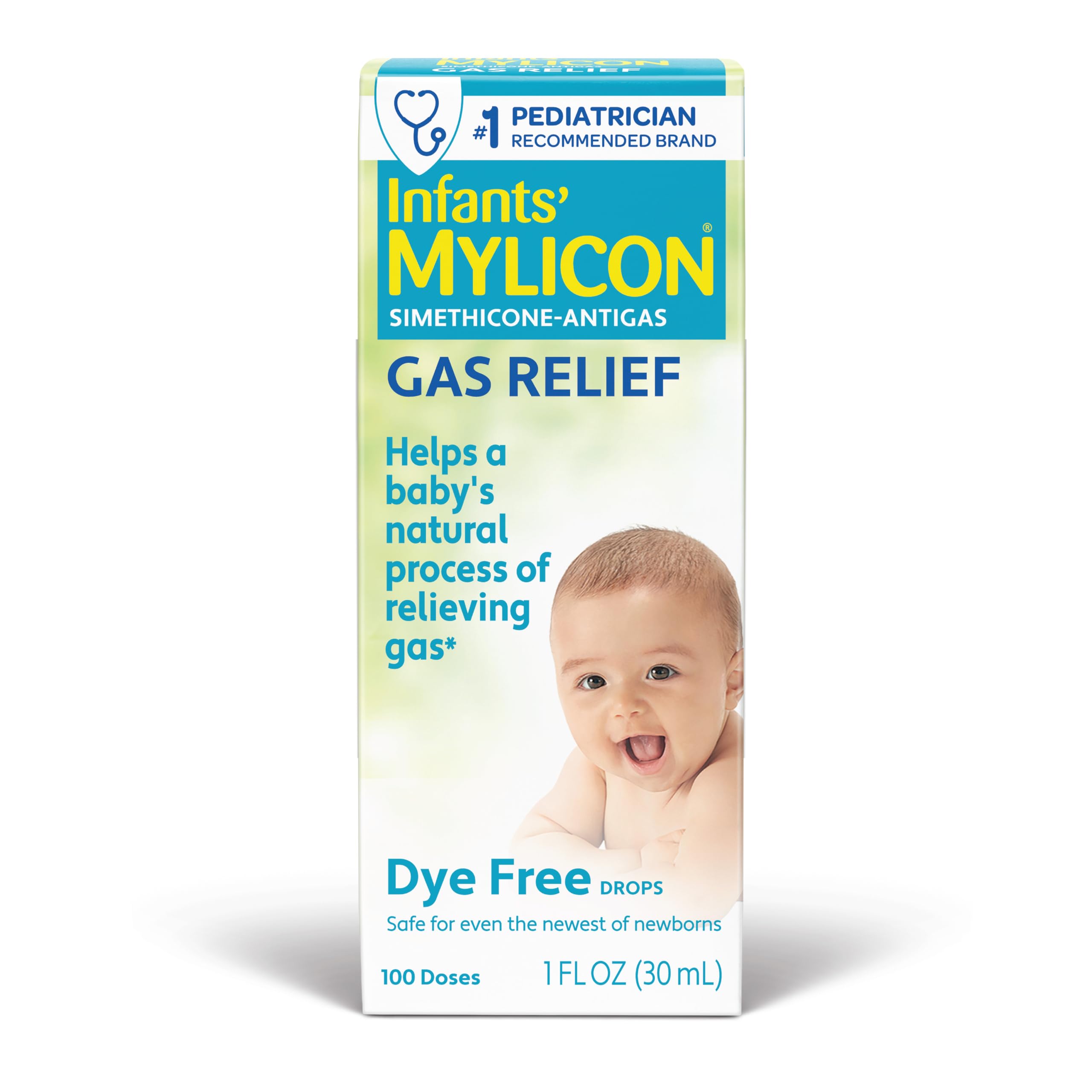
This is a widely recommended option for babies with gas discomfort, using simethicone, an ingredient that helps break up gas bubbles in the stomach so they pass more easily.
Pros
- Simethicone is the top pediatrician-recommended ingredient for infant gas
- Safe for use at every feeding, up to 12 times a day when directed
- Free of dyes, saccharin, alcohol, and artificial flavors
Cons
- Targets gas specifically, not constipation
- Some parents report inconsistent results
- Dosing syringe requires care with very small amounts
Simethicone does not get absorbed into the bloodstream, which is part of why pediatricians frequently recommend it for even the youngest infants. It works by combining small gas bubbles into larger ones that are easier for a baby to burp or pass. Many parents keep a bottle on hand for fussy evenings tied to feeding.
Little Remedies Newborn Gas Relief Drops

This gas relief option uses the same active ingredient as other simethicone drops but adds a natural berry flavor that some babies accept more easily.
Pros
- Contains simethicone, a pediatrician-recommended gas relief ingredient
- No artificial dyes, parabens, or high fructose corn syrup
- Compact bottle size fits easily in a diaper bag
Cons
- Berry flavor may not appeal to every baby
- Small bottle size means frequent reordering for regular use
- Marketed for gas, not for constipation relief
Parents can mix these drops directly into formula or give them straight into a baby’s mouth, up to 12 doses a day as directed. The berry flavor is meant to make dosing easier compared to unflavored alternatives, though some babies show no preference either way. It’s intended for occasional gas discomfort rather than ongoing digestive issues.
Little Remedies Gripe Water with Chamomile

This gripe water is formulated for babies dealing with gas, occasional colic, fussiness, or hiccups, using a fennel-based recipe that traces back over a century.
Pros
- Contains fennel, which may support digestion
- Free of alcohol, sodium bicarbonate, and artificial dyes
- Made with organic agave rather than added sugar
Cons
- Bottle’s push-and-turn cap can be difficult to open
- Not intended to treat colic linked to a medical condition
- Effects vary widely from baby to baby
Gripe water is a liquid supplement, not a regulated drug, so formulas vary by brand. This version leans on fennel and chamomile, both traditionally used to ease digestive discomfort, though the FDA has not evaluated these claims. Parents often reach for it during hiccup episodes or fussy stretches tied to feeding.
Mommy’s Bliss Baby Probiotic Drops

This daily probiotic drop is designed to support a baby’s digestive system with a single, well-studied bacterial strain rather than treat an immediate symptom.
Pros
- Uses Lactobacillus rhamnosus GG, a strain studied extensively in infants
- Simple two-ingredient formula with just five drops per dose
- Can be mixed into breast milk, formula, or given by spoon
Cons
- Needs refrigeration after opening to preserve live bacteria
- Cannot be added to hot food, which limits how it’s mixed in
- Results build gradually rather than offering quick relief
Probiotics are live bacteria meant to support the balance of organisms in a baby’s gut, which can play a role in digestion and gas. This product is meant for daily, ongoing use rather than as a one-time fix during a constipation episode. Parents managing recurring gas or irregular stools sometimes use it alongside, not instead of, other remedies.
Culturelle Baby Digestive Calm & Comfort Probiotic

This probiotic combines two studied strains, Lactobacillus rhamnosus GG and Bifidobacterium lactis BB-12, aimed at easing occasional digestive upset and related fussiness in babies up to 12 months.
Pros
- Two-strain formula rather than a single probiotic strain
- Free of dairy, gluten, soy, and common allergens
- Simple once-daily dosing of five drops
Cons
- Must be used within 60 days of opening
- Some babies may reject the taste or texture
- Not a treatment for constipation caused by other conditions
The added BB-12 strain has been studied specifically for its potential role in easing infant colic symptoms. Parents report a range of experiences, from noticeable improvement within days to no clear change. As with any probiotic, consistency in daily use matters more than occasional dosing.
Good Start Dr. Brown’s Gentle Pro Baby Formula

This formula is worth considering for babies whose constipation or hard stools seem tied to their current formula, since it uses partially broken-down proteins that may be easier to digest.
Pros
- Contains hydrolyzed whey protein, broken into smaller pieces for digestion
- Includes B. lactis probiotic similar to those in breast milk
- Non-GMO with no artificial growth hormones
Cons
- Switching formulas should involve a pediatrician’s input
- Adjustment period of about a week is common
- Costs more than standard formula options
Hydrolyzed proteins are proteins that have been broken into smaller fragments through processing, which can make digestion easier for some babies. This formula is marketed specifically for sensitive stomachs and softer stools compared to standard formulas with intact proteins. Any formula change, especially for constipation concerns, should happen with a pediatrician’s guidance.
Dr. Brown’s Infant Gripebelt

This heated belly band offers a medication-free way to soothe gas discomfort using warmth and gentle compression instead of drops or supplements.
Pros
- No medication involved, just warmth and gentle pressure
- Microwaveable gel pack can also be frozen for cooling use
- Soft plush design doubles as a comfort object
Cons
- Requires careful heating to avoid overheating the gel pack
- Designed for babies 0-3 months, so sizing is limited
- Some parents received defective gel packs
The belt works by applying warmth to a baby’s stomach, which may help relax muscles and ease gas-related discomfort. It’s an appealing option for parents wanting to avoid giving their baby anything orally. Because it’s reusable, it can be a lower-cost, longer-term tool compared to repeated purchases of drops or gripe water.
Cuckool Baby Colic and Gas Relief Wrap

This adjustable heated wrap works similarly to other belly bands, offering warm compression for gas and colic discomfort at a more accessible price point.
Pros
- Adjustable to fit babies from newborn through toddler size
- Drop-free and medication-free approach to soothing gas
- Non-toxic gel pack is leak-resistant
Cons
- Requires a microwave to heat properly
- Results vary, with some parents noting no change in colic symptoms
- Not a substitute for medical evaluation of persistent colic
The wide size range means this wrap can be used well beyond the newborn stage, unlike some belts limited to a few months. It’s a reasonable option for parents wanting to try warmth-based soothing before turning to supplements. As with any comfort tool, it works best as one part of a broader approach to a fussy baby.
Pedia-Lax Liquid Glycerin Suppositories
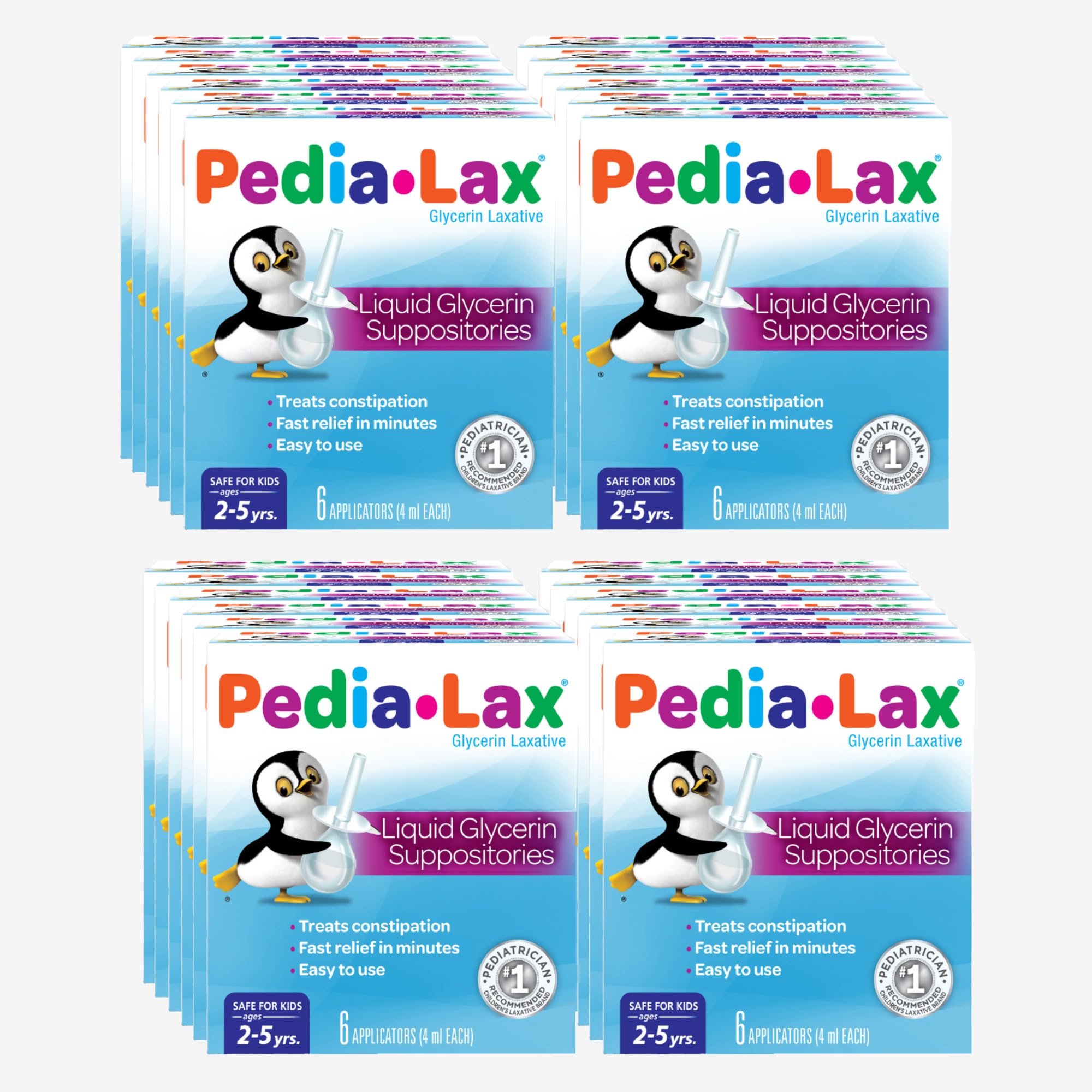
This product is intended for children ages 2 to 5 dealing with occasional constipation, and it is not appropriate for infants or newborns.
Pros
- Provides relief in as little as 15 to 60 minutes when needed
- Sodium-free formula designed not to upset digestion
- No-mess applicator designed for easier use than traditional suppositories
Cons
- Labeled specifically for ages 2-5, not for infants
- Should be used occasionally, not as a regular constipation solution
- Some buyers received products close to their expiration date
Glycerin is a substance that draws water into the stool and lubricates the rectum, helping stool pass more easily. Because this works quickly and directly, it is generally reserved for occasional, harder cases of constipation rather than daily use. Parents should check with a pediatrician before using any suppository, and never use this product on a child younger than the labeled age range.
Buying Guide
Match the Product to the Symptom
Constipation and gas are different problems that call for different solutions. A baby who hasn’t had a bowel movement in a few days needs a different kind of help than a baby who is gassy but pooping normally.
| Symptom | Product Type | Example Ingredient |
|---|---|---|
| Hard or infrequent stools | Constipation aid | Prune juice, glycerin |
| Gas, bloating, fussiness after feeding | Gas relief drops | Simethicone |
| General digestive discomfort, colic | Gripe water or probiotics | Fennel, chamomile, live bacteria |
| Ongoing sensitive digestion | Specialized formula | Hydrolyzed protein |
| Muscle tension from gas | Heated wrap | Warmth, compression |
Check the Age Range Before Buying
Age labeling matters more with baby digestive products than almost any other category. Some products, like certain probiotics and gripe water, are formulated for newborns. Others, like glycerin suppositories, are labeled specifically for children ages 2 to 5 and are not meant for infants. Always confirm the recommended age range on the packaging before giving a product to a child.
Understand the Active Ingredient
Knowing what’s actually in a product helps set realistic expectations.
- Simethicone: Breaks up gas bubbles in the stomach; does not treat constipation.
- Prune juice or glycerin: Draws water into the stool or softens it to ease passage.
- Probiotics: Live bacteria strains meant to support gut balance over time, not immediate relief.
- Prebiotics: Fiber compounds that feed healthy gut bacteria already present.
- Fennel or chamomile: Traditional digestive aids found in gripe water, with limited formal regulation.
Consider Form and Ease of Use
Liquid drops, syrups, and suppositories all require different handling. A no-spill syringe or dropper makes dosing easier and reduces waste, especially with wiggly infants. Suppositories require more careful technique and should only be used according to label instructions.
When to Involve a Pediatrician
Occasional constipation or gas is common and often resolves with gentle at-home approaches. A pediatrician should be consulted if constipation lasts more than a few days, if there’s blood in the stool, if the baby seems to be in significant pain, or if a newborn under 3 months shows any of these symptoms. No product in this category is meant to replace medical evaluation when symptoms are severe or persistent.