Unmarried parents in New Jersey can seek custody and parenting time, but the first step is usually establishing legal parentage. Courts then focus on the child’s best interests, daily routine, and stability.
If you are trying to understand new jersey child custody laws for unmarried parents, the first thing to know is that custody usually depends on legal parentage, the child’s best interests, and the practical realities of family life. In 2026, New Jersey still focuses on what best supports the child, while also making sure both parents have a fair path to establish rights and responsibilities.
This guide is written for parents, caregivers, and family audiences who need a clear, child-centered explanation. It is informational only, but it can help you understand the basic terms, the usual legal steps, and the everyday situations that often shape custody plans.
- Parentage first: Legal parentage often needs to be established before custody moves forward.
- Custody types: Legal custody, physical custody, and parenting time are separate issues.
- Best interests: New Jersey courts center decisions on the child’s needs and stability.
- Real-life factors: School, childcare, schedules, and relocation can shape the final plan.
What New Jersey Child Custody Laws for Unmarried Parents Mean in 2026
In New Jersey, being unmarried does not prevent a parent from seeking custody, parenting time, or child support. The legal process usually starts with identifying who the child’s legal parents are, then moving to custody and parenting arrangements that support the child’s stability.
Why this guide matters for parents, caregivers, and family audiences
Custody questions can feel overwhelming because they involve both law and family dynamics. Parents often need to understand what the court can decide, what they can agree on themselves, and what happens when one parent is not involved from the start.
For caregivers and family members, a clear explanation can reduce confusion and help adults speak about the situation in a calmer, more supportive way. That matters because children usually do better when the adults around them use consistent, reassuring language.
How custody, parenting time, and paternity are treated under New Jersey law
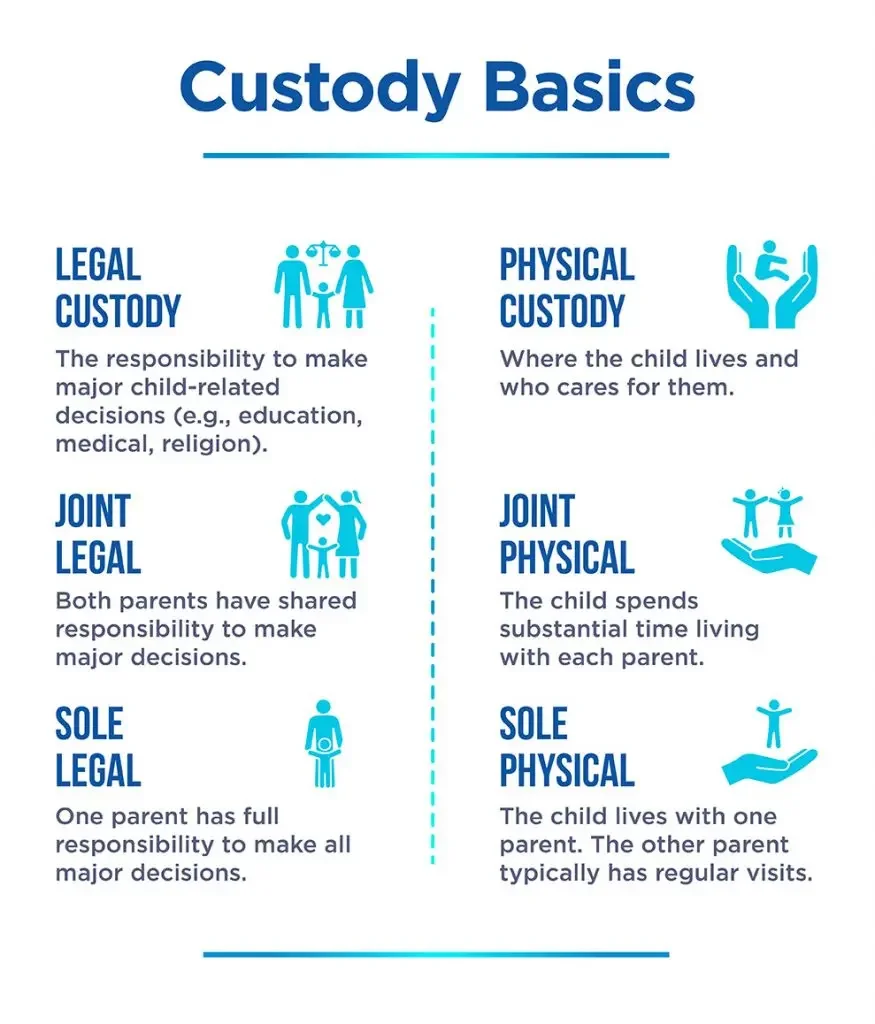
New Jersey generally separates three ideas: legal custody, physical custody, and parenting time. Legal custody is about decision-making, physical custody is about where the child lives, and parenting time is the schedule for time with each parent.
Before custody can be fully addressed, the law may require parentage to be established. For unmarried parents, that can happen through a voluntary acknowledgment, a court process, or genetic testing if paternity is disputed.
How Unmarried Parents Establish Legal Parentage in New Jersey
Parentage is the foundation for most custody and support issues. If legal parentage is not clear, the court may need to determine it before moving forward with orders about custody or financial support.
Voluntary acknowledgment of paternity and when it helps
When both parents agree on who the father is, they may sign a voluntary acknowledgment of paternity. This can be a practical first step because it helps create a legal record without needing a contested court process.
That said, parents should understand what they are signing and why. Acknowledging parentage can have lasting legal effects, including support obligations and the ability to request custody or parenting time.
Acknowledging parentage is not the same as creating a full custody schedule. It helps establish legal status, but custody and parenting time still need to be addressed separately.
When a court order or genetic testing may be involved
If parentage is disputed, a court may order genetic testing or review other evidence before deciding legal parentage. This usually happens when one parent denies being the legal parent or when the relationship history is unclear.
A court order can also be used when the parents cannot agree on the issue. Once parentage is established, the court can move on to custody, parenting time, and support questions.
Why parentage matters before custody and support can move forward
Parentage matters because the law needs to know who has legal rights and responsibilities. Without that step, a parent may have difficulty asking for custody or being included in formal decision-making.
Do not assume that living with a child or helping with care automatically creates full legal custody rights. Parentage and custody are related, but they are not the same thing.
Custody Basics: Legal Custody, Physical Custody, and Parenting Time
Once parentage is clear, the next step is understanding what type of custody arrangement fits the child’s needs. New Jersey courts focus on practical parenting arrangements, not labels alone.
What legal custody covers in everyday decision-making
Legal custody usually covers important decisions about education, health care, religion, and general welfare. In many families, both parents share this responsibility so they can stay involved in major choices.
When parents communicate well, shared legal custody can work smoothly. When communication is difficult, a court may structure decision-making differently to reduce conflict and protect the child’s routine.
How physical custody and parenting time are commonly structured
Physical custody refers to where the child primarily lives. Parenting time is the schedule that lets the other parent spend time with the child, whether that is weekends, weekdays, holidays, or a more balanced rotation.
Some families create informal schedules that work well for school and childcare. Others need a more detailed order that spells out pick-up times, holidays, virtual contact, and transportation responsibilities.
When parents are building a schedule, start with the child’s school and sleep routine first. A custody plan that ignores bedtime, homework, and childcare logistics tends to fail in real life.
What judges consider when deciding the child’s best interests
New Jersey custody decisions are guided by the child’s best interests. Judges typically look at the child’s relationship with each parent, each parent’s ability to provide care, the child’s needs, and the parents’ ability to cooperate.
The court may also consider stability, safety, school continuity, and any history that affects parenting. The goal is not to reward or punish either parent, but to create an arrangement that helps the child thrive. [Source: Education.com]
Practical Scenarios Unmarried Parents Commonly Face
Real custody questions usually come from everyday life, not legal theory. The same law can look very different depending on whether parents live together, share a cooperative schedule, or disagree about major decisions.
Parents living together versus living apart
When unmarried parents live together, they may function like a two-parent household even before formal orders are in place. If they separate, the lack of a written plan can make the transition harder because routines suddenly need structure.
When parents live apart from the beginning, custody and parenting time often need to be organized earlier. In those cases, a clear plan can reduce conflict and help the child know what to expect.
When one parent wants more time or sole decision-making authority
Sometimes one parent asks for more parenting time because of a stronger existing bond, work availability, or the child’s routine. Other times, a parent may seek sole decision-making authority if communication has broken down.
Courts usually want to see a reason tied to the child’s needs, not just a parent’s preference. That is why documentation, consistency, and child-focused reasoning matter so much.
How school schedules, childcare, and routines affect custody plans
School and childcare schedules often shape what is realistic. A custody plan that looks balanced on paper may still be difficult if one parent works nights, the child has special care needs, or the commute is long.
Parents often do better when they build around predictable routines. For families needing broader child-safety context, this can also connect with practical resources like baby travel safety guidance and other child-focused planning tools.
- School start and end times
- Childcare drop-off and pickup logistics
- Homework, bedtime, and meal routines
- Holiday and summer schedules
- Transportation responsibilities
What changes when a parent relocates or a new partner is involved
Relocation can affect parenting time because distance changes the child’s daily routine and the parent’s ability to exchange the child easily. If a move significantly affects the existing schedule, the court may need to review the arrangement.
A new partner can also create stress, especially if the child is adjusting to new household rules or a different daily rhythm. The legal issue is not the existence of a new relationship itself, but whether the change affects the child’s well-being.
Using Humor Carefully in Family Law Content and Parenting Conversations
Family law is serious, but communication around it does not have to feel cold. Careful, respectful humor can make educational content easier to read, as long as it never minimizes the child’s needs or the family’s stress.
Why light humor can make a serious topic easier to read
Humor can help adults stay engaged with dense information. In educational writing, a gentle tone can make complex ideas feel more approachable, especially when the audience is already anxious about custody issues.
That said, the humor has to serve clarity. If a joke distracts from the legal point, it is not helping the reader.
Joke craft tips from Jamie Reed for keeping it warm, not flippant
For family-focused content, the safest humor usually comes from shared experience, not from the conflict itself. That means using familiar parenting moments, school routines, or scheduling chaos rather than making light of a child’s distress.
In family content, the best humor usually comes from recognition, not exaggeration. Readers respond well when the writing says, in effect, “Yes, this part of parenting is complicated,” without turning the legal issue into a punchline.
Delivery advice for newsletters, school handouts, TikTok captions, and parent talks
Different platforms need different levels of tone control. A school handout should stay straightforward and reassuring, while a social caption can be slightly more conversational if the message remains respectful and clear.
For short-form video, the safest approach is to keep the legal facts in the center and let the tone stay calm. A quick, relatable line can work, but only if it does not make the situation feel trivial.
- Use gentle, relatable observations
- Keep children out of the joke target
- Match the tone to the audience
- Mock a parent’s struggle
- Use sarcasm in a formal handout
- Turn custody stress into entertainment
Common humor mistakes to avoid when discussing custody stress
One common mistake is using humor to avoid the hard part of the topic. Another is using inside jokes that only make sense to adults already familiar with family law, which can leave general readers confused.
Avoid humor that sounds like you are choosing sides. In custody content, trust drops fast when the writing feels dismissive, sarcastic, or emotionally loaded.
Age-Appropriateness and Tone: How to Talk About Custody Around Children
Children do not need every legal detail. They need clear, age-appropriate reassurance that they are cared for and that the adults are handling the situation responsibly.
What younger children should hear versus what teens can understand
Younger children usually need simple explanations about where they will sleep, who will pick them up, and when they will see each parent. They do not need legal terms or adult conflict details.
Teens can understand more, including schedule changes and general reasons for a custody plan. Even so, they should not be placed in the middle or asked to act like mediators. [Source: WebMD]
How to keep language reassuring, clear, and non-blaming
Use short, calm sentences. Phrases like “You will still see both parents” or “We are making a plan that works for you” are more helpful than explanations that focus on blame.
Children benefit when adults avoid arguing about the other parent in front of them. The message should be that the child is loved, protected, and not responsible for adult decisions.
When humor is helpful for adults but not for kids in the room
Adults may use light humor to reduce tension after the child is out of earshot. In the room with children, though, humor can easily be misunderstood or feel like dismissal if the topic is already stressful.
What feels comforting to an adult may feel confusing to a child. When in doubt, prioritize plain language and emotional safety over clever wording.
How to Read This Topic in Real Life: Setting, Audience, and Content Use
This topic is often used in settings where people need practical guidance quickly. The best content is clear enough for parents, useful enough for caregivers, and careful enough for professionals who support families.
Best contexts for this guide: school family resources, community newsletters, social content, and parent education
School family resources often need a calm, plain-English overview of custody basics. Community newsletters may use a slightly warmer tone, while parent education materials should stay focused on process and child well-being.
Social content can be more concise, but it should still avoid oversimplifying the legal process. When the topic is custody, clarity matters more than cleverness.
What readers in a legal or child-development setting are looking for
Readers usually want to know what the law means, what steps come next, and what the child may experience during the process. They also want language that is respectful and not overly technical.
That is why strong informational writing should explain terms, show common scenarios, and keep the child’s needs at the center. For readers who also enjoy PunRealm’s lighter side, family-friendly language can keep attention without losing seriousness.
How PunRealm’s family humor angle can support attention without undercutting seriousness
A gentle family humor angle can make dense information more readable, especially for parents who are already mentally overloaded. The key is balance: a warm tone can invite the reader in, but the legal content must remain accurate and child-centered.
For topics like custody, that means using humor principles carefully rather than turning the subject into a joke. The goal is to help readers stay engaged while still respecting the real stakes involved.
- Parentage usually comes first for unmarried parents in New Jersey.
- Custody includes legal custody, physical custody, and parenting time.
- The child’s best interests guide most custody decisions.
- Routines, school schedules, and relocation can shape real-world plans.
- Humor should stay gentle, respectful, and age-appropriate.
Recap: Key Takeaways on New Jersey Child Custody Laws for Unmarried Parents
For unmarried parents in New Jersey, custody usually begins with establishing legal parentage and then building a plan around the child’s best interests. Courts look closely at stability, cooperation, and the child’s day-to-day needs rather than relying on labels alone.
Most important legal points to remember
Unmarried parents can seek custody and parenting time, but legal parentage may need to be established first. Once that is clear, the court can address decision-making, living arrangements, and schedules that support the child.
Most important communication and humor takeaways for family-focused content
When discussing custody, use language that is clear, calm, and non-blaming. Humor can help adults stay engaged, but it should never reduce the seriousness of the child’s situation or the legal process.
Closing note for 2026 readers seeking clarity, balance, and child-centered guidance
If you are reviewing new jersey child custody laws for unmarried parents in 2026, the most useful approach is to stay child-centered and fact-focused. Whether you are a parent, caregiver, educator, or family support reader, the best outcomes usually come from clear information, realistic planning, and respectful communication.
Frequently Asked Questions
Yes. Unmarried parents can seek custody, parenting time, and child support in New Jersey. The court usually focuses on legal parentage first, then on the child’s best interests.
Paternity may be established through a voluntary acknowledgment, a court order, or genetic testing if parentage is disputed. The right method depends on the facts of the family situation.
Legal custody generally refers to decision-making authority for major issues such as education, health care, and religion. Parents may share it, or a court may structure it differently if needed.
Physical custody refers to where the child lives on a regular basis. Parenting time is the schedule that sets when the other parent spends time with the child.
Courts look at the child’s best interests, including stability, each parent’s caregiving ability, the child’s needs, and how well the parents can cooperate. Safety and routine are also important factors.
Yes. Custody and parenting time can sometimes be modified if circumstances change and the new arrangement better serves the child’s needs. Relocation, school changes, or major family changes can all matter.