

Fewer wet diapers, weak feeding, and unusual sleepiness are common early signs of dehydration in a newborn. If your baby has a sunken soft spot, repeated vomiting, fever, or is hard to wake, contact a pediatrician right away.
If you’re worried about the signs of dehydrated newborn, the earliest clues are usually fewer wet diapers, a dry mouth, weak feeding, and unusual sleepiness or fussiness. Because newborns can become dehydrated quickly, it’s important to watch feeding patterns and call a pediatrician promptly if anything feels off.
- Early clues: Watch wet diapers, feeding strength, and alertness together.
- Higher risk: The first week, premature babies, and babies with illness need closer monitoring.
- Urgent signs: Sunken soft spot, no tears, vomiting, fever, or limpness need prompt medical help.
- Home checks: Track feeds and diapers, but don’t rely on one sign alone.
Signs of Dehydrated Newborn: What Parents Should Notice First
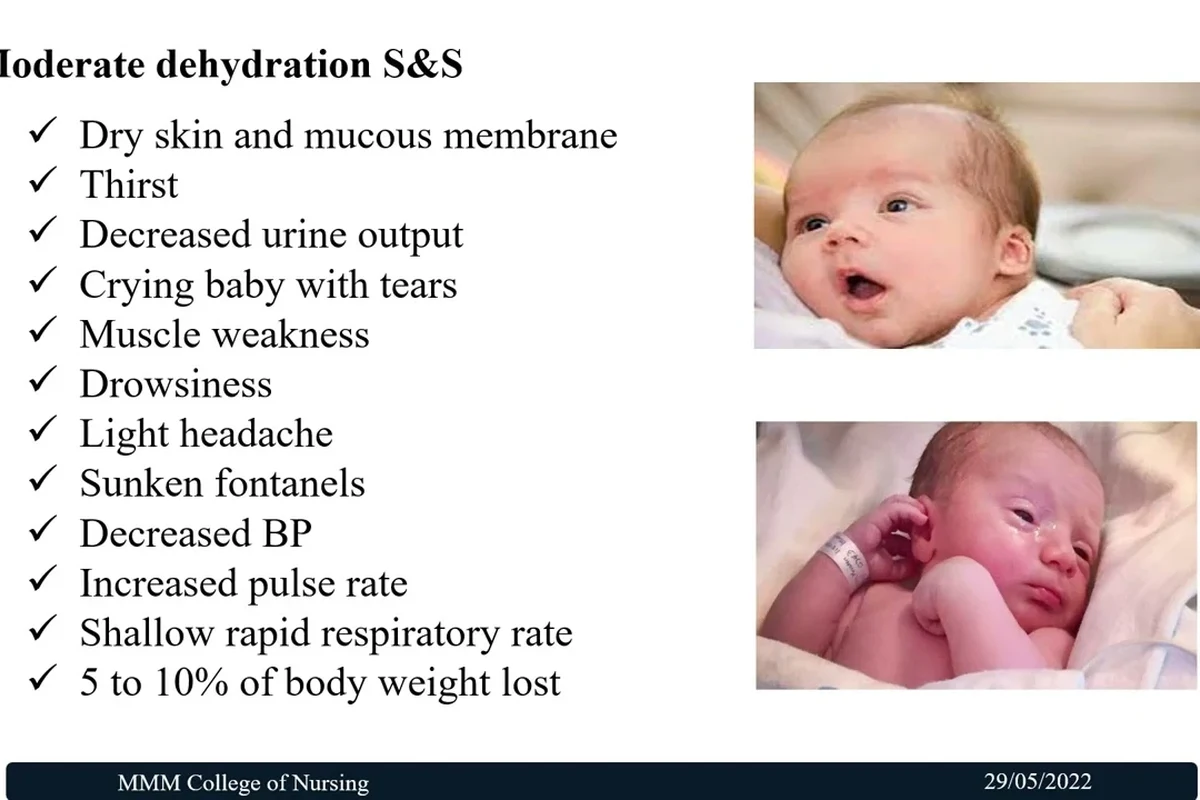
The first things to watch are diaper output, feeding strength, and alertness. A newborn who is not getting enough fluid may have fewer wet diapers than expected, seem hard to wake for feeds, or latch and suck weakly.
It also helps to notice changes over time rather than one moment in the day. A baby who is slightly sleepy after a feed is not the same as a baby who is difficult to wake, feeds poorly, and has a dry mouth.
What Dehydration Means in a Newborn and Why It Matters
Dehydration means the body does not have enough fluid to work normally. In a newborn, that can affect temperature control, circulation, feeding stamina, and overall stability much faster than it would in an older baby.
How newborn hydration needs differ from older babies
Newborns have tiny fluid reserves, small stomachs, and rapid growth needs. They also depend entirely on regular feeding, so even a short stretch of poor intake can matter more than parents expect.
Normal hydration patterns vary by age, feeding method, and day of life. What is expected on day 1 is different from what is expected by the end of the first week.
Common causes in the first days and weeks
Common causes include not feeding often enough, latch or milk transfer problems, vomiting, diarrhea, fever, and illness. In some babies, dehydration can also happen when parents are still learning feeding cues or when milk supply is still coming in.
Formula preparation mistakes can also contribute, which is why caregivers should always follow the label and mixing instructions exactly. For broader newborn care context, some parents also find it helpful to review related guidance such as words of encouragement for parents of a sick child when stress is high, but medical symptoms should still be taken seriously.
Early Warning Signs of Dehydration in Newborns
Early dehydration signs can be subtle. If you notice more than one of the symptoms below, it is worth calling your baby’s clinician for advice.
Fewer wet diapers than expected
One of the most useful home checks is diaper output. A newborn who is becoming dehydrated may have fewer wet diapers, less urine overall, or diapers that feel only lightly damp instead of clearly wet.
Parents often hear different diaper-count rules, but the safest approach is to compare your baby’s output with what your pediatrician expects for your baby’s age and feeding method. If diapers are steadily decreasing, do not wait for the next routine visit.
Dark urine, dry mouth, and weak sucking
Urine that looks darker than usual can be a clue that the baby is not taking in enough fluid. Other early signs include dry lips or mouth, a tongue that looks less moist, and weak or short sucking during feeds.
When checking a diaper, look for both wetness and color. A diaper that is only slightly damp with darker urine is more concerning than a diaper that is clearly wet and pale.
Sleepiness, fussiness, or trouble waking for feeds
Newborns do sleep a lot, but dehydration can make a baby unusually sleepy, sluggish, or difficult to wake for feeding. Some babies become more irritable instead and cry in a way that feels different from normal hunger fussiness.
If your baby is missing feeds because they are too sleepy, that can quickly become a cycle that worsens dehydration. This is one reason pediatricians take feeding difficulty seriously in the first weeks of life.
More Serious Symptoms That Need Prompt Medical Attention
Some symptoms suggest more significant dehydration or another urgent problem. These are not signs to watch “for a while” at home.
Sunken soft spot, no tears, or cool mottled skin
A sunken fontanelle, which is the soft spot on the top of the head, can be a warning sign when it appears along with other symptoms. No tears when crying, cool or mottled skin, or a generally weak appearance can also mean the baby needs prompt evaluation.
If your newborn looks limp, unusually hard to wake, or has a sunken soft spot with poor feeding, seek medical advice right away. Do not wait for the next diaper change to see if it improves.
Weight loss beyond the normal newborn range
Some weight loss is expected after birth, especially in the first few days. But weight loss beyond the normal range, or weight that is not starting to recover as expected, can be a sign that the baby is not getting enough fluid or calories.
This is one reason early newborn follow-up visits matter. Weight checks help clinicians compare feeding, output, and growth together instead of relying on one symptom alone.
Signs of illness, fever, vomiting, or poor feeding
Dehydration can happen alongside infection or another illness. Fever, repeated vomiting, diarrhea, or a baby who refuses feeds should be treated as a prompt call to the pediatrician, since the underlying cause may need attention quickly.
For parents who are also arranging newborn routines and care items, helpful planning resources such as best baby bathtub for newborn can be useful later, but bathing should never replace feeding or medical evaluation when dehydration is suspected.
Who Is Most at Risk: Age Range and Feeding Situations
Any newborn can become dehydrated, but the risk is higher in certain situations. Knowing those situations helps parents pay closer attention during the most vulnerable days.
Breastfed newborns in the first week
Breastfed babies are often watched closely in the first week because milk supply is still establishing and latch issues can limit intake. A baby may appear to feed often but still transfer too little milk if the latch is shallow or the baby tires quickly.
That does not mean breastfeeding is the problem; it means early monitoring matters. If feeds seem long, frequent, or ineffective, a lactation consultant or pediatrician can help assess what is happening.
Formula-fed babies and mixing mistakes
Formula-fed newborns can also become dehydrated if feeds are delayed or formula is mixed incorrectly. Too much water and too little powder can reduce calories and fluid balance, while too little water can make the formula too concentrated.
- Follow the formula label exactly.
- Use the scoop and water ratio specified by the manufacturer.
- Guessing at measurements.
- Changing the mix because it “seems too thick” or “too thin.”
Premature babies and babies recovering from illness
Premature babies, low-birth-weight babies, and babies recovering from illness often need closer monitoring because they may tire during feeds or lose fluid more quickly. These babies may also have different feeding plans, so their output expectations may not match those of a healthy full-term newborn.
If your baby has a medical condition, ask the care team for specific hydration and feeding targets instead of relying on general advice.
How to Check Hydration at Home Safely
Home observation is useful, but it works best when you track a few simple things together. Diapers, feeding frequency, and alertness usually tell a clearer story than any single sign alone.
Diaper counts, feeding frequency, and alertness
Keep a simple log of feeds and wet diapers, especially during the first two weeks. Write down the time of each feeding, whether the baby seemed to feed well, and whether the diaper was clearly wet.
Also note alertness. A baby who wakes for feeds, feeds with effort, and settles afterward is different from a baby who is difficult to rouse or seems too weak to finish feeding.
What normal newborn output looks like by day
Normal output changes quickly in the first days after birth. Early on, babies pass small amounts of urine, and diaper counts usually increase as feeding improves and milk intake rises.
Because expectations change by age and feeding type, it is best to follow the discharge instructions from your hospital or pediatrician. If you need a general pediatric reference, the best baby car seat newborn article is unrelated to hydration, but it reflects the same principle: age-specific guidance matters because one-size-fits-all advice can be misleading.
Common mistakes parents make when judging hydration
One common mistake is assuming a baby is fine because they had one wet diaper recently. Another is waiting for obvious crying or a dry mouth before taking action, even though early dehydration can show up first in feeding and diaper changes.
Parents also sometimes compare their baby to a different baby rather than to the baby’s own pattern. A newborn’s normal output should be judged against their age, feeding method, and medical history.
What to Do If You Suspect Dehydration
If you think your newborn may be dehydrated, act early. The safest next step depends on how your baby looks, how well they are feeding, and whether other symptoms are present.
When to call the pediatrician right away
Call the pediatrician promptly if your baby has fewer wet diapers than expected, seems unusually sleepy, is feeding poorly, or has dark urine and a dry mouth. You should also call if weight checks are not going as expected or if you are worried that feeds are not effective.
When in doubt, it is better to ask about a possible dehydration concern early than to wait for the problem to become more obvious.
When to seek urgent care or emergency help
Seek urgent care or emergency help if your newborn is hard to wake, has a sunken soft spot with poor feeding, seems limp, has trouble breathing, vomits repeatedly, has a fever, or looks very unwell. These can be signs of dehydration, infection, or another serious condition that needs immediate evaluation.
If your local pediatric office has after-hours triage, use it. If not, go to urgent care or the emergency department based on how severe the symptoms are and how quickly they are worsening.
How to support feeding while waiting for guidance
Until you get medical advice, offer feeds as directed by your baby’s usual plan. Keep the baby comfortable, wake them gently if needed, and avoid giving water or homemade solutions unless a clinician specifically tells you to do so.
- Offer feeds more often if your clinician has advised you to do so.
- Track wet diapers and feeding times while you wait for a callback.
- Bring your notes to the visit so the clinician can assess the pattern quickly.
Prevention, Recovery, and Final Takeaway
The best prevention is steady feeding, close observation, and early follow-up when something changes. If your baby has already had a dehydration concern, your pediatrician may want a recheck to confirm that weight, feeding, and diaper output are improving.
Safe feeding habits, monitoring, and follow-up care
Feed on the schedule recommended for your baby, and do not let long stretches pass if your baby is struggling to wake or feed. Keep formula preparation exact, watch diaper counts, and ask for help early if latch, milk transfer, or bottle-feeding technique seems off.
- Check wet diapers, feeding strength, and alertness together.
- Review whether the baby has fever, vomiting, diarrhea, or poor weight gain.
- Confirm the feeding plan with your pediatrician if anything has changed.
Limitations of home observation and when professional evaluation is essential
Home checks can alert you to a problem, but they cannot tell you the full cause. A baby may look sleepy because of dehydration, infection, jaundice, or another issue, which is why professional evaluation matters when symptoms cluster or worsen.
Bottom line: the most important signs of dehydrated newborn are fewer wet diapers, weak feeding, unusual sleepiness, and any serious symptoms like a sunken soft spot or repeated vomiting. If you are unsure, call your pediatrician sooner rather than later.
Common Questions
Fewer wet diapers is often one of the earliest signs. Weak feeding can show up at the same time.
Yes. Unusual sleepiness can be a warning sign, especially if the baby is also feeding poorly.
It can be. Darker urine may mean the baby is not taking in enough fluid.
Call promptly if diapers drop, feeds are weak, or your baby is hard to wake. Don’t wait if symptoms are getting worse.
No, not unless a clinician tells you to. Newborn feeding concerns should be handled with professional guidance.
Frequently Asked Questions
Fewer wet diapers, weak sucking, dry mouth, and unusual sleepiness are common early signs. Some babies also become fussier or harder to wake for feeds.
That depends on the baby’s age and feeding method. Your pediatrician or discharge instructions can give the most accurate expectation for your newborn.
It becomes urgent if the baby is hard to wake, has a sunken soft spot, vomits repeatedly, has fever, or seems limp. Those symptoms need prompt medical evaluation.
They can be at higher risk in the first week if milk transfer is not going well or supply is still building. Close monitoring helps catch problems early.
Yes. Formula should always be mixed exactly as directed on the label, because incorrect mixing can affect fluid and calorie intake.
Offer feeds according to your baby’s usual plan and keep track of diapers and symptoms. Do not give water or home remedies unless a clinician specifically instructs you to do so.
